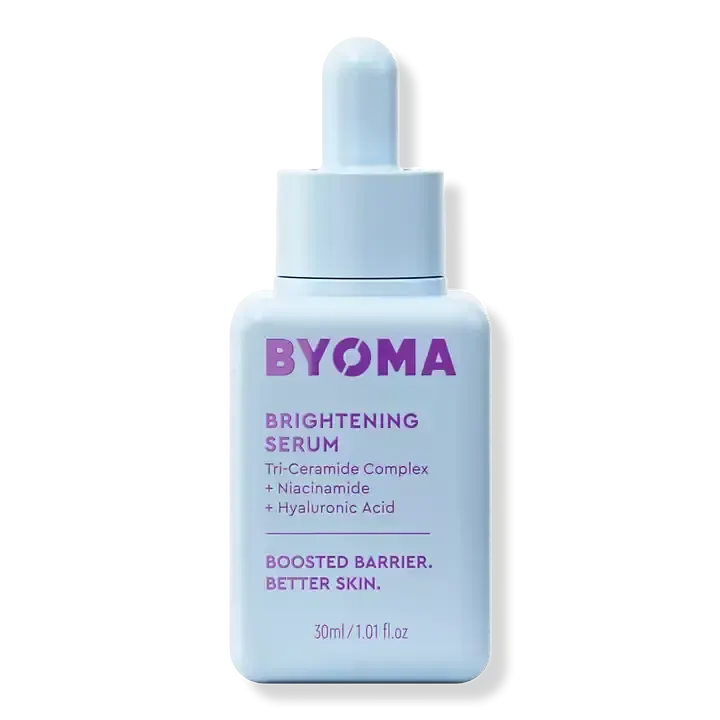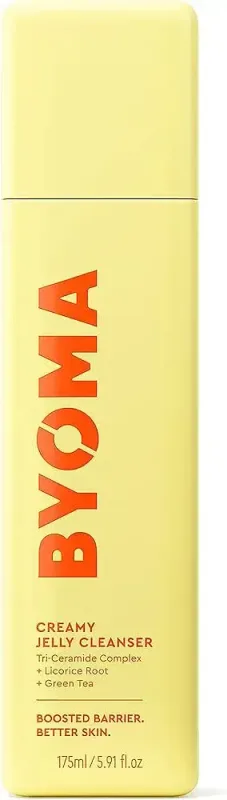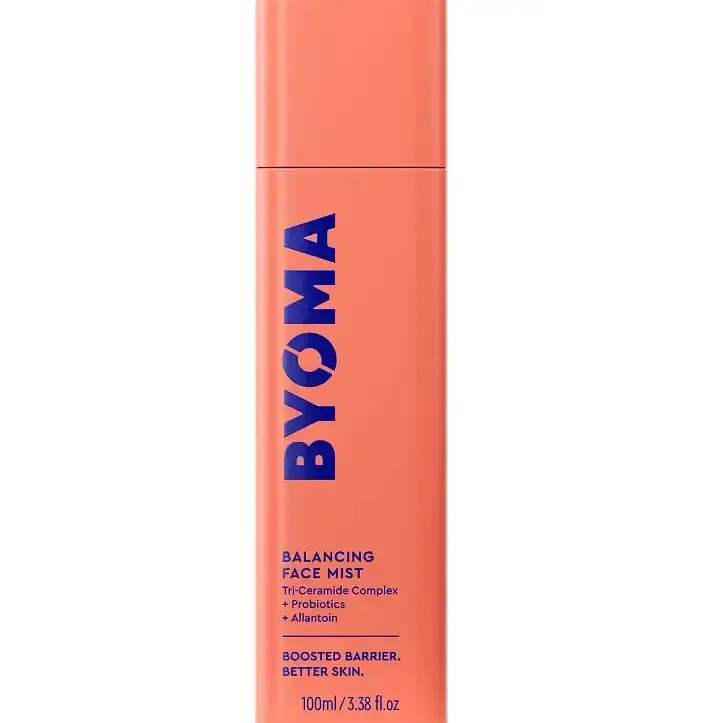
BYOMA
BYOMA Balancing Face Mist
Low risk79/100
Toners
This formula needs extra consideration during pregnancy. Review the flagged ingredients with your healthcare professional.
29 of 29 ingredients rated
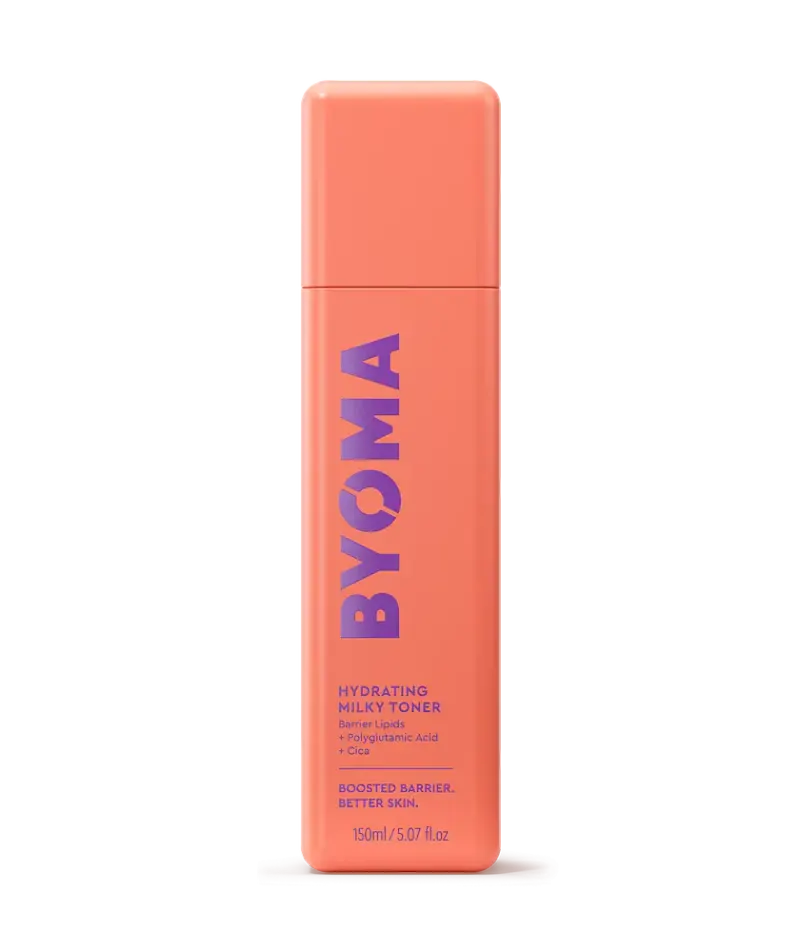
MamaSkin rates the recorded formula for BYOMA Hydrating Milky Toner as Medium risk (58/100). Discuss the flagged ingredients with a qualified healthcare professional before using this formula during pregnancy.
Newly reviewed ingredient guidance: this product is now Medium Risk as a precaution because its comfrey root extract may contain pyrrolizidine alkaloids and the ingredient list does not establish their levels. This does not mean that ordinary cosmetic use has been shown to harm a pregnancy. Newly assessed ingredient: symphytum officinale root extract.
29 of 29 ingredient entries on this page have a recorded score, evidence summary and source text. That describes documentation coverage, not proof that the finished formula has been clinically tested during pregnancy.
How we assess productsThe recorded formula, with evidence behind each rating. Unmatched ingredients are marked Not assessed in grey.
Comfrey root extract can contain unsaturated pyrrolizidine alkaloids associated with liver toxicity and genotoxicity. EMA's 2024 root monograph also describes fetal liver toxicity after high-dose oral exposure to an isolated alkaloid in animals; this is not evidence that an ordinary cosmetic causes the same exposure or outcome. Specified adult topical medicines require measured alkaloid limits and short-term use, and are not recommended during pregnancy or breastfeeding. The INCI name alone does not establish alkaloid removal or a controlled dose. MamaSkin applies precautionary Medium Risk, consistently with comfrey leaf extract, rather than assuming a purified grade. This is not proof of harm from every finished cosmetic. A documented alkaloid-controlled product would require a separate composition-and-exposure assessment; there is no validated cosmetic pregnancy-safe percentage for this extract.
Sources: https://www.ema.europa.eu/en/medicines/herbal/symphyti-radix; https://www.ema.europa.eu/en/documents/herbal-monograph/final-european-union-herbal-monograph-symphytum-officinale-l-radix_en.pdf
Polyhydroxy acid (PHA) used as a gentle exfoliant/humectant; generally less irritating than AHAs due to lower penetration. Considered safe as used in cosmetics, with no pregnancy-specific contraindications identified at topical cosmetic concentrations.
Sources: MotherToBaby: Topical acne treatments in pregnancy and breastfeeding https://www.ncbi.nlm.nih.gov/books/NBK582985/
Water (Aqua) is the standard purified water used as a cosmetic solvent. It has no pregnancy-specific risk in normal topical use.
Sources: https://pubchem.ncbi.nlm.nih.gov/compound/Water, https://single-market-economy.ec.europa.eu/sectors/cosmetics/cosmetic-ingredient-database/cosing-glossary-ingredients_en
1,2-Hexanediol is commonly used as a solvent and preservative booster; topical exposure is low and it has no known pregnancy or breastfeeding concerns at cosmetic concentrations, though very sensitive skin may occasionally react.
Sources: CIR; EU/UK Cosmetics Regulation
Panthenol (pro-vitamin B5) is used for soothing and barrier support and is generally well tolerated, with no known pregnancy or breastfeeding concerns in topical cosmetic use.
Sources: CIR; EU/UK Cosmetics Regulation
This plant-derived fatty oil or butter is used as an emollient and skin-conditioning ingredient. The Cosmetic Ingredient Review concluded that assessed plant-derived fatty acid oils are safe as used in cosmetics; individual plant allergy and ingredient purity remain practical considerations.
Sources: CIR: Safety Assessment of Plant-Derived Fatty Acid Oils https://cir-reports.cir-safety.org/view-attachment/?id=ad62ac6b-8e74-ec11-8943-0022482f06a6
Preservative booster and skin-conditioning agent. Considered safe for cosmetic use with low systemic exposure when used as intended.
Sources: Scientific Committee on Consumer Safety (EU); Cosmetic Ingredient Review (US)
Sodium hyaluronate (hyaluronic acid salt) is used for hydration and cushioning, with very low systemic absorption from topical use and no known pregnancy or breastfeeding concerns at cosmetic concentrations.
Sources: CIR; EU/UK Cosmetics Regulation
Dipropylene glycol is used as a solvent and carrier in cosmetics; topical exposure is low and it has no known pregnancy or breastfeeding concerns at cosmetic concentrations.
Sources: CIR; EU/UK Cosmetics Regulation
A family of long-chain skin lipids used to condition skin and support barrier formulations. Related sphingolipids and ceramide components occur naturally in human skin. Systemic exposure from topical cosmetic use is expected to be low, and no pregnancy-specific hazard signal was identified. Source purity and local tolerability remain relevant.
Sources: CIR assessments of Ceramides and related skin lipids; European Commission CosIng ingredient inventory; peer-reviewed dermatology literature on topical sphingolipids and skin-barrier function.
Solvent and humectant commonly used in leave-on products. Not associated with pregnancy-specific concerns at cosmetic exposure levels.
Sources: Cosmetic Ingredient Review (US); Scientific Committee on Consumer Safety (EU)
Skin-identical barrier lipid used to support the stratum corneum and reduce dryness. Reviewed cosmetic safety sources support normal topical use, with no pregnancy- or breastfeeding-specific topical signal identified in the material reviewed.
Sources: CIR: Safety Assessment of Ceramides as Used in Cosmetics; EU CosIng / cosmetics regulatory inventory
A high-molecular-weight glutamic-acid polymer used as a humectant and film former. Absorption of the intact polymer through skin is expected to be limited, and no pregnancy-specific concern was identified for normal topical cosmetic use. This is distinct from medicinal injectable or drug-delivery forms.
Sources: Peer-reviewed literature on poly-gamma-glutamic acid biomaterials and topical hydration; European Commission CosIng ingredient inventory.
Humectant saccharide complex used to improve surface hydration and reduce transepidermal water loss. Reviewed cosmetic safety sources support normal topical use, with no pregnancy- or breastfeeding-specific topical signal identified in the material reviewed.
Sources: CIR: Safety Assessment of Saccharide Humectants / Saccharide Isomerate, etc.; EU CosIng / cosmetics regulatory inventory
Film-forming polysaccharide used for soothing and hydration support. Reviewed cosmetic safety sources support normal topical use, with no pregnancy- or breastfeeding-specific topical signal identified in the material reviewed.
Sources: CIR: Safety Assessment of Microbial Polysaccharide Gums as Used in Cosmetics; EU CosIng / cosmetics regulatory inventory
A large polysaccharide produced by fermentation and used as a film former, binder and texture ingredient. Cosmetic safety reviewers concluded that microbial polysaccharide gums, including pullulan, are safe in current cosmetic use. Its large molecular size limits skin penetration, and no pregnancy-specific concern is identified for normal topical exposure.
Sources: CIR: Safety Assessment of Microbial Polysaccharide Gums https://cir-safety.org/supplementaldoc/safety-assessment-microbial-polysaccharide-gums-used-cosmetics
Natural polysaccharide thickener used for stability and texture. Not associated with pregnancy-specific concerns.
Sources: European cosmetics regulatory framework
Glycerin is a widely used humectant that supports hydration and the skin barrier, with a long safety record and no known pregnancy or breastfeeding concerns in topical cosmetic use.
Sources: CIR; EU/UK Cosmetics Regulation
Polymer thickener used to create gel textures. Large-molecule ingredient with negligible systemic absorption.
Sources: Cosmetic Ingredient Review (US); Scientific Committee on Consumer Safety (EU)
Vitamin E antioxidant used to protect oils and support the skin barrier. Not associated with pregnancy-specific concerns at cosmetic exposure.
Sources: Cosmetic Ingredient Review (US); Scientific Committee on Consumer Safety (EU)
pH adjuster used in small amounts to maintain product stability. Not associated with pregnancy-specific concerns.
Sources: Scientific Committee on Consumer Safety (EU); European cosmetics regulatory framework
pH adjuster and buffer used to stabilise formulations. Reviewed cosmetic safety sources support normal topical use, with no pregnancy- or breastfeeding-specific topical signal identified in the material reviewed.
Sources: CIR: Safety Assessment of Tromethamine as Used in Cosmetics; EU CosIng / cosmetics regulatory inventory
Buffering and chelating ingredient used to control pH and formulation stability. Reviewed cosmetic safety sources support normal topical use, with no pregnancy- or breastfeeding-specific topical signal identified in the material reviewed.
Sources: CIR: Safety Assessment of Citric Acid, Inorganic Citrate Salts, and Alkyl Citrate Esters as Used in Cosmetics; EU CosIng / cosmetics regulatory inventory
Chelating agent used to improve formula stability. Used at low levels and not associated with pregnancy-specific concerns.
Sources: European cosmetics regulatory framework
A glucose-derived emulsifier or emollient. Cosmetic safety reviewers concluded that the assessed methyl glucose ethers and esters are safe in current practices of use and concentration.
Sources: CIR: Methyl Glucose Ethers and Esters conclusion, IJT 35(Suppl. 2), 2016; December 2025 Quick Reference Table https://cir-safety.org/sites/default/files/QRT-Update-Dec2025.pdf
Hydrogenated emulsifier used to support skin barrier feel. Not associated with pregnancy-specific concerns.
Sources: Cosmetic Ingredient Review (US)
Sugar-based emulsifier used to stabilise creams and lotions. Reviewed cosmetic safety sources support topical cosmetic use; the relevant practical caveat is formulation irritation potential rather than a pregnancy-specific concern.
Sources: CIR: Decyl Glucoside and Other Alkyl Glucosides as Used in Cosmetics; EU CosIng / cosmetics regulatory inventory
An emulsifier built from polyglycerin, methyl glucose and stearic-acid components, used to stabilise creams and improve texture. Exact pregnancy-specific data are limited. Cosmetic safety reviewers concluded that related methyl glucose esters and polyglyceryl fatty-acid esters are safe in current cosmetic use when formulated to be non-irritating. No pregnancy-specific topical concern was identified by applying those related-group assessments to ordinary cosmetic exposure.
Sources: CIR: Safety Assessment of Methyl Glucose Polyethers and Esters https://www.cir-safety.org/supplementaldoc/safety-assessment-methyl-glucose-polyethers-and-esters-used-cosmetics; CIR: Safety Assessment of Polyglyceryl Fatty Acid Esters https://cir-safety.org/sites/default/files/PGlyFE092016FR.pdf
Botanical skin-conditioning ingredient used in soothing and barrier-support formulas. Reviewed cosmetic safety sources support current cosmetic use when formulated to be non-sensitising, with no pregnancy- or breastfeeding-specific topical concern identified in the material reviewed.
Sources: CIR: Safety Assessment of Centella asiatica-derived Ingredients as Used in Cosmetics; EU CosIng / cosmetics regulatory inventory
Water, 1,2-Hexanediol, Panthenol, Limnanthes Alba Seed Oil, Ethylhexylglycerin, Sodium Hyaluronate, Dipropylene Glycol, Sphingolipids, Butylene Glycol, Ceramide NP, Polyglutamic Acid, Saccharide Isomerate, Gluconolactone, Beta-Glucan, Pullulan, Xanthan Gum, Glycerin, Carbomer, Tocopherol, Citric Acid, Tromethamine, Sodium Citrate, Symphytum Officinale Root Extract, Sodium Phytate, Methyl Glucose Sesquistearate, Hydrogenated Lecithin, Cetearyl Glucoside, Polyglyceryl-3 Methylglucose Distearate, Centella Asiatica Extract
Ingredient ratings refreshed 4 November 2026. Formulas vary by market and can change. Always compare with your packaging.
Newly reviewed ingredient guidance: this product is now Medium Risk as a precaution because its comfrey root extract may contain pyrrolizidine alkaloids and the ingredient list does not establish their levels. This does not mean that ordinary cosmetic use has been shown to harm a pregnancy. Newly assessed ingredient: symphytum officinale root extract. The product score is a stored assessment, not a clinical safety guarantee.
No. This recorded formula contains Panthenol or Madecassoside, but a barrier-care claim does not establish the assessment of all its other ingredients. Read the individual ingredient evidence and any manual-review explanation, and compare the recorded list with your packaging.
29 of 29 ingredient entries on this page have a recorded score, evidence summary and source text. That describes documentation coverage, not proof that the finished formula has been clinically tested during pregnancy.
Only if the ingredient list on your packaging matches the recorded formula shown here. Formulas can differ by market and change over time. Compare the full list, not just the product name; report a mismatch if it differs.
No. This page presents a pregnancy-focused product assessment. Do not infer a breastfeeding conclusion from its score or label; breastfeeding requires a separate assessment of the formula and how it is used.