Caudalie
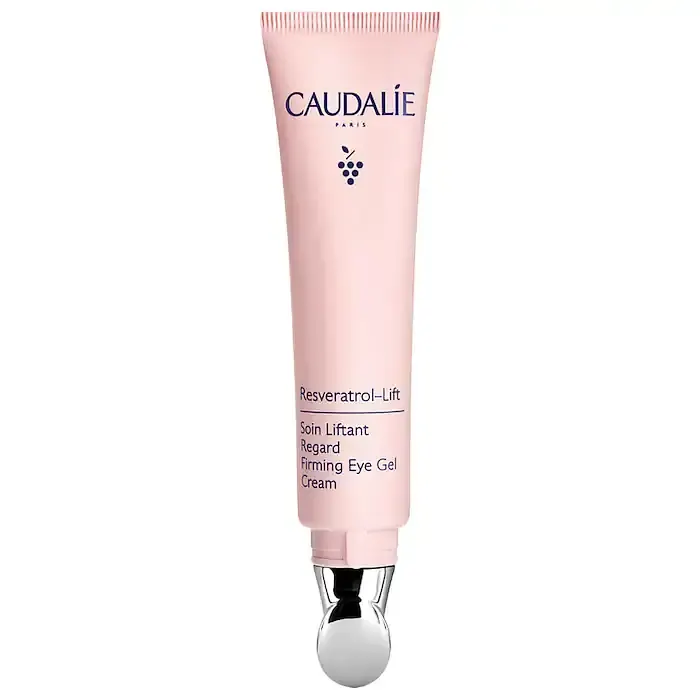
Caudalie Resveratrol Lift Firming Eye Gel-Cream
No known risks99/100

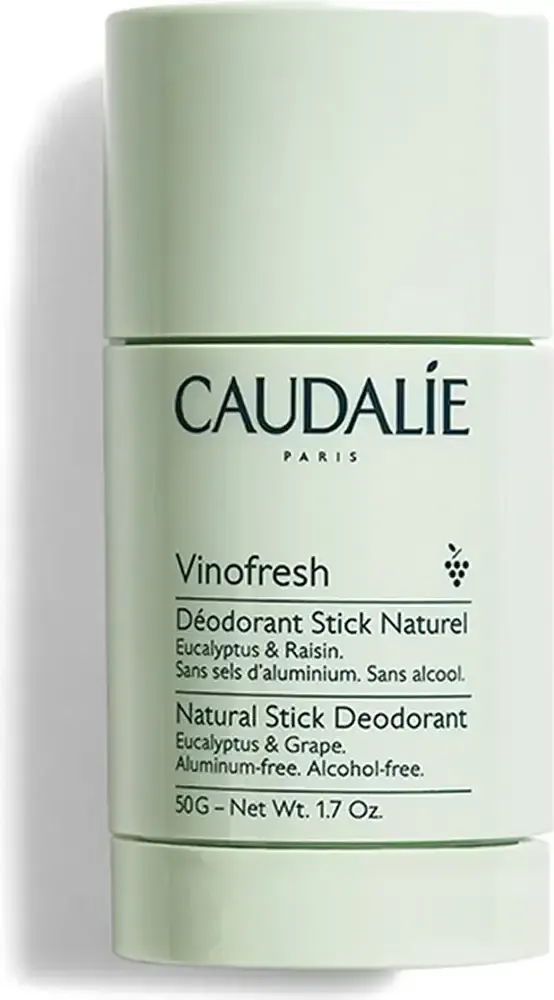
Deodorant
No higher-risk flags in the assessed ingredients. This is a screening result, not a guarantee of pregnancy safety.
17 of 17 ingredients rated
MamaSkin rates the recorded formula for Caudalie Vinofresh Natural Stick Deodorant as No known risks (99/100). This screening result is not a guarantee of safety for every pregnancy.
No higher-risk ingredient flags are shown in the assessed entries. Ingredients without a matched rating are marked Not assessed, not No known risks.
17 of 17 ingredient entries on this page have a recorded score, evidence summary and source text. That describes documentation coverage, not proof that the finished formula has been clinically tested during pregnancy.
How we assess productsThe recorded formula, with evidence behind each rating. Unmatched ingredients are marked Not assessed in grey.
Solvent and humectant commonly used in leave-on products. Not associated with pregnancy-specific concerns at cosmetic exposure levels.
Sources: Cosmetic Ingredient Review (US); Scientific Committee on Consumer Safety (EU)
Glycerin is a widely used humectant that supports hydration and the skin barrier, with a long safety record and no known pregnancy or breastfeeding concerns in topical cosmetic use.
Sources: CIR; EU/UK Cosmetics Regulation
Solvent and humectant used to improve texture and ingredient solubility. Low systemic exposure expected from topical cosmetic use.
Sources: Cosmetic Ingredient Review (US); Scientific Committee on Consumer Safety (EU)
Water (Aqua) is the standard purified water used as a cosmetic solvent. It has no pregnancy-specific risk in normal topical use.
Sources: https://pubchem.ncbi.nlm.nih.gov/compound/Water, https://single-market-economy.ec.europa.eu/sectors/cosmetics/cosmetic-ingredient-database/cosing-glossary-ingredients_en
A fatty acid or fatty-acid salt used as an emollient, cleanser, emulsifier or texture agent. Cosmetic safety reviewers concluded that the assessed fatty acids and salts are safe in current practices when formulated to be non-irritating and non-sensitising. No pregnancy-specific concern was identified for normal topical exposure.
Sources: CIR: Safety Assessment of Fatty Acids and Fatty Acid Salts as Used in Cosmetics https://cir-safety.org/supplementaldoc/safety-assessment-fatty-acids-fatty-acid-salts-used-cosmetics
An ester of polyglycerin and capric acid used as an emulsifier and skin-conditioning ingredient. Cosmetic safety reviewers concluded that polyglyceryl fatty acid esters, including Polyglyceryl-4 Caprate, are safe in current cosmetic use when formulated to be non-irritating.
Sources: CIR: Safety Assessment of Polyglyceryl Fatty Acid Esters https://www.cir-safety.org/sites/default/files/PGlyFE092016FR.pdf
A polyglycerin fatty-acid ester used as an emulsifier, dispersant or emollient. Cosmetic safety reviewers concluded that the assessed family of 274 polyglyceryl fatty acid esters is safe in current practices when formulated to be non-irritating. No pregnancy-specific concern was identified for normal topical cosmetic exposure.
Sources: CIR: Safety Assessment of Polyglyceryl Fatty Acid Esters as Used in Cosmetics https://www.cir-safety.org/supplementaldoc/safety-assessment-polyglyceryl-fatty-acid-esters-used-cosmetics-1
citronellyl methylcrotonate is a fragrance or flavour material used at low cosmetic concentrations. Ingredient-family and flavouring evaluations did not identify a pregnancy-specific reproductive concern for expected topical exposure. Fragrance irritation or allergy remains possible, so No Known Risks does not mean zero sensitisation potential.
Sources: WHO/JECFA flavouring-agent evaluations https://www.inchem.org/pages/jecfa.html; CIR fragrance-ingredient and cosmetic-use conclusions.
Grape fruit water is an aqueous fruit preparation, not grape seed oil or wine. CIR includes this exact grape-derived ingredient in its safe-as-used cosmetic assessment; no pregnancy-specific concern was identified for normal topical exposure. Direct human pregnancy studies of this exact ingredient were not identified; the rating applies to normal topical cosmetic use.
Sources: https://cir-safety.org/sites/default/files/vitis092012rep.pdf
A volatile oil from eucalyptus leaves used mainly for fragrance and skin conditioning. Cosmetic safety reviewers concluded that Eucalyptus globulus-derived ingredients are safe in current practices when formulated to be non-sensitising. Essential oils can irritate sensitive skin and should not be swallowed or used undiluted.
Sources: CIR: Safety Assessment of Eucalyptus globulus-Derived Ingredients as Used in Cosmetics https://www.cir-safety.org/supplementaldoc/safety-assessment-eucalyptus-globulus-derived-ingredients-used-cosmetics
Humectant and preservative booster used to support product stability. Low systemic exposure expected from topical cosmetic use.
Sources: Scientific Committee on Consumer Safety (EU); Cosmetic Ingredient Review (US)
Limonene is a common fragrance component used at low levels in cosmetics; it is not a pregnancy-specific concern in topical use, but it is a recognised fragrance allergen and may trigger irritation or sensitisation in some people, especially if the product oxidises over time.
Sources: EU/UK cosmetics (fragrance allergen labelling); IFRA; toxicology reviews
Grape juice is a fruit-derived cosmetic ingredient, not fermented wine. CIR includes this exact name in its safe-as-used grape assessment; no pregnancy-specific hazard was identified for normal topical use. Direct human pregnancy studies of this exact ingredient were not identified; the rating applies to normal topical cosmetic use.
Sources: https://cir-safety.org/sites/default/files/vitis092012rep.pdf
pH adjuster used in small amounts to maintain product stability. Not associated with pregnancy-specific concerns.
Sources: Scientific Committee on Consumer Safety (EU); European cosmetics regulatory framework
Preservative widely used in foods and cosmetics. Considered safe at regulated concentrations with low systemic exposure from topical use.
Sources: Scientific Committee on Consumer Safety (EU); European cosmetics regulatory framework
Preservative widely used in foods and cosmetics. Considered safe at regulated concentrations with low systemic exposure from topical use.
Sources: Scientific Committee on Consumer Safety (EU); European cosmetics regulatory framework
A rose-like fragrance ingredient that occurs naturally in many essential oils and may also be manufactured. Its main cosmetic concern is contact allergy in susceptible users; no pregnancy-specific hazard is identified for normal topical cosmetic exposure.
Sources: European Commission: Fragrance allergens labelling https://single-market-economy.ec.europa.eu/sectors/cosmetics/cosmetic-products-specific-topics/fragrance-allergens-labelling_en; SCCS fragrance-allergen opinions
Butylene Glycol, Glycerin, Propanediol, Water, Sodium Stearate, Polyglyceryl-4 Caprate, Polyglyceryl-6 Caprylate, Citronellyl Methylcrotonate, Vitis Vinifera Fruit Water, Eucalyptus Globulus Leaf Oil, Caprylyl Glycol, Limonene, Vitis Vinifera Juice, Citric Acid, Sodium Benzoate, Potassium Sorbate, Citronellol
Ingredient ratings refreshed 1 October 2026. Formulas vary by market and can change. Always compare with your packaging.
No higher-risk ingredient flags are shown in the assessed entries. Ingredients without a matched rating are marked Not assessed, not No known risks. The product score is a stored assessment, not a clinical safety guarantee.
17 of 17 ingredient entries on this page have a recorded score, evidence summary and source text. That describes documentation coverage, not proof that the finished formula has been clinically tested during pregnancy.
Only if the ingredient list on your packaging matches the recorded formula shown here. Formulas can differ by market and change over time. Compare the full list, not just the product name; report a mismatch if it differs.
No. This page presents a pregnancy-focused product assessment. Do not infer a breastfeeding conclusion from its score or label; breastfeeding requires a separate assessment of the formula and how it is used.