Caudalie
Caudalie Resveratrol Lift Firming Eye Gel-Cream
No known risks99/100

Sunscreens
No higher-risk flags in the assessed ingredients. This is a screening result, not a guarantee of pregnancy safety.
13 of 13 ingredients rated
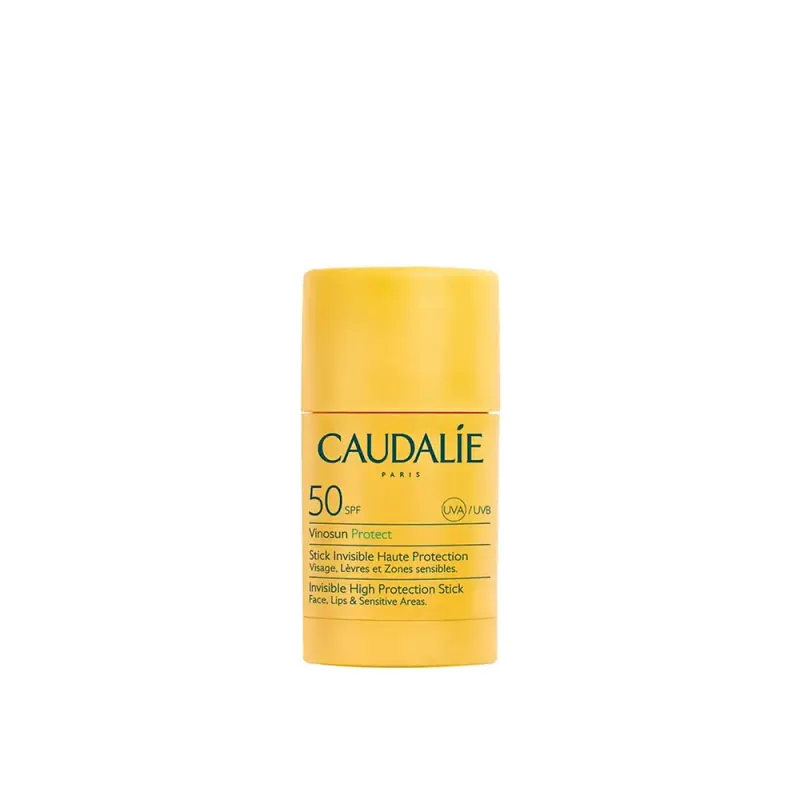
MamaSkin rates the recorded formula for Caudalie Vinosun Protect High Protection Invisible Stick SPF 50 as No known risks (99/100). This screening result is not a guarantee of safety for every pregnancy.
No higher-risk ingredient flags are shown in the assessed entries. Ingredients without a matched rating are marked Not assessed, not No known risks.
13 of 13 ingredient entries on this page have a recorded score, evidence summary and source text. That describes documentation coverage, not proof that the finished formula has been clinically tested during pregnancy.
How we assess productsThe recorded formula, with evidence behind each rating. Unmatched ingredients are marked Not assessed in grey.
Light emollient carbonate ester used to improve spreadability and reduce greasiness. Reviewed cosmetic safety sources support normal topical use, with no pregnancy- or breastfeeding-specific topical signal identified in the material reviewed.
Sources: CIR: Safety Assessment of Dialkyl Carbonates as Used in Cosmetics; EU CosIng / cosmetics regulatory inventory
A coconut-derived glyceride mixture used as an emollient and texture agent. Cosmetic safety reviewers concluded that cocoglycerides are safe in current practices. Coconut sensitivity remains possible.
Sources: CIR: Plant-Derived Fatty Acid Oils conclusion, IJT 30(Suppl. 1), 2011; December 2025 Quick Reference Table https://cir-safety.org/sites/default/files/QRT-Update-Dec2025.pdf
This wax is used as an emollient and structuring ingredient. Cosmetic Ingredient Review assessments support current cosmetic use, with no pregnancy- or breastfeeding-specific concern identified; uncommon contact allergy can occur, particularly with natural wax components.
Sources: CIR: Safety Assessment of Beeswax Carnauba Wax and Candelilla Wax https://www.cir-safety.org/sites/default/files/RR_Waxes.pdf
Modern UVA filter (often called Uvinul A+ or DHHB). Regulatory assessments have repeatedly evaluated this filter as safe in cosmetic products at concentrations up to 10%. The most recent SCCS advice focuses on controlling a manufacturing impurity (DnHexP) rather than on new toxicity of DHHB itself. Human biomonitoring data indicate low systemic exposure from normal sunscreen use, and current reviews do not identify specific reproductive or developmental toxicity signals at approved concentrations.
Sources: SCCP opinion referenced in Directive 2008/123/EC: concludes that Diethylamino Hydroxybenzoyl Hexyl Benzoate used at a maximum of 10% in cosmetic (including sunscreen) products does not pose a risk to the consumer. Regulatory summaries (e.g. CosLaw and CIRS Group updates, 2025) reviewing the SCCS DHHB opinion and reiterating that DHHB remains permitted up to 10% in EU cosmetics when impurity limits are respected.
A rice-derived extract or wax used for skin conditioning, absorbency or texture. Cosmetic safety reviewers concluded that the assessed Oryza sativa-derived ingredients are safe in current cosmetic practices. Rice allergy remains possible in a susceptible person.
Sources: CIR: Rice-derived ingredients conclusions, IJT 25(Suppl. 2), 2006; December 2025 Quick Reference Table https://cir-safety.org/sites/default/files/QRT-Update-Dec2025.pdf
Modern broad-spectrum UV filter (often known as Tinosorb S). It has a high molecular weight and is formulated to remain mainly in the outer skin layers, with very low systemic absorption at cosmetic use levels. EU regulatory assessments and independent risk–benefit reviews have evaluated this filter as safe up to 10% in sunscreens, with no specific reproductive or developmental toxicity signals identified in animals or humans at permitted concentrations.
Sources: European Union Cosmetic Products Regulation (Annex VI): Bis-Ethylhexyloxyphenol Methoxyphenyl Triazine listed as an approved UV filter up to 10% in cosmetic products. Mikkelsen SH et al. “Survey and health assessment of UV filters” – Danish EPA, 2015: includes Bis-Ethylhexyloxyphenol Methoxyphenyl Triazine and notes low systemic exposure at approved use levels.
UV filter used in sunscreens and day products to help absorb UVB radiation. Reviewed cosmetic safety and regulatory sources support current cosmetic use within applicable concentration limits, with no pregnancy- or breastfeeding-specific topical concern identified in the material reviewed.
Sources: EU CosIng Annex VI / UV filters; EU scientific opinion on Ethylhexyl Triazone (Uvinul T 150)
This plant-derived fatty oil or butter is used as an emollient and skin-conditioning ingredient. The Cosmetic Ingredient Review concluded that assessed plant-derived fatty acid oils are safe as used in cosmetics; individual plant allergy and ingredient purity remain practical considerations.
Sources: CIR: Safety Assessment of Plant-Derived Fatty Acid Oils https://cir-reports.cir-safety.org/view-attachment/?id=ad62ac6b-8e74-ec11-8943-0022482f06a6
Carnauba wax, a plant-derived wax used to structure and thicken cosmetics. Cosmetic safety assessments and long-standing regulated use support normal topical exposure. No pregnancy-specific concern was identified; plant sensitivity remains possible.
Sources: CIR plant wax and Copernicia cerifera-derived ingredient assessments; FDA: Color Additives Permitted for Use in Cosmetics; European Commission CosIng ingredient inventory.
A triglyceride-rich plant oil or oil fraction used as an emollient and skin conditioner. Plant-derived fatty oils have low systemic toxicity and cosmetic review focuses mainly on irritation, sensitisation and source allergy. No pregnancy-specific hazard was identified for normal topical exposure.
Sources: CIR: Safety Assessment of Plant-Derived Fatty Acid Oils as Used in Cosmetics; relevant plant-family assessments; European Commission CosIng ingredient inventory.
Vitamin E antioxidant used to protect oils and support the skin barrier. Not associated with pregnancy-specific concerns at cosmetic exposure.
Sources: Cosmetic Ingredient Review (US); Scientific Committee on Consumer Safety (EU)
Grape seed-derived emollient oil used for skin conditioning. Normal topical cosmetic use has no known pregnancy- or breastfeeding-specific concern identified in reviewed cosmetic references.
Sources: CIR: Safety Assessment of Plant-Derived Fatty Acid Oils as Used in Cosmetics; EU CosIng / cosmetics regulatory inventory
Benzyl alcohol is used as a preservative and fragrance component in cosmetics; it is not a pregnancy-specific concern at typical topical exposure, but it can be irritating or sensitising for some individuals, particularly in leave-on products.
Sources: CIR; EU/UK Cosmetics Regulation; toxicology reviews
Dicaprylyl Carbonate, Cocoglycerides, Euphorbia Cerifera Wax, Diethylamino Hydroxybenzoyl Hexyl Benzoate, Oryza Sativa Bran Wax, Bis-Ethylhexyloxyphenol Methoxyphenyl Triazine, Ethylhexyl Triazone, Theobroma Cacao Seed Butter, Copernicia Cerifera Cera, Mauritia Flexuosa Fruit Oil, Tocopherol, Vitis Vinifera Seed Oil, Benzyl Alcohol
Ingredient ratings refreshed 1 October 2026. Formulas vary by market and can change. Always compare with your packaging.
No higher-risk ingredient flags are shown in the assessed entries. Ingredients without a matched rating are marked Not assessed, not No known risks. The product score is a stored assessment, not a clinical safety guarantee.
No. The score and risk band describe MamaSkin's pregnancy-focused ingredient screening of this recorded formula. They do not measure SPF, UVA protection, water resistance or whether you have applied enough sunscreen. Use the protection and application instructions on your exact packaging, and review the ingredient flags separately.
13 of 13 ingredient entries on this page have a recorded score, evidence summary and source text. That describes documentation coverage, not proof that the finished formula has been clinically tested during pregnancy.
Only if the ingredient list on your packaging matches the recorded formula shown here. Formulas can differ by market and change over time. Compare the full list, not just the product name; report a mismatch if it differs.
No. This page presents a pregnancy-focused product assessment. Do not infer a breastfeeding conclusion from its score or label; breastfeeding requires a separate assessment of the formula and how it is used.