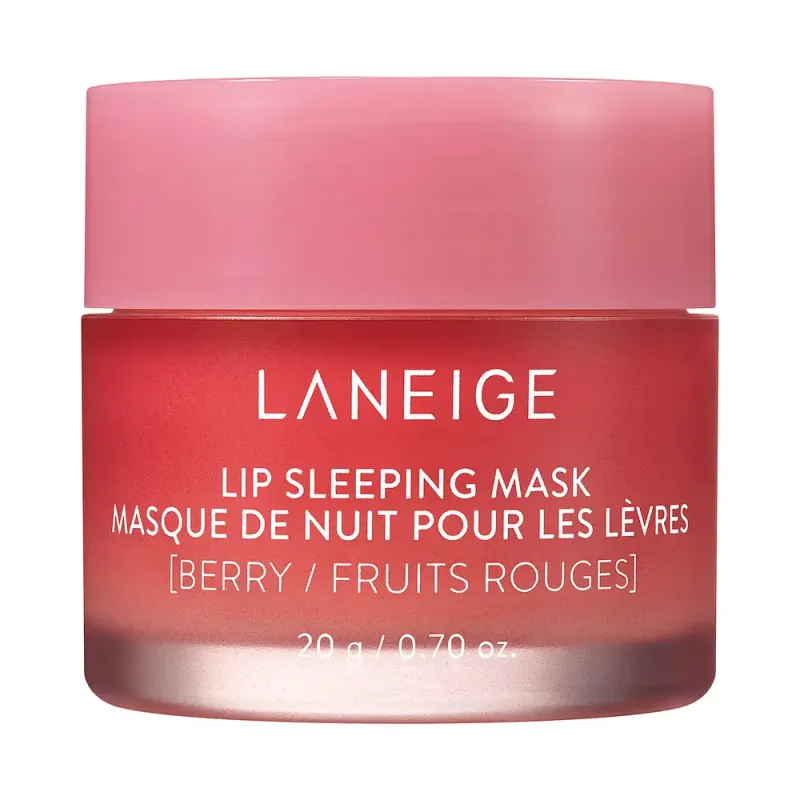
Laneige Lip Sleeping Mask by Laneige
Laneige

Laneige Lip Sleeping Mask

Lip Masksmasks

Safety score

Pregnancy-focused assessment

Medium Risk58/100
Higher concernLower concern

This formula contains an ingredient that needs extra caution in MamaSkin's pregnancy-focused assessment.

Ingredient safety review updated 15 February 2026.

Check the current formula in MamaSkin

Copy the product name, download MamaSkin and search it for free. You can also scan the ingredient label on the product you own.

Download MamaSkin on the App StoreGet MamaSkin on Google Play

Ingredient breakdown

See how the listed formula falls across MamaSkin's pregnancy-focused risk bands.

31

No known risks

2

Low risk

1

Medium risk

0

High risk

Ingredients

Ingredients with a higher risk flag appear first, followed by the rest of the formula.

BHT

Medium Risk

BHT (butylated hydroxytoluene) is a lipophilic antioxidant used to protect oils from oxidation. Animal studies at high (primarily oral) doses show liver enzyme induction and related biochemical changes; endocrine-screening lines of evidence have also been evaluated in regulatory reviews. Pregnancy-specific human outcome data for topical cosmetic exposure are limited; the key signal is systemic toxicology at higher exposures and uncertainty for pregnancy-specific outcomes.

Sources: EU SCCS Opinion on BHT (SCCS/1636/21; sccs_o_257.pdf, 2021); CIR: Safety Assessment of BHT as used in cosmetics.

Parfum

Low Risk

Umbrella term for an undisclosed fragrance blend. It’s not usually a pregnancy-specific concern at normal cosmetic use levels, but the exact components and concentrations aren’t fully disclosed on the label, so we score it more conservatively. If you prefer maximum transparency (or you’re sensitive to fragrance compounds), choose fragrance-free/unscented products.

Sources: EU/UK cosmetics (fragrance allergen labelling); IFRA

Methicone

Low Risk

A high-molecular-weight silicone polymer used for skin conditioning, water resistance and surface treatment. Cosmetic safety reviewers concluded that methicone-family polymers are safe in current cosmetic use when formulated to be non-irritating, but found insufficient evidence for airbrush inhalation exposure. MamaSkin therefore classifies it as low risk rather than a pregnancy-specific contraindication.

Sources: CIR: Safety Assessment of Dimethicone Methicone and Substituted-Methicone Polymers (Final Report 2022) https://cir-safety.org/supplementaldoc/safety-assessment-dimethicone-methicone-and-substituted-methicone-polymers-used-cosm

Show all (34)

Diisostearyl Malate

No Known Risks

Emollient ester commonly used in lip, makeup and skin-care formulas for cushion and gloss. Reviewed cosmetic ingredient references do not identify a pregnancy- or breastfeeding-specific concern for normal topical cosmetic use.

Sources: CIR cosmetic ingredient safety references for alkyl esters/malates; EU CosIng / cosmetics regulatory inventory

Hydrogenated Polyisobutene

No Known Risks

Inert synthetic emollient used as a glossing and occlusive agent. Reviewed cosmetic safety sources support normal topical use, with no pregnancy- or breastfeeding-specific topical signal identified in the material reviewed.

Sources: CIR: Safety Assessment of Polyene Group as Used in Cosmetics; EU CosIng / cosmetics regulatory inventory

Phytosteryl/Isostearyl/Cetyl/Stearyl/Behenyl Dimer Dilinoleate

No Known Risks

Hydrogenated Poly(C6-14 Olefin)

No Known Risks

A large hydrogenated hydrocarbon polymer used as an emollient and texture agent. Cosmetic safety reviewers assessed hydrogenated poly(C6-14 olefin) with cosmetic polyenes and concluded that the group is safe in current practices of use and concentration. Dermal absorption is expected to be limited by molecular size.

Sources: CIR: Safety Assessment of Polyene Group as Used in Cosmetics https://journals.sagepub.com/doi/10.1177/1091581820952385

Polybutene

No Known Risks

A large, mostly insoluble polymer used as a binder, film former and texture ingredient. Cosmetic safety reviewers reaffirmed polybutene as safe in current cosmetic use, and a multigeneration reproductive study did not identify adverse effects. Normal topical exposure is not expected to create a pregnancy- or breastfeeding-specific concern.

Sources: CIR: Final Report on Polyisobutene and Hydrogenated Polyisobutene https://www.cir-safety.org/sites/default/files/polyene.pdf; CIR ingredient record: Polybutene https://cir-safety.org/ingredient/polybutene

Microcrystalline Wax

No Known Risks

Highly refined mineral wax used to thicken and stabilise formulas. Cosmetic-grade microcrystalline wax has minimal skin absorption and no known pregnancy-specific concerns in topical use as intended. Concerns raised online typically relate to unrefined mineral oil impurities or dietary exposure, not cosmetic-grade topical use.

Sources: Cosmetic Ingredient Review (CIR) ingredient dossier for Microcrystalline Wax + CIR wax safety assessment materials. ; Petry et al. (2017) dermal penetration review (includes mineral oils/waxes). ; BfR, Highly refined mineral oils in cosmetics (context on refined mineral oil fractions/waxes in cosmetics) (2018).

Butyrospermum Parkii Butter

No Known Risks

Butyrospermum parkii (shea) butter is an emollient/occlusive that supports the skin barrier; topical use is considered low concern with no known pregnancy or breastfeeding risks.

Sources: CIR; EU/UK Cosmetics Regulation

Synthetic Wax

No Known Risks

Inert wax/structuring ingredient used to add body, stability and texture to cosmetics. Normal topical use is expected to have low systemic exposure, with no pregnancy- or breastfeeding-specific concern identified in reviewed cosmetic references.

Sources: CIR cosmetic ingredient safety references for waxes/structuring agents; EU CosIng / cosmetics regulatory inventory

Ethylene/Propylene/Styrene Copolymer

No Known Risks

A high-molecular-weight hydrocarbon copolymer used for film formation, texture and viscosity. Cosmetic safety reviewers concluded that these named ethylene/propylene copolymers are safe in current practices. Absorption of the intact polymers is expected to be limited.

Sources: CIR: Ethylene/Propylene/Styrene Copolymer final assessment, September 2014; Ethylene/Propylene Copolymer, IJT 39(Suppl. 2), 2020; December 2025 Quick Reference Table https://cir-safety.org/sites/default/files/QRT-Update-Dec2025.pdf

Sucrose Tetrastearate Triacetate

No Known Risks

Mica

No Known Risks

Mineral platelet used to add shimmer and improve texture in makeup and skincare. Very low dermal absorption in typical topical use and generally considered acceptable in pregnancy and breastfeeding. If you prefer a cautious approach, avoid inhaling loose powders or sprays.

Sources: General cosmetic ingredient safety references for inert minerals/pigments; exposure route considerations for powders/sprays.

Euphorbia Cerifera Wax

No Known Risks

This wax is used as an emollient and structuring ingredient. Cosmetic Ingredient Review assessments support current cosmetic use, with no pregnancy- or breastfeeding-specific concern identified; uncommon contact allergy can occur, particularly with natural wax components.

Sources: CIR: Safety Assessment of Beeswax Carnauba Wax and Candelilla Wax https://www.cir-safety.org/sites/default/files/RR_Waxes.pdf

Candelilla Wax Esters

No Known Risks

Astrocaryum Murumuru Seed Butter

No Known Risks

A plant-derived fatty oil or butter used mainly as an emollient, conditioning ingredient or texture agent. Cosmetic safety reviewers concluded that the assessed plant-derived fatty acid oils are safe in current practices of use and concentration. This conclusion applies to cosmetic-grade fixed oils rather than similarly named volatile essential oils. Seed or food allergy may still matter for a susceptible person.

Sources: CIR: Safety Assessment of Plant-Derived Fatty Acid Oils as Used in Cosmetics https://cir-reports.cir-safety.org/view-attachment/?id=ad62ac6b-8e74-ec11-8943-0022482f06a6

CI 77891

No Known Risks

Colour Index name for titanium dioxide. Used as a pigment and (in some products) a mineral UV filter. For typical topical use in creams, lotions and makeup, systemic absorption is expected to be very low. Most concerns discussed in the literature relate to ingestion (E171) or inhalation from fine powders/sprays, and to nanoparticle characterisation. For routine topical cosmetic use, it is generally considered acceptable in pregnancy and breastfeeding; if you prefer a cautious approach, avoid inhaling loose powders or sprays.

Sources: EFSA opinion on titanium dioxide (E171) ingestion context; SCCS cosmetic opinions (incl. inhalation/nano considerations); general dermatology guidance on mineral sunscreens in pregnancy.

Glyceryl Caprylate

No Known Risks

Emollient, co-emulsifier and preservative-support ingredient used in topical cosmetics. Reviewed cosmetic ingredient references do not identify a pregnancy- or breastfeeding-specific concern for normal topical use.

Sources: CIR: Safety Assessment of Monoglyceryl Monoesters as Used in Cosmetics; EU CosIng / cosmetics regulatory inventory

Polyglyceryl-2 Diisostearate

No Known Risks

Butylene/Ethylene/Styrene Copolymer

No Known Risks

Copernicia Cerifera Wax

No Known Risks

This wax is used as an emollient and structuring ingredient. Cosmetic Ingredient Review assessments support current cosmetic use, with no pregnancy- or breastfeeding-specific concern identified; uncommon contact allergy can occur, particularly with natural wax components.

Sources: CIR: Safety Assessment of Beeswax Carnauba Wax and Candelilla Wax https://www.cir-safety.org/sites/default/files/RR_Waxes.pdf

Polyglyceryl-2 Triisostearate

No Known Risks

An ester of diglycerin and isostearic acid used as an emollient and emulsifier. Cosmetic safety reviewers assessed polyglyceryl fatty acid esters, including this ingredient, as safe in current cosmetic use when formulated to be non-irritating. No pregnancy-specific concern is identified for normal topical exposure.

Sources: CIR: Safety Assessment of Polyglyceryl Fatty Acid Esters https://www.cir-safety.org/sites/default/files/PGlyFE092016FR.pdf

Cocos Nucifera Oil

No Known Risks

Coconut-derived emollient oil used to soften skin and support barrier feel. Normal topical cosmetic use has no known pregnancy- or breastfeeding-specific concern; very acne-prone or coconut-allergic users may prefer to avoid it for personal tolerance reasons.

Sources: CIR: Safety Assessment of Plant-Derived Fatty Acid Oils as Used in Cosmetics; EU CosIng / cosmetics regulatory inventory

CI 15985

No Known Risks

Also known as FD&C Yellow No. 6 or Sunset Yellow FCF, this certified colour additive is used in cosmetics and other regulated products. FDA permanently lists it for cosmetic use when identity, purity, certification and applicable use requirements are met. It is not authorised for every route or product area. No pregnancy-specific concern is identified for normal use in a compliant finished cosmetic.

Sources: FDA: Regulatory Status of FD&C Yellow No. 6 / C.I. 15985 https://www.hfpappexternal.fda.gov/scripts/fdcc/index.cfm?id=FDCYellow6&set=ColorAdditives; FDA: Color Additives and Cosmetics Fact Sheet https://www.fda.gov/industry/color-additives/color-additives-and-cosmetics-fact-sheet

Pentaerythrityl Tetra-Di-T-Butyl Hydroxyhydrocinnamate

No Known Risks

Antioxidant and stabilizer used to protect cosmetic formulas from oxidation. Reviewed cosmetic ingredient references do not identify a pregnancy- or breastfeeding-specific concern for normal topical cosmetic use.

Sources: CIR cosmetic ingredient safety references for hindered phenolic antioxidants; EU CosIng / cosmetics regulatory inventory

CI 15850

No Known Risks

A Colour Index designation associated with certified D&C Red No. 6 and closely related Red No. 7 colour forms used in cosmetics. FDA permits these colours for specified cosmetic uses when identity, purity, batch-certification and use restrictions are met; they are not approved for every route or product area. No pregnancy-specific concern is identified for normal use in a compliant finished cosmetic.

Sources: FDA: Regulatory Status of D&C Red No. 6 / C.I. 15850 https://www.hfpappexternal.fda.gov/scripts/fdcc/index.cfm?id=DCRed6&set=ColorAdditives; FDA: Color Additives Permitted for Use in Cosmetics https://www.fda.gov/cosmetics/cosmetic-ingredient-names/color-additives-permitted-use-cosmetics

Ascorbic Acid

No Known Risks

Vitamin C antioxidant used to support brightness and photoprotection; functions as an antioxidant/pH adjuster in cosmetic formulas. No pregnancy-specific contraindications are identified for topical cosmetic use.

Sources: CIR (Ascorbic Acid); PubMed (NLM)

Water

No Known Risks

Glycerin

No Known Risks

Glycerin is a widely used humectant that supports hydration and the skin barrier, with a long safety record and no known pregnancy or breastfeeding concerns in topical cosmetic use.

Sources: CIR; EU/UK Cosmetics Regulation

Propanediol

No Known Risks

Solvent and humectant used to improve texture and ingredient solubility. Low systemic exposure expected from topical cosmetic use.

Sources: Cosmetic Ingredient Review (US); Scientific Committee on Consumer Safety (EU)

Punica Granatum Fruit Juice

No Known Risks

Rubus Idaeus Juice

No Known Risks

Vitis Vinifera Juice

No Known Risks

Formulations can change without notice. For the most accurate result, compare this list with your packaging and scan the exact ingredient label in MamaSkin when you repurchase.

How to use this assessment

The risk band is the primary conclusion. The score adds detail within that band and should not be used to compare products as if a one-point difference were clinically meaningful.

MamaSkin provides pregnancy-focused information, not medical advice. Your midwife, GP, pharmacist or dermatologist should take priority when your circumstances differ from typical cosmetic use.

Read the full methodology