Kérastase
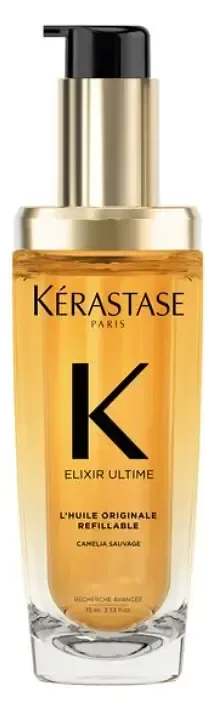
Kérastase Elixir Ultime L'Huile Original Hair Oil
Low risk75/100

Hair Oils
Some ingredients carry a low-risk flag. Read the formulation context before deciding.
21 of 21 ingredients rated
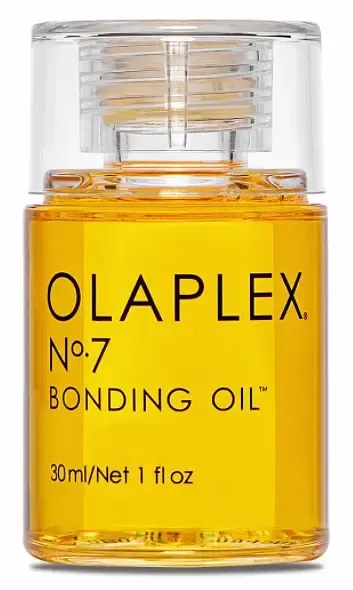
MamaSkin rates the recorded formula for Olaplex No.7 Bonding Oil as Low risk (75/100). Review the ingredient context and any manual-review explanation before deciding.
Manual formula review 2026-09-14: updated to the current official Olaplex 21-ingredient formula. Ethylhexyl Methoxycinnamate (Octinoxate), present in the previous catalogue formula, is not listed in the current manufacturer formula. The risk band and score were recalculated from the current formula. Source: https://olaplex.com/collections/travel-sizes/products/olaplex-n-7-bonding-oil-30ml
21 of 21 ingredient entries on this page have a recorded score, evidence summary and source text. That describes documentation coverage, not proof that the finished formula has been clinically tested during pregnancy.
How we assess productsThe recorded formula, with evidence behind each rating. Unmatched ingredients are marked Not assessed in grey.
An exact label variant for an undisclosed fragrance blend. Fragrance is not usually a pregnancy-specific concern at normal cosmetic levels, but the precise components and concentrations are not fully disclosed, so MamaSkin scores the umbrella term conservatively. People sensitive to fragrance may prefer fragrance-free products.
Sources: European Commission: Fragrance allergens labelling https://single-market-economy.ec.europa.eu/sectors/cosmetics/cosmetic-products-specific-topics/fragrance-allergens-labelling_en; IFRA Standards
Dimethicone is a silicone polymer used as a skin protectant and slip/conditioning agent. It is considered inert with minimal dermal absorption; the main practical issues are cosmetic (feel) and occasional irritation in very sensitive users. It is not a pregnancy-specific concern in topical cosmetic use.
Sources: CIR: Amended Safety Assessment of Dimethicone, Methicone, and Substituted-Methicone Polymers as Used in Cosmetics https://cir-safety.org/supplementaldoc/amended-safety-assessment-dimethicone-methicone-and-substituted-methicone-polymers-2
Low-viscosity isoparaffin emollient used for slip and lightweight texture. Reviewed cosmetic safety sources support normal topical use, with no pregnancy- or breastfeeding-specific topical signal identified in the material reviewed.
Sources: CIR: Safety Assessment of Isoparaffins as Used in Cosmetics / CIR Quick Reference Table (Isohexadecane); EU CosIng / cosmetics regulatory inventory
A branched hydrocarbon emollient corresponding to the C13/C14 isoparaffin composition assessed by CIR. Ordinary topical use has low expected systemic exposure and no identified pregnancy-specific concern. Avoid ingestion or deliberate inhalation; concentrated solvents may irritate skin.
Sources: https://journals.sagepub.com/doi/pdf/10.1177/1091581812463087
A coconut-fatty-alcohol and caprylic-acid ester used as a lightweight emollient. Cosmetic safety reviewers included coco-caprylate in the alkyl ester group and concluded that the group is safe in current practices when formulated to be non-irritating. No pregnancy-specific concern was identified for normal topical use.
Sources: CIR: Safety Assessment of Alkyl Esters as Used in Cosmetics https://cir-reports.cir-safety.org/view-attachment/?id=b34bc38f-8e74-ec11-8943-0022482f06a6
Silicone emollient used to improve slip, gloss, and water resistance. Reviewed cosmetic safety sources support normal topical use, with no pregnancy- or breastfeeding-specific topical signal identified in the material reviewed.
Sources: CIR: Safety Assessment of Phenyl-Substituted Methicones as Used in Cosmetics; EU CosIng / cosmetics regulatory inventory
A hair-conditioning salt assessed for ordinary finished haircare. Australia's2022 evaluation identified no public risk requiring further management for the evaluated consumer use. Direct pregnancy studies are lacking. An earlier laboratory chromosome-damage test was inconclusive or positive under some conditions; the later evaluation considered it not genotoxic without detailing a new assay. Skin allergy remains a raw-material concern, although updated human tests found no sensitisation at evaluated formulation strengths. This assessment excludes concentrated professional stock, inhaled sprays and high-dose damaged-skin use.
Sources: https://cdnservices.industrialchemicals.gov.au/statements/STD_1684%20-%20New%20Chemical%20Assessment%20-%2016%20June%202020.pdf, https://www.industrialchemicals.gov.au/sites/default/files/2022-03/EVA00047%20-%20Evaluation%20statement%20-%2028%20February%202022%20%5B532%20KB%5D.pdf
Solvent and humectant used to improve texture and ingredient solubility. Low systemic exposure expected from topical cosmetic use.
Sources: Cosmetic Ingredient Review (US); Scientific Committee on Consumer Safety (EU)
Zea Mays (Corn) Oil: A plant-derived fixed fatty oil assessed for cosmetic emollient use, not a volatile essential oil or whole-plant extract. Refining, oxidation control, source allergy and possible residual allergenic proteins remain relevant. This assessment does not establish safety of ingestion or medicinal doses. No pregnancy-specific harm has been identified for ordinary topical cosmetic use; direct human pregnancy data are limited.
Sources: https://pubmed.ncbi.nlm.nih.gov/29243540/,https://cir-reports.cir-safety.org/view-attachment/?id=ad62ac6b-8e74-ec11-8943-0022482f06a6,https://www.cir-safety.org/sites/default/files/QRT-Update-Dec2025.pdf
A colour additive used in cosmetics. FDA lists caramel and beta-carotene as permitted cosmetic colour additives, including for eye-area and general cosmetic use, subject to applicable identity, purity and manufacturing requirements. No pregnancy-specific concern was identified from normal topical cosmetic exposure.
Sources: FDA: Color Additives Permitted for Use in Cosmetics https://www.fda.gov/cosmetics/cosmetic-ingredient-names/color-additives-permitted-use-cosmetics; 21 CFR Part 73.
A plant-derived fatty oil or butter used mainly as an emollient, conditioning ingredient or texture agent. Cosmetic safety reviewers concluded that the assessed plant-derived fatty acid oils are safe in current practices of use and concentration. This conclusion applies to cosmetic-grade fixed oils rather than similarly named volatile essential oils. Seed or food allergy may still matter for a susceptible person.
Sources: CIR: Safety Assessment of Plant-Derived Fatty Acid Oils as Used in Cosmetics https://cir-reports.cir-safety.org/view-attachment/?id=ad62ac6b-8e74-ec11-8943-0022482f06a6
Purified water, distilled water and Aqua are names or grades of water used as a cosmetic solvent. No pregnancy-specific risk is identified from ordinary topical use. This identity does not include rose water, herbal distillates or other botanical waters, which have their own constituents and assessments.
morinda citrifolia fruit extract is a botanical-derived cosmetic conditioning ingredient. The reviewed identity is not an essential oil or an oral herbal preparation. Available cosmetic evidence and expected topical exposure did not identify a pregnancy-specific contraindication, although botanical irritation or allergy remains possible.
Sources: CIR ingredient-specific and botanical-family safety assessments; CIR Quick Reference Table https://cir-safety.org/sites/default/files/QRT-Update-Dec2025.pdf; European Commission CosIng
Vitamin E antioxidant used to protect oils and support the skin barrier. Not associated with pregnancy-specific concerns at cosmetic exposure.
Sources: Cosmetic Ingredient Review (US); Scientific Committee on Consumer Safety (EU)
A filtered cosmetic preparation derived from fermented tea seed oil, not green-tea leaf extract or an essential oil. No pregnancy-specific harm is identified for ordinary finished topical use. This assessment draws on its fixed-oil and fatty-acid composition; direct studies of this exact preparation in pregnancy are lacking. It does not cover oral supplements, concentrated raw material or medicinal use.
Sources: https://kcia.or.kr/cid/search/ingd_view.php?no=22536, https://oqema.com/group/en/labio, https://cir-safety.org/sites/default/files/QRT-Update-Dec2025.pdf
A lemon-scented mixture of the aldehydes geranial and neral used in fragrance. Citral is a recognised skin sensitiser, but current cosmetic concerns relate to allergy and concentration rather than a pregnancy-specific hazard from normal topical use.
Sources: European Commission: Fragrance allergens labelling https://single-market-economy.ec.europa.eu/sectors/cosmetics/cosmetic-products-specific-topics/fragrance-allergens-labelling_en; SCCS fragrance-allergen opinions
Linalool is a common fragrance component used at low levels in cosmetics; it is not a pregnancy-specific concern in topical use, but it is a recognised fragrance allergen and may trigger irritation or sensitisation in some people, especially if the product oxidises over time.
Sources: EU/UK cosmetics (fragrance allergen labelling); IFRA; toxicology reviews
Limonene is a common fragrance component used at low levels in cosmetics; it is not a pregnancy-specific concern in topical use, but it is a recognised fragrance allergen and may trigger irritation or sensitisation in some people, especially if the product oxidises over time.
Sources: EU/UK cosmetics (fragrance allergen labelling); IFRA; toxicology reviews
A rose-like fragrance ingredient that occurs naturally in many essential oils and may also be manufactured. Its main cosmetic concern is contact allergy in susceptible users; no pregnancy-specific hazard is identified for normal topical cosmetic exposure.
Sources: European Commission: Fragrance allergens labelling https://single-market-economy.ec.europa.eu/sectors/cosmetics/cosmetic-products-specific-topics/fragrance-allergens-labelling_en; SCCS fragrance-allergen opinions
A synthetic floral fragrance ingredient. Its main consumer-relevant concern is skin sensitisation in susceptible users; no pregnancy-specific hazard is identified for normal topical cosmetic exposure.
Sources: European Commission: Fragrance allergens labelling https://single-market-economy.ec.europa.eu/sectors/cosmetics/cosmetic-products-specific-topics/fragrance-allergens-labelling_en; SCCS fragrance-allergen opinions
Dimethicone, Isohexadecane, C13-14 Isoalkane, Coco-Caprylate, Phenyl Trimethicone, Bis-Aminopropyl Diglycol Dimaleate, Propanediol, Zea Mays (Corn) Oil, Beta-Carotene, Helianthus Annuus (Sunflower) Seed Oil, Punica Granatum Seed Oil, Water/Aqua/Eau, Morinda Citrifolia Fruit Extract, Tocopherol, Pseudozyma Epicola/Camellia Sinensis Seed Oil Ferment Extract Filtrate, Fragrance (Parfum), Citral, Linalool, Limonene, Citronellol, Hexyl Cinnamal
Ingredient ratings refreshed 15 October 2026. Formulas vary by market and can change. Always compare with your packaging.
Manual formula review 2026-09-14: updated to the current official Olaplex 21-ingredient formula. Ethylhexyl Methoxycinnamate (Octinoxate), present in the previous catalogue formula, is not listed in the current manufacturer formula. The risk band and score were recalculated from the current formula. Source: https://olaplex.com/collections/travel-sizes/products/olaplex-n-7-bonding-oil-30ml The product score is a stored assessment, not a clinical safety guarantee.
21 of 21 ingredient entries on this page have a recorded score, evidence summary and source text. That describes documentation coverage, not proof that the finished formula has been clinically tested during pregnancy.
Only if the ingredient list on your packaging matches the recorded formula shown here. Formulas can differ by market and change over time. Compare the full list, not just the product name; report a mismatch if it differs.
No. This page presents a pregnancy-focused product assessment. Do not infer a breastfeeding conclusion from its score or label; breastfeeding requires a separate assessment of the formula and how it is used.