Paula's Choice
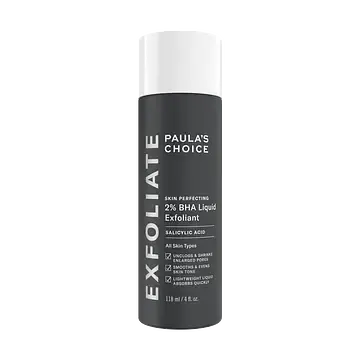
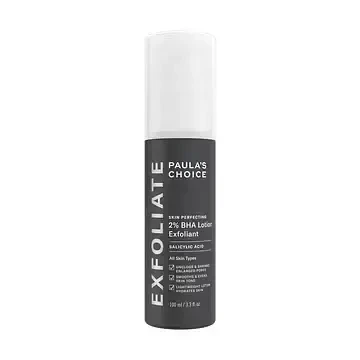
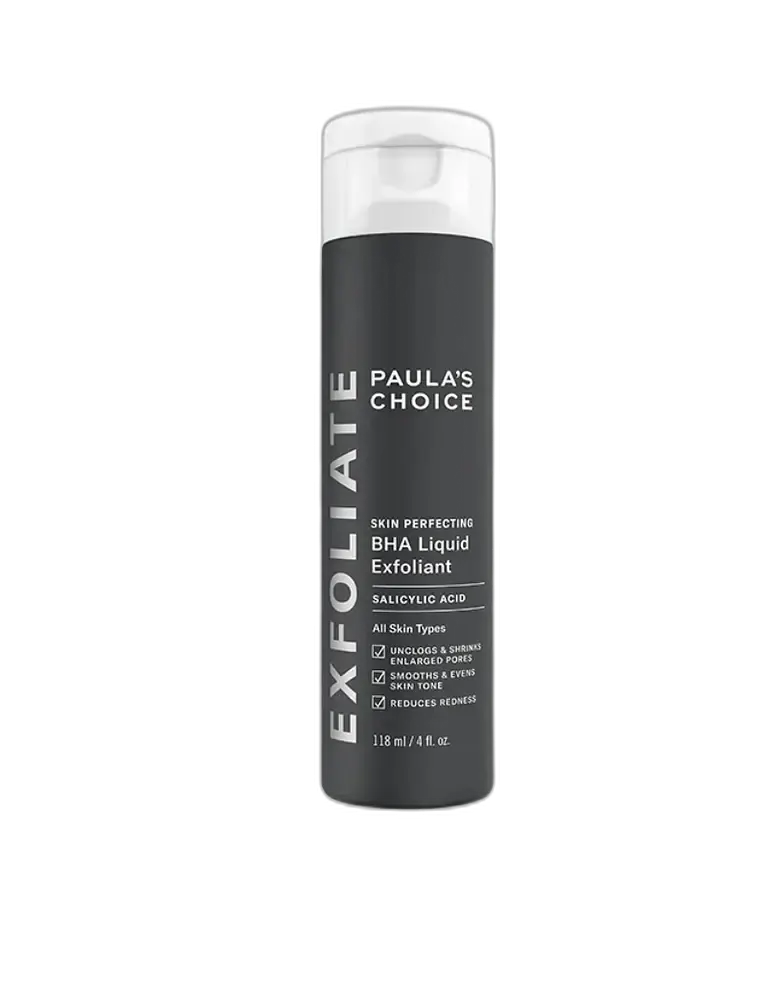
Paula's Choice 0.5% BHA Liquid Exfoliant
Low risk79/100
Facial Treatments
Some ingredients carry a low-risk flag. Read the formulation context before deciding.
21 of 21 ingredients rated
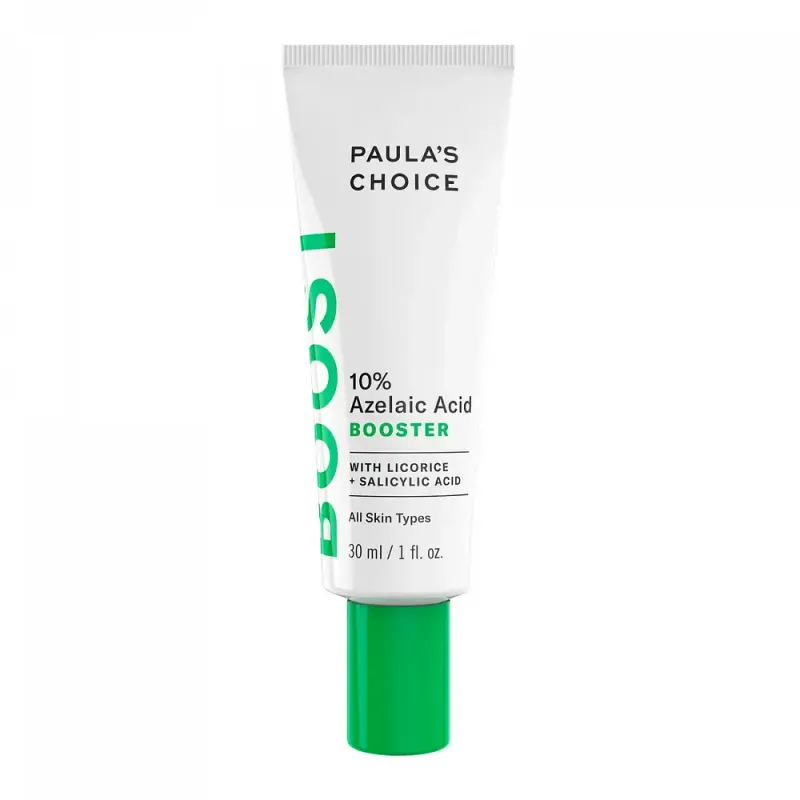
MamaSkin rates the recorded formula for Paula's Choice 10% Azelaic Acid Booster as Low risk (71/100). Review the ingredient context and any manual-review explanation before deciding.
The recorded formula includes 5 ingredient entries with risk flags: Azelaic Acid (Low risk), Dimethicone (Low risk), Salicylic Acid (Low risk), plus others listed in the breakdown. These are ingredient-level flags; they do not replace the stored product assessment or account for every formulation detail.
21 of 21 ingredient entries on this page have a recorded score, evidence summary and source text. That describes documentation coverage, not proof that the finished formula has been clinically tested during pregnancy.
How we assess productsThe recorded formula, with evidence behind each rating. Unmatched ingredients are marked Not assessed in grey.
Phenoxyethanol is a preservative permitted in EU cosmetics up to 1.0%. The SCCS concluded it is safe for cosmetic use at that level, including when considering higher cosmetic exposure scenarios in infants and young children. Main practical concern is irritation/stinging on very sensitive or compromised skin rather than a pregnancy- or breastfeeding-specific risk.
Sources: SCCS/1575/16: Phenoxyethanol opinion https://health.ec.europa.eu/publications/phenoxyethanol_en
Azelaic acid is used topically for acne and pigmentation. MotherToBaby reports that ACOG lists OTC azelaic acid among ingredients that can be used during pregnancy if needed. Product information for 20% azelaic acid states that adequate controlled pregnancy studies are lacking, reports reassuring animal data and estimates about 3.6% absorption after a single topical dose. MamaSkin retains Low Risk while avoiding a categorical “pregnancy-safe” claim.
Sources: MotherToBaby: Topical Acne Treatments https://www.ncbi.nlm.nih.gov/books/NBK582985/, Skinoren 20% cream product information https://www.medicines.org.uk/emc/product/285/smpc
Dimethicone is a silicone polymer used as a skin protectant and slip/conditioning agent. It is considered inert with minimal dermal absorption; the main practical issues are cosmetic (feel) and occasional irritation in very sensitive users. It is not a pregnancy-specific concern in topical cosmetic use.
Sources: CIR: Amended Safety Assessment of Dimethicone, Methicone, and Substituted-Methicone Polymers as Used in Cosmetics https://cir-safety.org/supplementaldoc/amended-safety-assessment-dimethicone-methicone-and-substituted-methicone-polymers-2
Salicylic acid is a beta-hydroxy acid (BHA) used for acne, exfoliation and preservation. Common over-the-counter acne strengths are 0.5-2%, including 0.5%, 1% and 2%; the FDA lists this acne-treatment range. Pregnancy guidance distinguishes these topical products from oral salicylates and strong peels. MotherToBaby reports that ACOG allows over-the-counter topical salicylic acid during pregnancy when needed. Only a small amount of topical acne treatment usually reaches the bloodstream through intact skin; exposure can increase with damaged skin, frequent use or treatment of large areas. Direct salicylic-acid-specific pregnancy data remain limited. MamaSkin's Low Risk rating is a dose-and-use precaution, not evidence that ordinary low-strength skincare causes fetal harm or a recommendation to avoid every BHA product. Use as directed on limited areas of intact skin. Discuss strengths above 2%, chemical peels, wart/corn removers, large-area treatment or use under occlusion with your clinician before use during pregnancy. The American Academy of Dermatology specifically advises discussing and limiting higher-strength salicylic acid above 2%. Percentage alone does not establish safety: formulation, area, frequency and skin condition also matter. General cosmetic-use limits are not pregnancy-specific safety thresholds.
Sources: https://mothertobaby.org/fact-sheets/topical-acne-treatments-pregnancy/; https://www.aad.org/public/everyday-care/skin-care-secrets/routine/pregnancy-skin-care; https://www.accessdata.fda.gov/drugsatfda_docs/omuf/monographs/OTC%20Monograph_M006-Topical%20Acne%20drug%20products%20for%20OTC%20Human%20Use%2011.23.2021.pdf; https://health.ec.europa.eu/publications/salicylic-acid-cas-no-69-72-7-ec-no-200-712-3_en; https://www.ncbi.nlm.nih.gov/books/NBK500675/
Pregnancy concerns around licorice are based mainly on high oral glycyrrhizin intake, which has been linked to shorter gestation and cortisol-related effects in offspring; by contrast, licorice root extracts have been assessed as safe as used in cosmetics, so routine topical skincare exposure fits a cautious low-risk classification.
Sources: CIR: Cosmetic safety assessment covering Glycyrrhiza glabra-derived ingredients https://cir-reports.cir-safety.org/view-attachment/?id=49a63435-8e74-ec11-8943-0022482f06a6
Water (Aqua) is the standard purified water used as a cosmetic solvent. It has no pregnancy-specific risk in normal topical use.
Sources: https://pubchem.ncbi.nlm.nih.gov/compound/Water, https://single-market-economy.ec.europa.eu/sectors/cosmetics/cosmetic-ingredient-database/cosing-glossary-ingredients_en
Alkyl benzoate emollient used in cosmetics; available cosmetic safety assessments do not indicate pregnancy-specific concerns with routine topical use.
Sources: CIR Safety Assessment of Alkyl Benzoates (2012); CIR alkyl benzoates dossier / C12-15 alkyl benzoate data.
Common emollient derived from fatty acids and glycerin. Used to soften skin and improve texture without pregnancy-specific concerns.
Sources: Cosmetic Ingredient Review (US); Scientific Committee on Consumer Safety (EU)
A glucose-derived emulsifier or emollient. Cosmetic safety reviewers concluded that the assessed methyl glucose ethers and esters are safe in current practices of use and concentration.
Sources: CIR: Methyl Glucose Ethers and Esters conclusion, IJT 35(Suppl. 2), 2016; December 2025 Quick Reference Table https://cir-safety.org/sites/default/files/QRT-Update-Dec2025.pdf
Glycerin is a widely used humectant that supports hydration and the skin barrier, with a long safety record and no known pregnancy or breastfeeding concerns in topical cosmetic use.
Sources: CIR; EU/UK Cosmetics Regulation
Fatty alcohol used as an emollient and thickener. Not the same as drying alcohols and not associated with pregnancy-specific concerns.
Sources: Cosmetic Ingredient Review (US); Scientific Committee on Consumer Safety (EU)
Emulsifier and emollient used to stabilise creams and lotions. Not associated with pregnancy-specific concerns at cosmetic exposure.
Sources: Cosmetic Ingredient Review (US); Scientific Committee on Consumer Safety (EU)
Skin-conditioning ingredient commonly used in leave-on skincare. Reviewed cosmetic safety sources support normal topical use, with no pregnancy- or breastfeeding-specific topical signal identified in the material reviewed.
Sources: CIR: Safety Assessment of Adenosine Ingredients as Used in Cosmetics; EU CosIng / cosmetics regulatory inventory
No pregnancy-specific harm has been identified for ordinary, correctly formulated topical cosmetic use of boerhavia diffusa root extract. This is a bounded botanical/extract assessment; direct pregnancy studies of the exact material are limited and oral, medicinal, damaged-skin or aerosol exposure is not included.
Allantoin is a soothing skin protectant commonly used to help reduce irritation and support comfort, with no known pregnancy or breastfeeding concerns in topical cosmetic use.
Sources: CIR; EU/UK Cosmetics Regulation
A terpene alcohol used for skin conditioning and soothing. Cosmetic safety reviewers reaffirmed bisabolol as safe at current cosmetic concentrations, and reproductive and developmental testing did not identify adverse effects. Bisabolol can increase skin penetration, so formulators should consider the safety of other ingredients in the same product.
Sources: CIR: Final Report on the Safety Assessment of Bisabolol https://cir-reports.cir-safety.org/view-attachment/?id=6fcf160b-8e74-ec11-8943-0022482f06a6; CIR re-review material https://www.cir-safety.org/sites/default/files/bisabolol.pdf
Silicone emollient and solvent used to improve slip and spreadability. No known pregnancy- or breastfeeding-specific concern in normal topical cosmetic use based on reviewed cosmetic safety sources. Spray or aerosol formats may warrant extra caution because inhalation/local lung exposure concerns have been raised for those uses.
Sources: SCCS: Cyclopentasiloxane (D5) in cosmetic products; EU CosIng / cosmetics regulatory inventory
Natural polysaccharide thickener used for stability and texture. Not associated with pregnancy-specific concerns.
Sources: European cosmetics regulatory framework
Microbial polysaccharide thickener used to build viscosity and form a soft film on skin. Reviewed cosmetic safety sources support normal topical use, with no pregnancy- or breastfeeding-specific topical signal identified in the material reviewed.
Sources: CIR: Safety Assessment of Microbial Polysaccharide Gums as Used in Cosmetics; EU CosIng / cosmetics regulatory inventory
Solvent and humectant used to improve texture and ingredient solubility. Low systemic exposure expected from topical cosmetic use.
Sources: Cosmetic Ingredient Review (US); Scientific Committee on Consumer Safety (EU)
Solvent and humectant commonly used in leave-on products. Not associated with pregnancy-specific concerns at cosmetic exposure levels.
Sources: Cosmetic Ingredient Review (US); Scientific Committee on Consumer Safety (EU)
Water, Azelaic Acid, C12-15 Alkyl Benzoate, Caprylic/Capric Triglyceride, Methyl Glucose Sesquistearate, Glycerin, Cetearyl Alcohol, Glyceryl Stearate, Dimethicone, Salicylic Acid, Adenosine, Glycyrrhiza Glabra Root Extract, Boerhavia Diffusa Root Extract, Allantoin, Bisabolol, Cyclopentasiloxane, Xanthan Gum, Sclerotium Gum, Propanediol, Butylene Glycol, Phenoxyethanol
Ingredient ratings refreshed 1 October 2026. Formulas vary by market and can change. Always compare with your packaging.
The recorded formula includes 5 ingredient entries with risk flags: Azelaic Acid (Low risk), Dimethicone (Low risk), Salicylic Acid (Low risk), plus others listed in the breakdown. These are ingredient-level flags; they do not replace the stored product assessment or account for every formulation detail. The product score is a stored assessment, not a clinical safety guarantee.
No. The recorded formula includes both Azelaic Acid and Salicylic Acid. Check both ingredient entries and the rest of the formula; an assessment of azelaic acid alone does not establish the suitability of this finished product. The product score remains MamaSkin's stored assessment, including any manual-review explanation.
21 of 21 ingredient entries on this page have a recorded score, evidence summary and source text. That describes documentation coverage, not proof that the finished formula has been clinically tested during pregnancy.
Only if the ingredient list on your packaging matches the recorded formula shown here. Formulas can differ by market and change over time. Compare the full list, not just the product name; report a mismatch if it differs.
No. This page presents a pregnancy-focused product assessment. Do not infer a breastfeeding conclusion from its score or label; breastfeeding requires a separate assessment of the formula and how it is used.