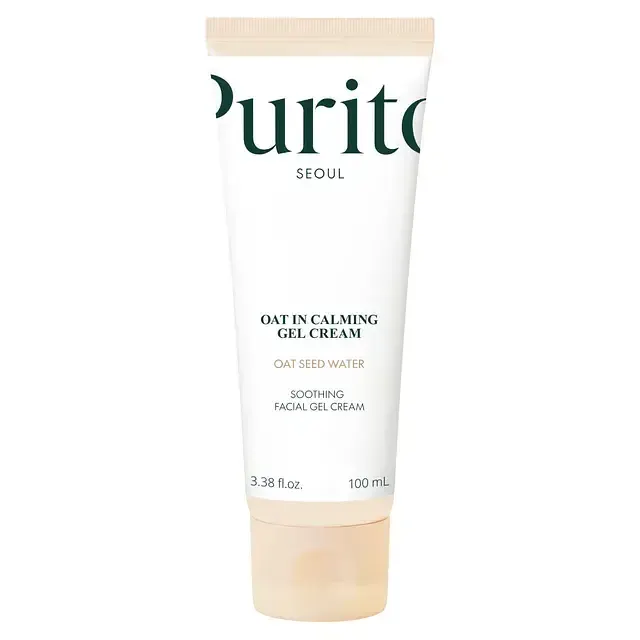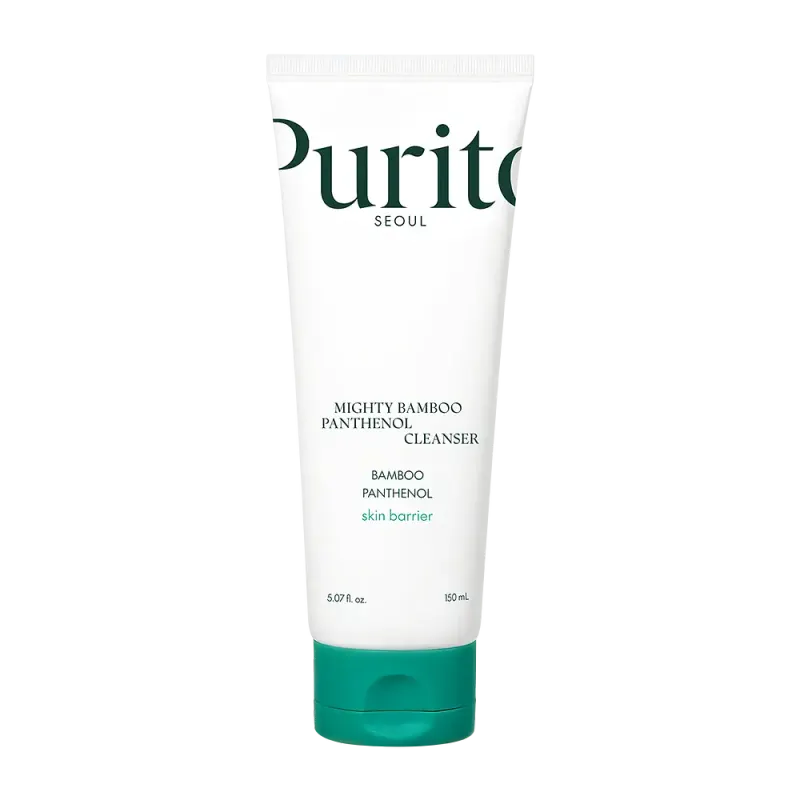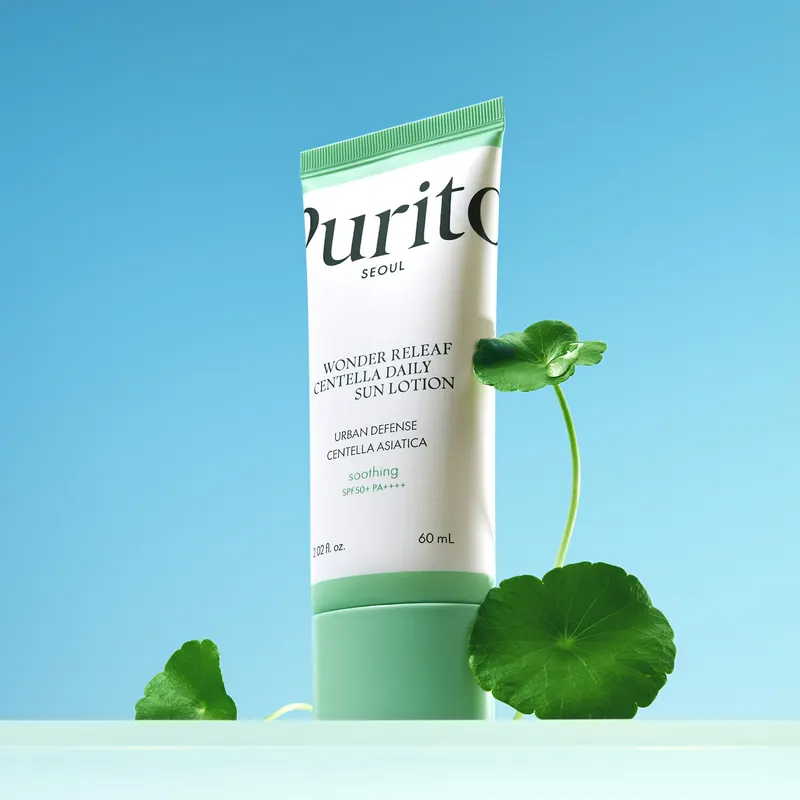
PURITO
PURITO Seoul Wonder Releaf Centella Daily Sun Lotion SPF50+ PA++++
Low risk79/100

Toners
No higher-risk flags in the assessed ingredients. This is a screening result, not a guarantee of pregnancy safety.
9 of 10 ingredients rated1 not assessed
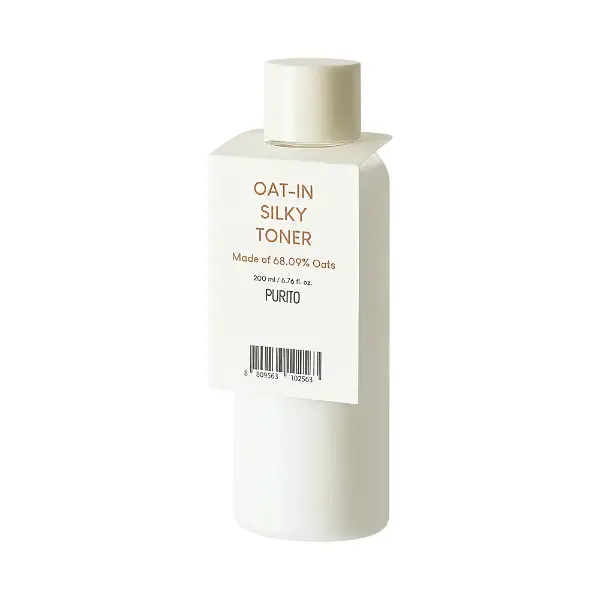
MamaSkin rates the recorded formula for PURITO Oat-In Silky Toner as No known risks (99/100). This screening result is not a guarantee of safety for every pregnancy.
No higher-risk ingredient flags are shown in the assessed entries. Ingredients without a matched rating are marked Not assessed, not No known risks.
9 of 10 ingredient entries on this page have a recorded score, evidence summary and source text. 1 entry does not have all of those fields. Unmatched or unrated entries are marked Not assessed in grey; missing evidence does not establish safety.
How we assess productsThe recorded formula, with evidence behind each rating. Unmatched ingredients are marked Not assessed in grey.
No matched ingredient rating is available yet. Not assessed does not mean safe or unsafe.
Solvent and humectant commonly used in leave-on products. Not associated with pregnancy-specific concerns at cosmetic exposure levels.
Sources: Cosmetic Ingredient Review (US); Scientific Committee on Consumer Safety (EU)
Glycerin is a widely used humectant that supports hydration and the skin barrier, with a long safety record and no known pregnancy or breastfeeding concerns in topical cosmetic use.
Sources: CIR; EU/UK Cosmetics Regulation
1,2-Hexanediol is commonly used as a solvent and preservative booster; topical exposure is low and it has no known pregnancy or breastfeeding concerns at cosmetic concentrations, though very sensitive skin may occasionally react.
Sources: CIR; EU/UK Cosmetics Regulation
This plant-derived fatty oil or butter is used as an emollient and skin-conditioning ingredient. The Cosmetic Ingredient Review concluded that assessed plant-derived fatty acid oils are safe as used in cosmetics; individual plant allergy and ingredient purity remain practical considerations.
Sources: CIR: Safety Assessment of Plant-Derived Fatty Acid Oils https://cir-reports.cir-safety.org/view-attachment/?id=ad62ac6b-8e74-ec11-8943-0022482f06a6
Water (Aqua) is the standard purified water used as a cosmetic solvent. It has no pregnancy-specific risk in normal topical use.
Sources: https://pubchem.ncbi.nlm.nih.gov/compound/Water, https://single-market-economy.ec.europa.eu/sectors/cosmetics/cosmetic-ingredient-database/cosing-glossary-ingredients_en
An ester of polyglycerin and stearic acid used as an emulsifier and skin-conditioning ingredient. Cosmetic safety reviewers concluded that polyglyceryl fatty acid esters, including Polyglyceryl-10 Stearate, are safe in current cosmetic use when formulated to be non-irritating.
Sources: CIR: Safety Assessment of Polyglyceryl Fatty Acid Esters https://www.cir-safety.org/sites/default/files/PGlyFE092016FR.pdf
An oat kernel extract used for skin conditioning and soothing. Cosmetic safety reviewers concluded that Avena sativa kernel extract and most assessed oat-derived ingredients are safe in current practices of use and concentration when formulated to be non-sensitising and manufactured with appropriate impurity controls. Oat allergy or contact sensitivity can occur in susceptible people, but no pregnancy-specific concern was identified for normal topical cosmetic exposure.
Sources: CIR: Safety Assessment of Avena sativa (Oat)-Derived Ingredients as Used in Cosmetics https://cir-reports.cir-safety.org/view-attachment/?id=947dbaa1-8e74-ec11-8943-0022482f06a6
Preservative booster and skin-conditioning agent. Considered safe for cosmetic use with low systemic exposure when used as intended.
Sources: Scientific Committee on Consumer Safety (EU); Cosmetic Ingredient Review (US)
Film-forming polysaccharide used for soothing and hydration support. Reviewed cosmetic safety sources support normal topical use, with no pregnancy- or breastfeeding-specific topical signal identified in the material reviewed.
Sources: CIR: Safety Assessment of Microbial Polysaccharide Gums as Used in Cosmetics; EU CosIng / cosmetics regulatory inventory
Avena Sativa Seed Water, Butylene Glycol, Glycerin, 1,2-Hexanediol, Limnanthes Alba Seed Oil, Water, Polyglyceryl-10 Stearate, Avena Sativa Kernel Extract, Ethylhexylglycerin, Beta-Glucan
Ingredient ratings refreshed 1 October 2026. Formulas vary by market and can change. Always compare with your packaging.
No higher-risk ingredient flags are shown in the assessed entries. Ingredients without a matched rating are marked Not assessed, not No known risks. Incomplete ingredient documentation does not establish safety; see the coverage answer and grey entries below.
9 of 10 ingredient entries on this page have a recorded score, evidence summary and source text. 1 entry does not have all of those fields. Unmatched or unrated entries are marked Not assessed in grey; missing evidence does not establish safety.
Only if the ingredient list on your packaging matches the recorded formula shown here. Formulas can differ by market and change over time. Compare the full list, not just the product name; report a mismatch if it differs.
No. This page presents a pregnancy-focused product assessment. Do not infer a breastfeeding conclusion from its score or label; breastfeeding requires a separate assessment of the formula and how it is used.