Round Lab
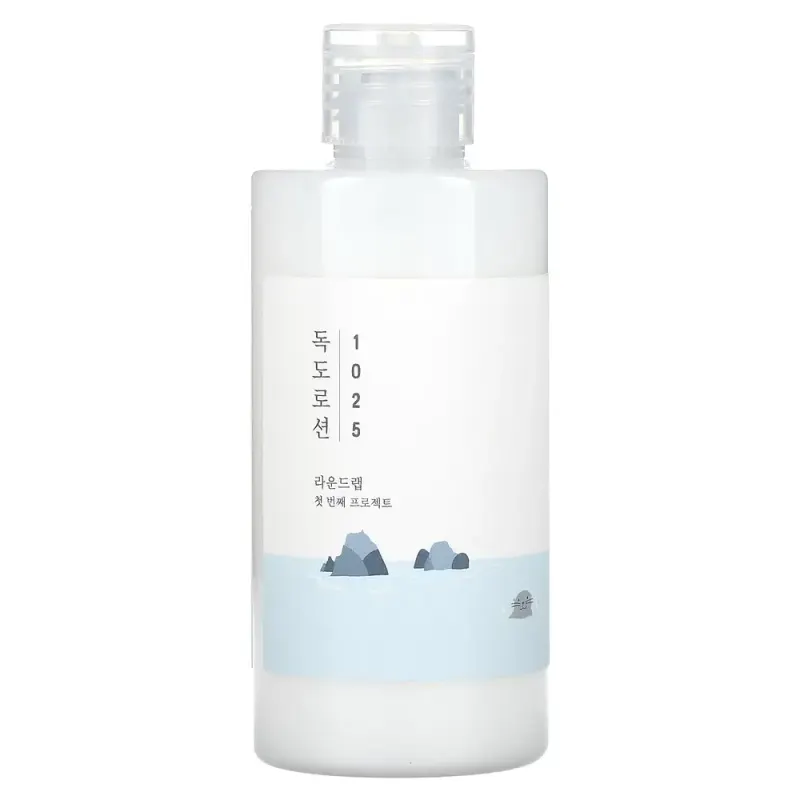
Round Lab 1025 Dokdo Lotion
General Moisturizersmoisturisers
Safety score
Pregnancy-focused assessment
No Known Risks99/100
Higher concernLower concern
No higher-risk ingredients were identified in MamaSkin's current assessment. Check the latest package before deciding.
Formula and assessment check
Ingredient safety review updated 23 November 2025. Product formulas can change, so compare the ingredients shown here with the packaging you have.
Report a formula mismatchIngredient breakdown
See how the listed formula falls across MamaSkin's pregnancy-focused risk bands.
27
No known risks
0
Low risk
0
Medium risk
0
High risk
Ingredients
Ingredients with a higher risk flag appear first, followed by the rest of the formula.
Glycerin
No Known RisksGlycerin is a widely used humectant that supports hydration and the skin barrier, with a long safety record and no known pregnancy or breastfeeding concerns in topical cosmetic use.
Sources: CIR; EU/UK Cosmetics Regulation
Macadamia Integrifolia Seed Oil
No Known RisksA plant-derived fatty oil or butter used mainly as an emollient, conditioning ingredient or texture agent. Cosmetic safety reviewers concluded that the assessed plant-derived fatty acid oils are safe in current practices of use and concentration. This conclusion applies to cosmetic-grade fixed oils rather than similarly named volatile essential oils. Seed or food allergy may still matter for a susceptible person.
Sources: CIR: Safety Assessment of Plant-Derived Fatty Acid Oils as Used in Cosmetics https://cir-reports.cir-safety.org/view-attachment/?id=ad62ac6b-8e74-ec11-8943-0022482f06a6
Show all (27)
1,2-Hexanediol
No Known Risks1,2-Hexanediol is commonly used as a solvent and preservative booster; topical exposure is low and it has no known pregnancy or breastfeeding concerns at cosmetic concentrations, though very sensitive skin may occasionally react.
Sources: CIR; EU/UK Cosmetics Regulation
Pentylene Glycol
No Known RisksHumectant and preservative booster. Considered safe for cosmetic use with low systemic exposure.
Sources: Cosmetic Ingredient Review (US); Scientific Committee on Consumer Safety (EU)
Chondrus Crispus Extract
No Known RisksA red-algae-derived extract used for skin conditioning, hydration or formula texture. Cosmetic safety reviewers concluded that the assessed red algae ingredients, including this extract, are safe in current practices of use and concentration. Cosmetic manufacturers should control naturally occurring contaminants such as heavy metals and arsenic.
Sources: CIR: Safety Assessment of Red Algae-Derived Ingredients as Used in Cosmetics https://cir-reports.cir-safety.org/view-attachment/?id=cef5b6e9-8c74-ec11-8943-0022482f06a6
Saccharum Officinarum Extract
No Known RisksA sugarcane extract used for skin conditioning and moisturising. Cosmetic safety reviewers concluded that Saccharum officinarum extract is safe in current cosmetic practices of use and concentration. It is not the same as a formulated high-strength alpha-hydroxy-acid peel, and no pregnancy-specific concern was identified for normal topical cosmetic exposure.
Sources: CIR: Safety Assessment of Saccharum officinarum (Sugarcane)-Derived Ingredients as Used in Cosmetics https://www.cir-safety.org/supplementaldoc/safety-assessment-saccharum-officinarum-sugarcane-derived-ingredients-used-cosmetics
Sea Water
No Known RisksSea water or sea salt used for mineral content, cleansing or formula texture. Normal topical cosmetic exposure has no identified pregnancy-specific concern, although salty products can sting broken or inflamed skin.
Sources: European Commission CosIng ingredient inventory; established composition and topical use of sea salt and sea water.
Hyaluronic Acid
No Known RisksHigh-water-binding humectant used to support hydration at the skin surface. Reviewed cosmetic safety sources support normal topical use, with no pregnancy- or breastfeeding-specific topical signal identified in the material reviewed.
Sources: CIR: Safety Assessment of Hyaluronates as Used in Cosmetics; EU CosIng / cosmetics regulatory inventory
Hydrolyzed Hyaluronic Acid
No Known RisksHumectant and skin-conditioning ingredient in the hyaluronate family. Reviewed cosmetic safety sources support current cosmetic use, with no pregnancy- or breastfeeding-specific topical concern identified in the material reviewed.
Sources: CIR: Safety Assessment of Hyaluronates as Used in Cosmetics; EU CosIng / cosmetics regulatory inventory
Sodium Hyaluronate
No Known RisksSodium hyaluronate (hyaluronic acid salt) is used for hydration and cushioning, with very low systemic absorption from topical use and no known pregnancy or breastfeeding concerns at cosmetic concentrations.
Sources: CIR; EU/UK Cosmetics Regulation
Panthenol
No Known RisksPanthenol (pro-vitamin B5) is used for soothing and barrier support and is generally well tolerated, with no known pregnancy or breastfeeding concerns in topical cosmetic use.
Sources: CIR; EU/UK Cosmetics Regulation
Squalane
No Known RisksLightweight emollient used to support the skin barrier. Not associated with pregnancy-specific concerns at cosmetic exposure levels.
Sources: Cosmetic Ingredient Review (US); Scientific Committee on Consumer Safety (EU)
Butylene Glycol
No Known RisksSolvent and humectant commonly used in leave-on products. Not associated with pregnancy-specific concerns at cosmetic exposure levels.
Sources: Cosmetic Ingredient Review (US); Scientific Committee on Consumer Safety (EU)
Polyglyceryl-3 Methylglucose Distearate
No Known RisksAn emulsifier built from polyglycerin, methyl glucose and stearic-acid components, used to stabilise creams and improve texture. Exact pregnancy-specific data are limited. Cosmetic safety reviewers concluded that related methyl glucose esters and polyglyceryl fatty-acid esters are safe in current cosmetic use when formulated to be non-irritating. No pregnancy-specific topical concern was identified by applying those related-group assessments to ordinary cosmetic exposure.
Sources: CIR: Safety Assessment of Methyl Glucose Polyethers and Esters https://www.cir-safety.org/supplementaldoc/safety-assessment-methyl-glucose-polyethers-and-esters-used-cosmetics; CIR: Safety Assessment of Polyglyceryl Fatty Acid Esters https://cir-safety.org/sites/default/files/PGlyFE092016FR.pdf
Glyceryl Stearate
No Known RisksEmulsifier and emollient used to stabilise creams and lotions. Not associated with pregnancy-specific concerns at cosmetic exposure.
Sources: Cosmetic Ingredient Review (US); Scientific Committee on Consumer Safety (EU)
Hydrogenated Polydecene
No Known RisksSynthetic hydrocarbon emollient used to improve slip, cushion and moisture feel. Reviewed cosmetic ingredient references do not identify a pregnancy- or breastfeeding-specific concern for normal topical use.
Sources: CIR cosmetic ingredient safety references for polydecenes/hydrocarbon emollients; EU CosIng / cosmetics regulatory inventory
Hydroxyethyl Acrylate/Sodium Acryloyldimethyl Taurate Copolymer
No Known RisksLarge polymer thickener, stabilizer and texture ingredient used in gels, creams and sunscreens. Systemic exposure from topical cosmetic use is expected to be low, with no pregnancy- or breastfeeding-specific concern identified in reviewed cosmetic references.
Sources: CIR cosmetic ingredient safety references for acrylates copolymers; EU CosIng / cosmetics regulatory inventory
Jojoba Esters
No Known RisksJojoba-derived wax esters used as emollients, texture agents and skin-conditioning ingredients. Reviewed cosmetic ingredient references do not identify a pregnancy- or breastfeeding-specific concern for normal topical use.
Sources: CIR cosmetic ingredient safety references for jojoba-derived ingredients/wax esters; EU CosIng / cosmetics regulatory inventory
Caprylyl Glycol
No Known RisksHumectant and preservative booster used to support product stability. Low systemic exposure expected from topical cosmetic use.
Sources: Scientific Committee on Consumer Safety (EU); Cosmetic Ingredient Review (US)
Tromethamine
No Known RiskspH adjuster and buffer used to stabilise formulations. Reviewed cosmetic safety sources support normal topical use, with no pregnancy- or breastfeeding-specific topical signal identified in the material reviewed.
Sources: CIR: Safety Assessment of Tromethamine as Used in Cosmetics; EU CosIng / cosmetics regulatory inventory
Sodium Phytate
No Known RisksChelating agent used to improve formula stability. Used at low levels and not associated with pregnancy-specific concerns.
Sources: European cosmetics regulatory framework
Tocopherol
No Known RisksVitamin E antioxidant used to protect oils and support the skin barrier. Not associated with pregnancy-specific concerns at cosmetic exposure.
Sources: Cosmetic Ingredient Review (US); Scientific Committee on Consumer Safety (EU)
Sodium Carboxymethyl Beta-Glucan
No Known RisksA modified beta-glucan polysaccharide used for skin conditioning. CIR included Sodium Carboxymethyl Beta-Glucan in its safe-as-used conclusion for microbial polysaccharide gums. Human irritation, sensitisation and photosensitisation data supported the cosmetic conclusion; no pregnancy-specific concern was identified for normal topical use.
Sources: CIR: Safety Assessment of Microbial Polysaccharide Gums as Used in Cosmetics https://www.cir-safety.org/sites/default/files/microb092012rep.pdf
Ethylhexylglycerin
No Known RisksPreservative booster and skin-conditioning agent. Considered safe for cosmetic use with low systemic exposure when used as intended.
Sources: Scientific Committee on Consumer Safety (EU); Cosmetic Ingredient Review (US)
Cetearyl Alcohol
No Known RisksFatty alcohol used as an emollient and thickener. Not the same as drying alcohols and not associated with pregnancy-specific concerns.
Sources: Cosmetic Ingredient Review (US); Scientific Committee on Consumer Safety (EU)
Carbomer
No Known RisksPolymer thickener used to create gel textures. Large-molecule ingredient with negligible systemic absorption.
Sources: Cosmetic Ingredient Review (US); Scientific Committee on Consumer Safety (EU)
Formulations can change without notice. For the most accurate result, compare this list with your packaging and scan the exact ingredient label in MamaSkin when you repurchase.
How to use this assessment
The risk band is the primary conclusion. The score adds detail within that band and should not be used to compare products as if a one-point difference were clinically meaningful.
MamaSkin provides pregnancy-focused information, not medical advice. Your midwife, GP, pharmacist or dermatologist should take priority when your circumstances differ from typical cosmetic use.