SKIN1004
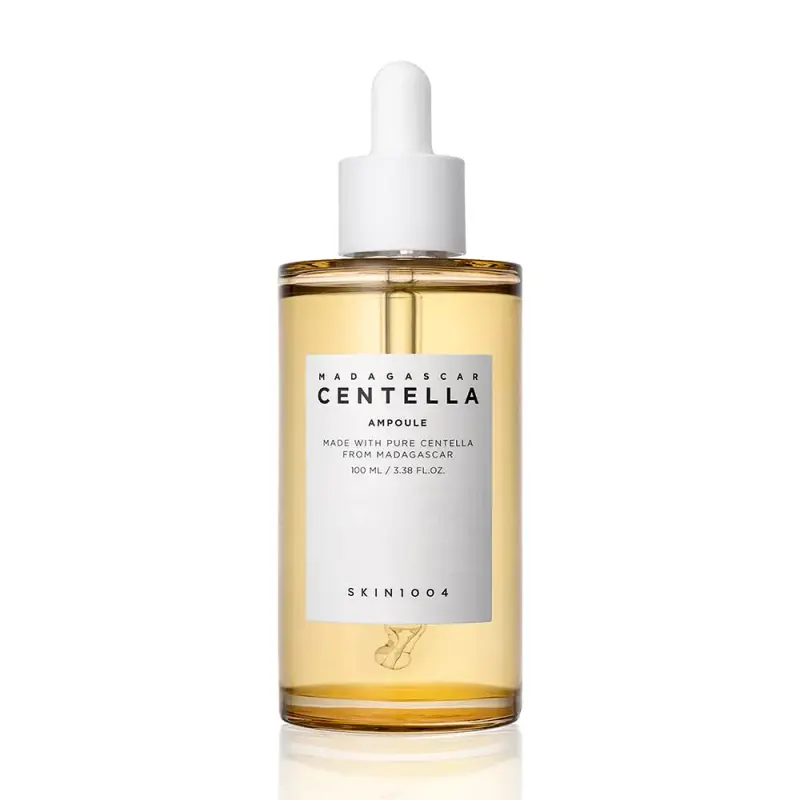
SKIN1004 Madagascar Centella Ampoule
No known risks99/100
Face Sunscreens
No higher-risk flags in the assessed ingredients. This is a screening result, not a guarantee of pregnancy safety.
6 of 6 ingredients rated
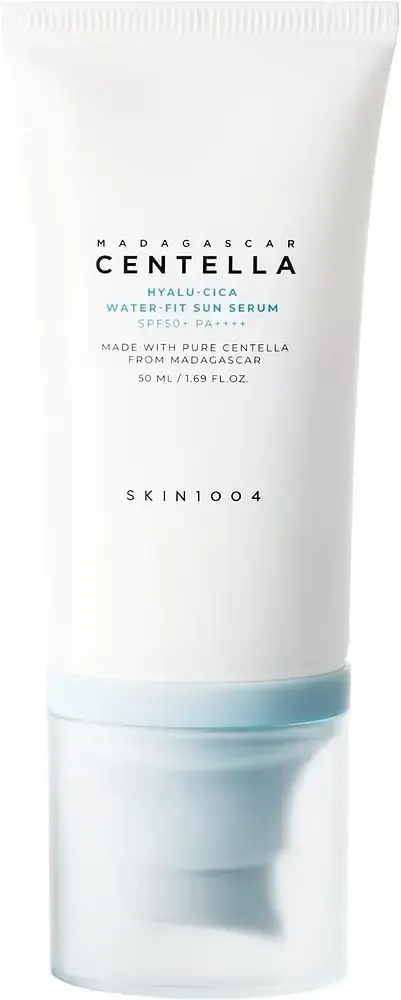
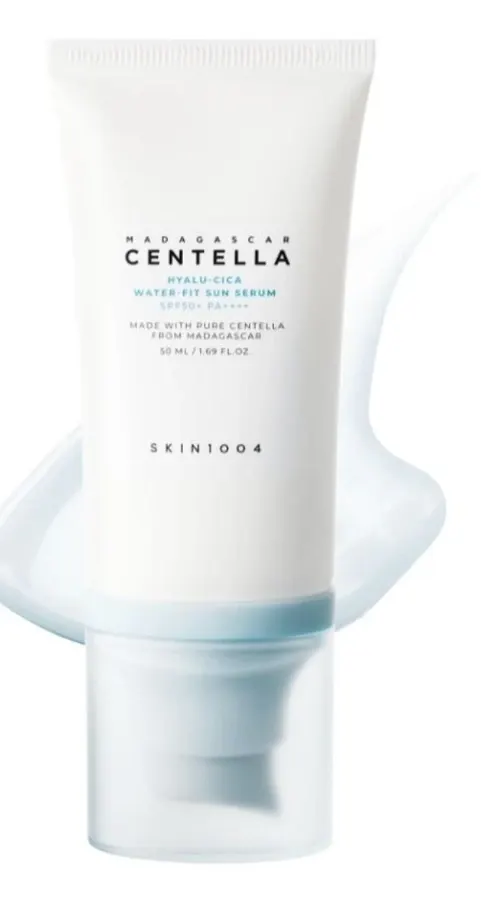
MamaSkin rates the recorded formula for SKIN1004 Halyu Centella Sunscreen as No known risks (99/100). This screening result is not a guarantee of safety for every pregnancy.
No higher-risk ingredient flags are shown in the assessed entries. Ingredients without a matched rating are marked Not assessed, not No known risks.
6 of 6 ingredient entries on this page have a recorded score, evidence summary and source text. That describes documentation coverage, not proof that the finished formula has been clinically tested during pregnancy.
How we assess productsThe recorded formula, with evidence behind each rating. Unmatched ingredients are marked Not assessed in grey.
Botanical skin-conditioning ingredient used in soothing and barrier-support formulas. Reviewed cosmetic safety sources support current cosmetic use when formulated to be non-sensitising, with no pregnancy- or breastfeeding-specific topical concern identified in the material reviewed.
Sources: CIR: Safety Assessment of Centella asiatica-derived Ingredients as Used in Cosmetics; EU CosIng / cosmetics regulatory inventory
High-water-binding humectant used to support hydration at the skin surface. Reviewed cosmetic safety sources support normal topical use, with no pregnancy- or breastfeeding-specific topical signal identified in the material reviewed.
Sources: CIR: Safety Assessment of Hyaluronates as Used in Cosmetics; EU CosIng / cosmetics regulatory inventory
Camellia sinensis (green tea) leaf extract is used as an antioxidant botanical; topical cosmetic use is considered low concern with no known pregnancy or breastfeeding risks, though rare sensitivities are possible.
Sources: CIR; EU/UK Cosmetics Regulation
triticum vulgare sprout extract is a botanical-derived cosmetic conditioning ingredient. The reviewed identity is not a concentrated essential oil or an oral herbal preparation. Available cosmetic evidence and expected topical exposure did not identify a pregnancy-specific contraindication, although botanical irritation or allergy remains possible.
Sources: CIR ingredient-specific and botanical-family safety assessments; CIR Quick Reference Table https://www.cir-safety.org/supplementaldoc/quick-reference-table-december-2025; European Commission CosIng
A botanical extract, plant water or plant juice used for conditioning, soothing or antioxidant support. Direct pregnancy studies of this exact cosmetic material were not identified, but no reproductive or developmental hazard was identified for normal topical exposure. Oral herbal or medicinal use is outside this classification.
Sources: European Commission CosIng ingredient inventory; CIR botanical safety framework and relevant plant-derived ingredient assessments; no ingredient-specific human pregnancy study of normal topical cosmetic use was identified.
No pregnancy-specific harm has been identified for ordinary, correctly formulated topical cosmetic use of brassica oleracea italica sprout extract. This is a bounded botanical/extract assessment; direct pregnancy studies of the exact material are limited and oral, medicinal, damaged-skin or aerosol exposure is not included.
Centella Asiatica Extract, Hyaluronic Acid, Camellia Sinensis Leaf Extract, Triticum Vulgare (Wheat) Sprout Extract, Camellia Japonica Leaf Extract, Brassica Oleracea Italica (Broccoli) Sprout Extract
Ingredient ratings refreshed 1 October 2026. Formulas vary by market and can change. Always compare with your packaging.
No higher-risk ingredient flags are shown in the assessed entries. Ingredients without a matched rating are marked Not assessed, not No known risks. The product score is a stored assessment, not a clinical safety guarantee.
No. The score and risk band describe MamaSkin's pregnancy-focused ingredient screening of this recorded formula. They do not measure SPF, UVA protection, water resistance or whether you have applied enough sunscreen. Use the protection and application instructions on your exact packaging, and review the ingredient flags separately.
6 of 6 ingredient entries on this page have a recorded score, evidence summary and source text. That describes documentation coverage, not proof that the finished formula has been clinically tested during pregnancy.
Only if the ingredient list on your packaging matches the recorded formula shown here. Formulas can differ by market and change over time. Compare the full list, not just the product name; report a mismatch if it differs.
No. This page presents a pregnancy-focused product assessment. Do not infer a breastfeeding conclusion from its score or label; breastfeeding requires a separate assessment of the formula and how it is used.