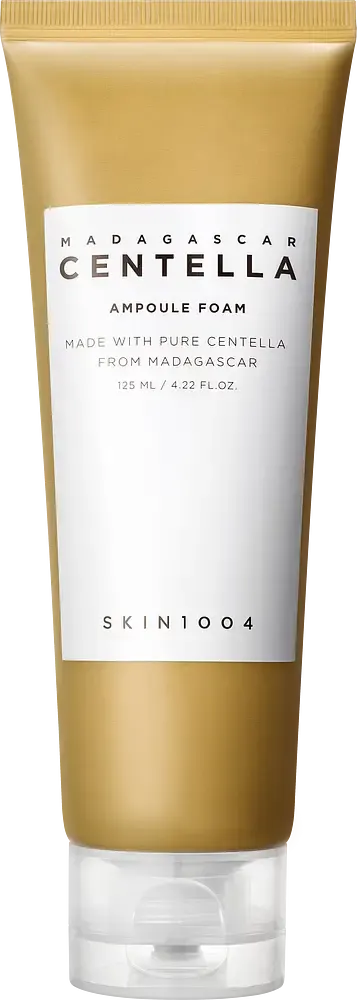
SKIN1004 Madagascar Centella Ampoule Foam
Safety score
Pregnancy-focused assessment
No higher-risk ingredients were identified in MamaSkin's current assessment. Check the latest package before deciding.
Ingredient safety review updated 24 November 2025.
Ingredient breakdown
See how the listed formula falls across MamaSkin's pregnancy-focused risk bands.
23
No known risks
0
Low risk
0
Medium risk
0
High risk
Ingredients
Ingredients with a higher risk flag appear first, followed by the rest of the formula.
Sodium Cocoyl Isethionate
No Known RisksSodium cocoyl isethionate is a cleansing surfactant. The Cosmetic Ingredient Review concluded that isethionate salts are safe in current cosmetic use when formulated to be non-irritating, and reviewed reproductive and developmental data did not identify a pregnancy-specific signal.
Sources: CIR: Amended Safety Assessment of Isethionate Salts as Used in Cosmetics https://cir-safety.org/supplementaldoc/amended-safety-assessment-isethionate-salts-used-cosmetics-0
Glycerin
No Known RisksGlycerin is a widely used humectant that supports hydration and the skin barrier, with a long safety record and no known pregnancy or breastfeeding concerns in topical cosmetic use.
Sources: CIR; EU/UK Cosmetics Regulation
Show all (23)
Sodium Methyl Cocoyl Taurate
No Known RisksA mild anionic surfactant derived from fatty acids and methyltaurate, used mainly in cleansers and shampoos. Cosmetic safety reviewers concluded that the reviewed taurate surfactants, including sodium methyl cocoyl taurate, are safe in current cosmetic use when formulated to be non-irritating. No pregnancy-specific concern is identified for normal topical exposure.
Sources: CIR: Safety Assessment of Alkyl Taurate Amides and Taurate Salts https://cir-safety.org/sites/default/files/taurat122015FR.pdf
Coco-Betaine
No Known RisksA cleansing and foam-supporting surfactant made from coconut-derived fatty chains. Cosmetic safety reviewers concluded that alkyl betaines, including coco-betaine, are safe in current practices when formulated to be non-irritating. Surfactant-containing products may still sting eyes or irritated skin.
Sources: CIR: Quick Reference Table conclusion for Coco-Betaine and alkyl betaines https://www.cir-safety.org/sites/default/files/sq-fix_2.pdf
Centella Asiatica Extract
No Known RisksBotanical skin-conditioning ingredient used in soothing and barrier-support formulas. Reviewed cosmetic safety sources support current cosmetic use when formulated to be non-sensitising, with no pregnancy- or breastfeeding-specific topical concern identified in the material reviewed.
Sources: CIR: Safety Assessment of Centella asiatica-derived Ingredients as Used in Cosmetics; EU CosIng / cosmetics regulatory inventory
Potassium Cocoyl Glycinate
No Known RisksAn amino-acid-derived surfactant or conditioning ingredient. Cosmetic safety reviewers concluded that amino acid alkyl amides are safe in current cosmetic practices when formulated to be non-irritating. Manufacturing and formulation should control nitrosamine formation where relevant.
Sources: CIR: Safety Assessment of Amino Acid Alkyl Amides as Used in Cosmetics https://www.cir-safety.org/supplementaldoc/safety-assessment-amino-acid-alkyl-amides-used-cosmetics-0
1,2-Hexanediol
No Known Risks1,2-Hexanediol is commonly used as a solvent and preservative booster; topical exposure is low and it has no known pregnancy or breastfeeding concerns at cosmetic concentrations, though very sensitive skin may occasionally react.
Sources: CIR; EU/UK Cosmetics Regulation
Potassium Cocoate
No Known RisksPotassium Benzoate
No Known RisksPolyquaternium-67
No Known RisksCitric Acid
No Known RiskspH adjuster used in small amounts to maintain product stability. Not associated with pregnancy-specific concerns.
Sources: Scientific Committee on Consumer Safety (EU); European cosmetics regulatory framework
Sodium Chloride
No Known RisksSodium chloride is used to adjust viscosity and texture in formulations; topical cosmetic use is considered low concern with no known pregnancy or breastfeeding risks.
Sources: CIR; EU/UK Cosmetics Regulation
Butylene Glycol
No Known RisksSolvent and humectant commonly used in leave-on products. Not associated with pregnancy-specific concerns at cosmetic exposure levels.
Sources: Cosmetic Ingredient Review (US); Scientific Committee on Consumer Safety (EU)
Dextrin
No Known RisksStarch-derived polysaccharide used as a binder, film former and texture support ingredient. Reviewed cosmetic ingredient references do not identify a pregnancy- or breastfeeding-specific concern for normal topical use.
Sources: CIR cosmetic ingredient safety references for polysaccharides/starch-derived ingredients; EU CosIng / cosmetics regulatory inventory
Theobroma Cacao Extract
No Known RisksDisodium EDTA
No Known RisksDisodium EDTA is a chelating agent used to improve formula stability and performance; it is considered low concern in topical cosmetic use, with no known pregnancy or breastfeeding risks at typical concentrations.
Sources: CIR; EU/UK Cosmetics Regulation
Sodium Acetate
No Known RisksA small organic acid, salt or ester used as a solvent, pH adjuster or formula aid. Cosmetic safety reviewers concluded that acetic acid and the assessed related simple alcohols and esters are safe in current practices.
Sources: CIR: Acetic Acid and related simple alcohols and esters, IJT 31(Suppl. 1), 2012; December 2025 Quick Reference Table https://cir-safety.org/sites/default/files/QRT-Update-Dec2025.pdf
Sodium Bicarbonate
No Known RisksAn alkaline mineral salt used for deodorising, buffering and mild abrasion. Cosmetic safety reviewers concluded that sodium bicarbonate is safe in current practices. It can irritate sensitive or freshly shaved skin in some formulas.
Sources: CIR: Sodium Bicarbonate conclusion, 2025; December 2025 Quick Reference Table https://cir-safety.org/sites/default/files/QRT-Update-Dec2025.pdf
Coptis Chinensis Root Extract
No Known RisksSodium Hyaluronate
No Known RisksSodium hyaluronate (hyaluronic acid salt) is used for hydration and cushioning, with very low systemic absorption from topical use and no known pregnancy or breastfeeding concerns at cosmetic concentrations.
Sources: CIR; EU/UK Cosmetics Regulation
Coccinia Indica Fruit Extract
No Known RisksEclipta Prostrata Extract
No Known RisksFormulations can change without notice. For the most accurate result, compare this list with your packaging and scan the exact ingredient label in MamaSkin when you repurchase.
How to use this assessment
The risk band is the primary conclusion. The score adds detail within that band and should not be used to compare products as if a one-point difference were clinically meaningful.
MamaSkin provides pregnancy-focused information, not medical advice. Your midwife, GP, pharmacist or dermatologist should take priority when your circumstances differ from typical cosmetic use.