SKIN1004
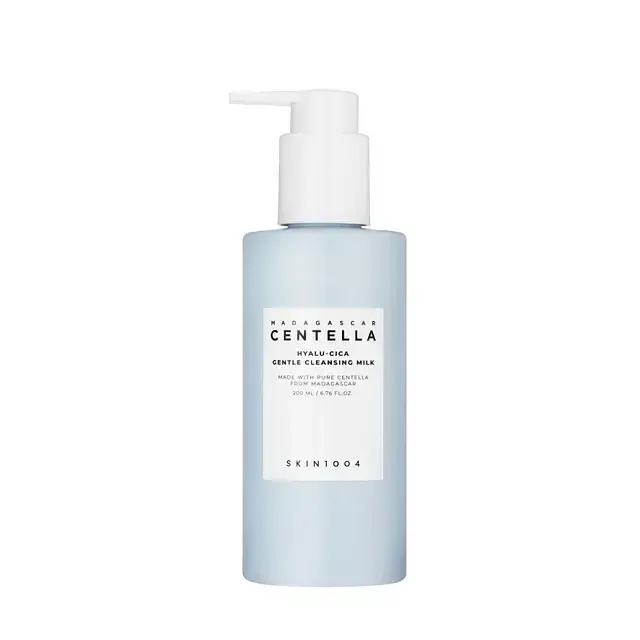
SKIN1004 Madagascar Centella Hyalu-Cica Gentle Cleansing Milk
Makeup Removerscleansers
Safety score
Pregnancy-focused assessment
No Known Risks99/100
Higher concernLower concern
No higher-risk ingredients were identified in MamaSkin's current assessment. Check the latest package before deciding.
Formula and assessment check
Ingredient safety review updated 23 November 2025. Product formulas can change, so compare the ingredients shown here with the packaging you have.
Report a formula mismatchIngredient breakdown
See how the listed formula falls across MamaSkin's pregnancy-focused risk bands.
46
No known risks
0
Low risk
0
Medium risk
0
High risk
Ingredients
Ingredients with a higher risk flag appear first, followed by the rest of the formula.
Ethylhexyl Stearate
No Known RisksA fatty-acid ester used as an emollient and spreading agent. Cosmetic safety reviewers included ethylhexyl stearate in the alkyl ester group and concluded that the group is safe in current practices when formulated to be non-irritating. No pregnancy-specific concern was identified for normal topical use.
Sources: CIR: Safety Assessment of Alkyl Esters as Used in Cosmetics https://cir-reports.cir-safety.org/view-attachment/?id=b34bc38f-8e74-ec11-8943-0022482f06a6
Ethylhexyl Palmitate
No Known RisksLightweight emollient ester used to soften skin and improve glide. Reviewed cosmetic safety sources support normal topical use, with no pregnancy- or breastfeeding-specific topical signal identified in the material reviewed.
Sources: CIR: Amended Safety Assessment of Alkyl Esters as Used in Cosmetics; EU CosIng / cosmetics regulatory inventory
Show all (46)
Propanediol
No Known RisksSolvent and humectant used to improve texture and ingredient solubility. Low systemic exposure expected from topical cosmetic use.
Sources: Cosmetic Ingredient Review (US); Scientific Committee on Consumer Safety (EU)
Dicaprylyl Ether
No Known RisksA lightweight fatty ether used as an emollient and spreading agent. Cosmetic safety reviewers concluded that dicaprylyl ether is safe in current cosmetic use; reviewed developmental testing did not identify maternal or fetal toxicity and skin absorption was low. Safety for airbrush delivery was not established.
Sources: CIR: Safety Assessment of Fatty Ethers https://www.cir-safety.org/sites/default/files/FR_FattyEthers_122022.pdf
Polyglyceryl-6 Stearate
No Known RisksA polyglycerin fatty-acid ester used as an emulsifier, dispersant or emollient. Cosmetic safety reviewers concluded that the assessed polyglyceryl fatty-acid esters are safe in current practices when formulated to be non-irritating.
Sources: CIR: Polyglyceryl Fatty Acid Esters conclusion, IJT 42(Suppl. 2), 2023; December 2025 Quick Reference Table https://cir-safety.org/sites/default/files/QRT-Update-Dec2025.pdf
Glycerin
No Known RisksGlycerin is a widely used humectant that supports hydration and the skin barrier, with a long safety record and no known pregnancy or breastfeeding concerns in topical cosmetic use.
Sources: CIR; EU/UK Cosmetics Regulation
Methylpropanediol
No Known RisksSolvent and humectant used to improve texture and ingredient delivery in topical cosmetic formulas. Reviewed cosmetic ingredient references do not identify a pregnancy- or breastfeeding-specific concern for normal topical use.
Sources: CIR cosmetic ingredient safety references for alkane diols; EU CosIng / cosmetics regulatory inventory
Pentylene Glycol
No Known RisksHumectant and preservative booster. Considered safe for cosmetic use with low systemic exposure.
Sources: Cosmetic Ingredient Review (US); Scientific Committee on Consumer Safety (EU)
1,2-Hexanediol
No Known Risks1,2-Hexanediol is commonly used as a solvent and preservative booster; topical exposure is low and it has no known pregnancy or breastfeeding concerns at cosmetic concentrations, though very sensitive skin may occasionally react.
Sources: CIR; EU/UK Cosmetics Regulation
Panthenol
No Known RisksPanthenol (pro-vitamin B5) is used for soothing and barrier support and is generally well tolerated, with no known pregnancy or breastfeeding concerns in topical cosmetic use.
Sources: CIR; EU/UK Cosmetics Regulation
Polyacrylate Crosspolymer-6
No Known RisksLarge polymer thickener and stabilizer used in gels, serums and creams. Systemic exposure from topical cosmetic use is expected to be low, with no pregnancy- or breastfeeding-specific concern identified in reviewed cosmetic references.
Sources: CIR cosmetic ingredient safety references for acrylates/polyacrylate crosspolymers; EU CosIng / cosmetics regulatory inventory
Acrylates/C10-30 Alkyl Acrylate Crosspolymer
No Known RisksPolymer thickener and stabiliser used in creams and sunscreens. Low systemic exposure expected.
Sources: Cosmetic Ingredient Review (US); Scientific Committee on Consumer Safety (EU)
Centella Asiatica Extract
No Known RisksBotanical skin-conditioning ingredient used in soothing and barrier-support formulas. Reviewed cosmetic safety sources support current cosmetic use when formulated to be non-sensitising, with no pregnancy- or breastfeeding-specific topical concern identified in the material reviewed.
Sources: CIR: Safety Assessment of Centella asiatica-derived Ingredients as Used in Cosmetics; EU CosIng / cosmetics regulatory inventory
Polyglyceryl-6 Behenate
No Known RisksA polyglycerin fatty-acid ester used as an emulsifier, dispersant or emollient. Cosmetic safety reviewers concluded that the assessed family of 274 polyglyceryl fatty acid esters is safe in current practices when formulated to be non-irritating. No pregnancy-specific concern was identified for normal topical cosmetic exposure.
Sources: CIR: Safety Assessment of Polyglyceryl Fatty Acid Esters as Used in Cosmetics https://www.cir-safety.org/supplementaldoc/safety-assessment-polyglyceryl-fatty-acid-esters-used-cosmetics-1
Musa Sapientum Flower Extract
No Known RisksRosa Damascena Flower Water
No Known RisksA rose flower distillate used for fragrance and skin conditioning. Cosmetic safety reviewers concluded that Rosa damascena-derived ingredients, including flower water, are safe in current practices when formulated to be non-irritating and non-sensitising. Natural fragrance allergens can still affect sensitive users.
Sources: CIR: Safety Assessment of Rosa damascena-Derived Ingredients as Used in Cosmetics https://www.cir-safety.org/sites/default/files/FR_RosaDamascena_032022.pdf
Butylene Glycol
No Known RisksSolvent and humectant commonly used in leave-on products. Not associated with pregnancy-specific concerns at cosmetic exposure levels.
Sources: Cosmetic Ingredient Review (US); Scientific Committee on Consumer Safety (EU)
Allantoin
No Known RisksAllantoin is a soothing skin protectant commonly used to help reduce irritation and support comfort, with no known pregnancy or breastfeeding concerns in topical cosmetic use.
Sources: CIR; EU/UK Cosmetics Regulation
Ectoin
No Known RisksA small natural osmolyte used to support hydration and the skin barrier. A systematic review of topical ectoin formulations in adults and children reported very good tolerability. Pregnancy-specific topical studies were not identified, but no reproductive or pregnancy-specific signal was found for normal cosmetic exposure.
Sources: PubMed: Topical Ectoine Application in Children and Adults, systematic review https://pubmed.ncbi.nlm.nih.gov/35038127/
Xanthan Gum
No Known RisksNatural polysaccharide thickener used for stability and texture. Not associated with pregnancy-specific concerns.
Sources: European cosmetics regulatory framework
Pyrus Communis Fruit Extract
No Known RisksA botanical extract, plant water or plant juice used for conditioning, soothing or antioxidant support. Direct pregnancy studies of this exact cosmetic material were not identified, but no reproductive or developmental hazard was identified for normal topical exposure. Oral herbal or medicinal use is outside this classification.
Sources: European Commission CosIng ingredient inventory; CIR botanical safety framework and relevant plant-derived ingredient assessments; no ingredient-specific human pregnancy study of normal topical cosmetic use was identified.
Sodium Dilauramidoglutamide Lysine
No Known RisksA fatty or lipid-linked amino-acid derivative used for conditioning, barrier feel or emulsification. Cosmetic safety assessments of alpha-amino acids and amino-acid alkyl amides support use when formulated to be non-irritating. No pregnancy-specific hazard signal was identified for the small topical exposure expected from a finished cosmetic.
Sources: CIR: Safety Assessment of Alpha-Amino Acids as Used in Cosmetics; CIR: Safety Assessment of Amino Acid Alkyl Amides as Used in Cosmetics; CIR December 2025 Quick Reference Table https://cir-safety.org/sites/default/files/QRT-Update-Dec2025.pdf; European Commission CosIng ingredient inventory.
Prunus Domestica Fruit Extract
No Known Risksprunus domestica fruit extract is a botanical-derived cosmetic conditioning ingredient. The reviewed identity is not a concentrated essential oil or an oral herbal preparation. Available cosmetic evidence and expected topical exposure did not identify a pregnancy-specific contraindication, although botanical irritation or allergy remains possible.
Sources: CIR ingredient-specific and botanical-family safety assessments; CIR Quick Reference Table https://www.cir-safety.org/supplementaldoc/quick-reference-table-december-2025; European Commission CosIng
Tocopherol
No Known RisksVitamin E antioxidant used to protect oils and support the skin barrier. Not associated with pregnancy-specific concerns at cosmetic exposure.
Sources: Cosmetic Ingredient Review (US); Scientific Committee on Consumer Safety (EU)
Ethylhexylglycerin
No Known RisksPreservative booster and skin-conditioning agent. Considered safe for cosmetic use with low systemic exposure when used as intended.
Sources: Scientific Committee on Consumer Safety (EU); Cosmetic Ingredient Review (US)
Cucumis Melo Fruit Extract
No Known RisksA botanical extract, juice or water used primarily for skin conditioning, moisturising, soothing or antioxidant support. Direct pregnancy studies of the named cosmetic material were not identified. No reproductive or developmental hazard was identified for normal topical exposure to a compliant finished cosmetic; oral herbal or medicinal use is outside this classification.
Sources: European Commission CosIng ingredient inventory; Cosmetic Ingredient Review botanical safety-assessment framework and relevant plant-family assessments. No ingredient-specific human pregnancy study of normal topical cosmetic use was identified.
Aminomethyl Propanediol
No Known RisksAn amino alcohol used to adjust pH and support formula stability. The finished product pH, rather than reproductive toxicity, is the relevant safety consideration. No pregnancy-specific systemic concern was identified for normal topical cosmetic exposure.
Sources: CIR safety assessments of amino alcohols and pH-adjusting cosmetic ingredients; European Commission CosIng ingredient inventory.
Citric Acid
No Known RiskspH adjuster used in small amounts to maintain product stability. Not associated with pregnancy-specific concerns.
Sources: Scientific Committee on Consumer Safety (EU); European cosmetics regulatory framework
Hedera Helix Leaf/Stem Extract
No Known RisksA botanical extract or plant water used for conditioning, soothing or antioxidant support. Direct pregnancy studies of this exact cosmetic material were not identified, but no reproductive or developmental hazard was identified for normal topical exposure. Oral herbal or medicinal use is outside this classification.
Sources: European Commission CosIng; CIR botanical safety framework and relevant plant-family assessments; no ingredient-specific human pregnancy study of normal topical cosmetic use was identified.
Sodium Phytate
No Known RisksChelating agent used to improve formula stability. Used at low levels and not associated with pregnancy-specific concerns.
Sources: European cosmetics regulatory framework
Candida Bombicola/Glucose/Methyl Rapeseedate Ferment
No Known RisksA processed cosmetic ferment, extract or fermentation-derived material used for conditioning, moisturising or formula support. It is not equivalent to applying an unspecified live culture. Available cosmetic safety assessments do not identify a pregnancy- or breastfeeding-specific hazard for normal topical use, assuming appropriate identity, preservation and microbial-quality controls.
Sources: CIR safety assessments and strategy documents for Yeast-Derived Ingredients, Lactobacillus Ferment Ingredients and cosmetic microbial fermentation products; European Commission CosIng ingredient inventory.
Cynanchum Atratum Extract
No Known RisksA botanical extract or plant water used for conditioning, soothing or antioxidant support. Direct pregnancy studies of this exact cosmetic material were not identified, but no reproductive or developmental hazard was identified for normal topical exposure. Oral herbal or medicinal use is outside this classification.
Sources: European Commission CosIng; CIR botanical safety framework and relevant plant-family assessments; no ingredient-specific human pregnancy study of normal topical cosmetic use was identified.
Macadamia Ternifolia Seed Oil
No Known RisksThis plant-derived fatty oil or butter is used as an emollient and skin-conditioning ingredient. The Cosmetic Ingredient Review concluded that assessed plant-derived fatty acid oils are safe as used in cosmetics; individual plant allergy and ingredient purity remain practical considerations.
Sources: CIR: Safety Assessment of Plant-Derived Fatty Acid Oils https://cir-reports.cir-safety.org/view-attachment/?id=ad62ac6b-8e74-ec11-8943-0022482f06a6
Althaea Rosea Flower Extract
No Known RisksA botanical extract, juice or water used primarily for skin conditioning, moisturising, soothing or antioxidant support. Direct pregnancy studies of the named cosmetic material were not identified. No reproductive or developmental hazard was identified for normal topical exposure to a compliant finished cosmetic; oral herbal or medicinal use is outside this classification.
Sources: European Commission CosIng ingredient inventory; Cosmetic Ingredient Review botanical safety-assessment framework and relevant plant-family assessments. No ingredient-specific human pregnancy study of normal topical cosmetic use was identified.
Hydrolyzed Vegetable Protein
No Known RisksA plant-derived protein or peptide mixture used mainly for hair and skin conditioning. Cosmetic safety reviewers concluded that the assessed plant-derived proteins and peptides are safe in current practices. Protein allergy remains possible in susceptible people.
Sources: CIR: Safety Assessment of Plant-Derived Proteins and Peptides as Used in Cosmetics https://www.cir-safety.org/supplementaldoc/safety-assessment-plant-derived-proteins-and-peptides-used-cosmetics-0
Maltodextrin
No Known RisksPolysaccharide carrier and bulking agent used for texture and delivery support. Reviewed cosmetic safety sources support normal topical use, with no pregnancy- or breastfeeding-specific topical signal identified in the material reviewed.
Sources: CIR: Safety Assessment of Polysaccharide Gums as Used in Cosmetics; EU CosIng / cosmetics regulatory inventory
Sodium Cocoyl Apple Amino Acids
No Known Riskssodium cocoyl apple amino acids is used as a cosmetic surfactant, emulsifier or conditioning agent. Relevant cosmetic-safety assessments support use when formulated to be non-irritating and with appropriate impurity controls. Local skin or eye irritation is possible at higher concentrations, but no pregnancy-specific concern was identified for normal topical or rinse-off use.
Sources: CIR safety assessments of alkyl PEG ethers, N-acyl taurates, fatty amidopropyl amines and related cosmetic surfactants https://www.cir-safety.org/sites/default/files/taurat122015FR.pdf; CIR Quick Reference Table https://cir-safety.org/sites/default/files/QRT-Update-Dec2025.pdf
Hydrolyzed Sodium Hyaluronate
No Known RisksHumectant and skin-conditioning ingredient in the hyaluronate family. Reviewed cosmetic safety sources support current cosmetic use, with no pregnancy- or breastfeeding-specific topical concern identified in the material reviewed.
Sources: CIR: Safety Assessment of Hyaluronates as Used in Cosmetics; EU CosIng / cosmetics regulatory inventory
Moringa Oleifera Seed Oil
No Known RisksThis plant-derived fatty oil or butter is used as an emollient and skin-conditioning ingredient. The Cosmetic Ingredient Review concluded that assessed plant-derived fatty acid oils are safe as used in cosmetics; individual plant allergy and ingredient purity remain practical considerations.
Sources: CIR: Safety Assessment of Plant-Derived Fatty Acid Oils https://cir-reports.cir-safety.org/view-attachment/?id=ad62ac6b-8e74-ec11-8943-0022482f06a6
Beta-Glucan
No Known RisksFilm-forming polysaccharide used for soothing and hydration support. Reviewed cosmetic safety sources support normal topical use, with no pregnancy- or breastfeeding-specific topical signal identified in the material reviewed.
Sources: CIR: Safety Assessment of Microbial Polysaccharide Gums as Used in Cosmetics; EU CosIng / cosmetics regulatory inventory
Hexylene Glycol
No Known RisksSolvent and humectant used to improve texture and ingredient solubility in topical cosmetics. Reviewed cosmetic ingredient references do not identify a pregnancy- or breastfeeding-specific concern for normal topical use.
Sources: CIR cosmetic ingredient safety references for alkane diols/glycols; EU CosIng / cosmetics regulatory inventory
Ceramide NP
No Known RisksSkin-identical barrier lipid used to support the stratum corneum and reduce dryness. Reviewed cosmetic safety sources support normal topical use, with no pregnancy- or breastfeeding-specific topical signal identified in the material reviewed.
Sources: CIR: Safety Assessment of Ceramides as Used in Cosmetics; EU CosIng / cosmetics regulatory inventory
Phytosphingosine
No Known RisksSkin-conditioning lipid used in barrier-support formulas, commonly alongside ceramides and cholesterol. Reviewed cosmetic ingredient references do not identify a pregnancy- or breastfeeding-specific concern for normal topical use.
Sources: CIR cosmetic ingredient safety references for sphingolipids/skin-conditioning lipids; EU CosIng / cosmetics regulatory inventory
Hydrogenated Lecithin
No Known RisksHydrogenated emulsifier used to support skin barrier feel. Not associated with pregnancy-specific concerns.
Sources: Cosmetic Ingredient Review (US)
Tetrasodium Glutamate Diacetate
No Known RisksChelating agent used to bind trace metals and improve formula stability. CIR concluded it is safe as used in cosmetics; normal topical use is not associated with a pregnancy- or breastfeeding-specific topical signal in the material reviewed.
Sources: CIR: Safety Assessment of Tetrasodium Glutamate Diacetate and Beta-Alanine Diacetic Acid as Used in Cosmetics; EU CosIng / cosmetics regulatory inventory
Formulations can change without notice. For the most accurate result, compare this list with your packaging and scan the exact ingredient label in MamaSkin when you repurchase.
How to use this assessment
The risk band is the primary conclusion. The score adds detail within that band and should not be used to compare products as if a one-point difference were clinically meaningful.
MamaSkin provides pregnancy-focused information, not medical advice. Your midwife, GP, pharmacist or dermatologist should take priority when your circumstances differ from typical cosmetic use.