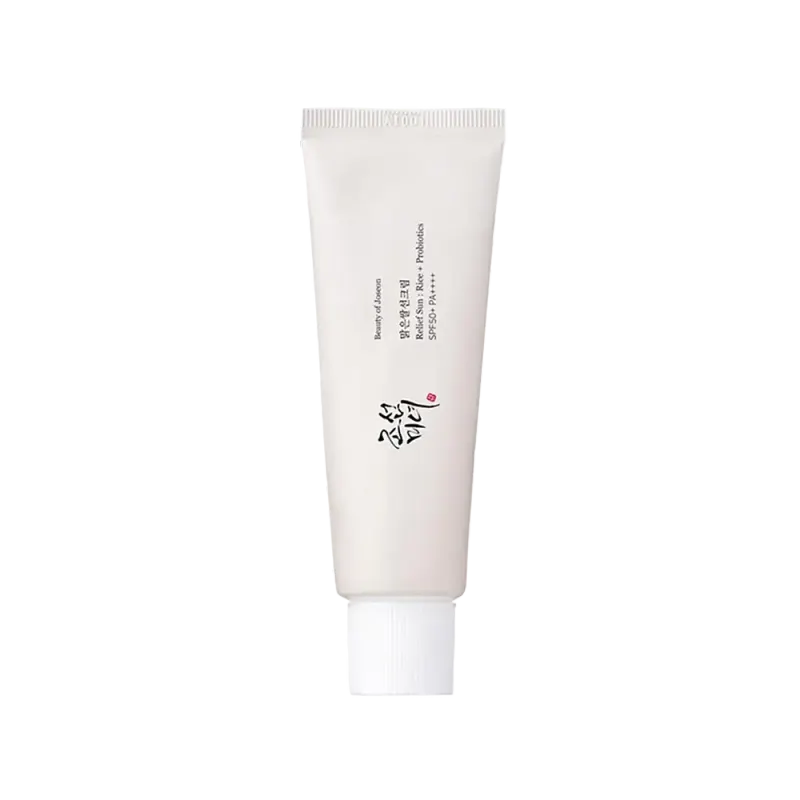
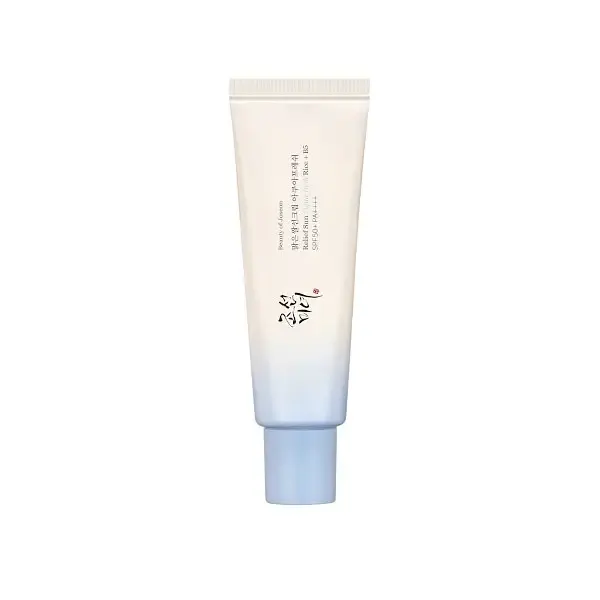
Beauty of Joseon Relief Sun Aqua-Fresh Rice + B5 SPF 50+ by Beauty of Joseon
Beauty of Joseon

Beauty of Joseon Relief Sun Aqua-Fresh Rice + B5 SPF 50+

Sunscreens

Safety score

Pregnancy-focused assessment

Low Risk84/100
Higher concernLower concern

One or more ingredients have a low-risk flag in MamaSkin's current assessment. Review the notes and your own circumstances.

Ingredient safety review updated 15 February 2026.

Check the current formula in MamaSkin

Copy the product name, download MamaSkin and search it for free. You can also scan the ingredient label on the product you own.

Download MamaSkin on the App StoreGet MamaSkin on Google Play

Ingredient breakdown

See how the listed formula falls across MamaSkin's pregnancy-focused risk bands.

44

No known risks

1

Low risk

0

Medium risk

0

High risk

Ingredients

Ingredients with a higher risk flag appear first, followed by the rest of the formula.

Butyloctyl Salicylate

Low Risk

Butyloctyl salicylate is a salicylate ester that the CIR panel considered safe as used in cosmetics when formulated to be non-irritating. Available safety data support low dermal toxicity, and at typical cosmetic use levels the expected systemic salicylate exposure from topical application is far below oral salicylate exposure, which fits a low-risk classification.

Sources: CIR Amended Safety Assessment of Salicylic Acid and Salicylates (2019); Fiume et al., Int J Toxicol (2003).

Water

No Known Risks

Oryza Sativa Seed Water

No Known Risks
Show all (45)

Dibutyl Adipate

No Known Risks

A diester used as an emollient, solvent and plasticizer. After reviewing additional dermal, reproductive, developmental and genotoxicity data, cosmetic safety reviewers concluded that dibutyl adipate is safe in current cosmetic use and concentration. No pregnancy-specific concern is identified for normal topical cosmetic exposure.

Sources: CIR: Amended Final Report of the Safety Assessment of Dibutyl Adipate https://cir-reports.cir-safety.org/view-attachment?id=f1624b41-8e74-ec11-8943-0022482f06a6

Ethylhexyl Triazone

No Known Risks

UV filter used in sunscreens and day products to help absorb UVB radiation. Reviewed cosmetic safety and regulatory sources support current cosmetic use within applicable concentration limits, with no pregnancy- or breastfeeding-specific topical concern identified in the material reviewed.

Sources: EU CosIng Annex VI / UV filters; EU scientific opinion on Ethylhexyl Triazone (Uvinul T 150)

1,2-Hexanediol

No Known Risks

1,2-Hexanediol is commonly used as a solvent and preservative booster; topical exposure is low and it has no known pregnancy or breastfeeding concerns at cosmetic concentrations, though very sensitive skin may occasionally react.

Sources: CIR; EU/UK Cosmetics Regulation

Drometrizole Trisiloxane

No Known Risks

Organic UVA/UVB filter used in sunscreens, also known as Mexoryl XL. Cosmetic safety and regulatory sources support use within applicable concentration limits, with no pregnancy- or breastfeeding-specific topical concern identified in the sources reviewed.

Sources: EU CosIng Annex VI / UV filters; SCCS / European Commission cosmetic UV filter safety assessments; PubMed

Polyglyceryl-3 Distearate

No Known Risks

A polyglycerin fatty-acid ester used as an emulsifier, dispersant or emollient. Cosmetic safety reviewers concluded that the assessed family of 274 polyglyceryl fatty acid esters is safe in current practices when formulated to be non-irritating. No pregnancy-specific concern was identified for normal topical cosmetic exposure.

Sources: CIR: Safety Assessment of Polyglyceryl Fatty Acid Esters as Used in Cosmetics https://www.cir-safety.org/supplementaldoc/safety-assessment-polyglyceryl-fatty-acid-esters-used-cosmetics-1

Terephthalylidene Dicamphor Sulfonic Acid

No Known Risks

Organic UVA filter used in sunscreens, also known as Ecamsule or Mexoryl SX. Cosmetic safety and regulatory sources support use within applicable concentration limits, with no pregnancy- or breastfeeding-specific topical concern identified in the sources reviewed.

Sources: EU CosIng Annex VI / UV filters; SCCS / European Commission cosmetic UV filter safety assessments; PubMed

Diethylamino Hydroxybenzoyl Hexyl Benzoate

No Known Risks

Modern UVA filter (often called Uvinul A+ or DHHB). Regulatory assessments have repeatedly evaluated this filter as safe in cosmetic products at concentrations up to 10%. The most recent SCCS advice focuses on controlling a manufacturing impurity (DnHexP) rather than on new toxicity of DHHB itself. Human biomonitoring data indicate low systemic exposure from normal sunscreen use, and current reviews do not identify specific reproductive or developmental toxicity signals at approved concentrations.

Sources: SCCP opinion referenced in Directive 2008/123/EC: concludes that Diethylamino Hydroxybenzoyl Hexyl Benzoate used at a maximum of 10% in cosmetic (including sunscreen) products does not pose a risk to the consumer. Regulatory summaries (e.g. CosLaw and CIRS Group updates, 2025) reviewing the SCCS DHHB opinion and reiterating that DHHB remains permitted up to 10% in EU cosmetics when impurity limits are respected.

Polymethylsilsesquioxane

No Known Risks

A silicone resin used as a film former, texture enhancer and opacifying ingredient in makeup, sunscreen and skin care. The Cosmetic Ingredient Review concluded that polysilsesquioxanes including Polymethylsilsesquioxane are safe in current cosmetic use. Available evidence does not identify a pregnancy- or breastfeeding-specific concern for normal topical cosmetic exposure.

Sources: CIR: Safety Assessment of Polysilsesquioxanes as Used in Cosmetics (Final Report) https://cir-safety.org/sites/default/files/PLYSIL122017FR.pdf

Tromethamine

No Known Risks

pH adjuster and buffer used to stabilise formulations. Reviewed cosmetic safety sources support normal topical use, with no pregnancy- or breastfeeding-specific topical signal identified in the material reviewed.

Sources: CIR: Safety Assessment of Tromethamine as Used in Cosmetics; EU CosIng / cosmetics regulatory inventory

Panthenol

No Known Risks

Panthenol (pro-vitamin B5) is used for soothing and barrier support and is generally well tolerated, with no known pregnancy or breastfeeding concerns in topical cosmetic use.

Sources: CIR; EU/UK Cosmetics Regulation

Pentylene Glycol

No Known Risks

Humectant and preservative booster. Considered safe for cosmetic use with low systemic exposure.

Sources: Cosmetic Ingredient Review (US); Scientific Committee on Consumer Safety (EU)

Glyceryl Stearate

No Known Risks

Emulsifier and emollient used to stabilise creams and lotions. Not associated with pregnancy-specific concerns at cosmetic exposure.

Sources: Cosmetic Ingredient Review (US); Scientific Committee on Consumer Safety (EU)

Silica

No Known Risks

Mineral absorbent and texture aid used to mattify and improve slip. Reviewed cosmetic safety sources support normal topical cosmetic use; this assessment does not cover deliberate inhalation of loose powder.

Sources: CIR: Safety Assessment of Silica and Silicates as Used in Cosmetics; EU CosIng / cosmetics regulatory inventory

Caprylyl Methicone

No Known Risks

Volatile/low-residue silicone emollient used to improve spreadability and sensory feel. Reviewed cosmetic safety sources support normal topical use, with no pregnancy- or breastfeeding-specific topical signal identified in the material reviewed.

Sources: CIR: Amended Safety Assessment of Dimethicone, Methicone, and Substituted-Methicone Polymers as Used in Cosmetics; EU CosIng / cosmetics regulatory inventory

Avena Sativa Kernel Extract

No Known Risks

An oat kernel extract used for skin conditioning and soothing. Cosmetic safety reviewers concluded that Avena sativa kernel extract and most assessed oat-derived ingredients are safe in current practices of use and concentration when formulated to be non-sensitising and manufactured with appropriate impurity controls. Oat allergy or contact sensitivity can occur in susceptible people, but no pregnancy-specific concern was identified for normal topical cosmetic exposure.

Sources: CIR: Safety Assessment of Avena sativa (Oat)-Derived Ingredients as Used in Cosmetics https://cir-reports.cir-safety.org/view-attachment/?id=947dbaa1-8e74-ec11-8943-0022482f06a6

Cynara Scolymus Leaf Extract

No Known Risks

Camellia Sinensis Leaf Water

No Known Risks

Hydrogenated Lecithin

No Known Risks

Hydrogenated emulsifier used to support skin barrier feel. Not associated with pregnancy-specific concerns.

Sources: Cosmetic Ingredient Review (US)

Oryza Sativa Bran Oil

No Known Risks

This plant-derived fatty oil or butter is used as an emollient and skin-conditioning ingredient. The Cosmetic Ingredient Review concluded that assessed plant-derived fatty acid oils are safe as used in cosmetics; individual plant allergy and ingredient purity remain practical considerations.

Sources: CIR: Safety Assessment of Plant-Derived Fatty Acid Oils https://cir-reports.cir-safety.org/view-attachment/?id=ad62ac6b-8e74-ec11-8943-0022482f06a6

Sodium Hyaluronate

No Known Risks

Sodium hyaluronate (hyaluronic acid salt) is used for hydration and cushioning, with very low systemic absorption from topical use and no known pregnancy or breastfeeding concerns at cosmetic concentrations.

Sources: CIR; EU/UK Cosmetics Regulation

Bis-Ethylhexyloxyphenol Methoxyphenyl Triazine

No Known Risks

Modern broad-spectrum UV filter (often known as Tinosorb S). It has a high molecular weight and is formulated to remain mainly in the outer skin layers, with very low systemic absorption at cosmetic use levels. EU regulatory assessments and independent risk–benefit reviews have evaluated this filter as safe up to 10% in sunscreens, with no specific reproductive or developmental toxicity signals identified in animals or humans at permitted concentrations.

Sources: European Union Cosmetic Products Regulation (Annex VI): Bis-Ethylhexyloxyphenol Methoxyphenyl Triazine listed as an approved UV filter up to 10% in cosmetic products. Mikkelsen SH et al. “Survey and health assessment of UV filters” – Danish EPA, 2015: includes Bis-Ethylhexyloxyphenol Methoxyphenyl Triazine and notes low systemic exposure at approved use levels.

Propanediol

No Known Risks

Solvent and humectant used to improve texture and ingredient solubility. Low systemic exposure expected from topical cosmetic use.

Sources: Cosmetic Ingredient Review (US); Scientific Committee on Consumer Safety (EU)

Potassium Cetyl Phosphate

No Known Risks

An alkyl phosphate surfactant and emulsifier used to stabilise creams, sunscreens and makeup. Cosmetic safety reviewers concluded that the assessed alkyl phosphates, including potassium cetyl phosphate, are safe in current practices of use and concentration when formulated to be non-irritating. Dermal penetration is expected to be limited, and no pregnancy-specific concern is identified for normal topical cosmetic exposure.

Sources: CIR: Safety Assessment of Alkyl Phosphates https://www.cir-safety.org/sites/default/files/alkyl%20phosphates_0.pdf

Poly C10-30 Alkyl Acrylate

No Known Risks

Methylpropanediol

No Known Risks

Solvent and humectant used to improve texture and ingredient delivery in topical cosmetic formulas. Reviewed cosmetic ingredient references do not identify a pregnancy- or breastfeeding-specific concern for normal topical use.

Sources: CIR cosmetic ingredient safety references for alkane diols; EU CosIng / cosmetics regulatory inventory

Carbomer

No Known Risks

Polymer thickener used to create gel textures. Large-molecule ingredient with negligible systemic absorption.

Sources: Cosmetic Ingredient Review (US); Scientific Committee on Consumer Safety (EU)

Acrylates/C10-30 Alkyl Acrylate Crosspolymer

No Known Risks

Polymer thickener and stabiliser used in creams and sunscreens. Low systemic exposure expected.

Sources: Cosmetic Ingredient Review (US); Scientific Committee on Consumer Safety (EU)

Ethylhexylglycerin

No Known Risks

Preservative booster and skin-conditioning agent. Considered safe for cosmetic use with low systemic exposure when used as intended.

Sources: Scientific Committee on Consumer Safety (EU); Cosmetic Ingredient Review (US)

Xanthan Gum

No Known Risks

Natural polysaccharide thickener used for stability and texture. Not associated with pregnancy-specific concerns.

Sources: European cosmetics regulatory framework

Glycerin

No Known Risks

Glycerin is a widely used humectant that supports hydration and the skin barrier, with a long safety record and no known pregnancy or breastfeeding concerns in topical cosmetic use.

Sources: CIR; EU/UK Cosmetics Regulation

Polyether-1

No Known Risks

Polyquaternium-51

No Known Risks

A large phosphorylcholine-containing conditioning polymer. Cosmetic safety reviewers concluded that acryloyloxyethyl phosphorylcholine polymers, including polyquaternium-51, are safe in current practices. Available testing did not indicate sensitisation, and dermal absorption of the finished polymer is expected to be limited.

Sources: CIR: Safety Assessment of Acryloyloxyethyl Phosphorylcholine Polymers as Used in Cosmetics https://www.cir-safety.org/sites/default/files/FR_AcryloyloxyethylPhosphorylcholinePolymers_062022.pdf

Beta-Glucan

No Known Risks

Film-forming polysaccharide used for soothing and hydration support. Reviewed cosmetic safety sources support normal topical use, with no pregnancy- or breastfeeding-specific topical signal identified in the material reviewed.

Sources: CIR: Safety Assessment of Microbial Polysaccharide Gums as Used in Cosmetics; EU CosIng / cosmetics regulatory inventory

Biosaccharide Gum-1

No Known Risks

Microbial polysaccharide used for film forming, soothing, and hydration support. Reviewed cosmetic safety sources support normal topical use, with no pregnancy- or breastfeeding-specific topical signal identified in the material reviewed.

Sources: CIR: Safety Assessment of Microbial Polysaccharide Gums as Used in Cosmetics; EU CosIng / cosmetics regulatory inventory

Inositol

No Known Risks

A naturally occurring sugar alcohol used for conditioning and hydration. Cosmetic safety reviewers concluded that inositol is safe in current practices of use and concentration. No pregnancy-specific concern was identified for normal topical cosmetic exposure.

Sources: CIR: Final Safety Assessment of Inositol, December 2024; December 2025 Quick Reference Table https://cir-safety.org/sites/default/files/QRT-Update-Dec2025.pdf

Tocopherol

No Known Risks

Vitamin E antioxidant used to protect oils and support the skin barrier. Not associated with pregnancy-specific concerns at cosmetic exposure.

Sources: Cosmetic Ingredient Review (US); Scientific Committee on Consumer Safety (EU)

Ferulic Acid

No Known Risks

Citric Acid

No Known Risks

pH adjuster used in small amounts to maintain product stability. Not associated with pregnancy-specific concerns.

Sources: Scientific Committee on Consumer Safety (EU); European cosmetics regulatory framework

Ceramide NP

No Known Risks

Skin-identical barrier lipid used to support the stratum corneum and reduce dryness. Reviewed cosmetic safety sources support normal topical use, with no pregnancy- or breastfeeding-specific topical signal identified in the material reviewed.

Sources: CIR: Safety Assessment of Ceramides as Used in Cosmetics; EU CosIng / cosmetics regulatory inventory

Phytosphingosine

No Known Risks

Skin-conditioning lipid used in barrier-support formulas, commonly alongside ceramides and cholesterol. Reviewed cosmetic ingredient references do not identify a pregnancy- or breastfeeding-specific concern for normal topical use.

Sources: CIR cosmetic ingredient safety references for sphingolipids/skin-conditioning lipids; EU CosIng / cosmetics regulatory inventory

Rice Amino Acids

No Known Risks

Rice Sh-Oligopeptide-1

No Known Risks

Formulations can change without notice. For the most accurate result, compare this list with your packaging and scan the exact ingredient label in MamaSkin when you repurchase.

How to use this assessment

The risk band is the primary conclusion. The score adds detail within that band and should not be used to compare products as if a one-point difference were clinically meaningful.

MamaSkin provides pregnancy-focused information, not medical advice. Your midwife, GP, pharmacist or dermatologist should take priority when your circumstances differ from typical cosmetic use.

Read the full methodology