Biodance
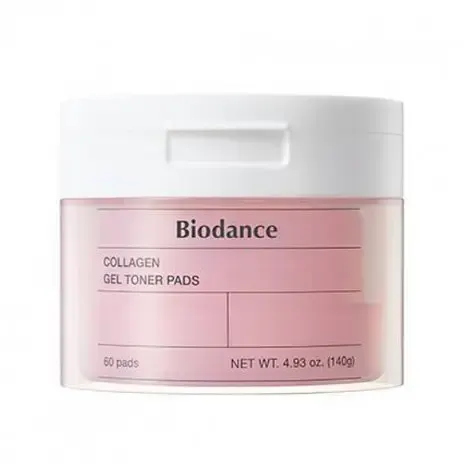
Biodance Collagen Gel Toner Pads
Low risk79/100

Sheet Masks
Some ingredients carry a low-risk flag. Read the formulation context before deciding.
34 of 34 ingredients rated
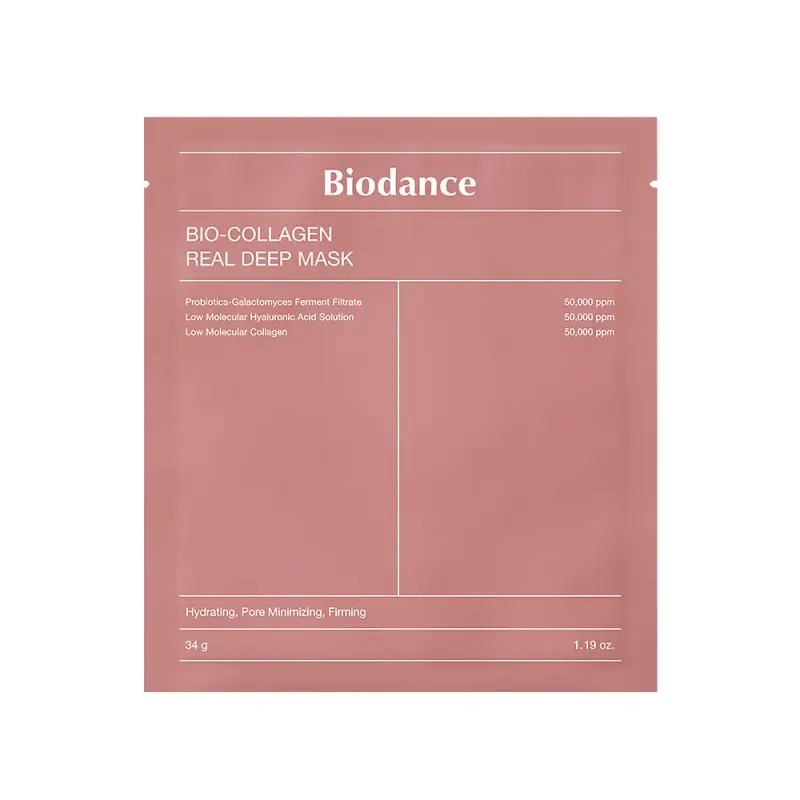
MamaSkin rates the recorded formula for Biodance Real Deep Mask as Low risk (79/100). Review the ingredient context and any manual-review explanation before deciding.
Manual review 2026-07-13: The recorded formula was manually reviewed. This formula contains Dipotassium Glycyrrhizate, classified as low risk under MamaSkin's pregnancy-screening policy. This is a cautious classification, not a known pregnancy contraindication; see the highlighted ingredient entry for its rationale and sources.
34 of 34 ingredient entries on this page have a recorded score, evidence summary and source text. That describes documentation coverage, not proof that the finished formula has been clinically tested during pregnancy.
How we assess productsThe recorded formula, with evidence behind each rating. Unmatched ingredients are marked Not assessed in grey.
A purified glycyrrhizic-acid salt used as a soothing and skin-conditioning ingredient. Cosmetic safety reviewers concluded that dipotassium glycyrrhizate is safe in current cosmetic use and noted poor dermal absorption. MamaSkin nevertheless applies a cautious low-risk classification for consistency with the existing licorice family because high oral glycyrrhizin exposure has pregnancy-related concerns; this is not a topical contraindication.
Sources: CIR: Safety Assessment of Glycyrrhizic Acid and Derivatives https://cir-reports.cir-safety.org/view-attachment/?id=49a63435-8e74-ec11-8943-0022482f06a6
Water (Aqua) is the standard purified water used as a cosmetic solvent. It has no pregnancy-specific risk in normal topical use.
Sources: https://pubchem.ncbi.nlm.nih.gov/compound/Water, https://single-market-economy.ec.europa.eu/sectors/cosmetics/cosmetic-ingredient-database/cosing-glossary-ingredients_en
Glycerin is a widely used humectant that supports hydration and the skin barrier, with a long safety record and no known pregnancy or breastfeeding concerns in topical cosmetic use.
Sources: CIR; EU/UK Cosmetics Regulation
Film-forming polymer used for texture and wear. Large-molecule ingredient with low systemic absorption.
Sources: Cosmetic Ingredient Review (US); Scientific Committee on Consumer Safety (EU)
Niacinamide (vitamin B3) is widely used for barrier support and tone/texture benefits, and is generally considered safe in pregnancy and breastfeeding when used topically at cosmetic concentrations.
Sources: CIR; EU/UK Cosmetics Regulation
ceratonia siliqua (carob) gum is a sugar-derived humectant, polysaccharide or gum used for hydration and texture. Relevant cosmetic assessments and low expected dermal absorption did not identify a pregnancy-specific concern for normal topical use. Cosmetic-grade purity and ordinary sensitivity precautions remain applicable.
Sources: CIR saccharide-humectant and polysaccharide ingredient assessments; CIR Quick Reference Table https://www.cir-safety.org/supplementaldoc/quick-reference-table-december-2025.
A red-algae-derived extract used for skin conditioning, hydration or formula texture. Cosmetic safety reviewers concluded that the assessed red algae ingredients, including this extract, are safe in current practices of use and concentration. Cosmetic manufacturers should control naturally occurring contaminants such as heavy metals and arsenic.
Sources: CIR: Safety Assessment of Red Algae-Derived Ingredients as Used in Cosmetics https://cir-reports.cir-safety.org/view-attachment/?id=cef5b6e9-8c74-ec11-8943-0022482f06a6
Dipropylene glycol is used as a solvent and carrier in cosmetics; topical exposure is low and it has no known pregnancy or breastfeeding concerns at cosmetic concentrations.
Sources: CIR; EU/UK Cosmetics Regulation
Betaine is a humectant/osmolyte used to support hydration and reduce irritation potential in formulas; it is considered low concern with no known pregnancy or breastfeeding risks in topical cosmetic use.
Sources: CIR; EU/UK Cosmetics Regulation
A seaweed-derived polysaccharide used as a thickener and stabiliser. Cosmetic safety reviewers included algin in the plant polysaccharide gums group and concluded that the group is safe in current practices of use and concentration. No pregnancy-specific concern was identified for normal topical cosmetic use.
Sources: CIR: Safety Assessment of Plant Polysaccharide Gums as Used in Cosmetics https://www.cir-safety.org/sites/default/files/plpogu092014slr.pdf
A plant-derived polysaccharide used to thicken and stabilise formulas. Cosmetic safety reviewers concluded that agar is safe in current practices. Loose powder should not be deliberately inhaled.
Sources: CIR: Plant Polysaccharide Gums final assessment, September 2015; December 2025 Quick Reference Table https://cir-safety.org/sites/default/files/QRT-Update-Dec2025.pdf
Hydroxyacetophenone is used as an antioxidant and preservative-support ingredient; it is generally considered low concern in topical cosmetic use with no known pregnancy or breastfeeding risks at typical concentrations.
Sources: CIR; EU/UK Cosmetics Regulation
1,2-Hexanediol is commonly used as a solvent and preservative booster; topical exposure is low and it has no known pregnancy or breastfeeding concerns at cosmetic concentrations, though very sensitive skin may occasionally react.
Sources: CIR; EU/UK Cosmetics Regulation
A common inorganic electrolyte used to control viscosity, stabilise a formula or condition skin. At cosmetic concentrations these salts do not present a pregnancy-specific concern; concentrated formulas can still sting damaged or very sensitive skin.
Sources: European Commission CosIng ingredient inventory; PubChem compound records for potassium chloride, magnesium chloride and calcium chloride; established pharmaceutical and food use of these electrolytes.
Humectant and preservative booster used to support product stability. Low systemic exposure expected from topical cosmetic use.
Sources: Scientific Committee on Consumer Safety (EU); Cosmetic Ingredient Review (US)
This sugar or sugar alcohol is used as a humectant and skin-conditioning ingredient. Cosmetic Ingredient Review assessments support these saccharides in current cosmetic use, with no pregnancy- or breastfeeding-specific concern identified for normal topical exposure.
Sources: CIR: Safety Assessment of Monosaccharides Disaccharides and Related Ingredients as Used in Cosmetics https://cir-safety.org/supplementaldoc/safety-assessment-monosaccharides-disaccharides-and-related-ingredients-used-cosmeti
Allantoin is a soothing skin protectant commonly used to help reduce irritation and support comfort, with no known pregnancy or breastfeeding concerns in topical cosmetic use.
Sources: CIR; EU/UK Cosmetics Regulation
Polyglycerin fatty-acid ester used as an emulsifier and solubilizer. Reviewed cosmetic safety references do not identify a pregnancy- or breastfeeding-specific concern for normal topical cosmetic use.
Sources: CIR cosmetic ingredient safety references for polyglyceryl fatty acid esters; EU CosIng / cosmetics regulatory inventory
Preservative booster and skin-conditioning agent. Considered safe for cosmetic use with low systemic exposure when used as intended.
Sources: Scientific Committee on Consumer Safety (EU); Cosmetic Ingredient Review (US)
A yeast-derived ferment, filtrate or extract used for skin conditioning. Cosmetic safety reviewers concluded that cosmetic ingredients derived from the reviewed yeast species are safe in current practices; this record applies to the standardized cosmetic INCI material, not an unspecified live culture.
Sources: CIR: Yeast-derived ingredients final assessment, June 2024; Galactomyces Ferment Filtrate conclusion; December 2025 Quick Reference Table https://cir-safety.org/sites/default/files/QRT-Update-Dec2025.pdf
Skin-conditioning ingredient commonly used in leave-on skincare. Reviewed cosmetic safety sources support normal topical use, with no pregnancy- or breastfeeding-specific topical signal identified in the material reviewed.
Sources: CIR: Safety Assessment of Adenosine Ingredients as Used in Cosmetics; EU CosIng / cosmetics regulatory inventory
Disodium EDTA is a chelating agent used to improve formula stability and performance; it is considered low concern in topical cosmetic use, with no known pregnancy or breastfeeding risks at typical concentrations.
Sources: CIR; EU/UK Cosmetics Regulation
Pear fruit extract used in topical cosmetic preparations, not pear-seed oil or leaf extract. Familiar fruit constituents and ordinary diluted skin exposure support No Known Risks; direct pregnancy studies are limited. Cosmetic-grade purity, preservation and source-allergy precautions matter. The assessment does not extend to concentrated medicinal extracts or oral supplements.
Sources: https://www.cosmos-standard.org/en/databases/certified-raw-materials/?page=209
A rose flower distillate used for fragrance and skin conditioning. Cosmetic safety reviewers concluded that Rosa damascena-derived ingredients, including flower water, are safe in current practices when formulated to be non-irritating and non-sensitising. Natural fragrance allergens can still affect sensitive users.
Sources: CIR: Safety Assessment of Rosa damascena-Derived Ingredients as Used in Cosmetics https://www.cir-safety.org/sites/default/files/FR_RosaDamascena_032022.pdf
An animal-derived protein, peptide or secretion filtrate used for hydration and skin conditioning. These large components are expected to have low systemic absorption through intact skin. No pregnancy-specific hazard signal was identified for normal topical cosmetic use. Cosmetic-grade materials should be processed to control microorganisms, infectious agents and source-derived impurities, and protein allergy remains possible.
Sources: CIR: Safety Assessment of Skin and Connective Tissue-Derived Proteins and Peptides https://www.cir-safety.org/sites/default/files/tsupep092017final.pdf; European Commission CosIng ingredient inventory; peer-reviewed cosmetic literature on snail secretion filtrate.
A botanical extract, juice or water used primarily for skin conditioning, moisturising, soothing or antioxidant support. Direct pregnancy studies of the named cosmetic material were not identified. No reproductive or developmental hazard was identified for normal topical exposure to a compliant finished cosmetic; oral herbal or medicinal use is outside this classification.
Sources: European Commission CosIng ingredient inventory; Cosmetic Ingredient Review botanical safety-assessment framework and relevant plant-family assessments. No ingredient-specific human pregnancy study of normal topical cosmetic use was identified.
Melon fruit extract used for topical skin conditioning, distinct from seed oil or a concentrated medicinal preparation. Familiar fruit constituents and ordinary cosmetic exposure support No Known Risks; direct pregnancy studies are limited. Cosmetic purity, preservation and source-allergy precautions matter. This assessment does not claim an exact negative reproductive study or cover oral supplements.
Sources: https://precision.fda.gov/ginas/app/ui/substances/77511853-57da-4477-b40b-dae01cca7db1
Hedera helix (ivy) leaf/stem extract is the same named leaf-and-stem cosmetic preparation without the explanatory common name. It is not ivy-gourd fruit extract or ivy essential oil. No pregnancy-specific harm has been identified for ordinary non-irritating topical use; direct pregnancy studies are limited. Cosmetic purity and local-allergy precautions matter. Oral ivy medicines, berries and concentrated dosing are outside this assessment.
Sources: https://cosmileeurope.eu/lt/inci/sudedamoji-dalis/6293/hedera-helix-leaf-stem-extract/
Solvent and humectant commonly used in leave-on products. Not associated with pregnancy-specific concerns at cosmetic exposure levels.
Sources: Cosmetic Ingredient Review (US); Scientific Committee on Consumer Safety (EU)
Humectant and skin-conditioning ingredient in the hyaluronate family. Reviewed cosmetic safety sources support current cosmetic use, with no pregnancy- or breastfeeding-specific topical concern identified in the material reviewed.
Sources: CIR: Safety Assessment of Hyaluronates as Used in Cosmetics; EU CosIng / cosmetics regulatory inventory
Ferment-derived skin-conditioning ingredient used in microbiome-support and soothing formulas. Reviewed cosmetic safety sources support current cosmetic use, with no pregnancy- or breastfeeding-specific topical concern identified in the material reviewed.
Sources: CIR: Safety Assessment of Lactobacillus Ferment Ingredients as Used in Cosmetics; EU CosIng / cosmetics regulatory inventory
A fermentation-derived cosmetic ingredient used for conditioning or formula support. Composition depends on the organism, substrate and manufacturing controls. No pregnancy-specific reproductive or developmental hazard was identified for normal topical exposure; ingestion is outside this classification.
Sources: European Commission CosIng ingredient inventory; CIR safety framework for microbial, fermentation-derived and biological-source cosmetic ingredients.
A lysate produced from Lactobacillus fermentation and used for skin conditioning. Cosmetic safety reviewers concluded that Lactobacillus ferment lysate is safe in current practices of use and concentration.
Sources: CIR: Lactobacillus Ferment Lysate final safety assessment, September 2025; December 2025 Quick Reference Table https://cir-safety.org/sites/default/files/QRT-Update-Dec2025.pdf
Vitamin E antioxidant used to protect oils and support the skin barrier. Not associated with pregnancy-specific concerns at cosmetic exposure.
Sources: Cosmetic Ingredient Review (US); Scientific Committee on Consumer Safety (EU)
Water, Glycerin, Acrylates Copolymer, Niacinamide, Ceratonia Siliqua (Carob) Gum, Chondrus Crispus Extract, Dipropylene Glycol, Betaine, Algin, Agar, Hydroxyacetophenone, 1,2-Hexanediol, Potassium Chloride, Caprylyl Glycol, Sucrose, Allantoin, Polyglyceryl-10 Laurate, Ethylhexylglycerin, Galactomyces Ferment Filtrate, Adenosine, Disodium EDTA, Pyrus Communis (Pear) Fruit Extract, Rosa Damascena Flower Water, Collagen Extract, Iris Florentina Root Extract, Cucumis Melo (Melon) Fruit Extract, Hedera Helix (Ivy) Leaf/Stem Extract, Butylene Glycol, Dipotassium Glycyrrhizate, Hydrolyzed Hyaluronic Acid, Lactobacillus Ferment, Bifida Ferment Filtrate, Lactobacillus Ferment Lysate, Tocopherol
Ingredient ratings refreshed 1 October 2026. Formulas vary by market and can change. Always compare with your packaging.
Manual review 2026-07-13: The recorded formula was manually reviewed. This formula contains Dipotassium Glycyrrhizate, classified as low risk under MamaSkin's pregnancy-screening policy. This is a cautious classification, not a known pregnancy contraindication; see the highlighted ingredient entry for its rationale and sources. The product score is a stored assessment, not a clinical safety guarantee.
No. The recorded formula lists a licorice-derived cosmetic ingredient, not an oral licorice product. Different ingredients and routes of exposure should not be treated as interchangeable. Use the exact ingredient's rating and evidence below, together with any manual-review note; this score does not assess teas, supplements or other licorice formulas.
34 of 34 ingredient entries on this page have a recorded score, evidence summary and source text. That describes documentation coverage, not proof that the finished formula has been clinically tested during pregnancy.
Only if the ingredient list on your packaging matches the recorded formula shown here. Formulas can differ by market and change over time. Compare the full list, not just the product name; report a mismatch if it differs.
No. This page presents a pregnancy-focused product assessment. Do not infer a breastfeeding conclusion from its score or label; breastfeeding requires a separate assessment of the formula and how it is used.