COSRX
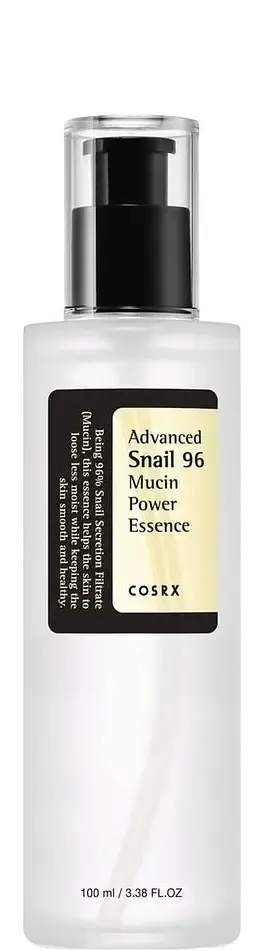
COSRX Advanced Snail 96 Mucin Power Essence
Low risk75/100

Some ingredients carry a low-risk flag. Read the formulation context before deciding.
24 of 24 ingredients rated
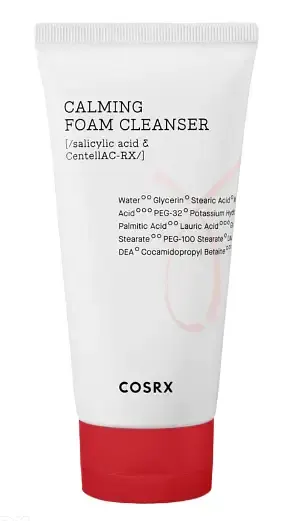
MamaSkin rates the recorded formula for COSRX AC Collection Calming Foam Cleanser as Low risk (79/100). Review the ingredient context and any manual-review explanation before deciding.
The recorded formula includes 2 ingredient entries with risk flags: Lauramide DEA (Low risk), Salicylic Acid (Low risk). These are ingredient-level flags; they do not replace the stored product assessment or account for every formulation detail.
24 of 24 ingredient entries on this page have a recorded score, evidence summary and source text. That describes documentation coverage, not proof that the finished formula has been clinically tested during pregnancy.
How we assess productsThe recorded formula, with evidence behind each rating. Unmatched ingredients are marked Not assessed in grey.
A diethanolamide surfactant and foam booster closely related to Cocamide DEA. Historical concerns centre on residual free diethanolamine and formation of N-nitrosodiethanolamine when DEA amides are combined with nitrosating agents; concentrated material can also irritate skin or eyes. CIR has reviewed Lauramide DEA within the DEA-amide group, with manufacturing and formulation restrictions intended to control these concerns. No human pregnancy contraindication from normal topical cosmetic use was identified, but MamaSkin assigns a precautionary low-risk band for consistency with its existing Cocamide DEA policy.
Sources: CIR: Final Report on Cocamide DEA, Lauramide DEA, Linoleamide DEA and Oleamide DEA https://www.cir-safety.org/ingredient/lauramide-dea; CIR: Amended Safety Assessment of DEA Amides https://cir-safety.org/sites/default/files/amides092011FAR.pdf; European Commission CosIng and EU Cosmetic Regulation impurity and nitrosamine restrictions for DEA-derived ingredients.
Salicylic acid is a beta-hydroxy acid (BHA) used for acne, exfoliation and preservation. Common over-the-counter acne strengths are 0.5-2%, including 0.5%, 1% and 2%; the FDA lists this acne-treatment range. Pregnancy guidance distinguishes these topical products from oral salicylates and strong peels. MotherToBaby reports that ACOG allows over-the-counter topical salicylic acid during pregnancy when needed. Only a small amount of topical acne treatment usually reaches the bloodstream through intact skin; exposure can increase with damaged skin, frequent use or treatment of large areas. Direct salicylic-acid-specific pregnancy data remain limited. MamaSkin's Low Risk rating is a dose-and-use precaution, not evidence that ordinary low-strength skincare causes fetal harm or a recommendation to avoid every BHA product. Use as directed on limited areas of intact skin. Discuss strengths above 2%, chemical peels, wart/corn removers, large-area treatment or use under occlusion with your clinician before use during pregnancy. The American Academy of Dermatology specifically advises discussing and limiting higher-strength salicylic acid above 2%. Percentage alone does not establish safety: formulation, area, frequency and skin condition also matter. General cosmetic-use limits are not pregnancy-specific safety thresholds.
Sources: https://mothertobaby.org/fact-sheets/topical-acne-treatments-pregnancy/; https://www.aad.org/public/everyday-care/skin-care-secrets/routine/pregnancy-skin-care; https://www.accessdata.fda.gov/drugsatfda_docs/omuf/monographs/OTC%20Monograph_M006-Topical%20Acne%20drug%20products%20for%20OTC%20Human%20Use%2011.23.2021.pdf; https://health.ec.europa.eu/publications/salicylic-acid-cas-no-69-72-7-ec-no-200-712-3_en; https://www.ncbi.nlm.nih.gov/books/NBK500675/
Water (Aqua) is the standard purified water used as a cosmetic solvent. It has no pregnancy-specific risk in normal topical use.
Sources: https://pubchem.ncbi.nlm.nih.gov/compound/Water, https://single-market-economy.ec.europa.eu/sectors/cosmetics/cosmetic-ingredient-database/cosing-glossary-ingredients_en
Glycerin is a widely used humectant that supports hydration and the skin barrier, with a long safety record and no known pregnancy or breastfeeding concerns in topical cosmetic use.
Sources: CIR; EU/UK Cosmetics Regulation
Stearic acid is a fatty acid used to stabilise emulsions and improve texture; it is considered low concern in topical cosmetics with no known pregnancy or breastfeeding risks at typical concentrations.
Sources: CIR; EU/UK Cosmetics Regulation
This naturally occurring fatty acid is used for emolliency, cleansing support or texture. The Cosmetic Ingredient Review concluded that assessed fatty acids are safe in current cosmetic use when formulated to be non-irritating and non-sensitizing; some can increase penetration of other formula ingredients.
Sources: CIR: Safety Assessment of Fatty Acids and Fatty Acid Salts as Used in Cosmetics https://cir-safety.org/supplementaldoc/safety-assessment-fatty-acids-fatty-acid-salts-used-cosmetic
A polyethylene glycol used as a humectant, solvent or texture aid. Cosmetic safety reviewers concluded that PEG-32 is safe in current practices of use and concentration. Manufacturing controls should limit residual ethylene oxide and 1,4-dioxane.
Sources: CIR: PEG-6, PEG-8, PEG-32, PEG-75, PEG-150 and PEG-14M conclusions, JACT 12(4), 1993 and final report June 2010; December 2025 Quick Reference Table https://cir-safety.org/sites/default/files/QRT-Update-Dec2025.pdf
A strongly alkaline raw material used mainly in small amounts to adjust pH or during soap manufacture. Concentrated potassium hydroxide is corrosive, but that raw-material hazard is not representative of a correctly formulated finished cosmetic. Cosmetic safety reviewers concluded that inorganic hydroxides are safe in current cosmetic uses when products are formulated to be non-irritating, with special handling conditions for depilatories and hair straighteners. No pregnancy-specific concern is identified for normal use of a compliant finished product.
Sources: CIR: Safety Assessment of Inorganic Hydroxides as Used in Cosmetics https://www.cir-safety.org/supplementaldoc/safety-assessment-inorganic-hydroxides-used-cosmetics-0
Fatty acid used as an emollient, cleansing-support and texture ingredient. It is not associated with pregnancy- or breastfeeding-specific concerns in normal topical cosmetic use.
Sources: CIR: Safety Assessment of Fatty Acids and Fatty Acid Salts as Used in Cosmetics; EU CosIng / cosmetics regulatory inventory
This naturally occurring fatty acid is used for emolliency, cleansing support or texture. The Cosmetic Ingredient Review concluded that assessed fatty acids are safe in current cosmetic use when formulated to be non-irritating and non-sensitizing; some can increase penetration of other formula ingredients.
Sources: CIR: Safety Assessment of Fatty Acids and Fatty Acid Salts as Used in Cosmetics https://cir-safety.org/supplementaldoc/safety-assessment-fatty-acids-fatty-acid-salts-used-cosmetic
Emulsifier and emollient used to stabilise creams and lotions. Not associated with pregnancy-specific concerns at cosmetic exposure.
Sources: Cosmetic Ingredient Review (US); Scientific Committee on Consumer Safety (EU)
Emulsifier used to stabilize creams and lotions. Reviewed cosmetic safety sources support use of PEG stearates in cosmetics, with no pregnancy- or breastfeeding-specific concern identified for normal topical use.
Sources: CIR: Safety Assessment of PEG Stearates as Used in Cosmetics; EU CosIng / cosmetics regulatory inventory
Mild amphoteric surfactant used in cleansers and shampoos to boost foam and reduce harshness. Reviewed cosmetic safety sources support present cosmetic use, with no pregnancy- or breastfeeding-specific topical signal identified; the main practical caveat is irritation or allergy in some users, sometimes linked to sensitising impurities.
Sources: CIR: Safety Assessment of Cocamidopropyl Betaine and Related Amidopropyl Betaines as Used in Cosmetics; EU CosIng / cosmetics regulatory inventory
A fatty-acid salt used mainly as a soap, cleanser, emulsifier or formula structurant. Cosmetic safety reviewers concluded that sodium palmate and potassium cocoate are safe in current cosmetic practices, with non-irritating formulation conditions where specified.
Sources: CIR: Sodium Palmate conclusion, IJT 36(Suppl. 3), 2017; Potassium Cocoate conclusions, IJT 30(Suppl. 1), 2011 and IJT 34(Suppl. 2), 2015; December 2025 Quick Reference Table https://cir-safety.org/sites/default/files/QRT-Update-Dec2025.pdf
Sodium chloride is used to adjust viscosity and texture in formulations; topical cosmetic use is considered low concern with no known pregnancy or breastfeeding risks.
Sources: CIR; EU/UK Cosmetics Regulation
A long-chain fatty acid used as an emollient, cleanser or emulsifier. Cosmetic safety reviewers concluded that the assessed fatty acids, including arachidic acid, are safe in current practices when formulated to be non-irritating and non-sensitising.
Sources: CIR: Fatty Acids final assessment, April 2019; December 2025 Quick Reference Table https://cir-safety.org/sites/default/files/QRT-Update-Dec2025.pdf
Lavandin oil, a volatile fragrance oil that may irritate or sensitise susceptible skin. Available cosmetic and fragrance information focuses on irritation, sensitisation and constituent quality. No pregnancy-specific hazard was identified for normal topical exposure to a compliant finished cosmetic.
Sources: European Commission CosIng ingredient inventory; Cosmetic Ingredient Review botanical safety-assessment framework and relevant ingredient-family assessments. No ingredient-specific human pregnancy study of normal topical cosmetic use was identified.
Linalool is a common fragrance component used at low levels in cosmetics; it is not a pregnancy-specific concern in topical use, but it is a recognised fragrance allergen and may trigger irritation or sensitisation in some people, especially if the product oxidises over time.
Sources: EU/UK cosmetics (fragrance allergen labelling); IFRA; toxicology reviews
Disodium EDTA is a chelating agent used to improve formula stability and performance; it is considered low concern in topical cosmetic use, with no known pregnancy or breastfeeding risks at typical concentrations.
Sources: CIR; EU/UK Cosmetics Regulation
This naturally occurring fatty acid is used for emolliency, cleansing support or texture. The Cosmetic Ingredient Review concluded that assessed fatty acids are safe in current cosmetic use when formulated to be non-irritating and non-sensitizing; some can increase penetration of other formula ingredients.
Sources: CIR: Safety Assessment of Fatty Acids and Fatty Acid Salts as Used in Cosmetics https://cir-safety.org/supplementaldoc/safety-assessment-fatty-acids-fatty-acid-salts-used-cosmetic
Limonene is a common fragrance component used at low levels in cosmetics; it is not a pregnancy-specific concern in topical use, but it is a recognised fragrance allergen and may trigger irritation or sensitisation in some people, especially if the product oxidises over time.
Sources: EU/UK cosmetics (fragrance allergen labelling); IFRA; toxicology reviews
A triterpene glycoside associated with Centella asiatica and used in soothing and skin-conditioning formulas. Pregnancy-specific evidence for isolated topical asiaticoside is limited. Cosmetic safety reviewers considered Centella-derived ingredients acceptable at current cosmetic exposure but noted that asiaticoside and related triterpenes may contribute to sensitisation. No pregnancy-specific topical contraindication was identified in the reviewed material.
Sources: CIR: Safety Assessment of Centella asiatica-Derived Ingredients as Used in Cosmetics https://cir-safety.org/supplementaldoc/safety-assessment-centella-asiatica-derived-ingredients-used-cosmetics-1
A triterpene associated with Centella asiatica and used in skin-conditioning formulas. Pregnancy-specific evidence for isolated topical asiatic acid is limited. Cosmetic safety reviewers considered Centella-derived ingredients acceptable at current cosmetic exposure but identified asiatic acid and related constituents as potential contributors to sensitisation. No pregnancy-specific topical contraindication was identified in the reviewed material.
Sources: CIR: Safety Assessment of Centella asiatica-Derived Ingredients as Used in Cosmetics https://cir-safety.org/supplementaldoc/safety-assessment-centella-asiatica-derived-ingredients-used-cosmetics-1
A triterpene associated with Centella asiatica and used in soothing and skin-conditioning formulas. Pregnancy-specific evidence for isolated topical madecassic acid is limited. Evidence for the related Centella ingredient family supports current cosmetic exposure when products are formulated to avoid sensitisation; no pregnancy-specific topical contraindication was identified in the reviewed material.
Sources: CIR: Safety Assessment of Centella asiatica-Derived Ingredients as Used in Cosmetics https://cir-safety.org/supplementaldoc/safety-assessment-centella-asiatica-derived-ingredients-used-cosmetics-1
Water, Glycerin, Stearic Acid, Myristic Acid, PEG-32, Potassium Hydroxide, Palmitic Acid, Lauric Acid, Glyceryl Stearate, PEG-100 Stearate, Lauramide DEA, Cocamidopropyl Betaine, Potassium Cocoate, Salicylic Acid, Sodium Chloride, Arachidic Acid, Lavandula Hybrida Oil, Linalool, Disodium EDTA, Oleic Acid, Limonene, Asiaticoside, Asiatic Acid, Madecassic Acid
Ingredient ratings refreshed 1 October 2026. Formulas vary by market and can change. Always compare with your packaging.
The recorded formula includes 2 ingredient entries with risk flags: Lauramide DEA (Low risk), Salicylic Acid (Low risk). These are ingredient-level flags; they do not replace the stored product assessment or account for every formulation detail. The product score is a stored assessment, not a clinical safety guarantee.
24 of 24 ingredient entries on this page have a recorded score, evidence summary and source text. That describes documentation coverage, not proof that the finished formula has been clinically tested during pregnancy.
Only if the ingredient list on your packaging matches the recorded formula shown here. Formulas can differ by market and change over time. Compare the full list, not just the product name; report a mismatch if it differs.
No. This page presents a pregnancy-focused product assessment. Do not infer a breastfeeding conclusion from its score or label; breastfeeding requires a separate assessment of the formula and how it is used.