COSRX
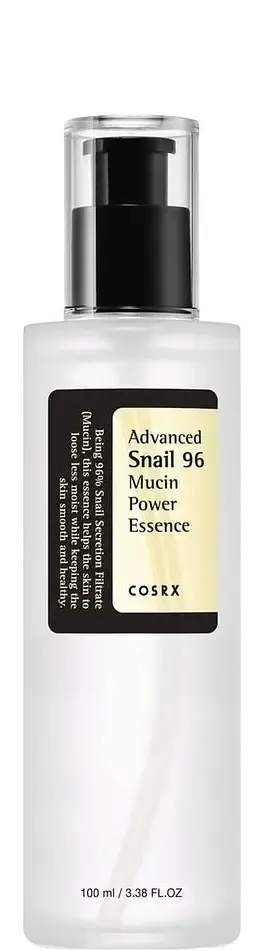
COSRX Advanced Snail 96 Mucin Power Essence
Low risk75/100

Lip Masks
No higher-risk flags in the assessed ingredients. This is a screening result, not a guarantee of pregnancy safety.
30 of 30 ingredients rated
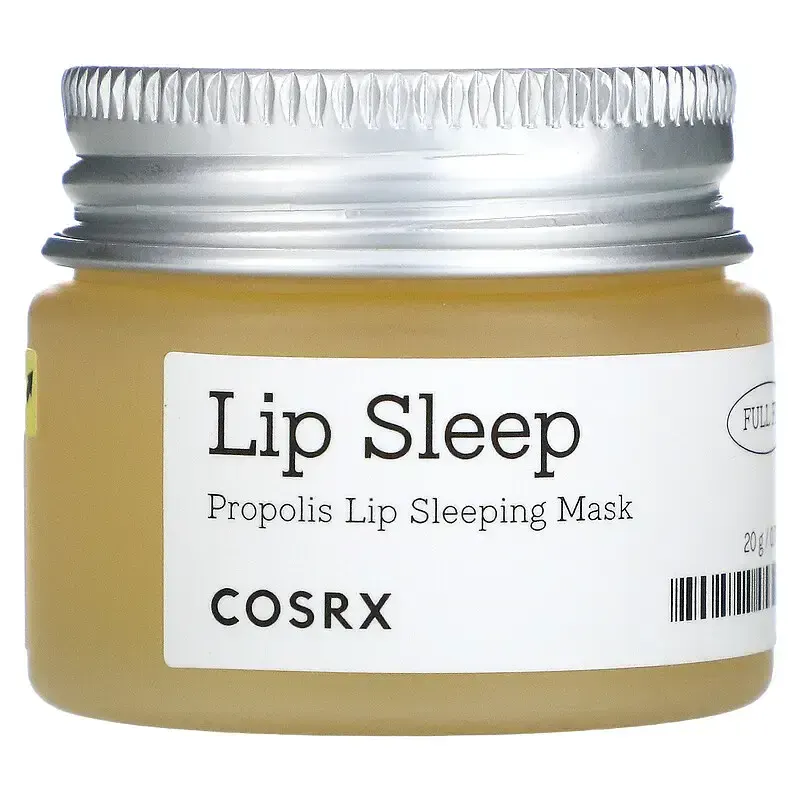
MamaSkin rates the recorded formula for COSRX Full Fit Propolis Lip Sleeping Mask as No known risks (99/100). This screening result is not a guarantee of safety for every pregnancy.
No higher-risk ingredient flags are shown in the assessed entries. Ingredients without a matched rating are marked Not assessed, not No known risks.
30 of 30 ingredient entries on this page have a recorded score, evidence summary and source text. That describes documentation coverage, not proof that the finished formula has been clinically tested during pregnancy.
How we assess productsThe recorded formula, with evidence behind each rating. Unmatched ingredients are marked Not assessed in grey.
Highly refined petrolatum (petroleum jelly) is a skin protectant/occlusive with minimal dermal penetration; safety depends on refining/PAH impurity controls and cosmetic/medical grades meet established standards.
Sources: USP White Petrolatum monograph (2021); Petry et al., Food and Chemical Toxicology (2017); PubMed (dermatology review)
Inert synthetic emollient used as a glossing and occlusive agent. Reviewed cosmetic safety sources support normal topical use, with no pregnancy- or breastfeeding-specific topical signal identified in the material reviewed.
Sources: CIR: Safety Assessment of Polyene Group as Used in Cosmetics; EU CosIng / cosmetics regulatory inventory
Emollient ester commonly used in lip, makeup and skin-care formulas for cushion and gloss. Reviewed cosmetic ingredient references do not identify a pregnancy- or breastfeeding-specific concern for normal topical cosmetic use.
Sources: CIR cosmetic ingredient safety references for alkyl esters/malates; EU CosIng / cosmetics regulatory inventory
A large, mostly insoluble polymer used as a binder, film former and texture ingredient. Cosmetic safety reviewers concluded that polyisobutene is safe in current cosmetic use; slow absorption and reproductive data on related polybutene do not indicate a pregnancy-specific concern from normal topical exposure.
Sources: CIR: Final Report on Polyisobutene and Hydrogenated Polyisobutene https://www.cir-safety.org/sites/default/files/polyene.pdf
A high-molecular-weight lipid ester used for emollience, adhesion and formula texture. Cosmetic safety reviewers concluded that the assessed dialkyl dimer dilinoleates are safe in current practices of use and concentration. Absorption of the intact ester is expected to be low.
Sources: CIR: Amended Safety Assessment of Dialkyl Dimer Dilinoleates as Used in Cosmetics https://www.cir-safety.org/meeting/148th-cir-expert-panel-meeting
Butyrospermum parkii (shea) butter is an emollient/occlusive that supports the skin barrier; topical use is considered low concern with no known pregnancy or breastfeeding risks.
Sources: CIR; EU/UK Cosmetics Regulation
Highly refined mineral wax used to thicken and stabilise formulas. Cosmetic-grade microcrystalline wax has minimal skin absorption and no known pregnancy-specific concerns in topical use as intended. Concerns raised online typically relate to unrefined mineral oil impurities or dietary exposure, not cosmetic-grade topical use.
Sources: Cosmetic Ingredient Review (CIR) ingredient dossier for Microcrystalline Wax + CIR wax safety assessment materials. ; Petry et al. (2017) dermal penetration review (includes mineral oils/waxes). ; BfR, Highly refined mineral oils in cosmetics (context on refined mineral oil fractions/waxes in cosmetics) (2018).
A sorbitan fatty-acid ester used as an emulsifier and surfactant. Cosmetic safety reviewers concluded that sorbitan esters are safe in current cosmetic practices of use. Sorbitan sesquioleate can occasionally cause contact allergy and has produced reactions in a small proportion of people investigated for dermatitis, so this classification does not mean that sensitive skin cannot react. No pregnancy-specific concern was identified for normal topical cosmetic exposure.
Sources: CIR: Final Report on the Safety Assessment of Sorbitan Fatty Acid Esters https://cir-reports.cir-safety.org/view-attachment?id=76b03823-8e74-ec11-8943-0022482f06a6
A high-molecular-weight hydrocarbon copolymer used for film formation, texture and viscosity. Cosmetic safety reviewers concluded that these named ethylene/propylene copolymers are safe in current practices. Absorption of the intact polymers is expected to be limited.
Sources: CIR: Ethylene/Propylene/Styrene Copolymer final assessment, September 2014; Ethylene/Propylene Copolymer, IJT 39(Suppl. 2), 2020; December 2025 Quick Reference Table https://cir-safety.org/sites/default/files/QRT-Update-Dec2025.pdf
This wax is used as an emollient and structuring ingredient. Cosmetic Ingredient Review assessments support current cosmetic use, with no pregnancy- or breastfeeding-specific concern identified; uncommon contact allergy can occur, particularly with natural wax components.
Sources: CIR: Safety Assessment of Beeswax Carnauba Wax and Candelilla Wax https://www.cir-safety.org/sites/default/files/RR_Waxes.pdf
Helianthus annuus (sunflower) seed oil is a common emollient rich in fatty acids and is generally well tolerated, with no known pregnancy or breastfeeding concerns in topical cosmetic use.
Sources: CIR; EU/UK Cosmetics Regulation
A high-molecular-weight hydrocarbon copolymer used for film formation, texture and viscosity. Cosmetic safety reviewers concluded that butylene/ethylene/styrene copolymer is safe in current practices. Absorption of the intact polymer is expected to be limited.
Sources: CIR: Butylene/Ethylene/Styrene Copolymer final report, September 2014; CIR December 2025 Quick Reference Table https://cir-safety.org/sites/default/files/QRT-Update-Dec2025.pdf
Preservative booster and skin-conditioning agent. Considered safe for cosmetic use with low systemic exposure when used as intended.
Sources: Scientific Committee on Consumer Safety (EU); Cosmetic Ingredient Review (US)
Plant-derived emollient oil used to soften skin and support formula texture. Reviewed cosmetic safety sources support current cosmetic use, with no pregnancy- or breastfeeding-specific topical concern identified in the material reviewed.
Sources: CIR: Safety Assessment of Soy-Derived Ingredients as Used in Cosmetics; EU CosIng / cosmetics regulatory inventory
A plant-part extract used for skin conditioning, soothing, fragrance or antioxidant support. No pregnancy-specific systemic signal was identified for normal topical cosmetic exposure. This assessment does not extend to essential oils, oral herbal products or medicinal doses, and botanical sensitivity remains possible.
Sources: European Commission CosIng ingredient inventory; CIR botanical safety framework and relevant plant-derived ingredient assessments; peer-reviewed cosmetic-use literature.
This wax is used as an emollient and structuring ingredient. Cosmetic Ingredient Review assessments support current cosmetic use, with no pregnancy- or breastfeeding-specific concern identified; uncommon contact allergy can occur, particularly with natural wax components.
Sources: CIR: Safety Assessment of Beeswax Carnauba Wax and Candelilla Wax https://www.cir-safety.org/sites/default/files/RR_Waxes.pdf
Water (Aqua) is the standard purified water used as a cosmetic solvent. It has no pregnancy-specific risk in normal topical use.
Sources: https://pubchem.ncbi.nlm.nih.gov/compound/Water, https://single-market-economy.ec.europa.eu/sectors/cosmetics/cosmetic-ingredient-database/cosing-glossary-ingredients_en
Solvent and humectant commonly used in leave-on products. Not associated with pregnancy-specific concerns at cosmetic exposure levels.
Sources: Cosmetic Ingredient Review (US); Scientific Committee on Consumer Safety (EU)
Antioxidant and stabilizer used to protect cosmetic formulas from oxidation. Reviewed cosmetic ingredient references do not identify a pregnancy- or breastfeeding-specific concern for normal topical cosmetic use.
Sources: CIR cosmetic ingredient safety references for hindered phenolic antioxidants; EU CosIng / cosmetics regulatory inventory
Honey or a honey-derived extract used as a humectant and skin-conditioning ingredient. Cosmetic safety reviewers concluded that the assessed honey-derived ingredients are safe in current practices of use and concentration. Allergy remains possible in a susceptible person.
Sources: CIR: December 2025 Quick Reference Table, Honey and Honey Extract conclusions, IJT 44(Suppl. 2), 2025 https://cir-safety.org/sites/default/files/QRT-Update-Dec2025.pdf
Neem leaf extract is used topically for skin conditioning and antimicrobial support. Reproductive concerns reported for concentrated neem seed preparations, intrauterine exposure, or high oral doses do not establish a hazard from normal topical cosmetic exposure to a leaf extract.
Sources: PubMed: oral purified neem seed extracts in primates https://pubmed.ncbi.nlm.nih.gov/8773426/; PubMed: intrauterine neem oil in primates https://pubmed.ncbi.nlm.nih.gov/8143455/; European Commission CosIng ingredient inventory. No human pregnancy study of normal topical cosmetic leaf-extract use was identified.
bixa orellana seed oil is a fixed plant oil used mainly as an emollient. CIR's plant-derived oil assessment supports cosmetic use, with refining, oxidation control and possible residual allergenic proteins remaining relevant. No pregnancy-specific concern was identified for normal topical exposure; this does not extend to concentrated essential oils or ingestion.
Sources: CIR Safety Assessment of Plant-Derived Fatty Acid Oils https://cir-safety.org/sites/default/files/118_final_oils_web.pdf; European Commission CosIng
An extract of royal jelly used for skin conditioning; bee-product allergy can cause reactions in susceptible users. Allergy is the principal practical concern. No pregnancy- or breastfeeding-specific systemic hazard was identified for normal topical cosmetic exposure.
Sources: European Commission CosIng ingredient inventory; Cosmetic Ingredient Review botanical safety-assessment framework and relevant ingredient-family assessments. No ingredient-specific human pregnancy study of normal topical cosmetic use was identified.
Glycerin is a widely used humectant that supports hydration and the skin barrier, with a long safety record and no known pregnancy or breastfeeding concerns in topical cosmetic use.
Sources: CIR; EU/UK Cosmetics Regulation
This plant-derived fatty oil or butter is used as an emollient and skin-conditioning ingredient. The Cosmetic Ingredient Review concluded that assessed plant-derived fatty acid oils are safe as used in cosmetics; individual plant allergy and ingredient purity remain practical considerations.
Sources: CIR: Safety Assessment of Plant-Derived Fatty Acid Oils https://cir-reports.cir-safety.org/view-attachment/?id=ad62ac6b-8e74-ec11-8943-0022482f06a6
A resinous bee-derived extract used for skin conditioning and antimicrobial support. Normal topical exposure has no identified pregnancy-specific concern. Propolis is a recognised contact allergen and should be avoided by someone who has reacted to propolis or related bee products.
Sources: European Commission CosIng ingredient inventory; PubMed literature on propolis contact allergy and topical use.
1,2-Hexanediol is commonly used as a solvent and preservative booster; topical exposure is low and it has no known pregnancy or breastfeeding concerns at cosmetic concentrations, though very sensitive skin may occasionally react.
Sources: CIR; EU/UK Cosmetics Regulation
Vitamin E antioxidant used to protect oils and support the skin barrier. Not associated with pregnancy-specific concerns at cosmetic exposure.
Sources: Cosmetic Ingredient Review (US); Scientific Committee on Consumer Safety (EU)
A yeast-derived ferment, filtrate or extract used for skin conditioning. Cosmetic safety reviewers concluded that cosmetic ingredients derived from the reviewed yeast species are safe in current practices; this record applies to the standardized cosmetic INCI material, not an unspecified live culture.
Sources: CIR: Yeast-derived ingredients final assessment, June 2024; Galactomyces Ferment Filtrate conclusion; December 2025 Quick Reference Table https://cir-safety.org/sites/default/files/QRT-Update-Dec2025.pdf
Honey or a honey-derived extract used as a humectant and skin-conditioning ingredient. Cosmetic safety reviewers concluded that the assessed honey-derived ingredients are safe in current practices of use and concentration. Allergy remains possible in a susceptible person.
Sources: CIR: December 2025 Quick Reference Table, Honey and Honey Extract conclusions, IJT 44(Suppl. 2), 2025 https://cir-safety.org/sites/default/files/QRT-Update-Dec2025.pdf
Petrolatum, Hydrogenated Polyisobutene, Diisostearyl Malate, Polyisobutene, Phytosteryl/Isostearyl/Cetyl/Stearyl/Behenyl Dimer Dilinoleate, Butyrospermum Parkii Butter, Microcrystalline Wax, Sorbitan Sesquioleate, Ethylene/Propylene/Styrene Copolymer, Euphorbia Cerifera Wax, Helianthus Annuus Seed Oil, Butylene/Ethylene/Styrene Copolymer, Ethylhexylglycerin, Glycine Soja Oil, Eclipta Prostrata Extract, Beeswax, Water, Butylene Glycol, Pentaerythrityl Tetra-Di-T-Butyl Hydroxyhydrocinnamate, Honey Extract, Melia Azadirachta Leaf Extract, Bixa Orellana Seed Oil, Royal Jelly Extract, Glycerin, Moringa Oleifera Seed Oil, Propolis Extract, 1,2-Hexanediol, Tocopherol, Saccharomyces Ferment, Honey
Ingredient ratings refreshed 1 October 2026. Formulas vary by market and can change. Always compare with your packaging.
No higher-risk ingredient flags are shown in the assessed entries. Ingredients without a matched rating are marked Not assessed, not No known risks. The product score is a stored assessment, not a clinical safety guarantee.
30 of 30 ingredient entries on this page have a recorded score, evidence summary and source text. That describes documentation coverage, not proof that the finished formula has been clinically tested during pregnancy.
Only if the ingredient list on your packaging matches the recorded formula shown here. Formulas can differ by market and change over time. Compare the full list, not just the product name; report a mismatch if it differs.
No. This page presents a pregnancy-focused product assessment. Do not infer a breastfeeding conclusion from its score or label; breastfeeding requires a separate assessment of the formula and how it is used.