Haruharu Wonder
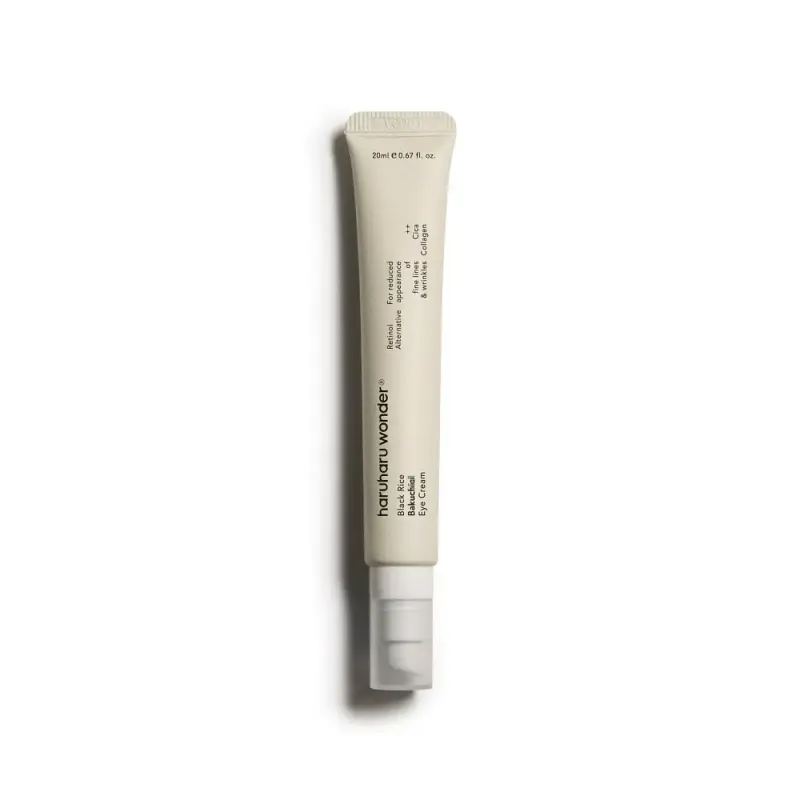
Haruharu Wonder Black Rice Bakuchiol Eye Cream
Low risk79/100

Essences
No higher-risk flags in the assessed ingredients. This is a screening result, not a guarantee of pregnancy safety.
47 of 48 ingredients rated1 not assessed
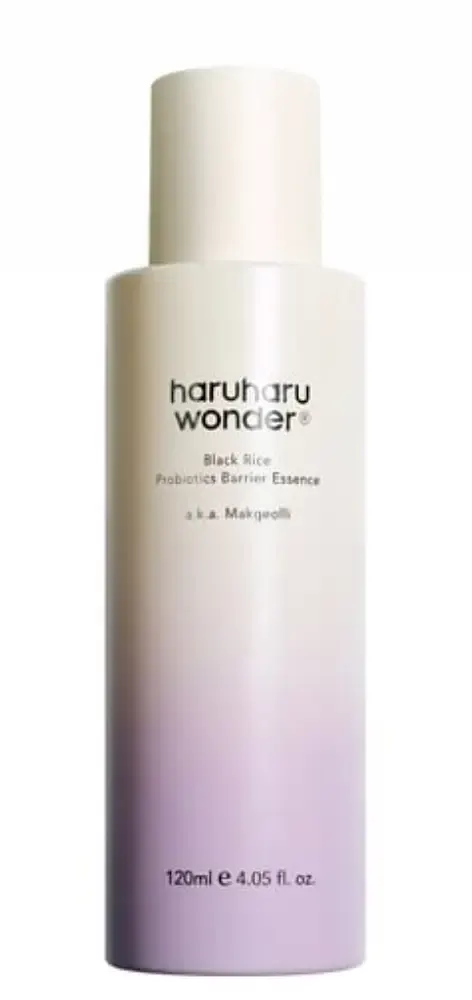
MamaSkin rates the recorded formula for Haruharu Wonder Black Rice Probiotics Barrier Essence as No known risks (99/100). This screening result is not a guarantee of safety for every pregnancy.
No higher-risk ingredient flags are shown in the assessed entries. Ingredients without a matched rating are marked Not assessed, not No known risks.
47 of 48 ingredient entries on this page have a recorded score, evidence summary and source text. 1 entry does not have all of those fields. Unmatched or unrated entries are marked Not assessed in grey; missing evidence does not establish safety.
How we assess productsThe recorded formula, with evidence behind each rating. Unmatched ingredients are marked Not assessed in grey.
No matched ingredient rating is available yet. Not assessed does not mean safe or unsafe.
Water (Aqua) is the standard purified water used as a cosmetic solvent. It has no pregnancy-specific risk in normal topical use.
Sources: https://pubchem.ncbi.nlm.nih.gov/compound/Water, https://single-market-economy.ec.europa.eu/sectors/cosmetics/cosmetic-ingredient-database/cosing-glossary-ingredients_en
Solvent and humectant commonly used in leave-on products. Not associated with pregnancy-specific concerns at cosmetic exposure levels.
Sources: Cosmetic Ingredient Review (US); Scientific Committee on Consumer Safety (EU)
Helianthus annuus (sunflower) seed oil is a common emollient rich in fatty acids and is generally well tolerated, with no known pregnancy or breastfeeding concerns in topical cosmetic use.
Sources: CIR; EU/UK Cosmetics Regulation
Common emollient derived from fatty acids and glycerin. Used to soften skin and improve texture without pregnancy-specific concerns.
Sources: Cosmetic Ingredient Review (US); Scientific Committee on Consumer Safety (EU)
Inert synthetic emollient used as a glossing and occlusive agent. Reviewed cosmetic safety sources support normal topical use, with no pregnancy- or breastfeeding-specific topical signal identified in the material reviewed.
Sources: CIR: Safety Assessment of Polyene Group as Used in Cosmetics; EU CosIng / cosmetics regulatory inventory
This plant-derived fatty oil or butter is used as an emollient and skin-conditioning ingredient. The Cosmetic Ingredient Review concluded that assessed plant-derived fatty acid oils are safe as used in cosmetics; individual plant allergy and ingredient purity remain practical considerations.
Sources: CIR: Safety Assessment of Plant-Derived Fatty Acid Oils https://cir-reports.cir-safety.org/view-attachment/?id=ad62ac6b-8e74-ec11-8943-0022482f06a6
A fatty-acid ester used mainly for emollience, slip and formula texture. Cosmetic safety reviewers concluded that the assessed alkyl esters are safe in current practices when formulated to be non-irritating.
Sources: CIR: Alkyl Esters conclusions; December 2025 Quick Reference Table https://cir-safety.org/sites/default/files/QRT-Update-Dec2025.pdf
1,2-Hexanediol is commonly used as a solvent and preservative booster; topical exposure is low and it has no known pregnancy or breastfeeding concerns at cosmetic concentrations, though very sensitive skin may occasionally react.
Sources: CIR; EU/UK Cosmetics Regulation
An alkyl phosphate surfactant and emulsifier used to stabilise creams, sunscreens and makeup. Cosmetic safety reviewers concluded that the assessed alkyl phosphates, including potassium cetyl phosphate, are safe in current practices of use and concentration when formulated to be non-irritating. Dermal penetration is expected to be limited, and no pregnancy-specific concern is identified for normal topical cosmetic exposure.
Sources: CIR: Safety Assessment of Alkyl Phosphates https://www.cir-safety.org/sites/default/files/alkyl%20phosphates_0.pdf
Fatty alcohol used as an emollient and thickener. Not the same as drying alcohols and not associated with pregnancy-specific concerns.
Sources: Cosmetic Ingredient Review (US); Scientific Committee on Consumer Safety (EU)
Hydroxyacetophenone is used as an antioxidant and preservative-support ingredient; it is generally considered low concern in topical cosmetic use with no known pregnancy or breastfeeding risks at typical concentrations.
Sources: CIR; EU/UK Cosmetics Regulation
Glycerin is a widely used humectant that supports hydration and the skin barrier, with a long safety record and no known pregnancy or breastfeeding concerns in topical cosmetic use.
Sources: CIR; EU/UK Cosmetics Regulation
Emulsifier and emollient used to stabilise creams and lotions. Not associated with pregnancy-specific concerns at cosmetic exposure.
Sources: Cosmetic Ingredient Review (US); Scientific Committee on Consumer Safety (EU)
A rice-derived extract or wax used for skin conditioning, absorbency or texture. Cosmetic safety reviewers concluded that the assessed Oryza sativa-derived ingredients are safe in current cosmetic practices. Rice allergy remains possible in a susceptible person.
Sources: CIR: Rice-derived ingredients conclusions, IJT 25(Suppl. 2), 2006; December 2025 Quick Reference Table https://cir-safety.org/sites/default/files/QRT-Update-Dec2025.pdf
Hydrogenated emulsifier used to support skin barrier feel. Not associated with pregnancy-specific concerns.
Sources: Cosmetic Ingredient Review (US)
Polyglycerin fatty-acid ester used as an emulsifier and solubilizer. Reviewed cosmetic safety references do not identify a pregnancy- or breastfeeding-specific concern for normal topical cosmetic use.
Sources: CIR cosmetic ingredient safety references for polyglyceryl fatty acid esters; EU CosIng / cosmetics regulatory inventory
An emulsifier built from polyglycerin, methyl glucose and stearic-acid components, used to stabilise creams and improve texture. Exact pregnancy-specific data are limited. Cosmetic safety reviewers concluded that related methyl glucose esters and polyglyceryl fatty-acid esters are safe in current cosmetic use when formulated to be non-irritating. No pregnancy-specific topical concern was identified by applying those related-group assessments to ordinary cosmetic exposure.
Sources: CIR: Safety Assessment of Methyl Glucose Polyethers and Esters https://www.cir-safety.org/supplementaldoc/safety-assessment-methyl-glucose-polyethers-and-esters-used-cosmetics; CIR: Safety Assessment of Polyglyceryl Fatty Acid Esters https://cir-safety.org/sites/default/files/PGlyFE092016FR.pdf
Natural polysaccharide thickener used for stability and texture. Not associated with pregnancy-specific concerns.
Sources: European cosmetics regulatory framework
A yeast-derived ferment, filtrate or extract used for skin conditioning. Cosmetic safety reviewers concluded that cosmetic ingredients derived from the reviewed yeast species are safe in current practices; this record applies to the standardized cosmetic INCI material, not an unspecified live culture.
Sources: CIR: Yeast-derived ingredients final assessment, June 2024; Galactomyces Ferment Filtrate conclusion; December 2025 Quick Reference Table https://cir-safety.org/sites/default/files/QRT-Update-Dec2025.pdf
Panthenol (pro-vitamin B5) is used for soothing and barrier support and is generally well tolerated, with no known pregnancy or breastfeeding concerns in topical cosmetic use.
Sources: CIR; EU/UK Cosmetics Regulation
A fermentation-derived cosmetic ingredient used for conditioning or formula support. Composition depends on the organism, substrate and manufacturing controls. No pregnancy-specific reproductive or developmental hazard was identified for normal topical exposure; ingestion is outside this classification.
Sources: European Commission CosIng ingredient inventory; CIR safety framework for microbial, fermentation-derived and biological-source cosmetic ingredients.
A fermentation-derived cosmetic ingredient used for conditioning or formula support. Composition depends on the organism, substrate and manufacturing controls. No pregnancy-specific reproductive or developmental hazard was identified for normal topical exposure; ingestion is outside this classification.
Sources: European Commission CosIng ingredient inventory; CIR safety framework for microbial, fermentation-derived and biological-source cosmetic ingredients.
Preservative booster and skin-conditioning agent. Considered safe for cosmetic use with low systemic exposure when used as intended.
Sources: Scientific Committee on Consumer Safety (EU); Cosmetic Ingredient Review (US)
Polymer thickener and stabiliser used in creams and sunscreens. Low systemic exposure expected.
Sources: Cosmetic Ingredient Review (US); Scientific Committee on Consumer Safety (EU)
Skin-identical barrier lipid used to support the stratum corneum and reduce dryness. Reviewed cosmetic safety sources support normal topical use, with no pregnancy- or breastfeeding-specific topical signal identified in the material reviewed.
Sources: CIR: Safety Assessment of Ceramides as Used in Cosmetics; EU CosIng / cosmetics regulatory inventory
Disodium EDTA is a chelating agent used to improve formula stability and performance; it is considered low concern in topical cosmetic use, with no known pregnancy or breastfeeding risks at typical concentrations.
Sources: CIR; EU/UK Cosmetics Regulation
Humectant and preservative booster. Considered safe for cosmetic use with low systemic exposure.
Sources: Cosmetic Ingredient Review (US); Scientific Committee on Consumer Safety (EU)
pH adjuster and buffer used to stabilise formulations. Reviewed cosmetic safety sources support normal topical use, with no pregnancy- or breastfeeding-specific topical signal identified in the material reviewed.
Sources: CIR: Safety Assessment of Tromethamine as Used in Cosmetics; EU CosIng / cosmetics regulatory inventory
Butyrospermum parkii (shea) butter is an emollient/occlusive that supports the skin barrier; topical use is considered low concern with no known pregnancy or breastfeeding risks.
Sources: CIR; EU/UK Cosmetics Regulation
Plant-derived sterols used for skin conditioning and barrier support. The Cosmetic Ingredient Review concluded that phytosterols are safe in current cosmetic use and reported no maternal or teratogenic effects in reviewed oral data; normal topical exposure does not identify a pregnancy-specific concern.
Sources: CIR: Safety Assessment of Phytosterols https://www.cir-safety.org/supplementaldoc/safety-assessment-phytosterols-used-cosmetics-0
oryza sativa lees extract is a botanical-derived cosmetic conditioning ingredient. The reviewed identity is not a concentrated essential oil or an oral herbal preparation. Available cosmetic evidence and expected topical exposure did not identify a pregnancy-specific contraindication, although botanical irritation or allergy remains possible.
Sources: CIR ingredient-specific and botanical-family safety assessments; CIR Quick Reference Table https://www.cir-safety.org/supplementaldoc/quick-reference-table-december-2025; European Commission CosIng
A botanical root extract used as a skin-conditioning and antioxidant ingredient. Cosmetic safety reviewers concluded that Panax root-derived ingredients are safe in current practices of use and concentration. The assessment considered the biological activity of ginsenosides and available reproductive and developmental information; ordinary topical cosmetic exposure was not identified as a pregnancy-specific concern. Botanical irritation or allergy remains possible.
Sources: CIR: Safety Assessment of Panax spp. Root-Derived Ingredients as Used in Cosmetics https://cir-safety.org/supplementaldoc/safety-assessment-panax-spp-root-derived-ingredients-used-cosmetics
Stearic acid is a fatty acid used to stabilise emulsions and improve texture; it is considered low concern in topical cosmetics with no known pregnancy or breastfeeding risks at typical concentrations.
Sources: CIR; EU/UK Cosmetics Regulation
Fatty acid used as an emollient, cleansing-support and texture ingredient. It is not associated with pregnancy- or breastfeeding-specific concerns in normal topical cosmetic use.
Sources: CIR: Safety Assessment of Fatty Acids and Fatty Acid Salts as Used in Cosmetics; EU CosIng / cosmetics regulatory inventory
Humectant and preservative booster used to support product stability. Low systemic exposure expected from topical cosmetic use.
Sources: Scientific Committee on Consumer Safety (EU); Cosmetic Ingredient Review (US)
Lightweight emollient used to support the skin barrier. Not associated with pregnancy-specific concerns at cosmetic exposure levels.
Sources: Cosmetic Ingredient Review (US); Scientific Committee on Consumer Safety (EU)
A mixture of smaller wheat-protein peptides used for hair and skin conditioning. Cosmetic safety reviewers concluded that hydrolyzed wheat protein is safe when the weight-average peptide molecular weight is 3,500 Da or less, a limit intended to reduce sensitisation risk. This does not imply that a person with a wheat-protein allergy cannot react.
Sources: CIR: Safety Assessment of Hydrolyzed Wheat Protein and Hydrolyzed Wheat Gluten as Used in Cosmetics https://www.cir-safety.org/sites/default/files/plant-derived_proteins.pdf
A plant-derived carbohydrate polymer or modified starch used to thicken, stabilise or condition a formula. Cosmetic safety reviewers concluded that the supported plant polysaccharide gums and derivatives are safe in current practices of use and concentration. Loose powders should still be used without deliberately inhaling airborne particles.
Sources: CIR: Safety Assessment of Plant Polysaccharide Gums as Used in Cosmetics https://www.cir-safety.org/panelbook/safety-assessment-plant-polysaccharide-gums-used-cosmetics
A long-chain fatty acid used as an emollient, cleanser or emulsifier. Cosmetic safety reviewers concluded that the assessed fatty acids, including arachidic acid, are safe in current practices when formulated to be non-irritating and non-sensitising.
Sources: CIR: Fatty Acids final assessment, April 2019; December 2025 Quick Reference Table https://cir-safety.org/sites/default/files/QRT-Update-Dec2025.pdf
This naturally occurring fatty acid is used for emolliency, cleansing support or texture. The Cosmetic Ingredient Review concluded that assessed fatty acids are safe in current cosmetic use when formulated to be non-irritating and non-sensitizing; some can increase penetration of other formula ingredients.
Sources: CIR: Safety Assessment of Fatty Acids and Fatty Acid Salts as Used in Cosmetics https://cir-safety.org/supplementaldoc/safety-assessment-fatty-acids-fatty-acid-salts-used-cosmetic
This naturally occurring fatty acid is used for emolliency, cleansing support or texture. The Cosmetic Ingredient Review concluded that assessed fatty acids are safe in current cosmetic use when formulated to be non-irritating and non-sensitizing; some can increase penetration of other formula ingredients.
Sources: CIR: Safety Assessment of Fatty Acids and Fatty Acid Salts as Used in Cosmetics https://cir-safety.org/supplementaldoc/safety-assessment-fatty-acids-fatty-acid-salts-used-cosmetic
A skin-identical barrier lipid used for skin and hair conditioning. Cosmetic safety reviewers concluded that Ceramide NS is safe in current cosmetic use, noting limited skin absorption and reassuring toxicity data. Cosmetic-grade material should not be sourced from bovine central nervous system tissue.
Sources: CIR: Safety Assessment of Ceramides https://cir-safety.org/sites/default/files/cerami122014tent.pdf
Skin-conditioning lipid used in barrier-support formulas, commonly alongside ceramides and cholesterol. Reviewed cosmetic ingredient references do not identify a pregnancy- or breastfeeding-specific concern for normal topical use.
Sources: CIR cosmetic ingredient safety references for sphingolipids/skin-conditioning lipids; EU CosIng / cosmetics regulatory inventory
Skin-conditioning lipid used in barrier-support formulas, often alongside ceramides and fatty acids. Normal topical cosmetic use has no known pregnancy- or breastfeeding-specific concern identified in reviewed cosmetic references.
Sources: CIR cosmetic ingredient safety references for cholesterol and related sterols; EU CosIng / cosmetics regulatory inventory
A skin-identical barrier lipid used for skin and hair conditioning. Cosmetic safety reviewers concluded that Ceramide AS is safe in current cosmetic use, noting limited skin absorption and reassuring toxicity data. Cosmetic-grade material should not be sourced from bovine central nervous system tissue.
Sources: CIR: Safety Assessment of Ceramides https://www.cir-safety.org/supplementaldoc/safety-assessment-ceramides-used-cosmetics-0
Skin-identical barrier lipid used to support barrier function and reduce dryness. Reviewed cosmetic safety sources support normal topical use, with no pregnancy- or breastfeeding-specific topical signal identified in the material reviewed.
Sources: CIR: Safety Assessment of Ceramides as Used in Cosmetics; EU CosIng / cosmetics regulatory inventory
Skin-identical barrier lipid used to support barrier structure and reduce dryness. Reviewed cosmetic safety sources support normal topical use, with no pregnancy- or breastfeeding-specific topical signal identified in the material reviewed.
Sources: CIR: Safety Assessment of Ceramides as Used in Cosmetics; EU CosIng / cosmetics regulatory inventory
Water, Butylene Glycol, Helianthus Annuus Seed Oil, Caprylic/Capric Triglyceride, Hydrogenated Polyisobutene, Limnanthes Alba Seed Oil, Butylene Glycol Dicaprylate/Dicaprate, 1,2-Hexanediol, Potassium Cetyl Phosphate, Cetearyl Alcohol, Hydroxyacetophenone, Glycerin, Glyceryl Stearate, Oryza Sativa Extract, Phyllostachys Pubescens Shoot Bark Extract, Hydrogenated Lecithin, Polyglyceryl-10 Laurate, Polyglyceryl-3 Methylglucose Distearate, Xanthan Gum, Galactomyces Ferment Filtrate, Panthenol, Bifida Ferment Filtrate, Aspergillus Ferment, Ethylhexylglycerin, Acrylates/C10-30 Alkyl Acrylate Crosspolymer, Ceramide NP, Disodium EDTA, Pentylene Glycol, Tromethamine, Butyrospermum Parkii Butter, Phytosterols, Oryza Sativa Lees Extract, Panax Ginseng Root Extract, Stearic Acid, Palmitic Acid, Caprylyl Glycol, Squalane, Hydrolyzed Wheat Protein, Cyclodextrin, Arachidic Acid, Myristic Acid, Oleic Acid, Ceramide Ns, Phytosphingosine, Cholesterol, Ceramide As, Ceramide AP, Ceramide EOP
Ingredient ratings refreshed 1 October 2026. Formulas vary by market and can change. Always compare with your packaging.
No higher-risk ingredient flags are shown in the assessed entries. Ingredients without a matched rating are marked Not assessed, not No known risks. Incomplete ingredient documentation does not establish safety; see the coverage answer and grey entries below.
No. This recorded formula contains Panthenol or Madecassoside, but a barrier-care claim does not establish the assessment of all its other ingredients. Read the individual ingredient evidence and any manual-review explanation, and compare the recorded list with your packaging.
47 of 48 ingredient entries on this page have a recorded score, evidence summary and source text. 1 entry does not have all of those fields. Unmatched or unrated entries are marked Not assessed in grey; missing evidence does not establish safety.
Only if the ingredient list on your packaging matches the recorded formula shown here. Formulas can differ by market and change over time. Compare the full list, not just the product name; report a mismatch if it differs.
No. This page presents a pregnancy-focused product assessment. Do not infer a breastfeeding conclusion from its score or label; breastfeeding requires a separate assessment of the formula and how it is used.