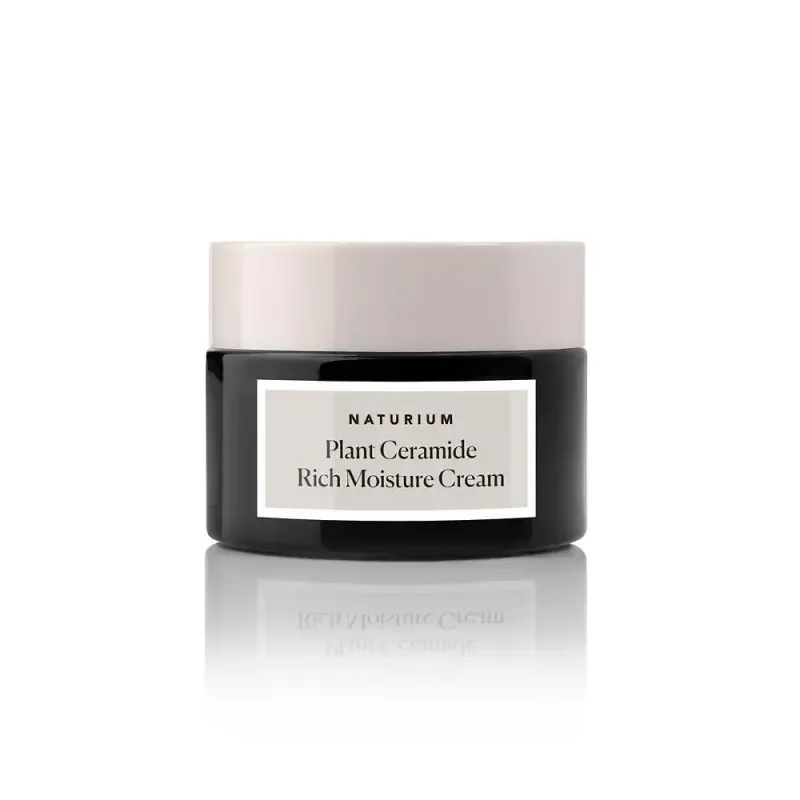
Naturium Plant Ceramide Rich Moisture Cream by Naturium
Naturium

Naturium Plant Ceramide Rich Moisture Cream

General Moisturizersmoisturisers

Safety score

Pregnancy-focused assessment

Low Risk76/100
Higher concernLower concern

One or more ingredients have a low-risk flag in MamaSkin's current assessment. Review the notes and your own circumstances.

Formula and assessment check

Ingredient safety review updated 24 November 2025. Product formulas can change, so compare the ingredients shown here with the packaging you have.

Report a formula mismatch

Ingredient breakdown

See how the listed formula falls across MamaSkin's pregnancy-focused risk bands.

34

No known risks

1

Low risk

0

Medium risk

0

High risk

Ingredients

Ingredients with a higher risk flag appear first, followed by the rest of the formula.

Phenoxyethanol

Low Risk

Phenoxyethanol is a preservative permitted in EU cosmetics up to 1.0%. The SCCS concluded it is safe for cosmetic use at that level, including when considering higher cosmetic exposure scenarios in infants and young children. Main practical concern is irritation/stinging on very sensitive or compromised skin rather than a pregnancy- or breastfeeding-specific risk.

Sources: EU SCCS; EU Cosmetics Regulation (Annex V preservative limit), SCCS Opinion on Phenoxyethanol (SCCS/1575/16, 2016)

Water

No Known Risks

Glycerin

No Known Risks

Glycerin is a widely used humectant that supports hydration and the skin barrier, with a long safety record and no known pregnancy or breastfeeding concerns in topical cosmetic use.

Sources: CIR; EU/UK Cosmetics Regulation

Show all (35)

Oleic/Linoleic/Linolenic Polyglycerides

No Known Risks

Ethylhexyl Olivate

No Known Risks

A fatty-acid ester used mainly for emollience, slip, cleansing or formula texture. Cosmetic safety reviewers concluded that these named esters are safe in current cosmetic practices, with non-irritating formulation conditions where specified.

Sources: CIR: Glycol Stearate, Ethylhexyl Olivate, Cetearyl Isononanoate, Heptyl Undecylenate, Isostearyl Neopentanoate and Octyldodecyl Myristate conclusions; December 2025 Quick Reference Table https://cir-safety.org/sites/default/files/QRT-Update-Dec2025.pdf

Behenyl Alcohol

No Known Risks

Long-chain fatty alcohol used as an emollient and thickener. This is not the same concern profile as simple drying alcohols; reviewed cosmetic safety sources support normal topical use.

Sources: CIR: Final Report on the Safety Assessment of Cetearyl Alcohol, Cetyl Alcohol, Isostearyl Alcohol, Myristyl Alcohol, and Behenyl Alcohol; EU CosIng / cosmetics regulatory inventory

C12-16 Alcohols

No Known Risks

A long-chain fatty alcohol or fatty-alcohol blend used as an emollient, thickener or stabiliser. These are not volatile drying alcohols. CIR safety assessments support use of lauryl, oleyl and related fatty alcohols in current cosmetic practices, and no pregnancy-specific hazard signal was identified for normal topical exposure.

Sources: CIR: Safety Assessment of Fatty Alcohols as Used in Cosmetics; CIR December 2025 Quick Reference Table https://cir-safety.org/sites/default/files/QRT-Update-Dec2025.pdf.

Butyrospermum Parkii Butter

No Known Risks

Butyrospermum parkii (shea) butter is an emollient/occlusive that supports the skin barrier; topical use is considered low concern with no known pregnancy or breastfeeding risks.

Sources: CIR; EU/UK Cosmetics Regulation

Caprylic/Capric Triglyceride

No Known Risks

Common emollient derived from fatty acids and glycerin. Used to soften skin and improve texture without pregnancy-specific concerns.

Sources: Cosmetic Ingredient Review (US); Scientific Committee on Consumer Safety (EU)

Hydrogenated Olive Oil Decyl Esters

No Known Risks

Isostearyl Alcohol

No Known Risks

A long-chain fatty alcohol used as an emollient, emulsifier or thickener. Cosmetic safety reviewers concluded that isostearyl alcohol is safe in current practices of use and concentration.

Sources: CIR: Isostearyl Alcohol conclusion, JACT 7(3), 1988 and IJT 27(Suppl. 1), 2008; December 2025 Quick Reference Table https://cir-safety.org/sites/default/files/QRT-Update-Dec2025.pdf

C13-15 Alkane

No Known Risks

A purified hydrocarbon emollient or volatile carrier used for slip and light texture. Related cosmetic hydrocarbon and isoparaffin assessments support use in current practices. Normal dermal exposure is not associated with a pregnancy-specific signal; volatile products should be used with ordinary ventilation.

Sources: CIR: Isoparaffins safety assessment, IJT 31(Suppl. 3), 2012; CIR: hydrocarbon polymers and cosmetic hydrocarbon assessments; CIR December 2025 Quick Reference Table https://cir-safety.org/sites/default/files/QRT-Update-Dec2025.pdf

Butylene Glycol Cocoate

No Known Risks

Hydrogenated Lecithin

No Known Risks

Hydrogenated emulsifier used to support skin barrier feel. Not associated with pregnancy-specific concerns.

Sources: Cosmetic Ingredient Review (US)

Palmitic Acid

No Known Risks

Fatty acid used as an emollient, cleansing-support and texture ingredient. It is not associated with pregnancy- or breastfeeding-specific concerns in normal topical cosmetic use.

Sources: CIR: Safety Assessment of Fatty Acids and Fatty Acid Salts as Used in Cosmetics; EU CosIng / cosmetics regulatory inventory

Phospholipids

No Known Risks

Phospholipid mixture used as a skin-conditioning and delivery-support ingredient. Reviewed cosmetic safety sources support normal topical use, with no pregnancy- or breastfeeding-specific topical signal identified in the material reviewed.

Sources: CIR: Safety Assessment of Lecithin and Other Phosphoglycerides as Used in Cosmetics; EU CosIng / cosmetics regulatory inventory

Sphingolipids

No Known Risks

A family of long-chain skin lipids used to condition skin and support barrier formulations. Related sphingolipids and ceramide components occur naturally in human skin. Systemic exposure from topical cosmetic use is expected to be low, and no pregnancy-specific hazard signal was identified. Source purity and local tolerability remain relevant.

Sources: CIR assessments of Ceramides and related skin lipids; European Commission CosIng ingredient inventory; peer-reviewed dermatology literature on topical sphingolipids and skin-barrier function.

Crambe Abyssinica Seed Oil

No Known Risks

A plant-derived fatty oil or butter used mainly as an emollient, conditioning ingredient or texture agent. Cosmetic safety reviewers concluded that the assessed plant-derived fatty acid oils are safe in current practices of use and concentration. This conclusion applies to cosmetic-grade fixed oils rather than similarly named volatile essential oils. Seed or food allergy may still matter for a susceptible person.

Sources: CIR: Safety Assessment of Plant-Derived Fatty Acid Oils as Used in Cosmetics https://cir-reports.cir-safety.org/view-attachment/?id=ad62ac6b-8e74-ec11-8943-0022482f06a6

Squalane

No Known Risks

Lightweight emollient used to support the skin barrier. Not associated with pregnancy-specific concerns at cosmetic exposure levels.

Sources: Cosmetic Ingredient Review (US); Scientific Committee on Consumer Safety (EU)

Linoleic Acid

No Known Risks

This naturally occurring fatty acid is used for emolliency, cleansing support or texture. The Cosmetic Ingredient Review concluded that assessed fatty acids are safe in current cosmetic use when formulated to be non-irritating and non-sensitizing; some can increase penetration of other formula ingredients.

Sources: CIR: Safety Assessment of Fatty Acids and Fatty Acid Salts as Used in Cosmetics https://cir-safety.org/supplementaldoc/safety-assessment-fatty-acids-fatty-acid-salts-used-cosmetic

Linolenic Acid

No Known Risks

A fatty acid or fatty-acid salt used as an emollient, cleanser, emulsifier or texture agent. Cosmetic safety reviewers concluded that the assessed fatty acids and salts are safe in current practices when formulated to be non-irritating and non-sensitising. No pregnancy-specific concern was identified for normal topical exposure.

Sources: CIR: Safety Assessment of Fatty Acids and Fatty Acid Salts as Used in Cosmetics https://cir-safety.org/supplementaldoc/safety-assessment-fatty-acids-fatty-acid-salts-used-cosmetics

Microcrystalline Cellulose

No Known Risks

This cellulose or modified-cellulose polymer is used as a thickener, film former or stabilizer. Cosmetic Ingredient Review data indicate that cellulose polymers do not appreciably penetrate skin and are safe in current cosmetic use, with at most minimal irritation reported.

Sources: CIR: Amended Safety Assessment of Cellulose and Related Polymers as Used in Cosmetics https://cir-reports.cir-safety.org/view-attachment/?id=2e65c18f-8c74-ec11-8943-0022482f06a6

Citric Acid

No Known Risks

pH adjuster used in small amounts to maintain product stability. Not associated with pregnancy-specific concerns.

Sources: Scientific Committee on Consumer Safety (EU); European cosmetics regulatory framework

Oryza Sativa Bran Extract

No Known Risks

A rice-derived extract or wax used for skin conditioning, absorbency or texture. Cosmetic safety reviewers concluded that the assessed Oryza sativa-derived ingredients are safe in current cosmetic practices. Rice allergy remains possible in a susceptible person.

Sources: CIR: Rice-derived ingredients conclusions, IJT 25(Suppl. 2), 2006; December 2025 Quick Reference Table https://cir-safety.org/sites/default/files/QRT-Update-Dec2025.pdf

Caprylyl Glycol

No Known Risks

Humectant and preservative booster used to support product stability. Low systemic exposure expected from topical cosmetic use.

Sources: Scientific Committee on Consumer Safety (EU); Cosmetic Ingredient Review (US)

Ethylcellulose

No Known Risks

A sugar, starch, inulin or cellulose derivative used for emulsification, film formation, absorbency or formula texture. These carbohydrate-based materials are not expected to produce meaningful systemic exposure through intact skin, and related cosmetic safety assessments do not identify a reproductive or developmental hazard for normal use. Fine dry powder should not be deliberately inhaled.

Sources: CIR safety assessments of Starches and Modified Starches, Cellulose and Cellulose Derivatives, Saccharide Esters and Plant Polysaccharide Gums; CIR December 2025 Quick Reference Table https://cir-safety.org/sites/default/files/QRT-Update-Dec2025.pdf; European Commission CosIng ingredient inventory.

Helianthus Annuus Extract

No Known Risks

A sunflower-derived extract used for skin conditioning. No pregnancy- or breastfeeding-specific hazard was identified for normal topical cosmetic exposure. Direct ingredient-specific pregnancy studies were not identified, so this assessment does not extend to oral supplements or medicinal use.

Sources: CIR: Safety Assessment of Helianthus annuus (Sunflower)-Derived Ingredients as Used in Cosmetics https://www.cir-safety.org/supplementaldoc/safety-assessment-helianthus-annuus-sunflower-derived-ingredients-used-cosmetics-1

Sodium Hyaluronate

No Known Risks

Sodium hyaluronate (hyaluronic acid salt) is used for hydration and cushioning, with very low systemic absorption from topical use and no known pregnancy or breastfeeding concerns at cosmetic concentrations.

Sources: CIR; EU/UK Cosmetics Regulation

Tocopherol

No Known Risks

Vitamin E antioxidant used to protect oils and support the skin barrier. Not associated with pregnancy-specific concerns at cosmetic exposure.

Sources: Cosmetic Ingredient Review (US); Scientific Committee on Consumer Safety (EU)

Caprylhydroxamic Acid

No Known Risks

A chelating ingredient commonly used to support cosmetic preservation. Cosmetic safety reviewers concluded that caprylhydroxamic acid is safe in current cosmetic use; sensitisation and enhanced penetration are formulation considerations, especially on damaged skin, but no pregnancy-specific contraindication is identified for normal topical use.

Sources: CIR: Safety Assessment of Caprylhydroxamic Acid https://www.cir-safety.org/supplementaldoc/safety-assessment-caprylhydroxamic-acid-used-cosmetics

Xanthan Gum

No Known Risks

Natural polysaccharide thickener used for stability and texture. Not associated with pregnancy-specific concerns.

Sources: European cosmetics regulatory framework

Sodium Phytate

No Known Risks

Chelating agent used to improve formula stability. Used at low levels and not associated with pregnancy-specific concerns.

Sources: European cosmetics regulatory framework

Potassium Sorbate

No Known Risks

Preservative widely used in foods and cosmetics. Considered safe at regulated concentrations with low systemic exposure from topical use.

Sources: Scientific Committee on Consumer Safety (EU); European cosmetics regulatory framework

Rosmarinus Officinalis Leaf Extract

No Known Risks

Plant extract used for antioxidant or soothing properties. Unlike essential oils, cosmetic extracts are not highly concentrated and are used at low levels. Safety concerns associated with essential oil use do not generally apply to cosmetic extracts.

Sources: General cosmetic safety references for botanical extracts and exposure route considerations; essential oil literature discusses concentrated volatile forms rather than dilute extracts.

Sodium Citrate

No Known Risks

Buffering and chelating ingredient used to control pH and formulation stability. Reviewed cosmetic safety sources support normal topical use, with no pregnancy- or breastfeeding-specific topical signal identified in the material reviewed.

Sources: CIR: Safety Assessment of Citric Acid, Inorganic Citrate Salts, and Alkyl Citrate Esters as Used in Cosmetics; EU CosIng / cosmetics regulatory inventory

Formulations can change without notice. For the most accurate result, compare this list with your packaging and scan the exact ingredient label in MamaSkin when you repurchase.

How to use this assessment

The risk band is the primary conclusion. The score adds detail within that band and should not be used to compare products as if a one-point difference were clinically meaningful.

MamaSkin provides pregnancy-focused information, not medical advice. Your midwife, GP, pharmacist or dermatologist should take priority when your circumstances differ from typical cosmetic use.

Read the full methodology