Neutrogena
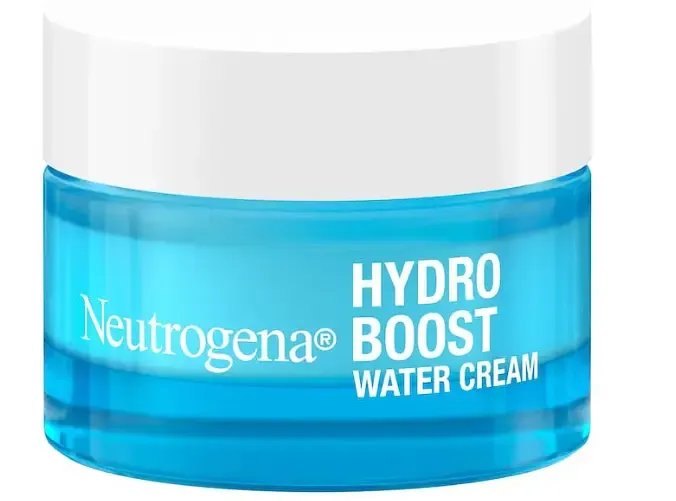
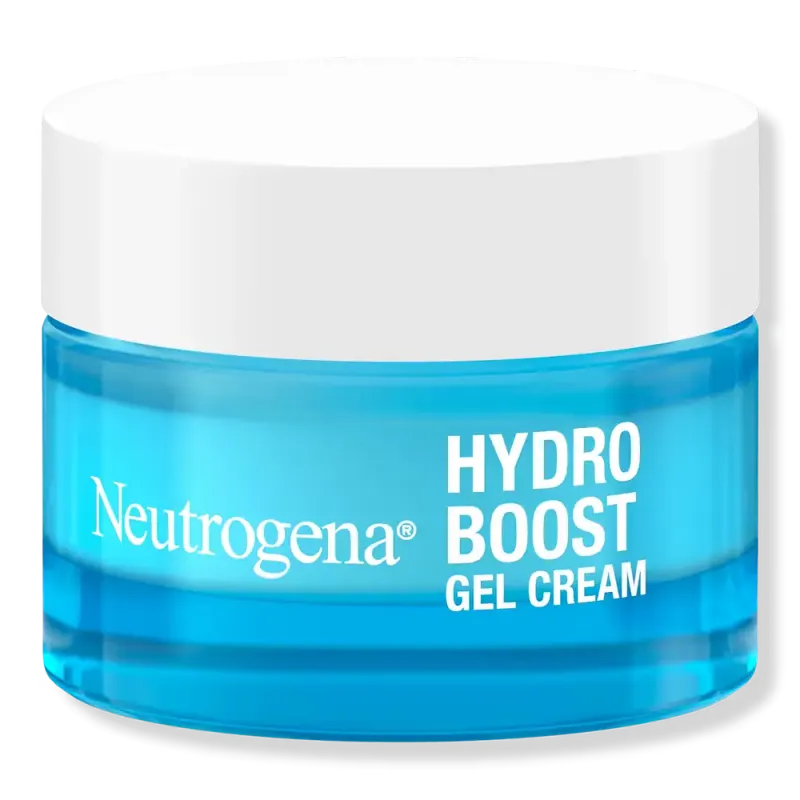
Neutrogena Hydro Boost Gel Cream
Low risk78/100

No higher-risk flags in the assessed ingredients. This is a screening result, not a guarantee of pregnancy safety.
12 of 12 ingredients rated
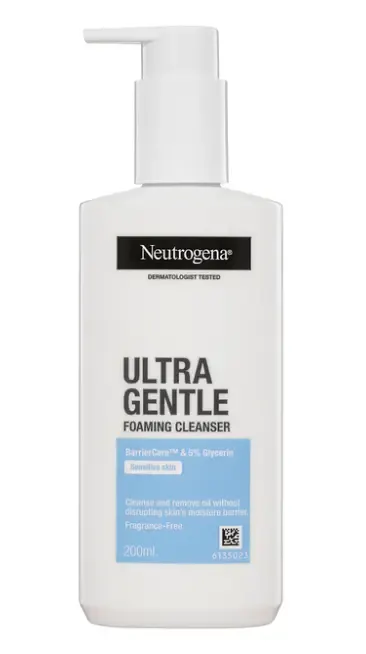
MamaSkin rates the recorded formula for Neutrogena Ultra Gentle Foaming Cleanser as No known risks (99/100). This screening result is not a guarantee of safety for every pregnancy.
No higher-risk ingredient flags are shown in the assessed entries. Ingredients without a matched rating are marked Not assessed, not No known risks.
12 of 12 ingredient entries on this page have a recorded score, evidence summary and source text. That describes documentation coverage, not proof that the finished formula has been clinically tested during pregnancy.
How we assess productsThe recorded formula, with evidence behind each rating. Unmatched ingredients are marked Not assessed in grey.
Water (Aqua) is the standard purified water used as a cosmetic solvent. It has no pregnancy-specific risk in normal topical use.
Sources: https://pubchem.ncbi.nlm.nih.gov/compound/Water, https://single-market-economy.ec.europa.eu/sectors/cosmetics/cosmetic-ingredient-database/cosing-glossary-ingredients_en
Glycerin is a widely used humectant that supports hydration and the skin barrier, with a long safety record and no known pregnancy or breastfeeding concerns in topical cosmetic use.
Sources: CIR; EU/UK Cosmetics Regulation
Mild amphoteric surfactant used in cleansers and shampoos to boost foam and reduce harshness. Reviewed cosmetic safety sources support present cosmetic use, with no pregnancy- or breastfeeding-specific topical signal identified; the main practical caveat is irritation or allergy in some users, sometimes linked to sensitising impurities.
Sources: CIR: Safety Assessment of Cocamidopropyl Betaine and Related Amidopropyl Betaines as Used in Cosmetics; EU CosIng / cosmetics regulatory inventory
This glucose-derived nonionic surfactant or emulsifier is used in cleansers and emulsions. The Cosmetic Ingredient Review concluded that alkyl glucosides are safe in current cosmetic use when formulated to be non-irritating; sensitive skin can still react to surfactants.
Sources: CIR: Safety Assessment of Decyl Glucoside and Other Alkyl Glucosides as Used in Cosmetics https://cir-reports.cir-safety.org/view-attachment/?id=9810a771-8e74-ec11-8943-0022482f06a6
Sodium cocoyl isethionate is a cleansing surfactant. The Cosmetic Ingredient Review concluded that isethionate salts are safe in current cosmetic use when formulated to be non-irritating, and reviewed reproductive and developmental data did not identify a pregnancy-specific signal.
Sources: CIR: Amended Safety Assessment of Isethionate Salts as Used in Cosmetics https://cir-safety.org/supplementaldoc/amended-safety-assessment-isethionate-salts-used-cosmetics-0
A glucose-derived emulsifier or emollient. Cosmetic safety reviewers concluded that the assessed methyl glucose ethers and esters are safe in current practices of use and concentration.
Sources: CIR: Methyl Glucose Ethers and Esters conclusion, IJT 35(Suppl. 2), 2016; December 2025 Quick Reference Table https://cir-safety.org/sites/default/files/QRT-Update-Dec2025.pdf
Potassium Acrylates Copolymer: A polymer included in CIR's amended assessment for non-irritating cosmetics. Large polymer size and control of residual monomers are relevant to exposure. This rating does not apply to free acrylate monomers, uncured nail systems or deliberate inhalation of powder. No pregnancy-specific harm has been identified for ordinary topical cosmetic use; direct human pregnancy data are limited.
Sources: https://cir-reports.cir-safety.org/view-attachment?id=c3a1aad1-8c74-ec11-8943-0022482f06a6,https://www.cir-safety.org/sites/default/files/QRT-Update-Dec2025.pdf
Humectant and preservative booster used to support product stability. Low systemic exposure expected from topical cosmetic use.
Sources: Scientific Committee on Consumer Safety (EU); Cosmetic Ingredient Review (US)
Preservative widely used in foods and cosmetics. Considered safe at regulated concentrations with low systemic exposure from topical use.
Sources: Scientific Committee on Consumer Safety (EU); European cosmetics regulatory framework
Preservative booster and skin-conditioning agent. Considered safe for cosmetic use with low systemic exposure when used as intended.
Sources: Scientific Committee on Consumer Safety (EU); Cosmetic Ingredient Review (US)
pH adjuster used in small amounts to maintain product stability. Not associated with pregnancy-specific concerns.
Sources: Scientific Committee on Consumer Safety (EU); European cosmetics regulatory framework
pH adjuster used in very small quantities to balance formulations. Not associated with pregnancy-specific concerns.
Sources: Scientific Committee on Consumer Safety (EU); European cosmetics regulatory framework
Water, Glycerin, Cocamidopropyl Betaine, Lauryl Glucoside, Sodium Cocoyl Isethionate, PEG-120 Methyl Glucose Dioleate, Potassium Acrylates Copolymer, Caprylyl Glycol, Sodium Benzoate, Ethylhexylglycerin, Citric Acid, Sodium Hydroxide
Ingredient ratings refreshed 1 October 2026. Formulas vary by market and can change. Always compare with your packaging.
No higher-risk ingredient flags are shown in the assessed entries. Ingredients without a matched rating are marked Not assessed, not No known risks. The product score is a stored assessment, not a clinical safety guarantee.
12 of 12 ingredient entries on this page have a recorded score, evidence summary and source text. That describes documentation coverage, not proof that the finished formula has been clinically tested during pregnancy.
Only if the ingredient list on your packaging matches the recorded formula shown here. Formulas can differ by market and change over time. Compare the full list, not just the product name; report a mismatch if it differs.
No. This page presents a pregnancy-focused product assessment. Do not infer a breastfeeding conclusion from its score or label; breastfeeding requires a separate assessment of the formula and how it is used.