SKIN1004
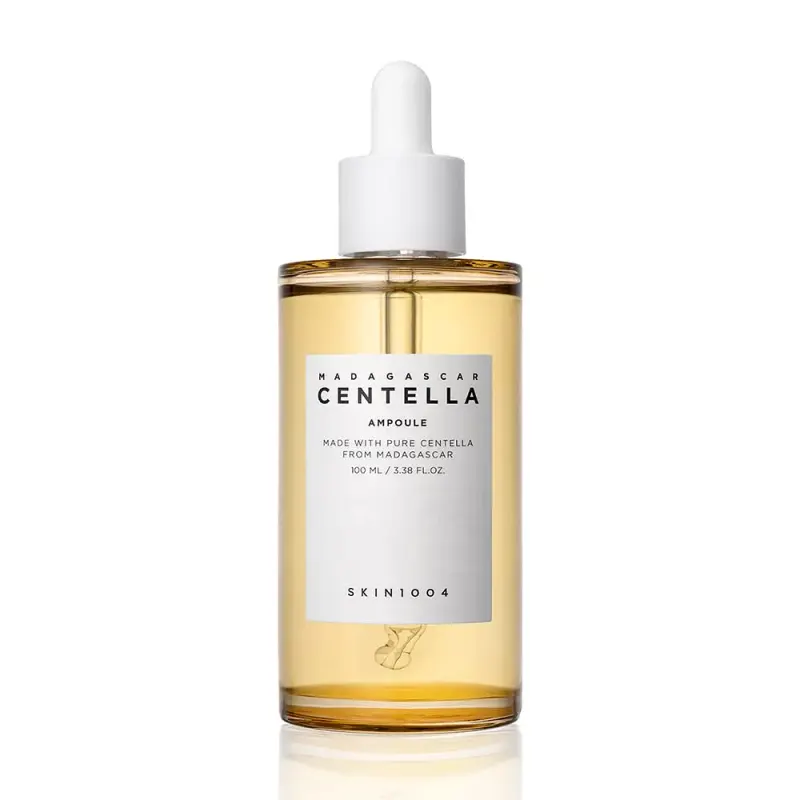
SKIN1004 Madagascar Centella Ampoule
No known risks99/100

General Moisturizers
No higher-risk flags in the assessed ingredients. This is a screening result, not a guarantee of pregnancy safety.
50 of 51 ingredients rated1 not assessed
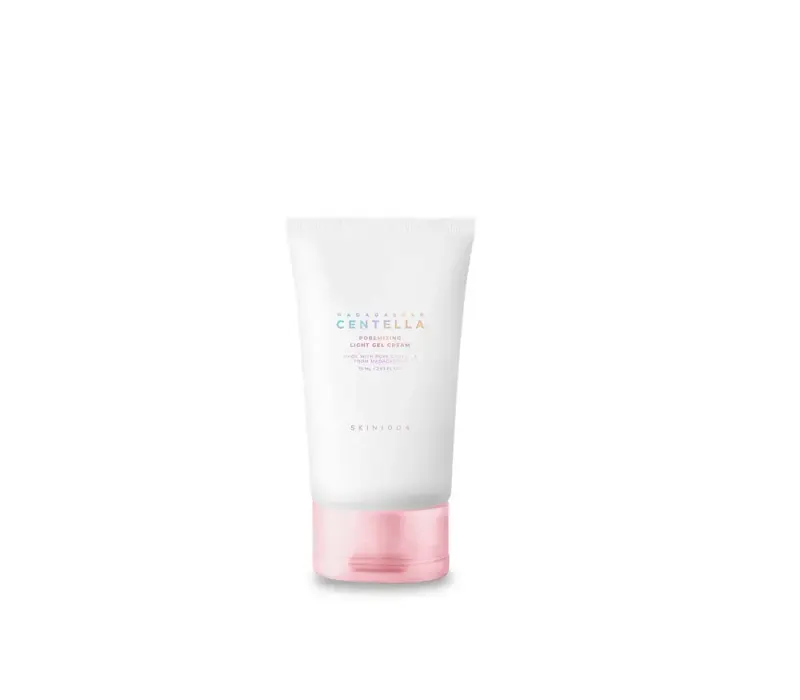
MamaSkin rates the recorded formula for SKIN1004 Madagascar Centella Poremizing Light Gel Cream as No known risks (99/100). This screening result is not a guarantee of safety for every pregnancy.
No higher-risk ingredient flags are shown in the assessed entries. Ingredients without a matched rating are marked Not assessed, not No known risks.
50 of 51 ingredient entries on this page have a recorded score, evidence summary and source text. 1 entry does not have all of those fields. Unmatched or unrated entries are marked Not assessed in grey; missing evidence does not establish safety.
How we assess productsThe recorded formula, with evidence behind each rating. Unmatched ingredients are marked Not assessed in grey.
No matched ingredient rating is available yet. Not assessed does not mean safe or unsafe.
Water (Aqua) is the standard purified water used as a cosmetic solvent. It has no pregnancy-specific risk in normal topical use.
Sources: https://pubchem.ncbi.nlm.nih.gov/compound/Water, https://single-market-economy.ec.europa.eu/sectors/cosmetics/cosmetic-ingredient-database/cosing-glossary-ingredients_en
Solvent and humectant used to improve texture and ingredient solubility. Low systemic exposure expected from topical cosmetic use.
Sources: Cosmetic Ingredient Review (US); Scientific Committee on Consumer Safety (EU)
Botanical skin-conditioning ingredient used in soothing and hydrating formulas. Reviewed cosmetic safety sources support current cosmetic use provided anthraquinone levels do not exceed the limits addressed in the safety assessment; no pregnancy- or breastfeeding-specific topical concern was identified in the material reviewed.
Sources: CIR: Safety Assessment of Aloe-derived Ingredients as Used in Cosmetics; EU CosIng / cosmetics regulatory inventory
1,2-Hexanediol is commonly used as a solvent and preservative booster; topical exposure is low and it has no known pregnancy or breastfeeding concerns at cosmetic concentrations, though very sensitive skin may occasionally react.
Sources: CIR; EU/UK Cosmetics Regulation
Niacinamide (vitamin B3) is widely used for barrier support and tone/texture benefits, and is generally considered safe in pregnancy and breastfeeding when used topically at cosmetic concentrations.
Sources: CIR; EU/UK Cosmetics Regulation
Glycerin is a widely used humectant that supports hydration and the skin barrier, with a long safety record and no known pregnancy or breastfeeding concerns in topical cosmetic use.
Sources: CIR; EU/UK Cosmetics Regulation
Sugar alcohol humectant used to help maintain hydration and improve skin feel. Reviewed cosmetic safety sources support normal topical use, with no pregnancy- or breastfeeding-specific topical signal identified in the material reviewed.
Sources: CIR: Safety Assessment of Mannitol, Sorbitol, and Xylitol as Used in Cosmetics; EU CosIng / cosmetics regulatory inventory
Solvent and humectant commonly used in leave-on products. Not associated with pregnancy-specific concerns at cosmetic exposure levels.
Sources: Cosmetic Ingredient Review (US); Scientific Committee on Consumer Safety (EU)
Botanical skin-conditioning ingredient used in soothing and barrier-support formulas. Reviewed cosmetic safety sources support current cosmetic use when formulated to be non-sensitising, with no pregnancy- or breastfeeding-specific topical concern identified in the material reviewed.
Sources: CIR: Safety Assessment of Centella asiatica-derived Ingredients as Used in Cosmetics; EU CosIng / cosmetics regulatory inventory
Polymer thickener used to create gel textures. Large-molecule ingredient with negligible systemic absorption.
Sources: Cosmetic Ingredient Review (US); Scientific Committee on Consumer Safety (EU)
pH adjuster and buffer used to stabilise formulations. Reviewed cosmetic safety sources support normal topical use, with no pregnancy- or breastfeeding-specific topical signal identified in the material reviewed.
Sources: CIR: Safety Assessment of Tromethamine as Used in Cosmetics; EU CosIng / cosmetics regulatory inventory
A high-molecular-weight polymer used to thicken and stabilise formulas. Cosmetic safety reviewers assessed acryloyldimethyltaurate polymers and concluded that they are safe in current cosmetic practices. Absorption of the finished polymer is expected to be limited, with residual monomers controlled during manufacture.
Sources: CIR: Safety Assessment of Acryloyldimethyltaurate Polymers as Used in Cosmetics https://www.cir-safety.org/panelbook/safety-assessment-acryloyldimethyltaurate-polymers-used-cosmetics-1
Microbial polysaccharide used for film forming, soothing, and hydration support. Reviewed cosmetic safety sources support normal topical use, with no pregnancy- or breastfeeding-specific topical signal identified in the material reviewed.
Sources: CIR: Safety Assessment of Microbial Polysaccharide Gums as Used in Cosmetics; EU CosIng / cosmetics regulatory inventory
Betaine is a humectant/osmolyte used to support hydration and reduce irritation potential in formulas; it is considered low concern with no known pregnancy or breastfeeding risks in topical cosmetic use.
Sources: CIR; EU/UK Cosmetics Regulation
PVP is a large film-forming and binding polymer used in hair, makeup and skin products. The Cosmetic Ingredient Review reaffirmed PVP as safe in current cosmetic use, with no pregnancy- or breastfeeding-specific concern identified for normal topical exposure.
Sources: CIR: Safety Assessment of PVP as Used in Cosmetics https://www.cir-safety.org/panelbook/safety-assessment-pvp-used-cosmetics
No pregnancy-specific harm has been identified for ordinary, correctly formulated topical cosmetic use of sedum sarmentosum extract. This is a bounded botanical/extract assessment; direct pregnancy studies of the exact material are limited and oral, medicinal, damaged-skin or aerosol exposure is not included.
Synthetic hydrocarbon emollient used to improve slip, cushion and moisture feel. Reviewed cosmetic ingredient references do not identify a pregnancy- or breastfeeding-specific concern for normal topical use.
Sources: CIR cosmetic ingredient safety references for polydecenes/hydrocarbon emollients; EU CosIng / cosmetics regulatory inventory
Preservative booster and skin-conditioning agent. Considered safe for cosmetic use with low systemic exposure when used as intended.
Sources: Scientific Committee on Consumer Safety (EU); Cosmetic Ingredient Review (US)
Skin-conditioning ingredient commonly used in leave-on skincare. Reviewed cosmetic safety sources support normal topical use, with no pregnancy- or breastfeeding-specific topical signal identified in the material reviewed.
Sources: CIR: Safety Assessment of Adenosine Ingredients as Used in Cosmetics; EU CosIng / cosmetics regulatory inventory
Cellulose-derived thickener used to build viscosity and improve texture. Reviewed cosmetic safety sources support normal topical use, with no pregnancy- or breastfeeding-specific topical signal identified in the material reviewed.
Sources: CIR Quick Reference Table / ingredient status (Hydroxyethylcellulose, Final Report 03/2009); EU CosIng / cosmetics regulatory inventory
An ivy-gourd fruit extract used for skin conditioning and antioxidant support. No pregnancy- or breastfeeding-specific hazard was identified for normal topical cosmetic exposure. Direct ingredient-specific pregnancy studies were not identified, so this assessment does not extend to oral supplements or medicinal use.
Sources: European Commission CosIng ingredient inventory; Cosmetic Ingredient Review botanical safety-assessment framework and relevant ingredient-family assessments. No ingredient-specific human pregnancy study of normal topical cosmetic use was identified.
A plant-part extract used for skin conditioning, soothing, fragrance or antioxidant support. No pregnancy-specific systemic signal was identified for normal topical cosmetic exposure. This assessment does not extend to essential oils, oral herbal products or medicinal doses, and botanical sensitivity remains possible.
Sources: European Commission CosIng ingredient inventory; CIR botanical safety framework and relevant plant-derived ingredient assessments; peer-reviewed cosmetic-use literature.
A botanical extract, juice or water used primarily for skin conditioning, moisturising, soothing or antioxidant support. Direct pregnancy studies of the named cosmetic material were not identified. No reproductive or developmental hazard was identified for normal topical exposure to a compliant finished cosmetic; oral herbal or medicinal use is outside this classification.
Sources: European Commission CosIng ingredient inventory; Cosmetic Ingredient Review botanical safety-assessment framework and relevant plant-family assessments. No ingredient-specific human pregnancy study of normal topical cosmetic use was identified.
hydrolyzed malt extract is a botanical-derived cosmetic conditioning ingredient. The reviewed identity is not a concentrated essential oil or an oral herbal preparation. Available cosmetic evidence and expected topical exposure did not identify a pregnancy-specific contraindication, although botanical irritation or allergy remains possible.
Sources: CIR ingredient-specific and botanical-family safety assessments; CIR Quick Reference Table https://www.cir-safety.org/supplementaldoc/quick-reference-table-december-2025; European Commission CosIng
Disodium EDTA is a chelating agent used to improve formula stability and performance; it is considered low concern in topical cosmetic use, with no known pregnancy or breastfeeding risks at typical concentrations.
Sources: CIR; EU/UK Cosmetics Regulation
A botanical extract, plant water or plant juice used for conditioning, soothing or antioxidant support. Direct pregnancy studies of this exact cosmetic material were not identified, but no reproductive or developmental hazard was identified for normal topical exposure. Oral herbal or medicinal use is outside this classification.
Sources: European Commission CosIng ingredient inventory; CIR botanical safety framework and relevant plant-derived ingredient assessments; no ingredient-specific human pregnancy study of normal topical cosmetic use was identified.
An ethoxylated fatty alcohol used mainly as an emulsifier, surfactant or solubiliser. Cosmetic safety reviewers concluded that alkyl PEG/PPG ethers are safe in current practices when formulated to be non-irritating. Manufacturing controls should limit residual ethylene oxide and 1,4-dioxane.
Sources: CIR: Safety Assessment of Alkyl PEG/PPG Ethers as Used in Cosmetics https://cir-safety.org/supplementaldoc/safety-assessment-alkyl-peg/ppg-ethers-used-cosmetics
Sea water or sea salt used for mineral content, cleansing or formula texture. Normal topical cosmetic exposure has no identified pregnancy-specific concern, although salty products can sting broken or inflamed skin.
Sources: European Commission CosIng ingredient inventory; established composition and topical use of sea salt and sea water.
Panthenol (pro-vitamin B5) is used for soothing and barrier support and is generally well tolerated, with no known pregnancy or breastfeeding concerns in topical cosmetic use.
Sources: CIR; EU/UK Cosmetics Regulation
High-water-binding humectant used to support hydration at the skin surface. Reviewed cosmetic safety sources support normal topical use, with no pregnancy- or breastfeeding-specific topical signal identified in the material reviewed.
Sources: CIR: Safety Assessment of Hyaluronates as Used in Cosmetics; EU CosIng / cosmetics regulatory inventory
Humectant and skin-conditioning ingredient in the hyaluronate family. Reviewed cosmetic safety sources support current cosmetic use, with no pregnancy- or breastfeeding-specific topical concern identified in the material reviewed.
Sources: CIR: Safety Assessment of Hyaluronates as Used in Cosmetics; EU CosIng / cosmetics regulatory inventory
Sodium hyaluronate (hyaluronic acid salt) is used for hydration and cushioning, with very low systemic absorption from topical use and no known pregnancy or breastfeeding concerns at cosmetic concentrations.
Sources: CIR; EU/UK Cosmetics Regulation
Neem flower extract is used as a botanical skin-conditioning ingredient. A high-dose oral rat study altered the oestrous cycle and ovulation but did not show anti-implantation, abortifacient, or teratogenic effects. That oral dose does not establish a hazard from normal topical cosmetic exposure.
Sources: PubMed: high-dose oral neem flower extract reproductive study in rats https://pubmed.ncbi.nlm.nih.gov/19357745/; European Commission CosIng ingredient inventory. No human pregnancy study of normal topical cosmetic use was identified.
A sugar-derived humectant commonly used with xylitol and anhydroxylitol to support skin hydration. Exact pregnancy-specific topical data are limited. Cosmetic safety assessments of the related saccharide mixture and xylitol did not identify a reproductive or pregnancy-specific concern at cosmetic exposure; available data primarily support local tolerance rather than proving pregnancy safety. No topical contraindication was identified in the reviewed material.
Sources: CIR: Safety Assessment of Saccharide Isomerate and Related Saccharides https://cir-safety.org/supplementaldoc/safety-assessment-anhydrogalactose-anhydroglucitol-anhydroxylitol-arabinose-psicose-; CIR: Safety Assessment of Mannitol, Sorbitol, and Xylitol https://www.cir-safety.org/sites/default/files/xylito122019FR.pdf
Holy basil leaf extract is used for antioxidant and skin-conditioning purposes. Available warnings and pharmacology largely concern oral herbal use. No pregnancy-specific systemic hazard was identified for normal topical exposure to a compliant cosmetic, although botanical sensitivity remains possible.
Sources: PubMed: oral toxicological evaluation of Ocimum sanctum leaf extract https://pubmed.ncbi.nlm.nih.gov/24616736/; European Commission CosIng ingredient inventory. No human pregnancy study of topical cosmetic use was identified.
Sugar-derived humectant used to support hydration, often as part of saccharide blends. Reviewed cosmetic safety sources support normal topical use, with no pregnancy- or breastfeeding-specific topical signal identified in the material reviewed.
Sources: CIR: Safety Assessment of Saccharide Humectants / Saccharide Isomerate, etc.; EU CosIng / cosmetics regulatory inventory
Neem leaf extract is used topically for skin conditioning and antimicrobial support. Reproductive concerns reported for concentrated neem seed preparations, intrauterine exposure, or high oral doses do not establish a hazard from normal topical cosmetic exposure to a leaf extract.
Sources: PubMed: oral purified neem seed extracts in primates https://pubmed.ncbi.nlm.nih.gov/8773426/; PubMed: intrauterine neem oil in primates https://pubmed.ncbi.nlm.nih.gov/8143455/; European Commission CosIng ingredient inventory. No human pregnancy study of normal topical cosmetic leaf-extract use was identified.
An evening-primrose flower extract used for skin conditioning. No pregnancy- or breastfeeding-specific hazard was identified for normal topical cosmetic exposure. Direct ingredient-specific pregnancy studies were not identified, so this assessment does not extend to oral supplements or medicinal use.
Sources: European Commission CosIng ingredient inventory; Cosmetic Ingredient Review botanical safety-assessment framework and relevant ingredient-family assessments. No ingredient-specific human pregnancy study of normal topical cosmetic use was identified.
Kudzu root extract is a botanical skin-conditioning ingredient that may contain isoflavones including puerarin, daidzin and daidzein. Oral supplement exposure is not equivalent to the small amount used topically in a finished cosmetic. No evidence establishing a pregnancy or breastfeeding hazard from normal topical cosmetic use was identified.
Sources: PubMed: Chemical constituents of Pueraria lobata root extracts, including puerarin and isoflavones https://pubmed.ncbi.nlm.nih.gov/41900064/; European Commission CosIng ingredient inventory. No ingredient-specific topical pregnancy studies were identified.
A longleaf-pine leaf extract used for skin conditioning and fragrance. No pregnancy- or breastfeeding-specific hazard was identified for normal topical cosmetic exposure. Direct ingredient-specific pregnancy studies were not identified, so this assessment does not extend to oral supplements or medicinal use.
Sources: European Commission CosIng ingredient inventory; Cosmetic Ingredient Review botanical safety-assessment framework and relevant ingredient-family assessments. No ingredient-specific human pregnancy study of normal topical cosmetic use was identified.
A Japanese elm root extract used as a skin-conditioning botanical. No pregnancy- or breastfeeding-specific hazard was identified for normal topical cosmetic exposure. Direct ingredient-specific pregnancy studies were not identified, so this assessment does not extend to oral supplements or medicinal use.
Sources: European Commission CosIng ingredient inventory; Cosmetic Ingredient Review botanical safety-assessment framework and relevant ingredient-family assessments. No ingredient-specific human pregnancy study of normal topical cosmetic use was identified.
Turmeric root extract is used for antioxidant and skin-conditioning effects. Pregnancy cautions relate mainly to concentrated oral supplements; normal topical cosmetic exposure is substantially smaller. The principal topical concern is irritation or allergy in sensitive users.
Sources: NIH NCCIH: Turmeric safety, including separate oral-supplement and topical cautions https://www.nccih.nih.gov/health/turmeric; European Commission CosIng ingredient inventory.
A red-algae-derived extract used for skin conditioning, hydration or formula texture. Cosmetic safety reviewers concluded that the assessed red algae ingredients, including this extract, are safe in current practices of use and concentration. Cosmetic manufacturers should control naturally occurring contaminants such as heavy metals and arsenic.
Sources: CIR: Safety Assessment of Red Algae-Derived Ingredients as Used in Cosmetics https://cir-reports.cir-safety.org/view-attachment/?id=cef5b6e9-8c74-ec11-8943-0022482f06a6
A botanical extract or plant water used for conditioning, soothing or antioxidant support. Direct pregnancy studies of this exact cosmetic material were not identified, but no reproductive or developmental hazard was identified for normal topical exposure. Oral herbal or medicinal use is outside this classification.
Sources: European Commission CosIng; CIR botanical safety framework and relevant plant-family assessments; no ingredient-specific human pregnancy study of normal topical cosmetic use was identified.
hamamelis virginiana leaf water is a botanical-derived cosmetic conditioning ingredient. The reviewed identity is not an essential oil or an oral herbal preparation. Available cosmetic evidence and expected topical exposure did not identify a pregnancy-specific contraindication, although botanical irritation or allergy remains possible.
Sources: CIR ingredient-specific and botanical-family safety assessments; CIR Quick Reference Table https://cir-safety.org/sites/default/files/QRT-Update-Dec2025.pdf; European Commission CosIng
A plant-part extract used for skin conditioning, soothing, fragrance or antioxidant support. No pregnancy-specific systemic signal was identified for normal topical cosmetic exposure. This assessment does not extend to essential oils, oral herbal products or medicinal doses, and botanical sensitivity remains possible.
Sources: European Commission CosIng ingredient inventory; CIR botanical safety framework and relevant plant-derived ingredient assessments; peer-reviewed cosmetic-use literature.
A cosmetic functional ingredient used for conditioning, texture or formula support. Available cosmetic-use information did not identify a reproductive or developmental hazard from normal topical exposure.
Sources: European Commission CosIng ingredient inventory; relevant CIR cosmetic safety assessments and peer-reviewed cosmetic-use literature.
A cosmetic extract from an edible fruit, seed, grain, root or mushroom used for conditioning or antioxidant support. Normal topical cosmetic exposure is much lower than ordinary dietary exposure to the source material, and no pregnancy-specific hazard signal was identified. Exact extract composition varies, so source quality and individual food or plant allergy remain relevant.
Sources: European Commission CosIng ingredient inventory; CIR botanical safety framework and relevant plant-derived ingredient assessments; FDA food ingredient and GRAS inventories where applicable.
Allantoin is a soothing skin protectant commonly used to help reduce irritation and support comfort, with no known pregnancy or breastfeeding concerns in topical cosmetic use.
Sources: CIR; EU/UK Cosmetics Regulation
A colour-index label for mineral aluminium-silicate clay preparations, including kaolin and bentonite. Cosmetic clay assessments support ordinary topical use with control of metals, crystalline silica and other impurities. No pregnancy-specific harm has been identified for this use; direct pregnancy studies are limited. Because the code can cover more than one clay, it should not be treated as proof of a particular grade. Inhaled or airbrush exposure is excluded from this assessment.
Sources: https://aei.pitt.edu/38689/1/A3622.pdf, https://www.cir-safety.org/sites/default/files/FAR_Clays_032023.pdf
Water, Propanediol, Aloe Barbadensis Leaf Extract, 1,2-Hexanediol, Niacinamide, Glycerin, Xylitol, Butylene Glycol, Centella Asiatica Extract, Carbomer, Tromethamine, Sodium Polyacryloyldimethyl Taurate, Biosaccharide Gum-1, Betaine, Pvp, Sedum Sarmentosum Extract, Hydrogenated Polydecene, Ethylhexylglycerin, Adenosine, Hydroxyethylcellulose, Coccinia Indica Fruit Extract, Eclipta Prostrata Extract, Hydrolyzed Gardenia Florida Extract, Hydrolyzed Malt Extract, Disodium EDTA, Hydrolyzed Viola Tricolor Extract, Trideceth-10, Sea Water, Panthenol, Hyaluronic Acid, Hydrolyzed Hyaluronic Acid, Sodium Hyaluronate, Melia Azadirachta Flower Extract, Xylitylglucoside, Ocimum Sanctum Leaf Extract, Anhydroxylitol, Melia Azadirachta Leaf Extract, Oenothera Biennis Flower Extract, Pueraria Lobata Root Extract, Pinus Palustris Leaf Extract, Ulmus Davidiana Root Extract, Curcuma Longa Root Extract, Corallina Officinalis Extract, Castanea Crenata Shell Extract, Hamamelis Virginiana Leaf Water, Lavandula Angustifolia Flower Extract, Chamaecyparis Obtusa Water, Chenopodium Quinoa Seed Extract, Allantoin, CI 77004, Mineral Salts
Ingredient ratings refreshed 1 October 2026. Formulas vary by market and can change. Always compare with your packaging.
No higher-risk ingredient flags are shown in the assessed entries. Ingredients without a matched rating are marked Not assessed, not No known risks. Incomplete ingredient documentation does not establish safety; see the coverage answer and grey entries below.
No. Niacinamide appears in the recorded formula, but its individual rating applies to that ingredient, not automatically to the whole product. Check the other ingredient ratings, any grey Not assessed entries and the stored product assessment. A niacinamide percentage or a product name is not a substitute for checking the full list.
50 of 51 ingredient entries on this page have a recorded score, evidence summary and source text. 1 entry does not have all of those fields. Unmatched or unrated entries are marked Not assessed in grey; missing evidence does not establish safety.
Only if the ingredient list on your packaging matches the recorded formula shown here. Formulas can differ by market and change over time. Compare the full list, not just the product name; report a mismatch if it differs.
No. This page presents a pregnancy-focused product assessment. Do not infer a breastfeeding conclusion from its score or label; breastfeeding requires a separate assessment of the formula and how it is used.