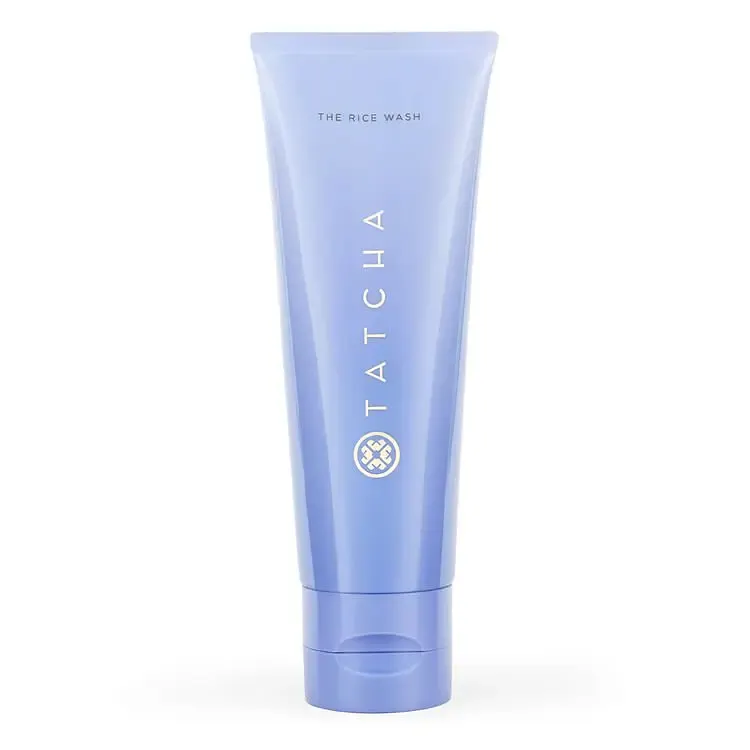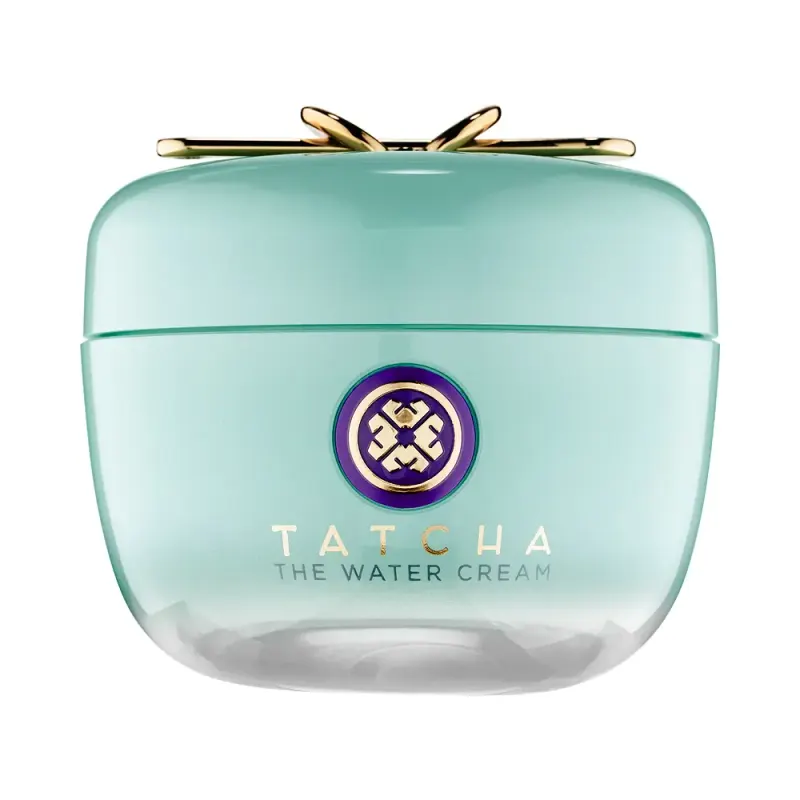
Tatcha
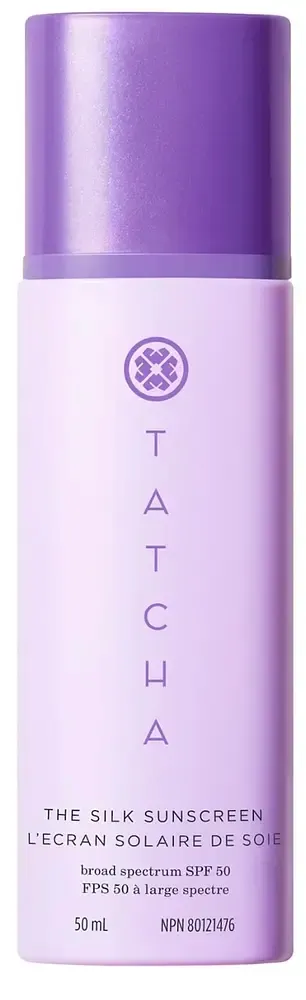
Tatcha The Silk Sunscreen SPF 50 Weightless Mineral Sunscreen
Low risk72/100

Some ingredients carry a low-risk flag. Read the formulation context before deciding.
46 of 47 ingredients rated1 not assessed
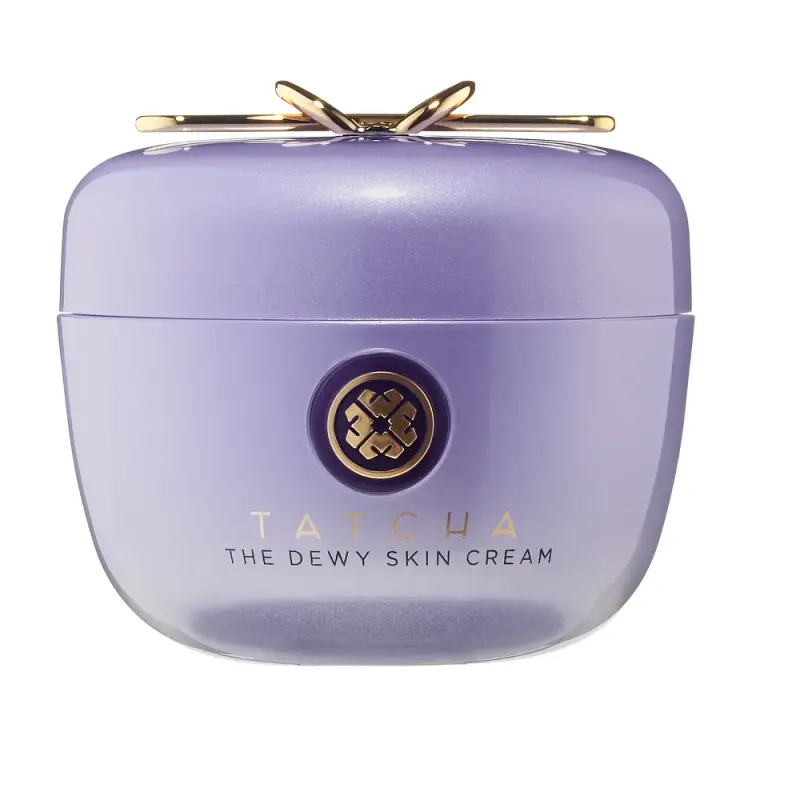
MamaSkin rates the recorded formula for Tatcha The Dewy Skin Cream as Low risk (71/100). Review the ingredient context and any manual-review explanation before deciding.
The recorded formula includes 5 ingredient entries with risk flags: Dimethicone (Low risk), Dimethicone/Vinyl Dimethicone Crosspolymer (Low risk), Gluconolactone (Low risk), plus others listed in the breakdown. These are ingredient-level flags; they do not replace the stored product assessment or account for every formulation detail.
46 of 47 ingredient entries on this page have a recorded score, evidence summary and source text. 1 entry does not have all of those fields. Unmatched or unrated entries are marked Not assessed in grey; missing evidence does not establish safety.
How we assess productsThe recorded formula, with evidence behind each rating. Unmatched ingredients are marked Not assessed in grey.
Umbrella term for an undisclosed fragrance blend. It’s not usually a pregnancy-specific concern at normal cosmetic use levels, but the exact components and concentrations aren’t fully disclosed on the label, so we score it more conservatively. If you prefer maximum transparency (or you’re sensitive to fragrance compounds), choose fragrance-free/unscented products.
Sources: SCCS: Fragrance allergens in cosmetic products https://health.ec.europa.eu/latest-updates/sccs-new-opinion-fragrance-allergens-cosmetic-products-2012-07-31_en
Phenoxyethanol is a preservative permitted in EU cosmetics up to 1.0%. The SCCS concluded it is safe for cosmetic use at that level, including when considering higher cosmetic exposure scenarios in infants and young children. Main practical concern is irritation/stinging on very sensitive or compromised skin rather than a pregnancy- or breastfeeding-specific risk.
Sources: SCCS/1575/16: Phenoxyethanol opinion https://health.ec.europa.eu/publications/phenoxyethanol_en
Dimethicone is a silicone polymer used as a skin protectant and slip/conditioning agent. It is considered inert with minimal dermal absorption; the main practical issues are cosmetic (feel) and occasional irritation in very sensitive users. It is not a pregnancy-specific concern in topical cosmetic use.
Sources: CIR: Amended Safety Assessment of Dimethicone, Methicone, and Substituted-Methicone Polymers as Used in Cosmetics https://cir-safety.org/supplementaldoc/amended-safety-assessment-dimethicone-methicone-and-substituted-methicone-polymers-2
A crosslinked silicone elastomer used for texture and oil absorption. Cosmetic safety reviewers concluded that dimethicone crosspolymers are safe in current cosmetic use. MamaSkin classifies the exact polymer as low risk for consistency with the existing dimethicone-family policy and because manufacturing controls are needed for residual monomers, rather than because of a known pregnancy-specific contraindication.
Sources: CIR: Safety Assessment of Dimethicone Crosspolymers as Used in Cosmetics https://www.cir-safety.org/sites/default/files/dimethcross_blue_092012.pdf
Polyhydroxy acid (PHA) used as a gentle exfoliant/humectant; generally less irritating than AHAs due to lower penetration. Considered safe as used in cosmetics, with no pregnancy-specific contraindications identified at topical cosmetic concentrations.
Sources: MotherToBaby: Topical acne treatments in pregnancy and breastfeeding https://www.ncbi.nlm.nih.gov/books/NBK582985/
No matched ingredient rating is available yet. Not assessed does not mean safe or unsafe.
Water (Aqua) is the standard purified water used as a cosmetic solvent. It has no pregnancy-specific risk in normal topical use.
Sources: https://pubchem.ncbi.nlm.nih.gov/compound/Water, https://single-market-economy.ec.europa.eu/sectors/cosmetics/cosmetic-ingredient-database/cosing-glossary-ingredients_en
A fermentation-derived cosmetic ingredient used for conditioning or formula support. Composition depends on the organism, substrate and manufacturing controls. No pregnancy-specific reproductive or developmental hazard was identified for normal topical exposure; ingestion is outside this classification.
Sources: European Commission CosIng ingredient inventory; CIR safety framework for microbial, fermentation-derived and biological-source cosmetic ingredients.
Glycerin is a widely used humectant that supports hydration and the skin barrier, with a long safety record and no known pregnancy or breastfeeding concerns in topical cosmetic use.
Sources: CIR; EU/UK Cosmetics Regulation
Solvent and humectant used to improve texture and ingredient solubility. Low systemic exposure expected from topical cosmetic use.
Sources: Cosmetic Ingredient Review (US); Scientific Committee on Consumer Safety (EU)
Lightweight emollient used to support the skin barrier. Not associated with pregnancy-specific concerns at cosmetic exposure levels.
Sources: Cosmetic Ingredient Review (US); Scientific Committee on Consumer Safety (EU)
Emollient ester commonly used in lip, makeup and skin-care formulas for cushion and gloss. Reviewed cosmetic ingredient references do not identify a pregnancy- or breastfeeding-specific concern for normal topical cosmetic use.
Sources: CIR cosmetic ingredient safety references for alkyl esters/malates; EU CosIng / cosmetics regulatory inventory
Long-chain fatty alcohol used as an emollient and thickener. This is not the same concern profile as simple drying alcohols; reviewed cosmetic safety sources support normal topical use.
Sources: CIR: Final Report on the Safety Assessment of Cetearyl Alcohol, Cetyl Alcohol, Isostearyl Alcohol, Myristyl Alcohol, and Behenyl Alcohol; EU CosIng / cosmetics regulatory inventory
A fatty-acid ester used mainly for emollience, slip and formula texture. Cosmetic safety reviewers concluded that the assessed alkyl esters are safe in current practices when formulated to be non-irritating. No pregnancy-specific concern was identified for normal topical cosmetic exposure.
Sources: CIR: Safety Assessment of Alkyl Esters as Used in Cosmetics https://cir-reports.cir-safety.org/view-attachment/?id=b34bc38f-8e74-ec11-8943-0022482f06a6
dipentaerythrityl hexahydroxystearate is an emollient lipid, ester, fatty-acid derivative, butter or hydrocarbon texture ingredient. Relevant cosmetic-family evidence supports use with normal purity and formulation controls. No pregnancy-specific concern was identified for ordinary topical exposure; source allergy or irritation can still occur where applicable.
Sources: CIR Safety Assessment of Alkyl Esters as Used in Cosmetics https://www.cir-safety.org/supplementaldoc/safety-assessment-alkyl-esters-used-cosmetics; CIR plant-oil and fatty-acid derivative assessments.
Emollient ester used in lip, makeup and skin-care formulas for cushion, gloss and barrier feel. Reviewed cosmetic ingredient references do not identify a pregnancy- or breastfeeding-specific concern for normal topical use.
Sources: CIR cosmetic ingredient safety references for glyceryl esters/emollient esters; EU CosIng / cosmetics regulatory inventory
A high-molecular-weight ester used as an emollient and film-forming texture agent. Cosmetic safety reviewers concluded that trialkyl trimellitates, including tridecyl trimellitate, are safe in current practices when formulated to be non-irritating. Dermal absorption is expected to be limited.
Sources: CIR: Safety Assessment of Trialkyl Trimellitates as Used in Cosmetics https://www.cir-safety.org/sites/default/files/trimel062015TR.pdf
A naturally occurring sugar alcohol used for conditioning and hydration. Cosmetic safety reviewers concluded that inositol is safe in current practices of use and concentration. No pregnancy-specific concern was identified for normal topical cosmetic exposure.
Sources: CIR: Final Safety Assessment of Inositol, December 2024; December 2025 Quick Reference Table https://cir-safety.org/sites/default/files/QRT-Update-Dec2025.pdf
A fatty ester, lipid-derived emulsifier or emollient used for texture and skin conditioning. These materials have low expected systemic exposure, and no pregnancy-specific reproductive or developmental hazard was identified for normal topical cosmetic use.
Sources: CIR safety assessments of fatty esters, glycerides and emollients as used in cosmetics; European Commission CosIng ingredient inventory.
Beheneth-20: An alkyl PEG ether assessed for cosmetic use in non-irritating formulations. Manufacture should control ethylene oxide and 1,4-dioxane residues. This is not a sulfated surfactant; findings for laureth sulfates should not be transferred to this distinct identity. No pregnancy-specific harm has been identified for ordinary topical cosmetic use; direct human pregnancy data are limited.
Sources: https://pubmed.ncbi.nlm.nih.gov/23064774/,https://www.cir-safety.org/sites/default/files/QRT-Update-Dec2025.pdf
Camellia sinensis (green tea) leaf extract is used as an antioxidant botanical; topical cosmetic use is considered low concern with no known pregnancy or breastfeeding risks, though rare sensitivities are possible.
Sources: CIR; EU/UK Cosmetics Regulation
The CIR quick-reference record identifies the exact brown-algae extract as safe under its final assessment.
Sources: https://cir-safety.org/sites/default/files/QRT-Update-Dec2025.pdf
A red-algae-derived extract used for skin conditioning, hydration or formula texture. Cosmetic safety reviewers concluded that the assessed red algae ingredients, including this extract, are safe in current practices of use and concentration. Cosmetic manufacturers should control naturally occurring contaminants such as heavy metals and arsenic.
Sources: CIR: Safety Assessment of Red Algae-Derived Ingredients as Used in Cosmetics https://cir-reports.cir-safety.org/view-attachment/?id=cef5b6e9-8c74-ec11-8943-0022482f06a6
A rice-derived extract or wax used for skin conditioning, absorbency or texture. Cosmetic safety reviewers concluded that the assessed Oryza sativa-derived ingredients are safe in current cosmetic practices. Rice allergy remains possible in a susceptible person.
Sources: CIR: Rice-derived ingredients conclusions, IJT 25(Suppl. 2), 2006; December 2025 Quick Reference Table https://cir-safety.org/sites/default/files/QRT-Update-Dec2025.pdf
A botanical root extract used as a skin-conditioning and antioxidant ingredient. Cosmetic safety reviewers concluded that Panax root-derived ingredients are safe in current practices of use and concentration. The assessment considered the biological activity of ginsenosides and available reproductive and developmental information; ordinary topical cosmetic exposure was not identified as a pregnancy-specific concern. Botanical irritation or allergy remains possible.
Sources: CIR: Safety Assessment of Panax spp. Root-Derived Ingredients as Used in Cosmetics https://cir-safety.org/supplementaldoc/safety-assessment-panax-spp-root-derived-ingredients-used-cosmetics
For ordinary topical cosmetic use, no pregnancy-specific harm has been established for origanum majorana leaf extract. Marjoram herb extract not oil; oral medicinal data gap only. EMA marjoram monograph notes medicinal pregnancy/BF evidence gaps; leaf extract is not oil. Direct human gestational studies and finished-product constituent levels are limited; oral, medicinal, and concentrated preparations are not covered.
For ordinary topical cosmetic use, no pregnancy-specific harm has been established for thymus serpyllum extract. Wild-thyme extract is not the essential oil; live thyme extract NKR precedent. A primary comparative chemical/skin-fibroblast study shows wild-thyme extracts and oils differ; its n-hexane extract was less cytotoxic than the oil in vitro. This does not assess pregnancy or the exact cosmetic extract; Direct human gestational studies and finished-product constituent levels are limited; oral, medicinal, and concentrated preparations are not covered.
malva sylvestris flower extract is a botanical-derived cosmetic conditioning ingredient. The reviewed identity is not an essential oil or an oral herbal preparation. Available cosmetic evidence and expected topical exposure did not identify a pregnancy-specific contraindication, although botanical irritation or allergy remains possible.
Sources: CIR ingredient-specific and botanical-family safety assessments; CIR Quick Reference Table https://cir-safety.org/sites/default/files/QRT-Update-Dec2025.pdf; European Commission CosIng
Sodium hyaluronate (hyaluronic acid salt) is used for hydration and cushioning, with very low systemic absorption from topical use and no known pregnancy or breastfeeding concerns at cosmetic concentrations.
Sources: CIR; EU/UK Cosmetics Regulation
An insoluble mineral or elemental particle used for optical effects, absorbency or cosmetic texture. Meaningful systemic exposure through intact skin is expected to be low. No pregnancy- or reproductive-toxicity signal was identified for normal topical cosmetic use. Particle size, source purity, metal impurities and inhalation of airborne powder remain formulation-specific considerations, and local contact allergy is possible with gold.
Sources: European Commission CosIng ingredient inventory; SCCS guidance on the safety assessment of nanomaterials in cosmetics https://health.ec.europa.eu/scientific-committees/scientific-committee-consumer-safety-sccs_en; published cosmetic and dermatology literature for gold, diamond powder and perlite.
sericin is a cosmetic protein, amino-acid mixture or peptide used for conditioning. Expected systemic exposure from normal topical use is low. Manufacturing quality should minimise residual allergenic proteins where relevant; no pregnancy-specific concern was identified for normal cosmetic exposure.
Sources: CIR safety assessments of source amino acids, proteins and peptides https://cir-safety.org/sites/default/files/saacid062013final.pdf; European Commission CosIng
A plant-derived wax, sterol fraction or oil unsaponifiable used for emollience and formula structure. Related source oils, waxes and phytosterols are established cosmetic ingredients, and no reproductive or developmental hazard signal was identified for normal topical exposure. Botanical source purity and individual contact allergy remain formulation-specific considerations.
Sources: CIR safety assessments of plant-derived fatty acid oils, Euphorbia Cerifera (Candelilla)-derived ingredients and phytosterols; European Commission CosIng ingredient inventory.
Vitamin E antioxidant used to protect oils and support the skin barrier. Not associated with pregnancy-specific concerns at cosmetic exposure.
Sources: Cosmetic Ingredient Review (US); Scientific Committee on Consumer Safety (EU)
Large polymer thickener, stabilizer and texture ingredient used in gels, creams and sunscreens. Systemic exposure from topical cosmetic use is expected to be low, with no pregnancy- or breastfeeding-specific concern identified in reviewed cosmetic references.
Sources: CIR cosmetic ingredient safety references for acrylates copolymers; EU CosIng / cosmetics regulatory inventory
Emulsifier used to help oil and water phases remain mixed. Reviewed cosmetic safety sources support topical use in cosmetics; the main practical issue is irritation potential in some formulas rather than a pregnancy-specific concern.
Sources: CIR: Safety Assessment of Sorbitan Esters as Used in Cosmetics; EU CosIng / cosmetics regulatory inventory
Nonionic emulsifier and solubilizer used to help oil and water phases mix. Reviewed cosmetic safety sources support normal topical use, with no pregnancy- or breastfeeding-specific topical signal identified.
Sources: CIR: Safety Assessment of Polysorbates as Used in Cosmetics; EU CosIng / cosmetics regulatory inventory
Solvent and humectant commonly used in leave-on products. Not associated with pregnancy-specific concerns at cosmetic exposure levels.
Sources: Cosmetic Ingredient Review (US); Scientific Committee on Consumer Safety (EU)
Preservative widely used in foods and cosmetics. Considered safe at regulated concentrations with low systemic exposure from topical use.
Sources: Scientific Committee on Consumer Safety (EU); European cosmetics regulatory framework
Preservative booster and skin-conditioning agent. Considered safe for cosmetic use with low systemic exposure when used as intended.
Sources: Scientific Committee on Consumer Safety (EU); Cosmetic Ingredient Review (US)
Volatile solvent used in some toners, sprays, and lightweight formulas. Reviewed cosmetic safety sources support current cosmetic use, with no pregnancy- or breastfeeding-specific topical concern identified in the material reviewed; the main practical issue is dryness, stinging, or barrier disruption in some users.
Sources: CIR: Safety Assessment of SD Alcohol 40, Benzyl Alcohol, and Denatured Alcohol in Cosmetic Products; EU CosIng / cosmetics regulatory inventory
A lemon-scented mixture of the aldehydes geranial and neral used in fragrance. Citral is a recognised skin sensitiser, but current cosmetic concerns relate to allergy and concentration rather than a pregnancy-specific hazard from normal topical use.
Sources: European Commission: Fragrance allergens labelling https://single-market-economy.ec.europa.eu/sectors/cosmetics/cosmetic-products-specific-topics/fragrance-allergens-labelling_en; SCCS fragrance-allergen opinions
Limonene is a common fragrance component used at low levels in cosmetics; it is not a pregnancy-specific concern in topical use, but it is a recognised fragrance allergen and may trigger irritation or sensitisation in some people, especially if the product oxidises over time.
Sources: EU/UK cosmetics (fragrance allergen labelling); IFRA; toxicology reviews
Linalool is a common fragrance component used at low levels in cosmetics; it is not a pregnancy-specific concern in topical use, but it is a recognised fragrance allergen and may trigger irritation or sensitisation in some people, especially if the product oxidises over time.
Sources: EU/UK cosmetics (fragrance allergen labelling); IFRA; toxicology reviews
Mineral platelet used to add shimmer and improve texture in makeup and skincare. Very low dermal absorption in typical topical use and generally considered acceptable in pregnancy and breastfeeding. If you prefer a cautious approach, avoid inhaling loose powders or sprays.
Sources: General cosmetic ingredient safety references for inert minerals/pigments; exposure route considerations for powders/sprays.
Mineral ingredient used in some cosmetics to enhance shimmer/opacity. For typical topical use, dermal absorption is very low and it is generally considered acceptable in pregnancy and breastfeeding. If you prefer a cautious approach, avoid inhaling loose powders or sprays.
Sources: General cosmetic ingredient safety references for inert minerals; exposure route considerations for powders/sprays.
Colour Index name for titanium dioxide. Used as a pigment and (in some products) a mineral UV filter. For typical topical use in creams, lotions and makeup, systemic absorption is expected to be very low. Most concerns discussed in the literature relate to ingestion (E171) or inhalation from fine powders/sprays, and to nanoparticle characterisation. For routine topical cosmetic use, it is generally considered acceptable in pregnancy and breastfeeding; if you prefer a cautious approach, avoid inhaling loose powders or sprays.
Sources: EFSA opinion on titanium dioxide (E171) ingestion context; SCCS cosmetic opinions (incl. inhalation/nano considerations); general dermatology guidance on mineral sunscreens in pregnancy.
A Colour Index or lake name for a regulated cosmetic colour additive. Permitted product areas differ by colour, and certified colours must meet applicable identity, purity, batch-certification and use requirements. No pregnancy-specific concern was identified for compliant topical cosmetic use.
Sources: FDA: Regulatory Status of Color Additives https://hfpappexternal.fda.gov/scripts/fdcc/index.cfm?set=ColorAdditives; FDA: Color Additives Permitted for Use in Cosmetics https://www.fda.gov/cosmetics/cosmetic-ingredient-names/color-additives-permitted-use-cosmetics; 21 CFR Parts 73, 74 and 82.
Water, Saccharomyces/Rice Ferment Filtrate, Glycerin, Propanediol, Dimethicone, Squalane, Diisostearyl Malate, Behenyl Alcohol, Myristyl Myristate, Dipentaerythrityl Hexahydroxystearate, Bis-Diglyceryl Polyacyladipate-2, Tridecyl Trimellitate, Inositol, Sorbitan Tristearate, Beheneth-20, Camellia Sinensis Leaf Extract, Cladosiphon Okamuranus Extract, Chondrus Crispus Extract, Betaphycus Gelatinum Extract, Oryza Sativa Bran Extract, Panax Ginseng Root Extract, Origanum Majorana Leaf Extract, Thymus Serpyllum Extract, Malva Sylvestris Flower Extract, Sodium Hyaluronate, Gold, Sericin, Phytosteryl Macadamiate, Tocopherol, Hydroxyethyl Acrylate/Sodium Acryloyldimethyl Taurate Copolymer, Sorbitan Isostearate, Polysorbate 60, Butylene Glycol, Dimethicone/Vinyl Dimethicone Crosspolymer, Sodium Benzoate, Gluconolactone, Ethylhexylglycerin, Parfum, Alcohol, Phenoxyethanol, Citral, Limonene, Linalool, Mica, Tin Oxide, CI 77891, CI 60725
Ingredient ratings refreshed 1 October 2026. Formulas vary by market and can change. Always compare with your packaging.
The recorded formula includes 5 ingredient entries with risk flags: Dimethicone (Low risk), Dimethicone/Vinyl Dimethicone Crosspolymer (Low risk), Gluconolactone (Low risk), plus others listed in the breakdown. These are ingredient-level flags; they do not replace the stored product assessment or account for every formulation detail. Incomplete ingredient documentation does not establish safety; see the coverage answer and grey entries below.
46 of 47 ingredient entries on this page have a recorded score, evidence summary and source text. 1 entry does not have all of those fields. Unmatched or unrated entries are marked Not assessed in grey; missing evidence does not establish safety.
Only if the ingredient list on your packaging matches the recorded formula shown here. Formulas can differ by market and change over time. Compare the full list, not just the product name; report a mismatch if it differs.
No. This page presents a pregnancy-focused product assessment. Do not infer a breastfeeding conclusion from its score or label; breastfeeding requires a separate assessment of the formula and how it is used.