The Ordinary
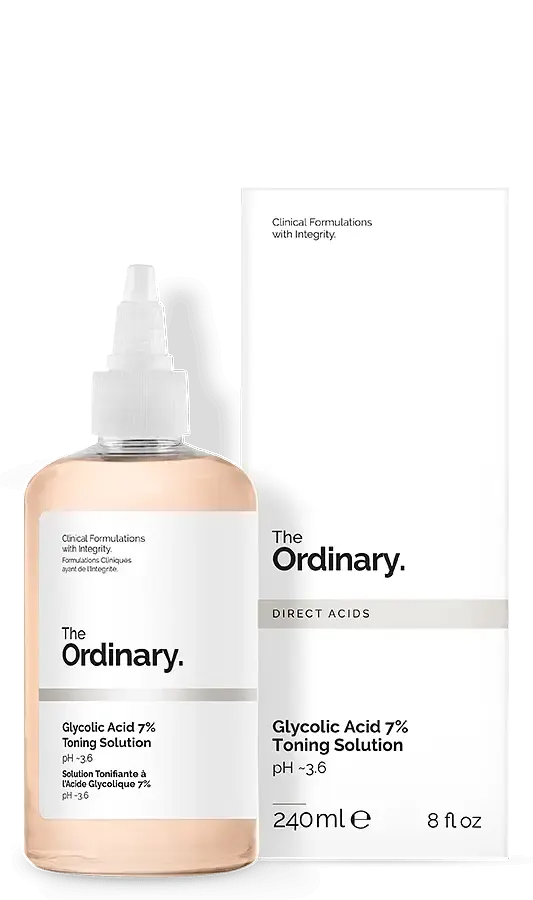
The Ordinary Glycolic Acid 7% Toning Solution
Low risk75/100

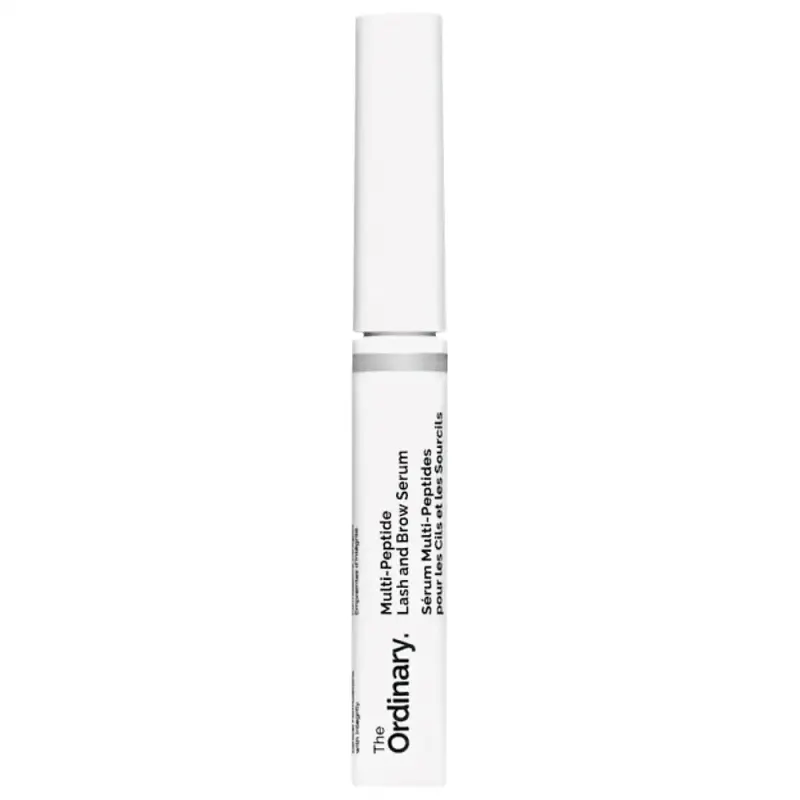
Lash & Brow Serums
Some ingredients carry a low-risk flag. Read the formulation context before deciding.
30 of 30 ingredients rated
MamaSkin rates the recorded formula for The Ordinary Multi-Peptide Lash And Brow Serum as Low risk (76/100). Review the ingredient context and any manual-review explanation before deciding.
The recorded formula includes 1 ingredient entry with a risk flag: Phenoxyethanol (Low risk). These are ingredient-level flags; they do not replace the stored product assessment or account for every formulation detail.
30 of 30 ingredient entries on this page have a recorded score, evidence summary and source text. That describes documentation coverage, not proof that the finished formula has been clinically tested during pregnancy.
How we assess productsThe recorded formula, with evidence behind each rating. Unmatched ingredients are marked Not assessed in grey.
Phenoxyethanol is a preservative permitted in EU cosmetics up to 1.0%. The SCCS concluded it is safe for cosmetic use at that level, including when considering higher cosmetic exposure scenarios in infants and young children. Main practical concern is irritation/stinging on very sensitive or compromised skin rather than a pregnancy- or breastfeeding-specific risk.
Sources: SCCS/1575/16: Phenoxyethanol opinion https://health.ec.europa.eu/publications/phenoxyethanol_en
Water (Aqua) is the standard purified water used as a cosmetic solvent. It has no pregnancy-specific risk in normal topical use.
Sources: https://pubchem.ncbi.nlm.nih.gov/compound/Water, https://single-market-economy.ec.europa.eu/sectors/cosmetics/cosmetic-ingredient-database/cosing-glossary-ingredients_en
Glycerin is a widely used humectant that supports hydration and the skin barrier, with a long safety record and no known pregnancy or breastfeeding concerns in topical cosmetic use.
Sources: CIR; EU/UK Cosmetics Regulation
Solvent and humectant commonly used in leave-on products. Not associated with pregnancy-specific concerns at cosmetic exposure levels.
Sources: Cosmetic Ingredient Review (US); Scientific Committee on Consumer Safety (EU)
A naturally occurring or derivative biomolecule used for conditioning, hydration or formula support. No pregnancy-specific reproductive or developmental hazard was identified for normal topical cosmetic exposure; oral or therapeutic dosing is outside this classification.
Sources: European Commission CosIng ingredient inventory; peer-reviewed biochemical and cosmetic-use literature; relevant CIR protein, peptide and biological-source safety assessments.
Synthetic peptide derivative used in topical hair/scalp and skin-conditioning formulas. Available cosmetic ingredient references do not identify a pregnancy- or breastfeeding-specific concern for normal topical cosmetic use.
Sources: Schagen SK. Topical Peptide Treatments with Effective Anti-Aging Results. Cosmetics. 2017;4(2):16. doi:10.3390/cosmetics4020016; EU CosIng / INCI cosmetic ingredient references.
oligopeptide-2 is a cosmetic protein, amino-acid mixture or peptide used for conditioning. Expected systemic exposure from normal topical use is low. Manufacturing quality should minimise residual allergenic proteins where relevant; no pregnancy-specific concern was identified for normal cosmetic exposure.
Sources: CIR safety assessments of source amino acids, proteins and peptides https://cir-safety.org/sites/default/files/saacid062013final.pdf; European Commission CosIng
Synthetic acetylated peptide used in topical cosmetic hair/scalp and skin-conditioning formulas. Available cosmetic ingredient references do not identify a pregnancy- or breastfeeding-specific concern for normal topical cosmetic use.
Sources: Schagen SK. Topical Peptide Treatments with Effective Anti-Aging Results. Cosmetics. 2017;4(2):16. doi:10.3390/cosmetics4020016; EU CosIng / INCI cosmetic ingredient references.
Methylxanthine used in cosmetics (e.g., de-puffing/firming and antioxidant support). No pregnancy-specific contraindications are identified for topical cosmetic use.
Sources: CIR (Methylxanthines); PubMed (NLM)
Panthenol (pro-vitamin B5) is used for soothing and barrier support and is generally well tolerated, with no known pregnancy or breastfeeding concerns in topical cosmetic use.
Sources: CIR; EU/UK Cosmetics Regulation
Amino acid used as a humectant, skin-conditioning agent, and pH-adjusting support ingredient. Reviewed cosmetic safety sources support normal topical use, with no pregnancy- or breastfeeding-specific topical signal identified in the material reviewed.
Sources: CIR: Safety Assessment of α-Amino Acids as Used in Cosmetics; EU CosIng / cosmetics regulatory inventory
Amino acid used as a humectant and skin/hair-conditioning support ingredient. Reviewed cosmetic safety sources support normal topical use, with no pregnancy- or breastfeeding-specific topical signal identified.
Sources: CIR: Safety Assessment of alpha-Amino Acids as Used in Cosmetics; EU CosIng / cosmetics regulatory inventory
A naturally occurring or derivative biomolecule used for conditioning, hydration or formula support. No pregnancy-specific reproductive or developmental hazard was identified for normal topical cosmetic exposure; oral or therapeutic dosing is outside this classification.
Sources: European Commission CosIng ingredient inventory; peer-reviewed biochemical and cosmetic-use literature; relevant CIR protein, peptide and biological-source safety assessments.
larix europaea wood extract is a botanical-derived cosmetic conditioning ingredient. The reviewed identity is not a concentrated essential oil or an oral herbal preparation. Available cosmetic evidence and expected topical exposure did not identify a pregnancy-specific contraindication, although botanical irritation or allergy remains possible.
Sources: CIR ingredient-specific and botanical-family safety assessments; CIR Quick Reference Table https://www.cir-safety.org/supplementaldoc/quick-reference-table-december-2025; European Commission CosIng
Red clover flower extract may contain isoflavones with oestrogen-like activity when consumed as a concentrated supplement. Oral supplement cautions are not evidence of a hazard from the much smaller topical exposure in a finished cosmetic. No pregnancy- or breastfeeding-specific risk from normal topical cosmetic use was identified.
Sources: NCCIH: Red Clover https://www.nccih.nih.gov/health/red-clover; European Commission CosIng ingredient inventory. No ingredient-specific topical pregnancy studies were identified.
Camellia sinensis (green tea) leaf extract is used as an antioxidant botanical; topical cosmetic use is considered low concern with no known pregnancy or breastfeeding risks, though rare sensitivities are possible.
Sources: CIR; EU/UK Cosmetics Regulation
A high-molecular-weight carbohydrate gum produced by microbial fermentation and used for hydration, texture or film formation. Cosmetic safety reviewers concluded that the assessed microbial polysaccharide gums are safe in current practices of use and concentration. Dermal absorption of the intact polymers is expected to be limited.
Sources: CIR: Safety Assessment of Microbial Polysaccharide Gums as Used in Cosmetics https://cir-reports.cir-safety.org/view-attachment/?id=c052d083-8e74-ec11-8943-0022482f06a6
Polysaccharide carrier and bulking agent used for texture and delivery support. Reviewed cosmetic safety sources support normal topical use, with no pregnancy- or breastfeeding-specific topical signal identified in the material reviewed.
Sources: CIR: Safety Assessment of Polysaccharide Gums as Used in Cosmetics; EU CosIng / cosmetics regulatory inventory
A soluble zinc salt used for formula support, oral-care functions or antimicrobial and astringent effects. Zinc is an essential nutrient, but concentrated Zinc Chloride can be irritating or corrosive. CIR concluded that the assessed zinc salts are safe in current cosmetic practices when formulated to be non-irritating. No pregnancy-specific concern was identified for the small topical exposure expected from a finished cosmetic.
Sources: CIR: Safety Assessment of Zinc Salts as Used in Cosmetics https://www.cir-safety.org/supplementaldoc/safety-assessment-zinc-salts-used-cosmetics-0; European Commission CosIng ingredient inventory.
Cellulose-derived thickener used to build viscosity and improve texture. Reviewed cosmetic safety sources support normal topical use, with no pregnancy- or breastfeeding-specific topical signal identified in the material reviewed.
Sources: CIR Quick Reference Table / ingredient status (Hydroxyethylcellulose, Final Report 03/2009); EU CosIng / cosmetics regulatory inventory
Natural polysaccharide thickener used for stability and texture. Not associated with pregnancy-specific concerns.
Sources: European cosmetics regulatory framework
Chelating ingredient used to improve formula stability by binding trace metals. Reviewed cosmetic ingredient references do not identify a pregnancy- or breastfeeding-specific concern for normal topical use.
Sources: CIR cosmetic ingredient safety references for chelating agents; EU CosIng / cosmetics regulatory inventory
Nonionic surfactant and solubiliser used to disperse oils and fragrance. Reviewed cosmetic safety sources support normal topical use, with no pregnancy- or breastfeeding-specific topical signal identified in the material reviewed.
Sources: CIR: Safety Assessment of Polysorbates as Used in Cosmetics; EU CosIng / cosmetics regulatory inventory
An antioxidant and reducing agent used to protect cosmetic formulas and hair-colour systems. Sulfites can cause irritation or hypersensitivity in susceptible people, especially with inhalation exposure, but no pregnancy-specific hazard is identified for normal topical cosmetic use.
Sources: CIR ingredient record and safety assessment: Sodium Metabisulfite https://cir-safety.org/ingredient/sodium-metabisulfite
Humectant and preservative booster used to support product stability. Low systemic exposure expected from topical cosmetic use.
Sources: Scientific Committee on Consumer Safety (EU); Cosmetic Ingredient Review (US)
1,2-Hexanediol is commonly used as a solvent and preservative booster; topical exposure is low and it has no known pregnancy or breastfeeding concerns at cosmetic concentrations, though very sensitive skin may occasionally react.
Sources: CIR; EU/UK Cosmetics Regulation
Preservative widely used in foods and cosmetics. Considered safe at regulated concentrations with low systemic exposure from topical use.
Sources: Scientific Committee on Consumer Safety (EU); European cosmetics regulatory framework
Preservative acid used to help control microbial growth and support formula stability. Reviewed cosmetic safety sources support current cosmetic use, with no pregnancy- or breastfeeding-specific topical concern identified in the material reviewed; some users may still notice local irritation or stinging, especially on compromised skin.
Sources: CIR: Safety Assessment of Benzoic Acid and Sodium Benzoate as Used in Cosmetics; EU CosIng / cosmetics regulatory inventory
Preservative booster and skin-conditioning agent. Considered safe for cosmetic use with low systemic exposure when used as intended.
Sources: Scientific Committee on Consumer Safety (EU); Cosmetic Ingredient Review (US)
Preservative used to help protect formulas from microbial growth. Reviewed cosmetic safety sources support present cosmetic use; no pregnancy- or breastfeeding-specific topical concern was identified in the material reviewed, although some users may still notice local irritation or sensitivity.
Sources: CIR: Safety Assessment of Chlorphenesin as Used in Cosmetics; EU CosIng / cosmetics regulatory inventory
Water, Glycerin, Butylene Glycol, Myristoyl Pentapeptide-17, Biotinoyl Tripeptide-1, Oligopeptide-2, Acetyl Tetrapeptide-3, Caffeine, Panthenol, Arginine, Glycine, Glycoproteins, Larix Europaea Wood Extract, Trifolium Pratense Flower Extract, Camellia Sinensis Leaf Extract, Dextran, Maltodextrin, Zinc Chloride, Hydroxyethylcellulose, Xanthan Gum, Trisodium Ethylenediamine Disuccinate, Polysorbate 20, Sodium Metabisulfite, Caprylyl Glycol, 1,2-Hexanediol, Sodium Benzoate, Benzoic Acid, Ethylhexylglycerin, Phenoxyethanol, Chlorphenesin
Ingredient ratings refreshed 1 October 2026. Formulas vary by market and can change. Always compare with your packaging.
The recorded formula includes 1 ingredient entry with a risk flag: Phenoxyethanol (Low risk). These are ingredient-level flags; they do not replace the stored product assessment or account for every formulation detail. The product score is a stored assessment, not a clinical safety guarantee.
No. This recorded formula contains Panthenol or Madecassoside, but a barrier-care claim does not establish the assessment of all its other ingredients. Read the individual ingredient evidence and any manual-review explanation, and compare the recorded list with your packaging.
30 of 30 ingredient entries on this page have a recorded score, evidence summary and source text. That describes documentation coverage, not proof that the finished formula has been clinically tested during pregnancy.
Only if the ingredient list on your packaging matches the recorded formula shown here. Formulas can differ by market and change over time. Compare the full list, not just the product name; report a mismatch if it differs.
No. This page presents a pregnancy-focused product assessment. Do not infer a breastfeeding conclusion from its score or label; breastfeeding requires a separate assessment of the formula and how it is used.