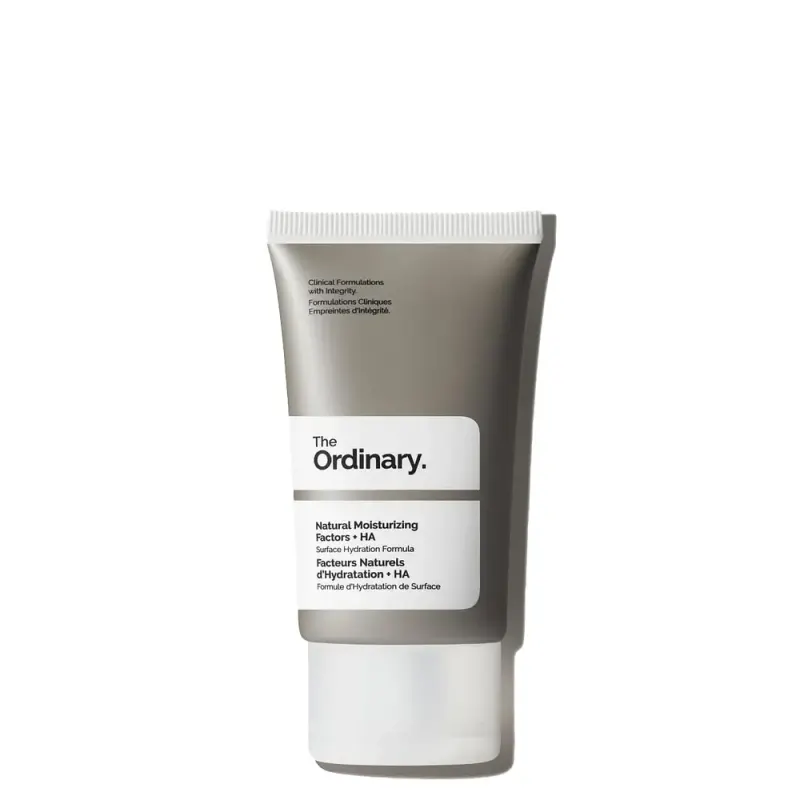
The Ordinary Natural Moisturizing Factors + HA by The Ordinary
The Ordinary

The Ordinary Natural Moisturizing Factors + HA

General Moisturizersmoisturisers

Safety score

Pregnancy-focused assessment

Low Risk75/100
Higher concernLower concern

One or more ingredients have a low-risk flag in MamaSkin's current assessment. Review the notes and your own circumstances.

Ingredient safety review updated 23 November 2025.

Check the current formula in MamaSkin

Copy the product name, download MamaSkin and search it for free. You can also scan the ingredient label on the product you own.

Download MamaSkin on the App StoreGet MamaSkin on Google Play

Ingredient breakdown

See how the listed formula falls across MamaSkin's pregnancy-focused risk bands.

44

No known risks

2

Low risk

0

Medium risk

0

High risk

Ingredients

Ingredients with a higher risk flag appear first, followed by the rest of the formula.

Triethanolamine

Low Risk

Triethanolamine (TEA) is an alkanolamine used as a pH adjuster and surfactant in cosmetics. The main practical concerns are skin/eye irritation at higher concentrations and the potential formation of nitrosamines if formulated with nitrosating agents (a formulation/impurity-control issue). It is not a typical pregnancy-specific concern at cosmetic use levels; overall risk is primarily local irritation/sensitisation in susceptible users.

Sources: CIR: Safety Assessment of Triethanolamine (TEA) and TEA-containing ingredients as used in cosmetics (Fiume et al., 2013); CIR Resource Document: N-Nitrosation and cosmetic ingredient safety; EU CosIng (Triethanolamine).

Phenoxyethanol

Low Risk

Phenoxyethanol is a preservative permitted in EU cosmetics up to 1.0%. The SCCS concluded it is safe for cosmetic use at that level, including when considering higher cosmetic exposure scenarios in infants and young children. Main practical concern is irritation/stinging on very sensitive or compromised skin rather than a pregnancy- or breastfeeding-specific risk.

Sources: EU SCCS; EU Cosmetics Regulation (Annex V preservative limit), SCCS Opinion on Phenoxyethanol (SCCS/1575/16, 2016)

Water

No Known Risks
Show all (46)

Caprylic/Capric Triglyceride

No Known Risks

Common emollient derived from fatty acids and glycerin. Used to soften skin and improve texture without pregnancy-specific concerns.

Sources: Cosmetic Ingredient Review (US); Scientific Committee on Consumer Safety (EU)

Cetyl Alcohol

No Known Risks

Fatty alcohol used to improve texture and skin feel. Considered safe for cosmetic use without pregnancy-specific concerns.

Sources: Cosmetic Ingredient Review (US); Scientific Committee on Consumer Safety (EU)

Propanediol

No Known Risks

Solvent and humectant used to improve texture and ingredient solubility. Low systemic exposure expected from topical cosmetic use.

Sources: Cosmetic Ingredient Review (US); Scientific Committee on Consumer Safety (EU)

Stearyl Alcohol

No Known Risks

Fatty alcohol used as an emollient and stabiliser. Not associated with pregnancy-specific concerns at cosmetic exposure.

Sources: Cosmetic Ingredient Review (US); Scientific Committee on Consumer Safety (EU)

Glycerin

No Known Risks

Glycerin is a widely used humectant that supports hydration and the skin barrier, with a long safety record and no known pregnancy or breastfeeding concerns in topical cosmetic use.

Sources: CIR; EU/UK Cosmetics Regulation

Sodium Hyaluronate

No Known Risks

Sodium hyaluronate (hyaluronic acid salt) is used for hydration and cushioning, with very low systemic absorption from topical use and no known pregnancy or breastfeeding concerns at cosmetic concentrations.

Sources: CIR; EU/UK Cosmetics Regulation

Arginine

No Known Risks

Amino acid used as a humectant, skin-conditioning agent, and pH-adjusting support ingredient. Reviewed cosmetic safety sources support normal topical use, with no pregnancy- or breastfeeding-specific topical signal identified in the material reviewed.

Sources: CIR: Safety Assessment of α-Amino Acids as Used in Cosmetics; EU CosIng / cosmetics regulatory inventory

Aspartic Acid

No Known Risks

This naturally occurring alpha-amino acid is used for humectancy and skin or hair conditioning. The Cosmetic Ingredient Review found alpha-amino acids safe in current cosmetic use; the low concentrations and limited dermal uptake are not expected to create a pregnancy- or breastfeeding-specific concern.

Sources: CIR: Safety Assessment of alpha-Amino Acids as Used in Cosmetics https://www.cir-safety.org/supplementaldoc/safety-assessment-%CE%B1-amino-acids-used-cosmetics

Glycine

No Known Risks

Amino acid used as a humectant and skin/hair-conditioning support ingredient. Reviewed cosmetic safety sources support normal topical use, with no pregnancy- or breastfeeding-specific topical signal identified.

Sources: CIR: Safety Assessment of alpha-Amino Acids as Used in Cosmetics; EU CosIng / cosmetics regulatory inventory

Alanine

No Known Risks

Amino acid used as a humectant and skin/hair-conditioning support ingredient. Reviewed cosmetic safety sources support normal topical use, with no pregnancy- or breastfeeding-specific topical signal identified.

Sources: CIR: Safety Assessment of alpha-Amino Acids as Used in Cosmetics; EU CosIng / cosmetics regulatory inventory

Serine

No Known Risks

Amino acid used as a humectant and skin/hair-conditioning support ingredient. Reviewed cosmetic safety sources support normal topical use, with no pregnancy- or breastfeeding-specific topical signal identified.

Sources: CIR: Safety Assessment of alpha-Amino Acids as Used in Cosmetics; EU CosIng / cosmetics regulatory inventory

Valine

No Known Risks

This naturally occurring alpha-amino acid is used for humectancy and skin or hair conditioning. The Cosmetic Ingredient Review found alpha-amino acids safe in current cosmetic use; the low concentrations and limited dermal uptake are not expected to create a pregnancy- or breastfeeding-specific concern.

Sources: CIR: Safety Assessment of alpha-Amino Acids as Used in Cosmetics https://www.cir-safety.org/supplementaldoc/safety-assessment-%CE%B1-amino-acids-used-cosmetics

Isoleucine

No Known Risks

This naturally occurring alpha-amino acid is used for humectancy and skin or hair conditioning. The Cosmetic Ingredient Review found alpha-amino acids safe in current cosmetic use; the low concentrations and limited dermal uptake are not expected to create a pregnancy- or breastfeeding-specific concern.

Sources: CIR: Safety Assessment of alpha-Amino Acids as Used in Cosmetics https://www.cir-safety.org/supplementaldoc/safety-assessment-%CE%B1-amino-acids-used-cosmetics

Proline

No Known Risks

Amino acid used as a humectant and skin/hair-conditioning support ingredient. Reviewed cosmetic safety sources support normal topical use, with no pregnancy- or breastfeeding-specific topical signal identified.

Sources: CIR: Safety Assessment of alpha-Amino Acids as Used in Cosmetics; EU CosIng / cosmetics regulatory inventory

Threonine

No Known Risks

Amino acid used as a humectant and skin/hair-conditioning support ingredient. Reviewed cosmetic safety sources support normal topical use, with no pregnancy- or breastfeeding-specific topical signal identified.

Sources: CIR: Safety Assessment of alpha-Amino Acids as Used in Cosmetics; EU CosIng / cosmetics regulatory inventory

Histidine

No Known Risks

This naturally occurring alpha-amino acid is used for humectancy and skin or hair conditioning. The Cosmetic Ingredient Review found alpha-amino acids safe in current cosmetic use; the low concentrations and limited dermal uptake are not expected to create a pregnancy- or breastfeeding-specific concern.

Sources: CIR: Safety Assessment of alpha-Amino Acids as Used in Cosmetics https://www.cir-safety.org/supplementaldoc/safety-assessment-%CE%B1-amino-acids-used-cosmetics

Phenylalanine

No Known Risks

This naturally occurring alpha-amino acid is used for humectancy and skin or hair conditioning. The Cosmetic Ingredient Review found alpha-amino acids safe in current cosmetic use; the low concentrations and limited dermal uptake are not expected to create a pregnancy- or breastfeeding-specific concern.

Sources: CIR: Safety Assessment of alpha-Amino Acids as Used in Cosmetics https://www.cir-safety.org/supplementaldoc/safety-assessment-%CE%B1-amino-acids-used-cosmetics

Glucose

No Known Risks

Simple sugar used as a humectant and skin-conditioning support ingredient. Reviewed cosmetic ingredient references do not identify a pregnancy- or breastfeeding-specific concern for normal topical cosmetic use.

Sources: CIR: Safety Assessment of Monosaccharides, Disaccharides, and Related Ingredients as Used in Cosmetics; EU CosIng / cosmetics regulatory inventory

Maltose

No Known Risks

Fructose

No Known Risks

This sugar or sugar alcohol is used as a humectant and skin-conditioning ingredient. Cosmetic Ingredient Review assessments support these saccharides in current cosmetic use, with no pregnancy- or breastfeeding-specific concern identified for normal topical exposure.

Sources: CIR: Safety Assessment of Monosaccharides Disaccharides and Related Ingredients as Used in Cosmetics https://cir-safety.org/supplementaldoc/safety-assessment-monosaccharides-disaccharides-and-related-ingredients-used-cosmeti

Trehalose

No Known Risks

Sugar-derived humectant used to help bind water and improve skin feel. Reviewed cosmetic ingredient references do not identify a pregnancy- or breastfeeding-specific concern for normal topical cosmetic use.

Sources: CIR: Safety Assessment of Monosaccharides, Disaccharides, and Related Ingredients as Used in Cosmetics; EU CosIng / cosmetics regulatory inventory

Sodium PCA

No Known Risks

Natural-moisturising-factor humectant that helps bind water in the stratum corneum. Reviewed cosmetic safety sources support normal topical use, with no pregnancy- or breastfeeding-specific topical signal identified in the material reviewed.

Sources: CIR: Safety Assessment of PCA and Its Salts as Used in Cosmetics; EU CosIng / cosmetics regulatory inventory

PCA

No Known Risks

Pyrrolidone carboxylic acid, a natural-moisturising-factor component used as a humectant. Cosmetic safety reviewers concluded that PCA and its salts are safe in current practices, but they should not be used in formulations where N-nitroso compounds can form. No pregnancy-specific concern was identified for compliant topical use.

Sources: CIR: Safety Assessment of PCA and Its Salts as Used in Cosmetics https://www.cir-safety.org/supplementaldoc/safety-assessment-pca-2-pyrrolidone-5-carboxylic-acid-and-its-salts-used-cosmetics-0

Sodium Lactate

No Known Risks

Humectant and buffer that also forms part of the skin's natural moisturising factor. Reviewed cosmetic safety sources support topical cosmetic use; irritation and sun-sensitivity considerations relate more to formula context than to pregnancy-specific risk.

Sources: CIR: Safety Assessment of Alpha Hydroxy Acids as Used in Cosmetics; CIR: PCA and Its Salts as Used in Cosmetics; EU CosIng / cosmetics regulatory inventory

Urea

No Known Risks

A naturally occurring component of skin moisturizing factors, used in cosmetics as a humectant and at higher concentrations as a keratolytic. Ordinary cosmetic use does not identify a pregnancy-specific concern. Higher-strength products may sting or irritate damaged skin. Urea itself is distinct from formaldehyde-releasing preservatives such as imidazolidinyl urea and diazolidinyl urea.

Sources: CIR ingredient record: Urea https://cir-safety.org/ingredient/urea; EU CosIng cosmetic ingredient inventory: Urea

Allantoin

No Known Risks

Allantoin is a soothing skin protectant commonly used to help reduce irritation and support comfort, with no known pregnancy or breastfeeding concerns in topical cosmetic use.

Sources: CIR; EU/UK Cosmetics Regulation

Linoleic Acid

No Known Risks

This naturally occurring fatty acid is used for emolliency, cleansing support or texture. The Cosmetic Ingredient Review concluded that assessed fatty acids are safe in current cosmetic use when formulated to be non-irritating and non-sensitizing; some can increase penetration of other formula ingredients.

Sources: CIR: Safety Assessment of Fatty Acids and Fatty Acid Salts as Used in Cosmetics https://cir-safety.org/supplementaldoc/safety-assessment-fatty-acids-fatty-acid-salts-used-cosmetic

Oleic Acid

No Known Risks

This naturally occurring fatty acid is used for emolliency, cleansing support or texture. The Cosmetic Ingredient Review concluded that assessed fatty acids are safe in current cosmetic use when formulated to be non-irritating and non-sensitizing; some can increase penetration of other formula ingredients.

Sources: CIR: Safety Assessment of Fatty Acids and Fatty Acid Salts as Used in Cosmetics https://cir-safety.org/supplementaldoc/safety-assessment-fatty-acids-fatty-acid-salts-used-cosmetic

Phytosteryl Canola Glycerides

No Known Risks

Palmitic Acid

No Known Risks

Fatty acid used as an emollient, cleansing-support and texture ingredient. It is not associated with pregnancy- or breastfeeding-specific concerns in normal topical cosmetic use.

Sources: CIR: Safety Assessment of Fatty Acids and Fatty Acid Salts as Used in Cosmetics; EU CosIng / cosmetics regulatory inventory

Stearic Acid

No Known Risks

Stearic acid is a fatty acid used to stabilise emulsions and improve texture; it is considered low concern in topical cosmetics with no known pregnancy or breastfeeding risks at typical concentrations.

Sources: CIR; EU/UK Cosmetics Regulation

Lecithin

No Known Risks

Emulsifier and skin-conditioning ingredient composed of phospholipids. Not associated with pregnancy-specific concerns.

Sources: Cosmetic Ingredient Review (US)

Triolein

No Known Risks

Tocopherol

No Known Risks

Vitamin E antioxidant used to protect oils and support the skin barrier. Not associated with pregnancy-specific concerns at cosmetic exposure.

Sources: Cosmetic Ingredient Review (US); Scientific Committee on Consumer Safety (EU)

Carbomer

No Known Risks

Polymer thickener used to create gel textures. Large-molecule ingredient with negligible systemic absorption.

Sources: Cosmetic Ingredient Review (US); Scientific Committee on Consumer Safety (EU)

Isoceteth-20

No Known Risks

Polysorbate 60

No Known Risks

Nonionic emulsifier and solubilizer used to help oil and water phases mix. Reviewed cosmetic safety sources support normal topical use, with no pregnancy- or breastfeeding-specific topical signal identified.

Sources: CIR: Safety Assessment of Polysorbates as Used in Cosmetics; EU CosIng / cosmetics regulatory inventory

Sodium Chloride

No Known Risks

Sodium chloride is used to adjust viscosity and texture in formulations; topical cosmetic use is considered low concern with no known pregnancy or breastfeeding risks.

Sources: CIR; EU/UK Cosmetics Regulation

Citric Acid

No Known Risks

pH adjuster used in small amounts to maintain product stability. Not associated with pregnancy-specific concerns.

Sources: Scientific Committee on Consumer Safety (EU); European cosmetics regulatory framework

Trisodium Ethylenediamine Disuccinate

No Known Risks

Chelating ingredient used to improve formula stability by binding trace metals. Reviewed cosmetic ingredient references do not identify a pregnancy- or breastfeeding-specific concern for normal topical use.

Sources: CIR cosmetic ingredient safety references for chelating agents; EU CosIng / cosmetics regulatory inventory

Pentylene Glycol

No Known Risks

Humectant and preservative booster. Considered safe for cosmetic use with low systemic exposure.

Sources: Cosmetic Ingredient Review (US); Scientific Committee on Consumer Safety (EU)

Sodium Hydroxide

No Known Risks

pH adjuster used in very small quantities to balance formulations. Not associated with pregnancy-specific concerns.

Sources: Scientific Committee on Consumer Safety (EU); European cosmetics regulatory framework

Chlorphenesin

No Known Risks

Preservative used to help protect formulas from microbial growth. Reviewed cosmetic safety sources support present cosmetic use; no pregnancy- or breastfeeding-specific topical concern was identified in the material reviewed, although some users may still notice local irritation or sensitivity.

Sources: CIR: Safety Assessment of Chlorphenesin as Used in Cosmetics; EU CosIng / cosmetics regulatory inventory

Formulations can change without notice. For the most accurate result, compare this list with your packaging and scan the exact ingredient label in MamaSkin when you repurchase.

How to use this assessment

The risk band is the primary conclusion. The score adds detail within that band and should not be used to compare products as if a one-point difference were clinically meaningful.

MamaSkin provides pregnancy-focused information, not medical advice. Your midwife, GP, pharmacist or dermatologist should take priority when your circumstances differ from typical cosmetic use.

Read the full methodology