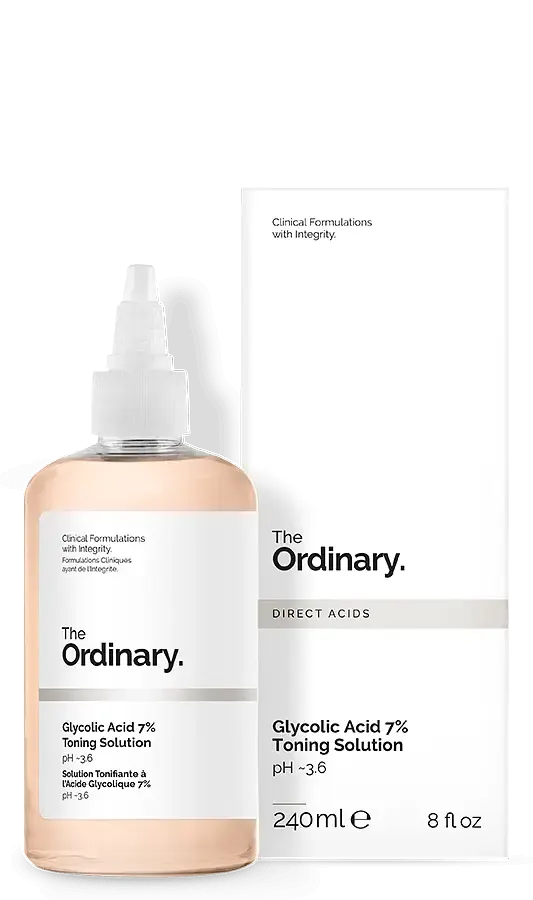
The Ordinary
The Ordinary Glycolic Acid 7% Toning Solution
Low risk75/100
No higher-risk flags in the assessed ingredients. This is a screening result, not a guarantee of pregnancy safety.
7 of 7 ingredients rated
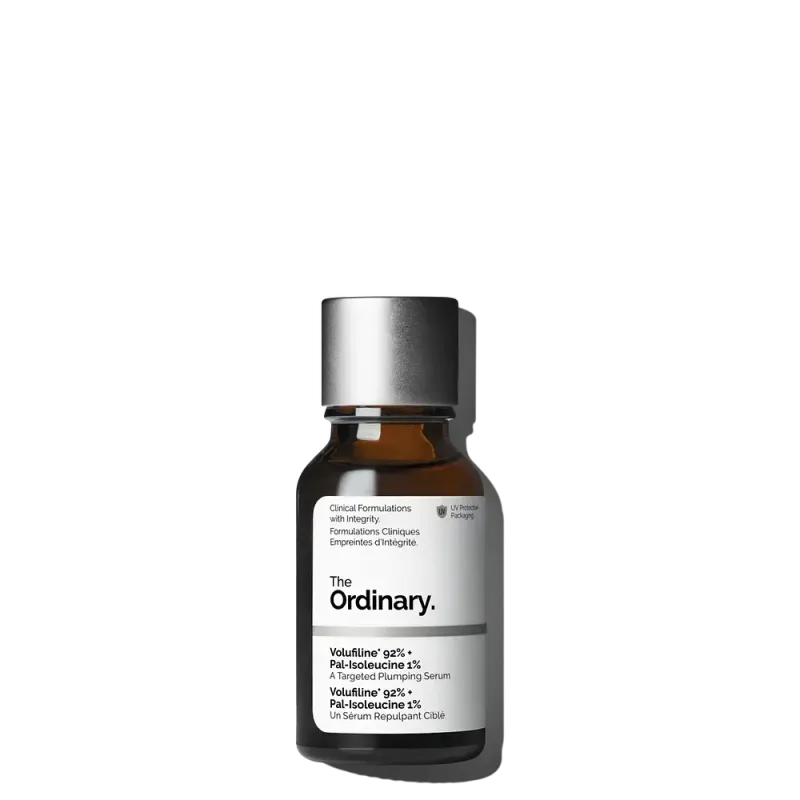
MamaSkin rates the recorded formula for The Ordinary Volufiline 92% + Pal-Isoleucine 1% as No known risks (99/100). This screening result is not a guarantee of safety for every pregnancy.
No higher-risk ingredient flags are shown in the assessed entries. Ingredients without a matched rating are marked Not assessed, not No known risks.
7 of 7 ingredient entries on this page have a recorded score, evidence summary and source text. That describes documentation coverage, not proof that the finished formula has been clinically tested during pregnancy.
How we assess productsThe recorded formula, with evidence behind each rating. Unmatched ingredients are marked Not assessed in grey.
A botanical extract or plant water used for conditioning, soothing or antioxidant support. Direct pregnancy studies of this exact cosmetic material were not identified, but no reproductive or developmental hazard was identified for normal topical exposure. Oral herbal or medicinal use is outside this classification.
Sources: European Commission CosIng; CIR botanical safety framework and relevant plant-family assessments; no ingredient-specific human pregnancy study of normal topical cosmetic use was identified.
Humectant and preservative booster used to support product stability. Low systemic exposure expected from topical cosmetic use.
Sources: Scientific Committee on Consumer Safety (EU); Cosmetic Ingredient Review (US)
Inert synthetic emollient used as a glossing and occlusive agent. Reviewed cosmetic safety sources support normal topical use, with no pregnancy- or breastfeeding-specific topical signal identified in the material reviewed.
Sources: CIR: Safety Assessment of Polyene Group as Used in Cosmetics; EU CosIng / cosmetics regulatory inventory
Palmitoyl Isoleucine: An amino-acid derivative included in CIR's assessment of non-irritating cosmetics. Manufacture should minimize residual peptides and starting materials. Family evidence is read-across rather than a direct pregnancy study of this exact derivative. No pregnancy-specific harm has been identified for ordinary topical cosmetic use; direct human pregnancy data are limited.
Sources: https://journals.sagepub.com/doi/full/10.1177/1091581816686048,https://www.cir-safety.org/sites/default/files/QRT-Update-Dec2025.pdf
A surfactant or emulsifier used at controlled cosmetic concentrations. Local irritation in strong formulas is the practical concern; no pregnancy-specific systemic concern was identified for normal topical or rinse-off exposure.
Sources: CIR assessments of related surfactants and emulsifiers; European Commission CosIng.
rhus succedanea fruit wax is a cosmetic resin or wax used for film formation, adhesion, texture or emollience. Relevant evidence does not identify a pregnancy-specific concern from normal topical exposure. Contact sensitivity can occur with some resin-derived materials, so this classification does not imply zero allergy risk.
Sources: CIR safety assessments of plant-derived waxes and cosmetic resins; CIR Quick Reference Table https://www.cir-safety.org/supplementaldoc/quick-reference-table-december-2025; European Commission CosIng
Vitamin E antioxidant used to protect oils and support the skin barrier. Not associated with pregnancy-specific concerns at cosmetic exposure.
Sources: Cosmetic Ingredient Review (US); Scientific Committee on Consumer Safety (EU)
anemarrhena asphodeloides root extract, caprylyl glycol, hydrogenated polyisobutene, palmitoyl isoleucine, polyglyceryl-3 stearate, rhus succedanea fruit wax, tocopherol
Ingredient ratings refreshed 1 October 2026. Formulas vary by market and can change. Always compare with your packaging.
No higher-risk ingredient flags are shown in the assessed entries. Ingredients without a matched rating are marked Not assessed, not No known risks. The product score is a stored assessment, not a clinical safety guarantee.
7 of 7 ingredient entries on this page have a recorded score, evidence summary and source text. That describes documentation coverage, not proof that the finished formula has been clinically tested during pregnancy.
Only if the ingredient list on your packaging matches the recorded formula shown here. Formulas can differ by market and change over time. Compare the full list, not just the product name; report a mismatch if it differs.
No. This page presents a pregnancy-focused product assessment. Do not infer a breastfeeding conclusion from its score or label; breastfeeding requires a separate assessment of the formula and how it is used.