
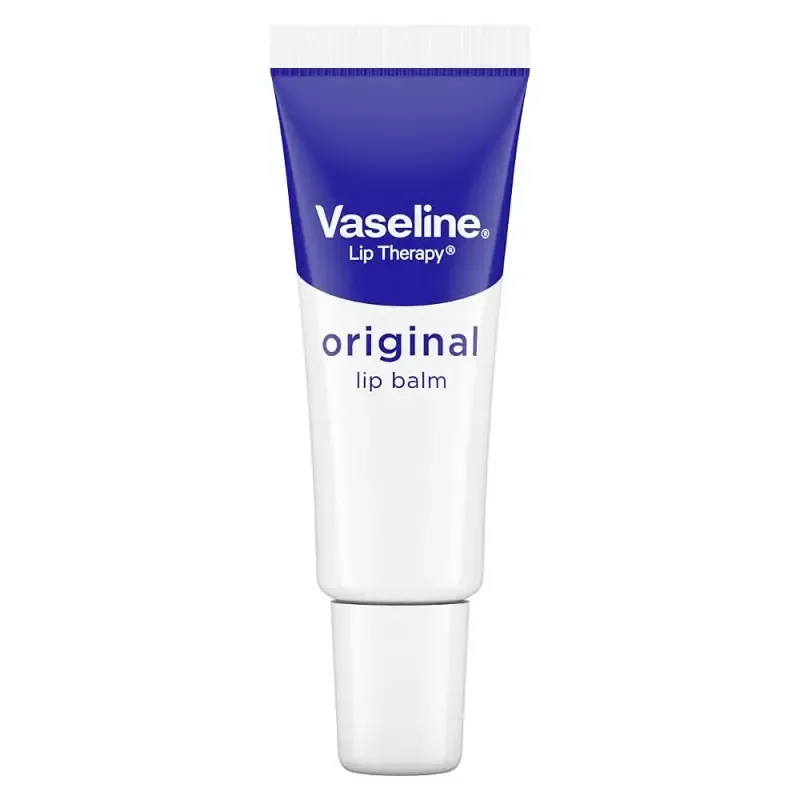
Vaseline Original Lip Balm by Vaseline
Vaseline

Vaseline Original Lip Balm

Lip Moisturizerscleansers

Safety score

Pregnancy-focused assessment

No Known Risks99/100
Higher concernLower concern

No higher-risk ingredients were identified in MamaSkin's current assessment. Check the latest package before deciding.

Formula and assessment check

Ingredient safety review updated 7 January 2026. Product formulas can change, so compare the ingredients shown here with the packaging you have.

Report a formula mismatch

Ingredient breakdown

See how the listed formula falls across MamaSkin's pregnancy-focused risk bands.

17

No known risks

0

Low risk

0

Medium risk

0

High risk

Ingredients

Ingredients with a higher risk flag appear first, followed by the rest of the formula.

Beeswax

No Known Risks

This wax is used as an emollient and structuring ingredient. Cosmetic Ingredient Review assessments support current cosmetic use, with no pregnancy- or breastfeeding-specific concern identified; uncommon contact allergy can occur, particularly with natural wax components.

Sources: CIR: Safety Assessment of Beeswax Carnauba Wax and Candelilla Wax https://www.cir-safety.org/sites/default/files/RR_Waxes.pdf
Butyrospermum Parkii Butter

No Known Risks

Butyrospermum parkii (shea) butter is an emollient/occlusive that supports the skin barrier; topical use is considered low concern with no known pregnancy or breastfeeding risks.

Sources: CIR; EU/UK Cosmetics Regulation

C20-40 Alkyl Stearate

No Known Risks
Show all (17)

Caprylic/Capric Triglyceride

No Known Risks

Common emollient derived from fatty acids and glycerin. Used to soften skin and improve texture without pregnancy-specific concerns.

Sources: Cosmetic Ingredient Review (US); Scientific Committee on Consumer Safety (EU)

Cetearyl Alcohol

No Known Risks

Fatty alcohol used as an emollient and thickener. Not the same as drying alcohols and not associated with pregnancy-specific concerns.

Sources: Cosmetic Ingredient Review (US); Scientific Committee on Consumer Safety (EU)

Cetyl Palmitate

No Known Risks

A waxy fatty-acid ester used as an emollient and texture agent. Cosmetic safety reviewers concluded that cetyl palmitate and the wider alkyl-ester group are safe in current practices of use; finished formulas should be non-irritating. No pregnancy-specific concern was identified for normal topical cosmetic exposure.

Sources: CIR: Safety Assessment of Alkyl Esters as Used in Cosmetics https://cir-reports.cir-safety.org/view-attachment/?id=b34bc38f-8e74-ec11-8943-0022482f06a6

Copernicia Cerifera Wax

No Known Risks

This wax is used as an emollient and structuring ingredient. Cosmetic Ingredient Review assessments support current cosmetic use, with no pregnancy- or breastfeeding-specific concern identified; uncommon contact allergy can occur, particularly with natural wax components.

Sources: CIR: Safety Assessment of Beeswax Carnauba Wax and Candelilla Wax https://www.cir-safety.org/sites/default/files/RR_Waxes.pdf
Glycerin

No Known Risks

Glycerin is a widely used humectant that supports hydration and the skin barrier, with a long safety record and no known pregnancy or breastfeeding concerns in topical cosmetic use.

Sources: CIR; EU/UK Cosmetics Regulation

Microcrystalline Wax

No Known Risks

Highly refined mineral wax used to thicken and stabilise formulas. Cosmetic-grade microcrystalline wax has minimal skin absorption and no known pregnancy-specific concerns in topical use as intended. Concerns raised online typically relate to unrefined mineral oil impurities or dietary exposure, not cosmetic-grade topical use.

Sources: Cosmetic Ingredient Review (CIR) ingredient dossier for Microcrystalline Wax + CIR wax safety assessment materials. ; Petry et al. (2017) dermal penetration review (includes mineral oils/waxes). ; BfR, Highly refined mineral oils in cosmetics (context on refined mineral oil fractions/waxes in cosmetics) (2018).

Myristyl Myristate

No Known Risks

A fatty-acid ester used mainly for emollience, slip and formula texture. Cosmetic safety reviewers concluded that the assessed alkyl esters are safe in current practices when formulated to be non-irritating. No pregnancy-specific concern was identified for normal topical cosmetic exposure.

Sources: CIR: Safety Assessment of Alkyl Esters as Used in Cosmetics https://cir-reports.cir-safety.org/view-attachment/?id=b34bc38f-8e74-ec11-8943-0022482f06a6

Octyldodecanol

No Known Risks

Fatty alcohol emollient used to improve spreadability and reduce drag. Reviewed cosmetic safety sources support normal topical use, with no pregnancy- or breastfeeding-specific topical signal identified in the material reviewed.

Sources: CIR ingredient status / report data sheet for Octyldodecanol; EU CosIng / cosmetics regulatory inventory

Panthenol

No Known Risks

Panthenol (pro-vitamin B5) is used for soothing and barrier support and is generally well tolerated, with no known pregnancy or breastfeeding concerns in topical cosmetic use.

Sources: CIR; EU/UK Cosmetics Regulation

Petrolatum

No Known Risks

Highly refined petrolatum (petroleum jelly) is a skin protectant/occlusive with minimal dermal penetration; safety depends on refining/PAH impurity controls and cosmetic/medical grades meet established standards.

Sources: USP White Petrolatum monograph (2021); Petry et al., Food and Chemical Toxicology (2017); PubMed (dermatology review)

Polyglyceryl-3 Distearate

No Known Risks

A polyglycerin fatty-acid ester used as an emulsifier, dispersant or emollient. Cosmetic safety reviewers concluded that the assessed family of 274 polyglyceryl fatty acid esters is safe in current practices when formulated to be non-irritating. No pregnancy-specific concern was identified for normal topical cosmetic exposure.

Sources: CIR: Safety Assessment of Polyglyceryl Fatty Acid Esters as Used in Cosmetics https://www.cir-safety.org/supplementaldoc/safety-assessment-polyglyceryl-fatty-acid-esters-used-cosmetics-1

Ricinus Communis Seed Oil

No Known Risks

Plant-derived emollient oil used to soften skin and improve product texture. Reviewed cosmetic safety sources support current cosmetic use, with no pregnancy- or breastfeeding-specific topical concern identified in the material reviewed.

Sources: CIR: Safety Assessment of Ricinus communis (Castor) Seed Oil and related castor-derived ingredients; EU CosIng / cosmetics regulatory inventory

Tocopheryl Acetate

No Known Risks

Tocopheryl acetate (vitamin E derivative) is used as an antioxidant and skin-conditioning ingredient; it is considered low concern in topical use with no known pregnancy or breastfeeding risks at cosmetic concentrations.

Sources: CIR; EU/UK Cosmetics Regulation

Water

No Known Risks

Formulations can change without notice. For the most accurate result, compare this list with your packaging and scan the exact ingredient label in MamaSkin when you repurchase.

How to use this assessment

The risk band is the primary conclusion. The score adds detail within that band and should not be used to compare products as if a one-point difference were clinically meaningful.

MamaSkin provides pregnancy-focused information, not medical advice. Your midwife, GP, pharmacist or dermatologist should take priority when your circumstances differ from typical cosmetic use.

Read the full methodology