Glycerin
No Known RisksGlycerin is a widely used humectant that supports hydration and the skin barrier, with a long safety record and no known pregnancy or breastfeeding concerns in topical cosmetic use.
Sources: CIR; EU/UK Cosmetics Regulation

Safety score
Pregnancy-focused assessment
No higher-risk ingredients were identified in MamaSkin's current assessment. Check the latest package before deciding.
Formula and assessment check
Ingredient safety review updated 23 November 2025. Product formulas can change, so compare the ingredients shown here with the packaging you have.
Report a formula mismatchMamaSkin assessment · 23 November 2025
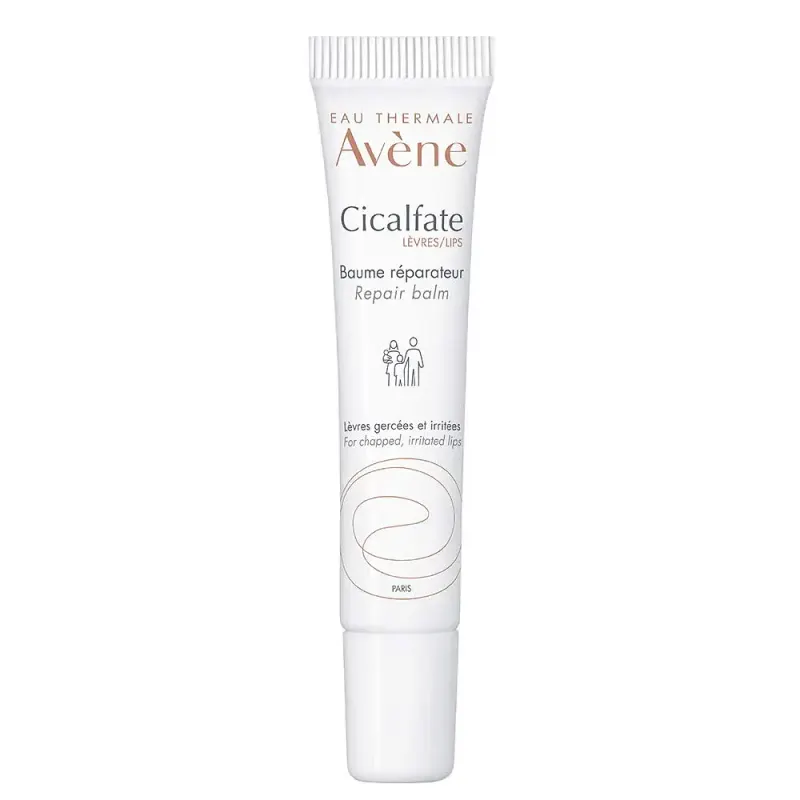
MamaSkin currently classifies Avène Cicalfate Lips Repair Balm as No known risks, with a stored score of 99/100. This is MamaSkin’s screening classification for the recorded formula, not a guarantee that the finished product is safe for every pregnancy.
No higher-risk ingredient flags are shown in this recorded breakdown. An ingredient without a matched assessment can still display the default No known risks label; that default is not evidence of a completed safety review.
13 of 15 ingredient entries on this page have a recorded score, evidence summary and source text. 2 entries do not have all of those fields. Unmatched entries retain the default No known risks label but are not independently assessed here; missing evidence does not establish safety.
See how the listed formula falls across MamaSkin's pregnancy-focused risk bands.
15
No known risks
0
Low risk
0
Medium risk
0
High risk
Ingredients with a higher risk flag appear first, followed by the rest of the formula.
Glycerin is a widely used humectant that supports hydration and the skin barrier, with a long safety record and no known pregnancy or breastfeeding concerns in topical cosmetic use.
Sources: CIR; EU/UK Cosmetics Regulation
Plant-derived emollient oil used to soften skin and improve product texture. Reviewed cosmetic safety sources support current cosmetic use, with no pregnancy- or breastfeeding-specific topical concern identified in the material reviewed.
Sources: CIR: Safety Assessment of Ricinus communis (Castor) Seed Oil and related castor-derived ingredients; EU CosIng / cosmetics regulatory inventory
Water (aqua) is the purified solvent used as the base of many cosmetics. MamaSkin classifies plain water as No known risks for normal topical use. Cosmetic water quality must be controlled to prevent contamination; this entry does not cover botanical waters or establish the safety of the finished formula.
Sources: Personal Care Products Council, CosmeticsInfo: Water https://www.cosmeticsinfo.org/ingredient/water/; FDA: Cosmetic Ingredient Names (Water/Aqua identity) https://www.fda.gov/cosmetics/cosmetics-labeling/cosmetic-ingredient-names
This wax is used as an emollient and structuring ingredient. Cosmetic Ingredient Review assessments support current cosmetic use, with no pregnancy- or breastfeeding-specific concern identified; uncommon contact allergy can occur, particularly with natural wax components.
Sources: CIR: Safety Assessment of Beeswax Carnauba Wax and Candelilla Wax https://www.cir-safety.org/sites/default/files/RR_Waxes.pdf
Common emollient derived from fatty acids and glycerin. Used to soften skin and improve texture without pregnancy-specific concerns.
Sources: Cosmetic Ingredient Review (US); Scientific Committee on Consumer Safety (EU)
Highly refined mineral oil (occlusive emollient). Cosmetic-grade mineral oil has very low skin absorption and is widely considered safe for topical use during pregnancy when used as intended. Concerns raised online typically relate to unrefined/poorly refined mineral oils and dietary mineral oil hydrocarbons, not regulated cosmetic-grade topical use.
Sources: BfR (Federal Institute for Risk Assessment), Highly refined mineral oils in cosmetics: Health risks are not to be expected according to current knowledge (2018). ; Petry et al., Review of data on the dermal penetration of mineral oils and waxes used in cosmetic products (Food and Chemical Toxicology, 2017). ; EFSA, Scientific Opinion on Mineral Oil Hydrocarbons in Food (2012).
Emollient ester used in lip, makeup and skin-care formulas for cushion, gloss and barrier feel. Reviewed cosmetic ingredient references do not identify a pregnancy- or breastfeeding-specific concern for normal topical use.
Sources: CIR cosmetic ingredient safety references for glyceryl esters/emollient esters; EU CosIng / cosmetics regulatory inventory
This emollient ester improves slip and skin feel. Cosmetic Ingredient Review assessments support use in current cosmetic concentrations when formulated to be non-irritating; topical use is not identified as a pregnancy- or breastfeeding-specific concern. Some alkyl esters can increase penetration of other formula ingredients.
Sources: CIR: Safety Assessment of Alkyl Esters as Used in Cosmetics https://cir-safety.org/supplementaldoc/safety-assessment-alkyl-esters-used-cosmetics
A solid wax-like derivative made by hydrogenating castor oil and used to thicken, stabilise or condition cosmetic formulas. Cosmetic safety reviewers included hydrogenated castor oil in the castor-oil ingredient family and concluded that these ingredients are safe in current cosmetic practices of use and concentration. No pregnancy-specific concern was identified for normal topical cosmetic exposure.
Sources: CIR: Final Safety Assessment of Ricinus communis (Castor) Seed Oil, Hydrogenated Castor Oil and Related Ingredients https://www.cir-safety.org/sites/default/files/Castor%20Oil.pdf; CIR ingredient record https://www.cir-safety.org/ingredient/hydrogenated-castor-oil
Inert synthetic emollient used as a glossing and occlusive agent. Reviewed cosmetic safety sources support normal topical use, with no pregnancy- or breastfeeding-specific topical signal identified in the material reviewed.
Sources: CIR: Safety Assessment of Polyene Group as Used in Cosmetics; EU CosIng / cosmetics regulatory inventory
Mineral ingredient used as a UV filter and skin protectant in many creams and mineral sunscreens. For typical topical use, systemic absorption is very low and it is generally considered acceptable in pregnancy and breastfeeding. If you prefer a cautious approach, avoid inhaling loose powders or spray formats.
Sources: General dermatology/obstetric guidance commonly lists mineral sunscreens (zinc oxide) as acceptable in pregnancy; exposure route considerations for powders/sprays.
Inorganic salt used as a viscosity-control, bulking or stabilizing ingredient in cosmetics. Reviewed cosmetic ingredient references do not identify a pregnancy- or breastfeeding-specific concern for normal topical use.
Sources: CIR cosmetic ingredient safety references for inorganic salts; EU CosIng / cosmetics regulatory inventory
An inorganic mineral salt used for formula support, pH adjustment or skin conditioning. Cosmetic safety reviewers concluded that zinc sulfate and sodium carbonate are safe in current cosmetic practices, with non-irritating formulation conditions where specified.
Sources: CIR: Zinc Sulfate final assessment, March 2018; Sodium Carbonate conclusions, JACT 6(1), 1987 and IJT 44(Suppl. 3), 2025; December 2025 Quick Reference Table https://cir-safety.org/sites/default/files/QRT-Update-Dec2025.pdf
Formulations can change without notice. For the most accurate result, compare this list with your packaging and scan the exact ingredient label in MamaSkin when you repurchase.
13 of 15 ingredient entries on this page have a recorded score, evidence summary and source text. 2 entries do not have all of those fields. Unmatched entries retain the default No known risks label but are not independently assessed here; missing evidence does not establish safety.
Only if the ingredient list on your packaging matches the recorded formula shown here. Formulas can differ by market and change over time. Compare the full list, not just the product name; report a mismatch if it differs.
No. This page presents a pregnancy-focused product assessment. Do not infer a breastfeeding conclusion from its score or label; breastfeeding requires a separate assessment of the formula and how it is used.
The risk band is the primary conclusion. The score adds detail within that band and should not be used to compare products as if a one-point difference were clinically meaningful.
MamaSkin provides pregnancy-focused information, not medical advice. Your midwife, GP, pharmacist or dermatologist should take priority when your circumstances differ from typical cosmetic use.