Avène
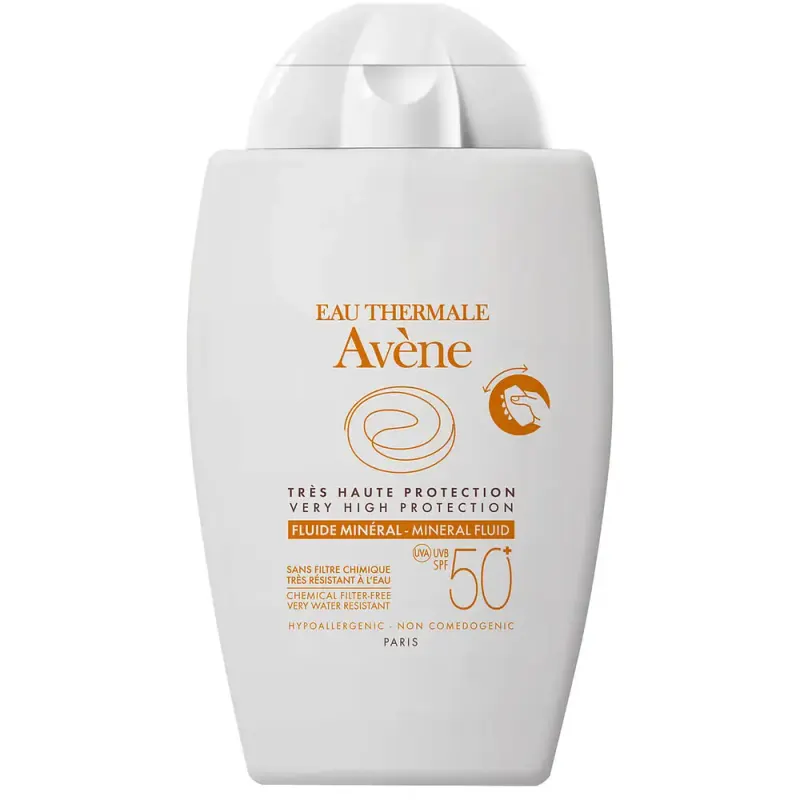
Avène Mineral Fluid SPF 50+
Sunscreens
Safety score
Pregnancy-focused assessment
No Known Risks99/100
Higher concernLower concern
No higher-risk ingredients were identified in MamaSkin's current assessment. Check the latest package before deciding.
Formula and assessment check
Ingredient safety review updated 23 November 2025. Product formulas can change, so compare the ingredients shown here with the packaging you have.
Report a formula mismatchMamaSkin assessment · 23 November 2025
Is Avène Mineral Fluid SPF 50+ suitable during pregnancy?
MamaSkin currently classifies Avène Mineral Fluid SPF 50+ as No known risks, with a stored score of 99/100. This is MamaSkin’s screening classification for the recorded formula, not a guarantee that the finished product is safe for every pregnancy.
What does the ingredient evidence show?
No higher-risk ingredient flags are shown in this recorded breakdown. An ingredient without a matched assessment can still display the default No known risks label; that default is not evidence of a completed safety review.
28 of 33 ingredient entries on this page have a recorded score, evidence summary and source text. 5 entries do not have all of those fields. Unmatched entries retain the default No known risks label but are not independently assessed here; missing evidence does not establish safety.
Ingredient breakdown
See how the listed formula falls across MamaSkin's pregnancy-focused risk bands.
33
No known risks
0
Low risk
0
Medium risk
0
High risk
Ingredients
Ingredients with a higher risk flag appear first, followed by the rest of the formula.
Zinc Oxide 14.6%
No Known RisksWater
No Known RisksWater (aqua) is the purified solvent used as the base of many cosmetics. MamaSkin classifies plain water as No known risks for normal topical use. Cosmetic water quality must be controlled to prevent contamination; this entry does not cover botanical waters or establish the safety of the finished formula.
Sources: Personal Care Products Council, CosmeticsInfo: Water https://www.cosmeticsinfo.org/ingredient/water/; FDA: Cosmetic Ingredient Names (Water/Aqua identity) https://www.fda.gov/cosmetics/cosmetics-labeling/cosmetic-ingredient-names
Show all (33)
Coco-Caprylate/Caprate
No Known RisksCoconut-derived emollient ester used as a lightweight skin-conditioning ingredient. Reviewed cosmetic ingredient references do not identify a pregnancy- or breastfeeding-specific concern for normal topical use.
Sources: CIR cosmetic ingredient safety references for alkyl esters/emollient esters; EU CosIng / cosmetics regulatory inventory
Isocetyl Stearoyl Stearate
No Known Risksisocetyl stearoyl stearate is a cosmetic emollient, ester or lipid-derived formulation aid. Relevant family evidence supports normal cosmetic use with irritation, sensitisation and purity qualifications retained where applicable. No pregnancy-specific concern was identified for ordinary topical exposure.
Sources: CIR assessments of cosmetic esters, fatty acids and fatty acid salts https://www.cir-safety.org/supplementaldoc/safety-assessment-fatty-acids-fatty-acid-salts-used-cosmetics; European Commission CosIng
Isopropyl Palmitate
No Known RisksThis emollient ester improves slip and skin feel. Cosmetic Ingredient Review assessments support use in current cosmetic concentrations when formulated to be non-irritating; topical use is not identified as a pregnancy- or breastfeeding-specific concern. Some alkyl esters can increase penetration of other formula ingredients.
Sources: CIR: Safety Assessment of Alkyl Esters as Used in Cosmetics https://cir-safety.org/supplementaldoc/safety-assessment-alkyl-esters-used-cosmetics
Isodecyl Neopentanoate
No Known RisksA fatty-acid ester used mainly for emollience, slip and formula texture. Cosmetic safety reviewers concluded that the assessed alkyl esters are safe in current practices when formulated to be non-irritating. No pregnancy-specific concern was identified for normal topical cosmetic exposure.
Sources: CIR: Safety Assessment of Alkyl Esters as Used in Cosmetics https://cir-reports.cir-safety.org/view-attachment/?id=b34bc38f-8e74-ec11-8943-0022482f06a6
Isododecane
No Known RisksVolatile emollient/solvent used for slip, quick-dry texture and makeup wear. Reviewed cosmetic ingredient references support normal topical use, with no pregnancy- or breastfeeding-specific topical concern identified.
Sources: CIR: Safety Assessment of Isoparaffins as Used in Cosmetics; EU CosIng / cosmetics regulatory inventory
Isohexadecane
No Known RisksLow-viscosity isoparaffin emollient used for slip and lightweight texture. Reviewed cosmetic safety sources support normal topical use, with no pregnancy- or breastfeeding-specific topical signal identified in the material reviewed.
Sources: CIR: Safety Assessment of Isoparaffins as Used in Cosmetics / CIR Quick Reference Table (Isohexadecane); EU CosIng / cosmetics regulatory inventory
Ptfe
No Known RisksTriethylhexanoin
No Known RisksLight emollient triglyceride used to improve spreadability and reduce drag. Reviewed cosmetic safety sources support normal topical use, with no pregnancy- or breastfeeding-specific topical signal identified in the material reviewed.
Sources: CIR: Amended Safety Assessment of Triglycerides as Used in Cosmetics; EU CosIng / cosmetics regulatory inventory
Dicaprylyl Ether
No Known RisksA lightweight fatty ether used as an emollient and spreading agent. Cosmetic safety reviewers concluded that dicaprylyl ether is safe in current cosmetic use; reviewed developmental testing did not identify maternal or fetal toxicity and skin absorption was low. Safety for airbrush delivery was not established.
Sources: CIR: Safety Assessment of Fatty Ethers https://www.cir-safety.org/sites/default/files/FR_FattyEthers_122022.pdf
PEG-30 Dipolyhydroxystearate
No Known RisksA high-molecular-weight PEG-modified fatty ester used as an emulsifier and pigment dispersant. Absorption of the intact material is expected to be low. No pregnancy-specific hazard signal was identified for normal topical cosmetic use; cosmetic-grade manufacture should control ethylene oxide and 1,4-dioxane residues associated with ethoxylated ingredients.
Sources: European Commission CosIng ingredient inventory; CIR assessments of PEG fatty-acid esters and hydroxystearate-derived emulsifiers; FDA guidance and cosmetic manufacturing controls for ethoxylation impurities.
Alumina
No Known RisksAn insoluble aluminum oxide mineral used as an absorbent, abrasive, bulking agent and surface treatment. The Cosmetic Ingredient Review concluded that alumina is safe in current cosmetic use. Normal topical exposure does not identify a pregnancy-specific concern; avoid deliberately inhaling loose powders or airbrush products.
Sources: CIR: Safety Assessment of Alumina and Aluminum Hydroxide https://www.cir-safety.org/panelbook/safety-assessment-alumina-and-aluminum-hydroxide-used-cosmetics
Stearic Acid
No Known RisksStearic acid is a fatty acid used to stabilise emulsions and improve texture; it is considered low concern in topical cosmetics with no known pregnancy or breastfeeding risks at typical concentrations.
Sources: CIR; EU/UK Cosmetics Regulation
Caprylyl Glycol
No Known RisksHumectant and preservative booster used to support product stability. Low systemic exposure expected from topical cosmetic use.
Sources: Scientific Committee on Consumer Safety (EU); Cosmetic Ingredient Review (US)
PEG-45/Dodecyl Glycol Copolymer
No Known RisksSilica
No Known RisksMineral absorbent and texture aid used to mattify and improve slip. Reviewed cosmetic safety sources support normal topical cosmetic use; this assessment does not cover deliberate inhalation of loose powder.
Sources: CIR: Safety Assessment of Silica and Silicates as Used in Cosmetics; EU CosIng / cosmetics regulatory inventory
Benzoic Acid
No Known RisksPreservative acid used to help control microbial growth and support formula stability. Reviewed cosmetic safety sources support current cosmetic use, with no pregnancy- or breastfeeding-specific topical concern identified in the material reviewed; some users may still notice local irritation or stinging, especially on compromised skin.
Sources: CIR: Safety Assessment of Benzoic Acid and Sodium Benzoate as Used in Cosmetics; EU CosIng / cosmetics regulatory inventory
Caprylic/Capric Triglyceride
No Known RisksCommon emollient derived from fatty acids and glycerin. Used to soften skin and improve texture without pregnancy-specific concerns.
Sources: Cosmetic Ingredient Review (US); Scientific Committee on Consumer Safety (EU)
Disodium EDTA
No Known RisksDisodium EDTA is a chelating agent used to improve formula stability and performance; it is considered low concern in topical cosmetic use, with no known pregnancy or breastfeeding risks at typical concentrations.
Sources: CIR; EU/UK Cosmetics Regulation
Disteardimonium Hectorite
No Known RisksMineral-derived organoclay thickener and suspension agent used in creams, makeup and sunscreens. It is expected to have low systemic exposure from topical use, with no pregnancy- or breastfeeding-specific concern identified in reviewed cosmetic references.
Sources: CIR cosmetic ingredient safety references for hectorite/quaternium hectorite ingredients; EU CosIng / cosmetics regulatory inventory
Hectorite
No Known RisksA naturally sourced clay used as an absorbent, bulking agent or texture aid. CIR concluded that Hectorite, Illite and Montmorillonite are safe in current cosmetic practices, except that available data are insufficient for products that may be incidentally inhaled. No pregnancy-specific systemic concern was identified for topical use; cosmetic-grade sourcing should control crystalline silica, heavy metals and microbial contamination.
Sources: CIR: Amended Safety Assessment of Naturally-Sourced Clays https://cir-reports.cir-safety.org/view-attachment/?id=d5fd5bfa-685d-6aab-94d5-67acbc8713fb; CIR Final Amended Report https://cir-safety.org/sites/default/files/FAR_Clays_032023.pdf.
Glyceryl Behenate
No Known RisksA glycerin fatty-acid ester used as an emollient, emulsifier or preservative-support ingredient. Cosmetic safety reviewers concluded that the assessed glyceryl esters are safe in current cosmetic practices.
Sources: CIR: Glyceryl ester conclusions; December 2025 Quick Reference Table https://cir-safety.org/sites/default/files/QRT-Update-Dec2025.pdf
Glyceryl Dibehenate
No Known Risksglyceryl dibehenate is a cosmetic emollient, ester or lipid-derived formulation aid. Related safety assessments support normal cosmetic use, with irritation and penetration-enhancement qualifications retained where relevant. No pregnancy-specific concern was identified for ordinary topical exposure.
Sources: CIR safety assessments of fatty alcohols, glyceryl triesters and related cosmetic lipids https://www.cir-safety.org/sites/default/files/triglycerides_0.pdf; European Commission CosIng
Helianthus Annuus Seed Oil
No Known RisksHelianthus annuus (sunflower) seed oil is a common emollient rich in fatty acids and is generally well tolerated, with no known pregnancy or breastfeeding concerns in topical cosmetic use.
Sources: CIR; EU/UK Cosmetics Regulation
Pentaerythrityl Tetra-Di-T-Butyl Hydroxyhydrocinnamate
No Known RisksAntioxidant and stabilizer used to protect cosmetic formulas from oxidation. Reviewed cosmetic ingredient references do not identify a pregnancy- or breastfeeding-specific concern for normal topical cosmetic use.
Sources: CIR cosmetic ingredient safety references for hindered phenolic antioxidants; EU CosIng / cosmetics regulatory inventory
Polyamide-3
No Known RisksSodium Chloride
No Known RisksSodium chloride is used to adjust viscosity and texture in formulations; topical cosmetic use is considered low concern with no known pregnancy or breastfeeding risks.
Sources: CIR; EU/UK Cosmetics Regulation
Tocopheryl Acetate
No Known RisksTocopheryl acetate (vitamin E derivative) is used as an antioxidant and skin-conditioning ingredient; it is considered low concern in topical use with no known pregnancy or breastfeeding risks at cosmetic concentrations.
Sources: CIR; EU/UK Cosmetics Regulation
Tocopheryl Glucoside
No Known Riskstocopheryl glucoside is a vitamin, vitamin derivative or endogenous cofactor used as a cosmetic conditioning or antioxidant ingredient. No pregnancy-specific concern was identified for normal topical cosmetic exposure. This classification does not extend to medicinal vitamin analogues, high-dose treatment or oral supplementation.
Sources: European Commission CosIng ingredient inventory; NIH Office of Dietary Supplements Vitamin D Fact Sheet https://ods.od.nih.gov/factsheets/VitaminD-HealthProfessional/; CIR vitamin and antioxidant ingredient assessments
Tribehenin
No Known RisksA triglyceride of behenic acid used as an emollient and structuring ingredient. Cosmetic safety reviewers assessed glyceryl triesters including tribehenin as safe in current cosmetic use, with no pregnancy- or breastfeeding-specific concern identified for normal topical exposure.
Sources: CIR: Final Report on Glyceryl Triesters https://cir-reports.cir-safety.org/view-attachment?id=315e3329-8e74-ec11-8943-0022482f06a6; CIR ingredient record: Tribehenin https://cir-safety.org/ingredient/tribehenin
Triethoxycaprylylsilane
No Known RisksSilane coating and dispersion aid used on pigments and mineral particles. Reviewed cosmetic safety sources support normal topical use, with no pregnancy- or breastfeeding-specific topical signal identified in the material reviewed.
Sources: CIR: Safety Assessment of Alkoxyl Alkyl Silanes as Used in Cosmetics; EU CosIng / cosmetics regulatory inventory
Formulations can change without notice. For the most accurate result, compare this list with your packaging and scan the exact ingredient label in MamaSkin when you repurchase.
Questions about this assessment
Has every ingredient in Avène Mineral Fluid SPF 50+ been assessed?
28 of 33 ingredient entries on this page have a recorded score, evidence summary and source text. 5 entries do not have all of those fields. Unmatched entries retain the default No known risks label but are not independently assessed here; missing evidence does not establish safety.
Does this assessment apply to the Avène Mineral Fluid SPF 50+ I have?
Only if the ingredient list on your packaging matches the recorded formula shown here. Formulas can differ by market and change over time. Compare the full list, not just the product name; report a mismatch if it differs.
Does this pregnancy assessment also establish breastfeeding suitability?
No. This page presents a pregnancy-focused product assessment. Do not infer a breastfeeding conclusion from its score or label; breastfeeding requires a separate assessment of the formula and how it is used.
How to use this assessment
The risk band is the primary conclusion. The score adds detail within that band and should not be used to compare products as if a one-point difference were clinically meaningful.
MamaSkin provides pregnancy-focused information, not medical advice. Your midwife, GP, pharmacist or dermatologist should take priority when your circumstances differ from typical cosmetic use.