Beauty of Joseon
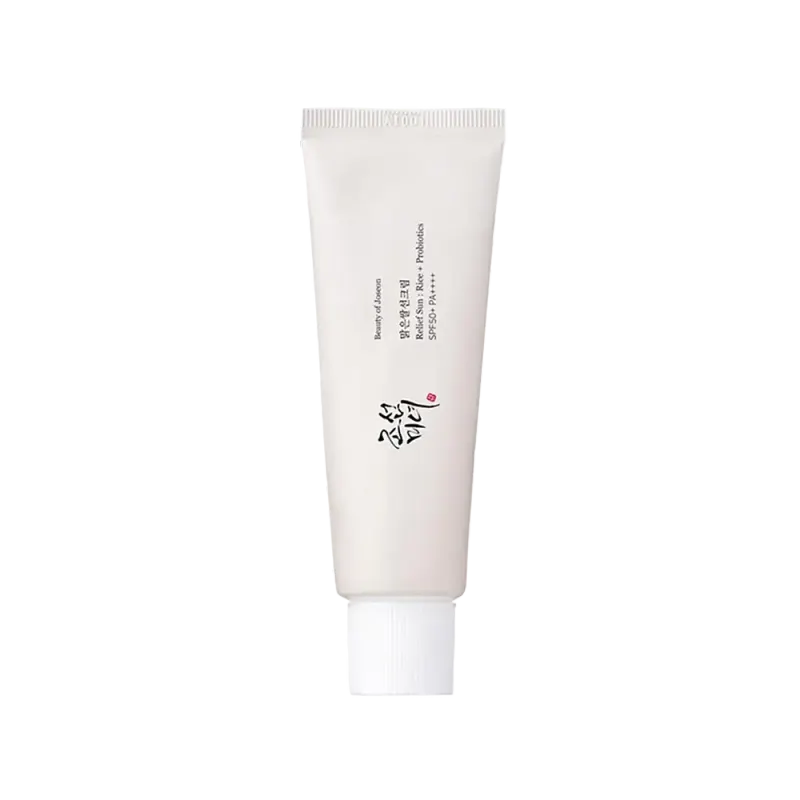
Beauty of Joseon Relief Sun : Rice + Probiotics SPF 50+ PA++++
No known risks99/100

Some ingredients carry a low-risk flag. Read the formulation context before deciding.
21 of 21 ingredients rated
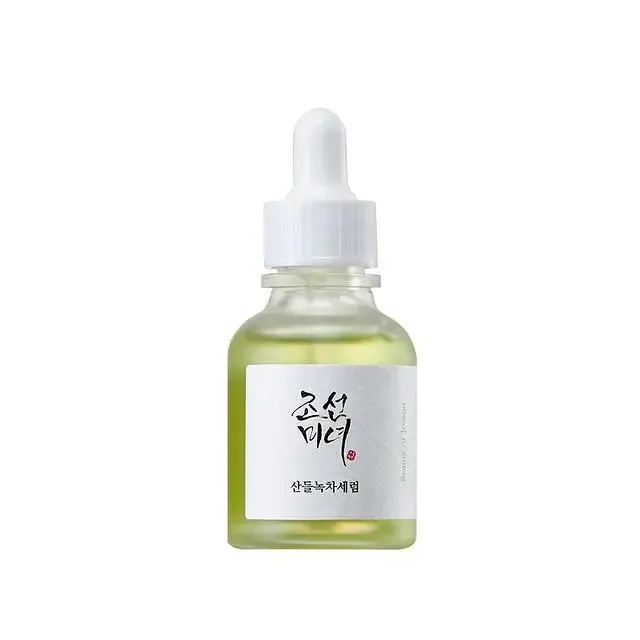
MamaSkin rates the recorded formula for Beauty of Joseon Calming Serum: Green Tea + Panthenol as Low risk (79/100). Review the ingredient context and any manual-review explanation before deciding.
Manual review 2026-07-13: The recorded formula was manually reviewed. This formula contains Dipotassium Glycyrrhizate, classified as low risk under MamaSkin's pregnancy-screening policy. This is a cautious classification, not a known pregnancy contraindication; see the highlighted ingredient entry for its rationale and sources.
21 of 21 ingredient entries on this page have a recorded score, evidence summary and source text. That describes documentation coverage, not proof that the finished formula has been clinically tested during pregnancy.
How we assess productsThe recorded formula, with evidence behind each rating. Unmatched ingredients are marked Not assessed in grey.
A purified glycyrrhizic-acid salt used as a soothing and skin-conditioning ingredient. Cosmetic safety reviewers concluded that dipotassium glycyrrhizate is safe in current cosmetic use and noted poor dermal absorption. MamaSkin nevertheless applies a cautious low-risk classification for consistency with the existing licorice family because high oral glycyrrhizin exposure has pregnancy-related concerns; this is not a topical contraindication.
Sources: CIR: Safety Assessment of Glycyrrhizic Acid and Derivatives https://cir-reports.cir-safety.org/view-attachment/?id=49a63435-8e74-ec11-8943-0022482f06a6
Coptis japonica root contains isoquinoline alkaloids including berberine. Oral berberine has limited pregnancy data and precautionary concerns involving uterine activity and bilirubin displacement, while breastfeeding exposure is also discouraged. A cosmetic extract is used topically at much lower exposure and may vary in composition, so MamaSkin applies a precautionary Low Risk classification rather than an oral-supplement-level warning.
Sources: PubMed: Coptis japonica root-derived alkaloids including berberine, palmatine and coptisine https://pubmed.ncbi.nlm.nih.gov/10552394/; MotherToBaby: Berberine https://www.ncbi.nlm.nih.gov/books/NBK600384/; European Commission CosIng ingredient inventory.
A water derived from green tea leaves and used for skin conditioning. Cosmetic safety reviewers concluded that Camellia sinensis leaf water is safe in current practices when formulated to be non-sensitising.
Sources: CIR: Camellia Sinensis Leaf Water conclusion, IJT 38(Suppl. 3), 2019; December 2025 Quick Reference Table https://cir-safety.org/sites/default/files/QRT-Update-Dec2025.pdf
Water (Aqua) is the standard purified water used as a cosmetic solvent. It has no pregnancy-specific risk in normal topical use.
Sources: https://pubchem.ncbi.nlm.nih.gov/compound/Water, https://single-market-economy.ec.europa.eu/sectors/cosmetics/cosmetic-ingredient-database/cosing-glossary-ingredients_en
Panthenol (pro-vitamin B5) is used for soothing and barrier support and is generally well tolerated, with no known pregnancy or breastfeeding concerns in topical cosmetic use.
Sources: CIR; EU/UK Cosmetics Regulation
Glycerin is a widely used humectant that supports hydration and the skin barrier, with a long safety record and no known pregnancy or breastfeeding concerns in topical cosmetic use.
Sources: CIR; EU/UK Cosmetics Regulation
Solvent and humectant commonly used in leave-on products. Not associated with pregnancy-specific concerns at cosmetic exposure levels.
Sources: Cosmetic Ingredient Review (US); Scientific Committee on Consumer Safety (EU)
1,2-Hexanediol is commonly used as a solvent and preservative booster; topical exposure is low and it has no known pregnancy or breastfeeding concerns at cosmetic concentrations, though very sensitive skin may occasionally react.
Sources: CIR; EU/UK Cosmetics Regulation
Solvent and humectant used to improve texture and ingredient delivery in topical cosmetic formulas. Reviewed cosmetic ingredient references do not identify a pregnancy- or breastfeeding-specific concern for normal topical use.
Sources: CIR cosmetic ingredient safety references for alkane diols; EU CosIng / cosmetics regulatory inventory
Polymer thickener and stabiliser used in creams and sunscreens. Low systemic exposure expected.
Sources: Cosmetic Ingredient Review (US); Scientific Committee on Consumer Safety (EU)
pH adjuster and buffer used to stabilise formulations. Reviewed cosmetic safety sources support normal topical use, with no pregnancy- or breastfeeding-specific topical signal identified in the material reviewed.
Sources: CIR: Safety Assessment of Tromethamine as Used in Cosmetics; EU CosIng / cosmetics regulatory inventory
Betaine is a humectant/osmolyte used to support hydration and reduce irritation potential in formulas; it is considered low concern with no known pregnancy or breastfeeding risks in topical cosmetic use.
Sources: CIR; EU/UK Cosmetics Regulation
Preservative booster and skin-conditioning agent. Considered safe for cosmetic use with low systemic exposure when used as intended.
Sources: Scientific Committee on Consumer Safety (EU); Cosmetic Ingredient Review (US)
Allantoin is a soothing skin protectant commonly used to help reduce irritation and support comfort, with no known pregnancy or breastfeeding concerns in topical cosmetic use.
Sources: CIR; EU/UK Cosmetics Regulation
A botanical extract or plant water used for conditioning, soothing or antioxidant support. Direct pregnancy studies of this exact cosmetic material were not identified, but no reproductive or developmental hazard was identified for normal topical exposure. Oral herbal or medicinal use is outside this classification.
Sources: European Commission CosIng; CIR botanical safety framework and relevant plant-family assessments; no ingredient-specific human pregnancy study of normal topical cosmetic use was identified.
A high-molecular-weight polymer used to hold water and stabilise texture. Cosmetic safety reviewers concluded that glyceryl acrylate/acrylic acid copolymer is safe in current cosmetic practices. Dermal absorption of the finished polymer is expected to be limited; residual monomers should be controlled by cosmetic manufacturing standards.
Sources: CIR: Safety Assessment of Glyceryl Acrylate/Acrylic Acid Copolymer and Glyceryl Polyacrylate https://cir-reports.cir-safety.org/view-attachment/?id=c79ac89b-d78d-055f-ba88-45f4f5a039b3
Neem leaf extract is used topically for skin conditioning and antimicrobial support. Reproductive concerns reported for concentrated neem seed preparations, intrauterine exposure, or high oral doses do not establish a hazard from normal topical cosmetic exposure to a leaf extract.
Sources: PubMed: oral purified neem seed extracts in primates https://pubmed.ncbi.nlm.nih.gov/8773426/; PubMed: intrauterine neem oil in primates https://pubmed.ncbi.nlm.nih.gov/8143455/; European Commission CosIng ingredient inventory. No human pregnancy study of normal topical cosmetic leaf-extract use was identified.
A large phosphorylcholine-containing conditioning polymer. Cosmetic safety reviewers concluded that acryloyloxyethyl phosphorylcholine polymers, including polyquaternium-51, are safe in current practices. Available testing did not indicate sensitisation, and dermal absorption of the finished polymer is expected to be limited.
Sources: CIR: Safety Assessment of Acryloyloxyethyl Phosphorylcholine Polymers as Used in Cosmetics https://www.cir-safety.org/sites/default/files/FR_AcryloyloxyethylPhosphorylcholinePolymers_062022.pdf
A cosmetic extract from an edible fruit, seed, grain, root or mushroom used for conditioning or antioxidant support. Normal topical cosmetic exposure is much lower than ordinary dietary exposure to the source material, and no pregnancy-specific hazard signal was identified. Exact extract composition varies, so source quality and individual food or plant allergy remain relevant.
Sources: European Commission CosIng ingredient inventory; CIR botanical safety framework and relevant plant-derived ingredient assessments; FDA food ingredient and GRAS inventories where applicable.
Neem flower extract is used as a botanical skin-conditioning ingredient. A high-dose oral rat study altered the oestrous cycle and ovulation but did not show anti-implantation, abortifacient, or teratogenic effects. That oral dose does not establish a hazard from normal topical cosmetic exposure.
Sources: PubMed: high-dose oral neem flower extract reproductive study in rats https://pubmed.ncbi.nlm.nih.gov/19357745/; European Commission CosIng ingredient inventory. No human pregnancy study of normal topical cosmetic use was identified.
Sodium hyaluronate (hyaluronic acid salt) is used for hydration and cushioning, with very low systemic absorption from topical use and no known pregnancy or breastfeeding concerns at cosmetic concentrations.
Sources: CIR; EU/UK Cosmetics Regulation
Camellia Sinensis Leaf Water, Water, Panthenol, Glycerin, Butylene Glycol, 1,2-Hexanediol, Methylpropanediol, Acrylates/C10-30 Alkyl Acrylate Crosspolymer, Tromethamine, Betaine, Ethylhexylglycerin, Allantoin, Dipotassium Glycyrrhizate, Artemisia Capillaris Extract, Glyceryl Acrylate/Acrylic Acid Copolymer, Melia Azadirachta Leaf Extract, Polyquaternium-51, Malt Extract, Melia Azadirachta Flower Extract, Coptis Japonica Root Extract, Sodium Hyaluronate
Ingredient ratings refreshed 1 October 2026. Formulas vary by market and can change. Always compare with your packaging.
Manual review 2026-07-13: The recorded formula was manually reviewed. This formula contains Dipotassium Glycyrrhizate, classified as low risk under MamaSkin's pregnancy-screening policy. This is a cautious classification, not a known pregnancy contraindication; see the highlighted ingredient entry for its rationale and sources. The product score is a stored assessment, not a clinical safety guarantee.
No. The recorded formula lists a licorice-derived cosmetic ingredient, not an oral licorice product. Different ingredients and routes of exposure should not be treated as interchangeable. Use the exact ingredient's rating and evidence below, together with any manual-review note; this score does not assess teas, supplements or other licorice formulas.
21 of 21 ingredient entries on this page have a recorded score, evidence summary and source text. That describes documentation coverage, not proof that the finished formula has been clinically tested during pregnancy.
Only if the ingredient list on your packaging matches the recorded formula shown here. Formulas can differ by market and change over time. Compare the full list, not just the product name; report a mismatch if it differs.
No. This page presents a pregnancy-focused product assessment. Do not infer a breastfeeding conclusion from its score or label; breastfeeding requires a separate assessment of the formula and how it is used.