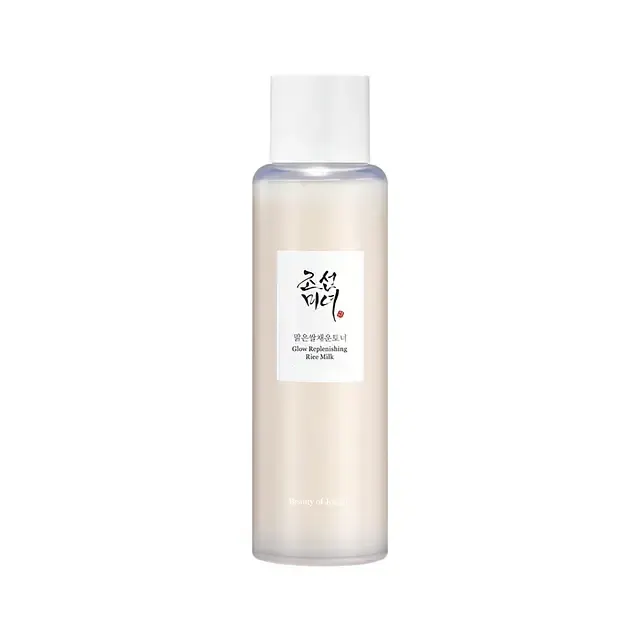
Beauty of Joseon Glow Replenishing Rice Milk by Beauty of Joseon
Beauty of Joseon

Beauty of Joseon Glow Replenishing Rice Milk

Toners

Safety score

Pregnancy-focused assessment

Low Risk79/100
Higher concernLower concern

One or more ingredients have a low-risk flag in MamaSkin's current assessment. Review the notes and your own circumstances.

Formula and assessment check

Ingredient safety review updated 13 July 2026. Product formulas can change, so compare the ingredients shown here with the packaging you have.

Report a formula mismatch

Ingredient breakdown

See how the listed formula falls across MamaSkin's pregnancy-focused risk bands.

28

No known risks

2

Low risk

0

Medium risk

0

High risk

Ingredients

Ingredients with a higher risk flag appear first, followed by the rest of the formula.

Coptis Japonica Root Extract

Low Risk

Coptis japonica root contains isoquinoline alkaloids including berberine. Oral berberine has limited pregnancy data and precautionary concerns involving uterine activity and bilirubin displacement, while breastfeeding exposure is also discouraged. A cosmetic extract is used topically at much lower exposure and may vary in composition, so MamaSkin applies a precautionary Low Risk classification rather than an oral-supplement-level warning.

Sources: PubMed: Coptis japonica root-derived alkaloids including berberine, palmatine and coptisine https://pubmed.ncbi.nlm.nih.gov/10552394/; MotherToBaby: Berberine https://www.ncbi.nlm.nih.gov/books/NBK600384/; European Commission CosIng ingredient inventory.
Dipotassium Glycyrrhizate

Low Risk

A purified glycyrrhizic-acid salt used as a soothing and skin-conditioning ingredient. Cosmetic safety reviewers concluded that dipotassium glycyrrhizate is safe in current cosmetic use and noted poor dermal absorption. MamaSkin nevertheless applies a cautious low-risk classification for consistency with the existing licorice family because high oral glycyrrhizin exposure has pregnancy-related concerns; this is not a topical contraindication.

Sources: CIR: Safety Assessment of Glycyrrhizic Acid and Derivatives https://cir-reports.cir-safety.org/view-attachment/?id=49a63435-8e74-ec11-8943-0022482f06a6

Water

No Known Risks
Show all (30)

Methylpropanediol

No Known Risks

Solvent and humectant used to improve texture and ingredient delivery in topical cosmetic formulas. Reviewed cosmetic ingredient references do not identify a pregnancy- or breastfeeding-specific concern for normal topical use.

Sources: CIR cosmetic ingredient safety references for alkane diols; EU CosIng / cosmetics regulatory inventory

Propanediol

No Known Risks

Solvent and humectant used to improve texture and ingredient solubility. Low systemic exposure expected from topical cosmetic use.

Sources: Cosmetic Ingredient Review (US); Scientific Committee on Consumer Safety (EU)

1,2-Hexanediol

No Known Risks

1,2-Hexanediol is commonly used as a solvent and preservative booster; topical exposure is low and it has no known pregnancy or breastfeeding concerns at cosmetic concentrations, though very sensitive skin may occasionally react.

Sources: CIR; EU/UK Cosmetics Regulation

Glycerin

No Known Risks

Glycerin is a widely used humectant that supports hydration and the skin barrier, with a long safety record and no known pregnancy or breastfeeding concerns in topical cosmetic use.

Sources: CIR; EU/UK Cosmetics Regulation

Glycereth-26

No Known Risks

An ethoxylated glycerin humectant used to retain moisture and improve product texture. The Cosmetic Ingredient Review assessed glycerin ethoxylates including Glycereth-26 for current cosmetic use; available evidence does not identify a pregnancy- or breastfeeding-specific concern from normal topical exposure.

Sources: CIR: Safety Assessment of Glycerin Ethoxylates https://cir-safety.org/supplementaldoc/safety-assessment-glycerin-ethoxylates-used-cosmetics

Polymethyl Methacrylate

No Known Risks

A large, pre-formed acrylic polymer used for texture, film formation and oil absorption. Cosmetic safety reviewers concluded that cosmetic-grade polymethyl methacrylate is safe in current cosmetic use, drawing on extensive safety information for comparable medical materials. Good manufacturing practice should minimize residual monomer.

Sources: CIR: Safety Assessment of Polymethyl Methacrylate and Related Polymers https://www.cir-safety.org/sites/default/files/115_final_pmma.pdf

Oryza Sativa Extract

No Known Risks

A rice-derived extract or wax used for skin conditioning, absorbency or texture. Cosmetic safety reviewers concluded that the assessed Oryza sativa-derived ingredients are safe in current cosmetic practices. Rice allergy remains possible in a susceptible person.

Sources: CIR: Rice-derived ingredients conclusions, IJT 25(Suppl. 2), 2006; December 2025 Quick Reference Table https://cir-safety.org/sites/default/files/QRT-Update-Dec2025.pdf

Ulmus Davidiana Root Extract

No Known Risks

A Japanese elm root extract used as a skin-conditioning botanical. No pregnancy- or breastfeeding-specific hazard was identified for normal topical cosmetic exposure. Direct ingredient-specific pregnancy studies were not identified, so this assessment does not extend to oral supplements or medicinal use.

Sources: European Commission CosIng ingredient inventory; Cosmetic Ingredient Review botanical safety-assessment framework and relevant ingredient-family assessments. No ingredient-specific human pregnancy study of normal topical cosmetic use was identified.

Amaranthus Caudatus Seed Extract

No Known Risks

A cosmetic extract from an edible fruit, seed, grain, root or mushroom used for conditioning or antioxidant support. Normal topical cosmetic exposure is much lower than ordinary dietary exposure to the source material, and no pregnancy-specific hazard signal was identified. Exact extract composition varies, so source quality and individual food or plant allergy remain relevant.

Sources: European Commission CosIng ingredient inventory; CIR botanical safety framework and relevant plant-derived ingredient assessments; FDA food ingredient and GRAS inventories where applicable.

Ficus Carica Fruit Extract

No Known Risks

A fruit, seed or food-plant extract used for skin conditioning and antioxidant support. No pregnancy-specific signal was identified for the low topical exposure expected from a finished cosmetic. Direct pregnancy studies are generally unavailable, and botanical allergy remains possible.

Sources: European Commission CosIng ingredient inventory; CIR botanical safety framework and relevant fruit-derived ingredient assessments; peer-reviewed cosmetic and phytochemical literature for the named plants.

Centella Asiatica Extract

No Known Risks

Botanical skin-conditioning ingredient used in soothing and barrier-support formulas. Reviewed cosmetic safety sources support current cosmetic use when formulated to be non-sensitising, with no pregnancy- or breastfeeding-specific topical concern identified in the material reviewed.

Sources: CIR: Safety Assessment of Centella asiatica-derived Ingredients as Used in Cosmetics; EU CosIng / cosmetics regulatory inventory

Theobroma Cacao Seed Extract

No Known Risks

A cosmetic extract from an edible fruit, seed, grain, root or mushroom used for conditioning or antioxidant support. Normal topical cosmetic exposure is much lower than ordinary dietary exposure to the source material, and no pregnancy-specific hazard signal was identified. Exact extract composition varies, so source quality and individual food or plant allergy remain relevant.

Sources: European Commission CosIng ingredient inventory; CIR botanical safety framework and relevant plant-derived ingredient assessments; FDA food ingredient and GRAS inventories where applicable.

Hydrogenated Lecithin

No Known Risks

Hydrogenated emulsifier used to support skin barrier feel. Not associated with pregnancy-specific concerns.

Sources: Cosmetic Ingredient Review (US)

Sodium Hyaluronate

No Known Risks

Sodium hyaluronate (hyaluronic acid salt) is used for hydration and cushioning, with very low systemic absorption from topical use and no known pregnancy or breastfeeding concerns at cosmetic concentrations.

Sources: CIR; EU/UK Cosmetics Regulation

Panthenol

No Known Risks

Panthenol (pro-vitamin B5) is used for soothing and barrier support and is generally well tolerated, with no known pregnancy or breastfeeding concerns in topical cosmetic use.

Sources: CIR; EU/UK Cosmetics Regulation

Hydroxyethyl Urea

No Known Risks

A humectant that helps skin and hair retain water. Cosmetic safety reviewers concluded that hydroxyethyl urea is safe in current cosmetic use when formulated to be non-irritating; reproductive and developmental data reviewed for the assessment did not identify a pregnancy-specific concern from normal topical exposure.

Sources: CIR: Safety Assessment of Hydroxyethyl Urea https://www.cir-safety.org/supplementaldoc/safety-assessment-hydroxyethyl-urea-used-cosmetics-0

Aluminum Chlorohydrate

No Known Risks

aluminum chlorohydrate is an aluminium antiperspirant ingredient. SCCS concluded that aluminium compounds are safe at the maximum cosmetic-use levels it assessed, with particle-size conditions for sprays. No pregnancy-specific concern was identified for compliant topical use. This classification does not cover nano forms; avoid inhaling airborne product.

Sources: SCCS Opinion on the Safety of Aluminium in Cosmetic Products - Submission IV SCCS/1662/23 https://health.ec.europa.eu/publications/safety-aluminium-cosmetic-products-submission-iv_en

Butylene Glycol

No Known Risks

Solvent and humectant commonly used in leave-on products. Not associated with pregnancy-specific concerns at cosmetic exposure levels.

Sources: Cosmetic Ingredient Review (US); Scientific Committee on Consumer Safety (EU)

Microcrystalline Cellulose

No Known Risks

This cellulose or modified-cellulose polymer is used as a thickener, film former or stabilizer. Cosmetic Ingredient Review data indicate that cellulose polymers do not appreciably penetrate skin and are safe in current cosmetic use, with at most minimal irritation reported.

Sources: CIR: Amended Safety Assessment of Cellulose and Related Polymers as Used in Cosmetics https://cir-reports.cir-safety.org/view-attachment/?id=2e65c18f-8c74-ec11-8943-0022482f06a6

Sodium Citrate

No Known Risks

Buffering and chelating ingredient used to control pH and formulation stability. Reviewed cosmetic safety sources support normal topical use, with no pregnancy- or breastfeeding-specific topical signal identified in the material reviewed.

Sources: CIR: Safety Assessment of Citric Acid, Inorganic Citrate Salts, and Alkyl Citrate Esters as Used in Cosmetics; EU CosIng / cosmetics regulatory inventory

Kaolin

No Known Risks

Naturally sourced clay used for absorbency and oil control. Reviewed cosmetic safety sources support normal topical cosmetic use; this assessment does not cover deliberate inhalation of loose powder.

Sources: CIR: Safety Assessment of Naturally-Sourced Clays as Used in Cosmetics; EU CosIng / cosmetics regulatory inventory

Ethylhexylglycerin

No Known Risks

Preservative booster and skin-conditioning agent. Considered safe for cosmetic use with low systemic exposure when used as intended.

Sources: Scientific Committee on Consumer Safety (EU); Cosmetic Ingredient Review (US)

Citric Acid

No Known Risks

pH adjuster used in small amounts to maintain product stability. Not associated with pregnancy-specific concerns.

Sources: Scientific Committee on Consumer Safety (EU); European cosmetics regulatory framework

Dextrin

No Known Risks

Starch-derived polysaccharide used as a binder, film former and texture support ingredient. Reviewed cosmetic ingredient references do not identify a pregnancy- or breastfeeding-specific concern for normal topical use.

Sources: CIR cosmetic ingredient safety references for polysaccharides/starch-derived ingredients; EU CosIng / cosmetics regulatory inventory

Ceramide NP

No Known Risks

Skin-identical barrier lipid used to support the stratum corneum and reduce dryness. Reviewed cosmetic safety sources support normal topical use, with no pregnancy- or breastfeeding-specific topical signal identified in the material reviewed.

Sources: CIR: Safety Assessment of Ceramides as Used in Cosmetics; EU CosIng / cosmetics regulatory inventory

Tocopherol

No Known Risks

Vitamin E antioxidant used to protect oils and support the skin barrier. Not associated with pregnancy-specific concerns at cosmetic exposure.

Sources: Cosmetic Ingredient Review (US); Scientific Committee on Consumer Safety (EU)

Rice Amino Acids

No Known Risks

rice amino acids is an amino acid, peptide, protein-related or glycosaminoglycan cosmetic conditioning ingredient. Expected systemic exposure from normal topical use is low, and relevant cosmetic-family assessments did not identify a pregnancy-specific concern. Manufacturing quality and residual allergenic proteins remain relevant where applicable.

Sources: CIR assessments of alpha-amino acids, plant-derived amino acids, proteins and peptides https://www.cir-safety.org/supplementaldoc/safety-assessment-%CE%B1-amino-acids-used-cosmetics; European Commission CosIng

Formulations can change without notice. For the most accurate result, compare this list with your packaging and scan the exact ingredient label in MamaSkin when you repurchase.

How to use this assessment

The risk band is the primary conclusion. The score adds detail within that band and should not be used to compare products as if a one-point difference were clinically meaningful.

MamaSkin provides pregnancy-focused information, not medical advice. Your midwife, GP, pharmacist or dermatologist should take priority when your circumstances differ from typical cosmetic use.

Read the full methodology