Beauty of Joseon
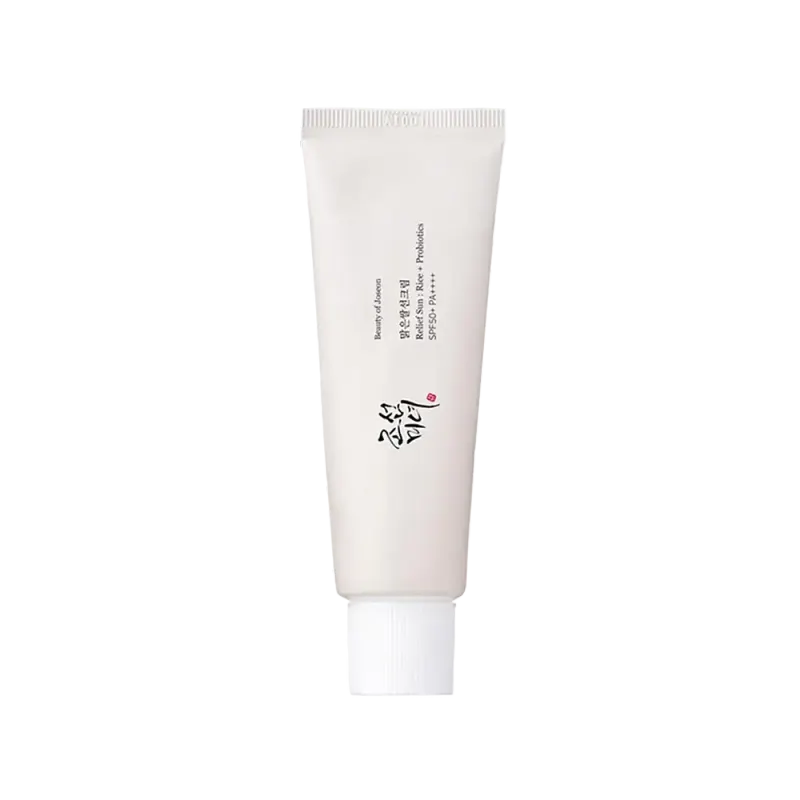
Beauty of Joseon Relief Sun : Rice + Probiotics SPF 50+ PA++++
No known risks99/100

No higher-risk flags in the assessed ingredients. This is a screening result, not a guarantee of pregnancy safety.
28 of 28 ingredients rated
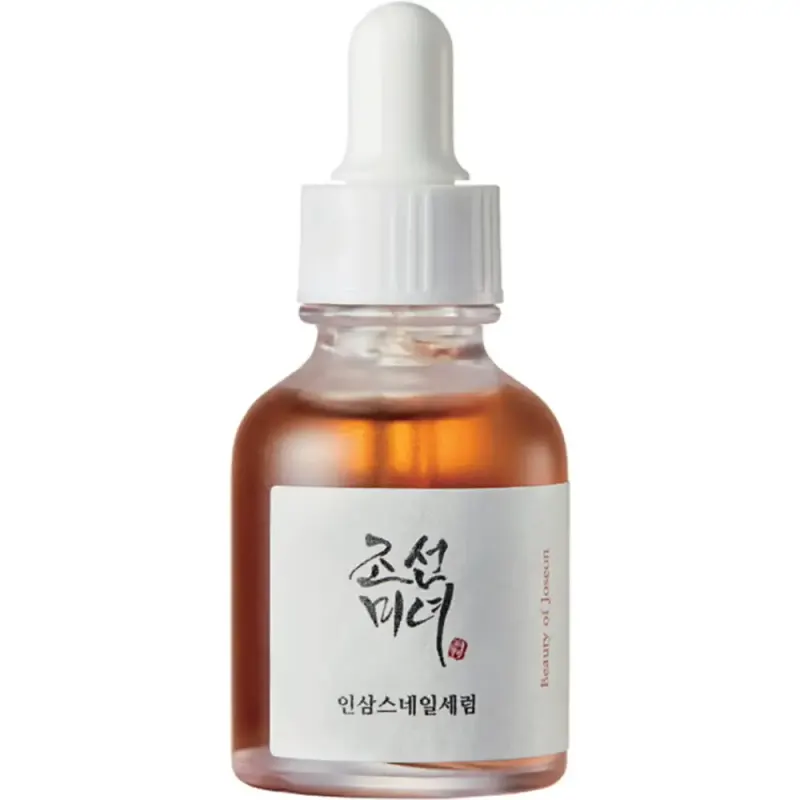
MamaSkin rates the recorded formula for Beauty of Joseon Revive Repair Serum: Ginseng + Snail Mucin as No known risks (99/100). This screening result is not a guarantee of safety for every pregnancy.
No higher-risk ingredient flags are shown in the assessed entries. Ingredients without a matched rating are marked Not assessed, not No known risks.
28 of 28 ingredient entries on this page have a recorded score, evidence summary and source text. That describes documentation coverage, not proof that the finished formula has been clinically tested during pregnancy.
How we assess productsThe recorded formula, with evidence behind each rating. Unmatched ingredients are marked Not assessed in grey.
panax ginseng root water is a water-derived Panax ginseng root cosmetic ingredient. CIR concluded that the assessed Panax root-derived ingredients are safe in current cosmetic practices of use. No pregnancy-specific concern was identified for normal topical exposure; this classification does not extend to oral ginseng products or supplements.
Sources: CIR Safety Assessment of Panax spp. Root-Derived Ingredients as Used in Cosmetics https://www.cir-safety.org/supplementaldoc/safety-assessment-panax-spp-root-derived-ingredients-used-cosmetics; European Commission CosIng ingredient inventory
Water (Aqua) is the standard purified water used as a cosmetic solvent. It has no pregnancy-specific risk in normal topical use.
Sources: https://pubchem.ncbi.nlm.nih.gov/compound/Water, https://single-market-economy.ec.europa.eu/sectors/cosmetics/cosmetic-ingredient-database/cosing-glossary-ingredients_en
Solvent and humectant commonly used in leave-on products. Not associated with pregnancy-specific concerns at cosmetic exposure levels.
Sources: Cosmetic Ingredient Review (US); Scientific Committee on Consumer Safety (EU)
An animal-derived protein, peptide or secretion filtrate used for hydration and skin conditioning. These large components are expected to have low systemic absorption through intact skin. No pregnancy-specific hazard signal was identified for normal topical cosmetic use. Cosmetic-grade materials should be processed to control microorganisms, infectious agents and source-derived impurities, and protein allergy remains possible.
Sources: CIR: Safety Assessment of Skin and Connective Tissue-Derived Proteins and Peptides https://www.cir-safety.org/sites/default/files/tsupep092017final.pdf; European Commission CosIng ingredient inventory; peer-reviewed cosmetic literature on snail secretion filtrate.
Dipropylene glycol is used as a solvent and carrier in cosmetics; topical exposure is low and it has no known pregnancy or breastfeeding concerns at cosmetic concentrations.
Sources: CIR; EU/UK Cosmetics Regulation
1,2-Hexanediol is commonly used as a solvent and preservative booster; topical exposure is low and it has no known pregnancy or breastfeeding concerns at cosmetic concentrations, though very sensitive skin may occasionally react.
Sources: CIR; EU/UK Cosmetics Regulation
Glycerin is a widely used humectant that supports hydration and the skin barrier, with a long safety record and no known pregnancy or breastfeeding concerns in topical cosmetic use.
Sources: CIR; EU/UK Cosmetics Regulation
Niacinamide (vitamin B3) is widely used for barrier support and tone/texture benefits, and is generally considered safe in pregnancy and breastfeeding when used topically at cosmetic concentrations.
Sources: CIR; EU/UK Cosmetics Regulation
Solvent and humectant used to improve texture and ingredient solubility. Low systemic exposure expected from topical cosmetic use.
Sources: Cosmetic Ingredient Review (US); Scientific Committee on Consumer Safety (EU)
Sugar-derived humectant used to help bind water and improve skin feel. Reviewed cosmetic ingredient references do not identify a pregnancy- or breastfeeding-specific concern for normal topical cosmetic use.
Sources: CIR: Safety Assessment of Monosaccharides, Disaccharides, and Related Ingredients as Used in Cosmetics; EU CosIng / cosmetics regulatory inventory
Polymer thickener used to create gel textures. Large-molecule ingredient with negligible systemic absorption.
Sources: Cosmetic Ingredient Review (US); Scientific Committee on Consumer Safety (EU)
pH adjuster and buffer used to stabilise formulations. Reviewed cosmetic safety sources support normal topical use, with no pregnancy- or breastfeeding-specific topical signal identified in the material reviewed.
Sources: CIR: Safety Assessment of Tromethamine as Used in Cosmetics; EU CosIng / cosmetics regulatory inventory
Natural polysaccharide thickener used for stability and texture. Not associated with pregnancy-specific concerns.
Sources: European cosmetics regulatory framework
Botanical skin-conditioning ingredient used in soothing and barrier-support formulas. Reviewed cosmetic safety sources support current cosmetic use when formulated to be non-sensitising, with no pregnancy- or breastfeeding-specific topical concern identified in the material reviewed.
Sources: CIR: Safety Assessment of Centella asiatica-derived Ingredients as Used in Cosmetics; EU CosIng / cosmetics regulatory inventory
A mushroom-derived extract used for skin conditioning and antioxidant support. Direct pregnancy studies were not identified. No pregnancy-specific hazard was identified for normal topical cosmetic exposure; source allergy remains possible.
Sources: European Commission CosIng ingredient inventory; CIR botanical and biological-source ingredient safety framework; peer-reviewed cosmetic literature for Ganoderma extracts.
A botanical root extract used as a skin-conditioning and antioxidant ingredient. Cosmetic safety reviewers concluded that Panax root-derived ingredients are safe in current practices of use and concentration. The assessment considered the biological activity of ginsenosides and available reproductive and developmental information; ordinary topical cosmetic exposure was not identified as a pregnancy-specific concern. Botanical irritation or allergy remains possible.
Sources: CIR: Safety Assessment of Panax spp. Root-Derived Ingredients as Used in Cosmetics https://cir-safety.org/supplementaldoc/safety-assessment-panax-spp-root-derived-ingredients-used-cosmetics
A cosmetic extract from an edible fruit, seed, grain, root or mushroom used for conditioning or antioxidant support. Normal topical cosmetic exposure is much lower than ordinary dietary exposure to the source material, and no pregnancy-specific hazard signal was identified. Exact extract composition varies, so source quality and individual food or plant allergy remain relevant.
Sources: European Commission CosIng ingredient inventory; CIR botanical safety framework and relevant plant-derived ingredient assessments; FDA food ingredient and GRAS inventories where applicable.
Polymer used for texture and absorbency. Large-molecule ingredient with low systemic exposure.
Sources: Cosmetic Ingredient Review (US); Scientific Committee on Consumer Safety (EU)
Skin-conditioning ingredient commonly used in leave-on skincare. Reviewed cosmetic safety sources support normal topical use, with no pregnancy- or breastfeeding-specific topical signal identified in the material reviewed.
Sources: CIR: Safety Assessment of Adenosine Ingredients as Used in Cosmetics; EU CosIng / cosmetics regulatory inventory
A high-molecular-weight polymer used to hold water and stabilise texture. Cosmetic safety reviewers concluded that glyceryl acrylate/acrylic acid copolymer is safe in current cosmetic practices. Dermal absorption of the finished polymer is expected to be limited; residual monomers should be controlled by cosmetic manufacturing standards.
Sources: CIR: Safety Assessment of Glyceryl Acrylate/Acrylic Acid Copolymer and Glyceryl Polyacrylate https://cir-reports.cir-safety.org/view-attachment/?id=c79ac89b-d78d-055f-ba88-45f4f5a039b3
Disodium EDTA is a chelating agent used to improve formula stability and performance; it is considered low concern in topical cosmetic use, with no known pregnancy or breastfeeding risks at typical concentrations.
Sources: CIR; EU/UK Cosmetics Regulation
A mushroom-derived conditioning extract. No pregnancy-specific hazard was identified for normal topical exposure; source allergy remains possible.
Sources: European Commission CosIng; CIR biological-source ingredient framework; peer-reviewed fungal-extract literature.
Sodium hyaluronate (hyaluronic acid salt) is used for hydration and cushioning, with very low systemic absorption from topical use and no known pregnancy or breastfeeding concerns at cosmetic concentrations.
Sources: CIR; EU/UK Cosmetics Regulation
Humectant and skin-conditioning ingredient in the hyaluronate family. Reviewed cosmetic safety sources support current cosmetic use, with no pregnancy- or breastfeeding-specific topical concern identified in the material reviewed.
Sources: CIR: Safety Assessment of Hyaluronates as Used in Cosmetics; EU CosIng / cosmetics regulatory inventory
For ordinary, correctly formulated topical cosmetic use, no pregnancy-specific harm has been identified for forsythia suspensa fruit extract. Dilute fruit extract; no identified pregnancy-specific topical signal, not oral traditional-medicine dosing. Direct pregnancy studies of this exact material are limited; this assessment does not cover ingestion, medicinal-strength use, damaged skin, or aerosol exposure.
A plant-part extract used for skin conditioning, soothing, fragrance or antioxidant support. No pregnancy-specific systemic signal was identified for normal topical cosmetic exposure. This assessment does not extend to essential oils, oral herbal products or medicinal doses, and botanical sensitivity remains possible.
Sources: European Commission CosIng ingredient inventory; CIR botanical safety framework and relevant plant-derived ingredient assessments; peer-reviewed cosmetic-use literature.
A Chinese skullcap root extract used for skin conditioning and antioxidant effects. Cosmetic safety reviewers concluded that the root extract is safe in current practices of use and concentration; this conclusion does not extend to the generic whole-plant or sprout extracts, for which evidence was insufficient. No pregnancy-specific concern was identified for normal topical cosmetic exposure.
Sources: CIR: Safety Assessment of Scutellaria baicalensis-Derived Ingredients as Used in Cosmetics https://cir-reports.cir-safety.org/view-attachment/?id=12155820-bce2-80f8-bd06-353ba20e5877
Modified hyaluronate humectant and skin-conditioning ingredient. Reviewed cosmetic safety sources support topical hyaluronate ingredients, with no pregnancy- or breastfeeding-specific concern identified for normal cosmetic use.
Sources: CIR: Safety Assessment of Hyaluronates as Used in Cosmetics; EU CosIng / cosmetics regulatory inventory
Panax Ginseng Root Water, Water, Butylene Glycol, Snail Secretion Filtrate, Dipropylene Glycol, 1,2-Hexanediol, Glycerin, Niacinamide, Propanediol, Trehalose, Carbomer, Tromethamine, Xanthan Gum, Centella Asiatica Extract, Ganoderma Lucidum Extract, Panax Ginseng Root Extract, Malt Extract, Sodium Polyacrylate, Adenosine, Glyceryl Acrylate/Acrylic Acid Copolymer, Disodium EDTA, Phellinus Linteus Extract, Sodium Hyaluronate, Hydrolyzed Hyaluronic Acid, Forsythia Suspensa Fruit Extract, Lonicera Japonica Flower Extract, Scutellaria Baicalensis Root Extract, Sodium Acetylated Hyaluronate
Ingredient ratings refreshed 1 October 2026. Formulas vary by market and can change. Always compare with your packaging.
No higher-risk ingredient flags are shown in the assessed entries. Ingredients without a matched rating are marked Not assessed, not No known risks. The product score is a stored assessment, not a clinical safety guarantee.
No. Niacinamide appears in the recorded formula, but its individual rating applies to that ingredient, not automatically to the whole product. Check the other ingredient ratings, any grey Not assessed entries and the stored product assessment. A niacinamide percentage or a product name is not a substitute for checking the full list.
28 of 28 ingredient entries on this page have a recorded score, evidence summary and source text. That describes documentation coverage, not proof that the finished formula has been clinically tested during pregnancy.
Only if the ingredient list on your packaging matches the recorded formula shown here. Formulas can differ by market and change over time. Compare the full list, not just the product name; report a mismatch if it differs.
No. This page presents a pregnancy-focused product assessment. Do not infer a breastfeeding conclusion from its score or label; breastfeeding requires a separate assessment of the formula and how it is used.