Bio-Oil
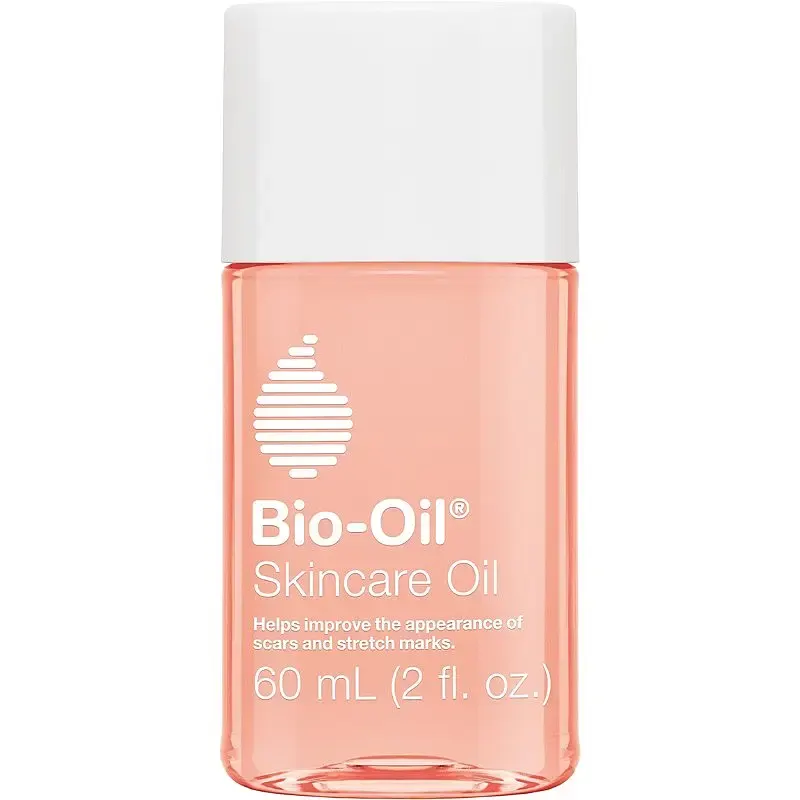
Bio-Oil Skincare Oil
High risk20/100

Oils
Higher-risk ingredients are flagged in this formula. Discuss alternatives with your healthcare professional.
16 of 16 ingredients rated
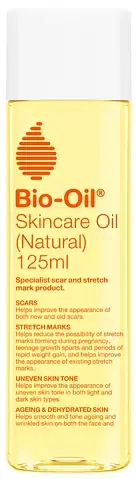
MamaSkin rates the recorded formula for Bio-Oil Skincare Oil (Natural) as High risk (26/100). This is not a pregnancy-safe recommendation. Discuss alternatives with a qualified healthcare professional.
The recorded formula includes 1 ingredient entry with a risk flag: Rosmarinus Officinalis Leaf Oil (High risk). These are ingredient-level flags; they do not replace the stored product assessment or account for every formulation detail.
16 of 16 ingredient entries on this page have a recorded score, evidence summary and source text. That describes documentation coverage, not proof that the finished formula has been clinically tested during pregnancy.
How we assess productsThe recorded formula, with evidence behind each rating. Unmatched ingredients are marked Not assessed in grey.
Rosmarinus officinalis (rosemary) leaf oil is a concentrated fragrance essential oil with chemotype-dependent constituents (often including camphor/1,8-cineole). Pregnancy-specific evidence for topical cosmetic exposure is limited, and camphor-rich oils are commonly advised to avoid in pregnancy; combined with irritation/sensitisation potential, this supports a precautionary high-risk classification—especially in leave-on products.
Sources: CIR: Safety Assessment of Rosmarinus officinalis (Rosemary)-Derived Ingredients as Used in Cosmetics https://cir-safety.org/supplementaldoc/safety-assessment-rosmarinus-officinalis-rosemary-derived-ingredients-used-cosmeti-0; Dosoky and Setzer 2021, Maternal Reproductive Toxicity of Some Essential Oils and Their Constituents https://pubmed.ncbi.nlm.nih.gov/33673548/
Plant-derived emollient oil used to soften skin and support formula texture. Reviewed cosmetic safety sources support current cosmetic use, with no pregnancy- or breastfeeding-specific topical concern identified in the material reviewed.
Sources: CIR: Safety Assessment of Soy-Derived Ingredients as Used in Cosmetics; EU CosIng / cosmetics regulatory inventory
Helianthus annuus (sunflower) seed oil is a common emollient rich in fatty acids and is generally well tolerated, with no known pregnancy or breastfeeding concerns in topical cosmetic use.
Sources: CIR; EU/UK Cosmetics Regulation
This plant-derived fatty oil or butter is used as an emollient and skin-conditioning ingredient. The Cosmetic Ingredient Review concluded that assessed plant-derived fatty acid oils are safe as used in cosmetics; individual plant allergy and ingredient purity remain practical considerations.
Sources: CIR: Safety Assessment of Plant-Derived Fatty Acid Oils https://cir-reports.cir-safety.org/view-attachment/?id=ad62ac6b-8e74-ec11-8943-0022482f06a6
Plant-derived emollient oil used to soften skin and improve formula feel. Reviewed cosmetic safety sources support current cosmetic use, with no pregnancy- or breastfeeding-specific topical concern identified in the material reviewed.
Sources: CIR: Final Report on the Safety Assessment of Simmondsia Chinensis (Jojoba) Seed Oil and related jojoba-derived ingredients; EU CosIng / cosmetics regulatory inventory
A triglyceride-rich plant oil or oil fraction used as an emollient and skin conditioner. Plant-derived fatty oils have low systemic toxicity and cosmetic review focuses mainly on irritation, sensitisation and source allergy. No pregnancy-specific hazard was identified for normal topical exposure.
Sources: CIR: Safety Assessment of Plant-Derived Fatty Acid Oils as Used in Cosmetics; relevant plant-family assessments; European Commission CosIng ingredient inventory.
A plant-derived fatty oil or butter used mainly as an emollient, conditioning ingredient or texture agent. Cosmetic safety reviewers concluded that the assessed plant-derived fatty acid oils are safe in current practices of use and concentration. This conclusion applies to cosmetic-grade fixed oils rather than similarly named volatile essential oils. Seed or food allergy may still matter for a susceptible person.
Sources: CIR: Safety Assessment of Plant-Derived Fatty Acid Oils as Used in Cosmetics https://cir-reports.cir-safety.org/view-attachment/?id=ad62ac6b-8e74-ec11-8943-0022482f06a6
A botanical extract used for skin conditioning. Cosmetic safety reviewers concluded that these named calendula, yarrow and rose-derived ingredients are safe in current cosmetic practices, with non-sensitising formulation conditions where specified. Botanical allergy remains possible.
Sources: CIR: Calendula Officinalis Extract, Achillea Millefolium Extract and Rosa Centifolia Flower Extract conclusions; December 2025 Quick Reference Table https://cir-safety.org/sites/default/files/QRT-Update-Dec2025.pdf
Lavender oil is used in cosmetics mainly as a fragrance ingredient. For normal diluted topical cosmetic use, current evidence does not establish a pregnancy-specific concern. This assessment does not cover ingestion, concentrated essential-oil use, or aromatherapy-style exposure. The more relevant practical issues in skincare are irritation or sensitisation in some users, so within this methodology it remains in no known risks.
Sources: NCCIH: Lavender: Usefulness and Safety (2025); EMA HMPC: Lavandulae aetheroleum - herbal medicinal product; Bingham et al., Contact allergy and allergic contact dermatitis caused by lavender: A retrospective study from an Australian clinic (Contact Dermatitis, 2019).
A Roman chamomile flower extract or oil used for skin conditioning and fragrance. Cosmetic safety reviewers concluded that Anthemis nobilis-derived ingredients are safe in current practices when formulated to be non-sensitising. People allergic to plants in the daisy family may be more likely to react.
Sources: CIR: Safety Assessment of Anthemis nobilis-Derived Ingredients as Used in Cosmetics https://cir-safety.org/sites/default/files/anthem122013final.pdf
Patchouli leaf oil is a volatile botanical oil used mainly as a fragrance ingredient. Available cosmetic safety and fragrance standards focus on irritation, sensitisation and constituent quality. No pregnancy- or breastfeeding-specific hazard signal was identified for normal topical exposure to a compliant finished cosmetic.
Sources: European Commission CosIng ingredient inventory; IFRA ingredient and fragrance-safety resources; CIR safety assessments of botanically derived cosmetic ingredients. No ingredient-specific human pregnancy studies of topical cosmetic use were identified.
A terpene alcohol used for skin conditioning and soothing. Cosmetic safety reviewers reaffirmed bisabolol as safe at current cosmetic concentrations, and reproductive and developmental testing did not identify adverse effects. Bisabolol can increase skin penetration, so formulators should consider the safety of other ingredients in the same product.
Sources: CIR: Final Report on the Safety Assessment of Bisabolol https://cir-reports.cir-safety.org/view-attachment/?id=6fcf160b-8e74-ec11-8943-0022482f06a6; CIR re-review material https://www.cir-safety.org/sites/default/files/bisabolol.pdf
Vitamin E antioxidant used to protect oils and support the skin barrier. Not associated with pregnancy-specific concerns at cosmetic exposure.
Sources: Cosmetic Ingredient Review (US); Scientific Committee on Consumer Safety (EU)
Glycine Soja Oil, Helianthus Annuus Seed Oil, Carthamus Tinctorius Seed Oil, Simmondsia Chinensis Seed Oil, Salvia Hispanica Seed Oil, Punica Granatum Seed Oil, Plukenetia Volubilis Seed Oil, Triticum Vulgare Germ Oil, Rosa Canina Fruit Oil, Calendula Officinalis Extract, Lavandula Angustifolia Oil, Rosmarinus Officinalis Leaf Oil, Anthemis Nobilis Flower Oil, Pogostemon Cablin Leaf Oil, Bisabolol, Tocopherol
Ingredient ratings refreshed 1 October 2026. Formulas vary by market and can change. Always compare with your packaging.
The recorded formula includes 1 ingredient entry with a risk flag: Rosmarinus Officinalis Leaf Oil (High risk). These are ingredient-level flags; they do not replace the stored product assessment or account for every formulation detail. The product score is a stored assessment, not a clinical safety guarantee.
16 of 16 ingredient entries on this page have a recorded score, evidence summary and source text. That describes documentation coverage, not proof that the finished formula has been clinically tested during pregnancy.
Only if the ingredient list on your packaging matches the recorded formula shown here. Formulas can differ by market and change over time. Compare the full list, not just the product name; report a mismatch if it differs.
No. This page presents a pregnancy-focused product assessment. Do not infer a breastfeeding conclusion from its score or label; breastfeeding requires a separate assessment of the formula and how it is used.