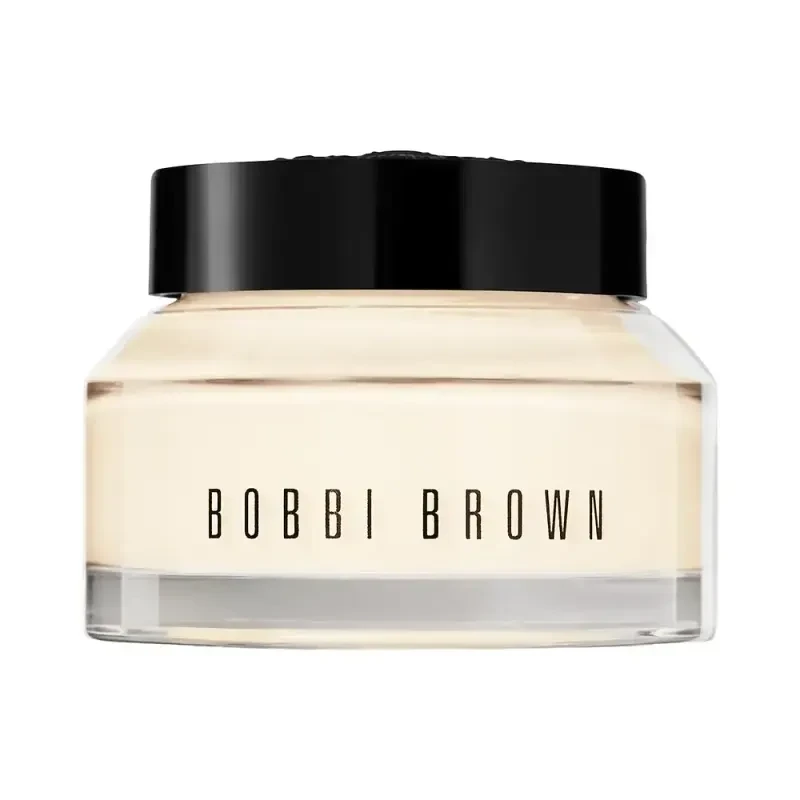
Bobbi Brown Vitamin Enriched Face Base Priming Moisturizer by Bobbi Brown
Bobbi Brown

Bobbi Brown Vitamin Enriched Face Base Priming Moisturizer

Day Moisturizersmoisturisers

Safety score

Pregnancy-focused assessment

Low Risk75/100
Higher concernLower concern

One or more ingredients have a low-risk flag in MamaSkin's current assessment. Review the notes and your own circumstances.

Formula and assessment check

Ingredient safety review updated 24 November 2025. Product formulas can change, so compare the ingredients shown here with the packaging you have.

Report a formula mismatch

MamaSkin assessment · 24 November 2025

Is Bobbi Brown Vitamin Enriched Face Base Priming Moisturizer suitable during pregnancy?

MamaSkin currently classifies Bobbi Brown Vitamin Enriched Face Base Priming Moisturizer as Low risk, with a stored score of 75/100. This is a precautionary classification, not an unqualified pregnancy-safe recommendation. Read the ingredient context and any manual-review explanation below.

What does the ingredient evidence show?

The recorded formula includes 2 ingredient entries with risk flags: Dimethicone Crosspolymer (Low risk), Phenoxyethanol (Low risk). These are ingredient-level flags; they do not replace the stored product assessment or account for every formulation detail.

34 of 34 ingredient entries on this page have a recorded score, evidence summary and source text. That describes documentation coverage, not proof that the finished formula has been clinically tested during pregnancy.

Ingredient breakdown

See how the listed formula falls across MamaSkin's pregnancy-focused risk bands.

32

No known risks

2

Low risk

0

Medium risk

0

High risk

Ingredients

Ingredients with a higher risk flag appear first, followed by the rest of the formula.

Phenoxyethanol

Low Risk

Phenoxyethanol is a preservative permitted in EU cosmetics up to 1.0%. The SCCS concluded it is safe for cosmetic use at that level, including when considering higher cosmetic exposure scenarios in infants and young children. Main practical concern is irritation/stinging on very sensitive or compromised skin rather than a pregnancy- or breastfeeding-specific risk.

Sources: SCCS/1575/16: Phenoxyethanol opinion https://health.ec.europa.eu/publications/phenoxyethanol_en
Dimethicone Crosspolymer

Low Risk

This ingredient is a dimethicone crosspolymer covered by CIR's crosspolymer assessment. CIR concluded the reviewed crosspolymers safe as used in cosmetics. That conclusion is based on polymer chemistry and cosmetic-use safety data, not human pregnancy studies for every named crosspolymer. MamaSkin retains Low Risk; finished-product irritation remains formulation-dependent.

Sources: CIR: Safety assessment of dimethicone crosspolymers https://www.cir-safety.org/supplementaldoc/safety-assessment-dimethicone-crosspolymers-used-cosmetics

Water

No Known Risks

Water (Aqua) is the standard purified water used as a cosmetic solvent. It has no pregnancy-specific risk in normal topical use.

Sources: https://pubchem.ncbi.nlm.nih.gov/compound/Water, https://single-market-economy.ec.europa.eu/sectors/cosmetics/cosmetic-ingredient-database/cosing-glossary-ingredients_en

Show all (34)

Cyclopentasiloxane

No Known Risks

Silicone emollient and solvent used to improve slip and spreadability. No known pregnancy- or breastfeeding-specific concern in normal topical cosmetic use based on reviewed cosmetic safety sources. Spray or aerosol formats may warrant extra caution because inhalation/local lung exposure concerns have been raised for those uses.

Sources: SCCS: Cyclopentasiloxane (D5) in cosmetic products; EU CosIng / cosmetics regulatory inventory

Bis-Diglyceryl Polyacyladipate-2

No Known Risks

Emollient ester used in lip, makeup and skin-care formulas for cushion, gloss and barrier feel. Reviewed cosmetic ingredient references do not identify a pregnancy- or breastfeeding-specific concern for normal topical use.

Sources: CIR cosmetic ingredient safety references for glyceryl esters/emollient esters; EU CosIng / cosmetics regulatory inventory

Butylene Glycol

No Known Risks

Solvent and humectant commonly used in leave-on products. Not associated with pregnancy-specific concerns at cosmetic exposure levels.

Sources: Cosmetic Ingredient Review (US); Scientific Committee on Consumer Safety (EU)

PPG-2 Myristyl Ether Propionate

No Known Risks

ppg-2 myristyl ether propionate is a cosmetic emollient, ester, fatty alcohol or lipid-derived formulation aid. Relevant CIR family evidence supports normal cosmetic use with purity and irritation qualifications retained. No pregnancy-specific concern was identified for ordinary topical exposure.

Sources: CIR Safety Assessment of Alkyl Esters as Used in Cosmetics https://www.cir-safety.org/supplementaldoc/safety-assessment-alkyl-esters-used-cosmetics; European Commission CosIng ingredient inventory.

Cetyl Alcohol

No Known Risks

Fatty alcohol used to improve texture and skin feel. Considered safe for cosmetic use without pregnancy-specific concerns.

Sources: Cosmetic Ingredient Review (US); Scientific Committee on Consumer Safety (EU)

PEG-40 Stearate

No Known Risks

An ethoxylated stearate used as an emulsifier and surfactant. Cosmetic safety reviewers concluded that the assessed PEG stearates are safe in current practices. Manufacturing should control ethylene oxide and 1,4-dioxane residues.

Sources: CIR: PEG Stearates conclusions; December 2025 Quick Reference Table https://cir-safety.org/sites/default/files/QRT-Update-Dec2025.pdf

Butyrospermum Parkii Butter

No Known Risks

Butyrospermum parkii (shea) butter is an emollient/occlusive that supports the skin barrier; topical use is considered low concern with no known pregnancy or breastfeeding risks.

Sources: CIR; EU/UK Cosmetics Regulation

Squalane

No Known Risks

Lightweight emollient used to support the skin barrier. Not associated with pregnancy-specific concerns at cosmetic exposure levels.

Sources: Cosmetic Ingredient Review (US); Scientific Committee on Consumer Safety (EU)

Glyceryl Stearate

No Known Risks

Emulsifier and emollient used to stabilise creams and lotions. Not associated with pregnancy-specific concerns at cosmetic exposure.

Sources: Cosmetic Ingredient Review (US); Scientific Committee on Consumer Safety (EU)

Sorbitan Stearate

No Known Risks

This sorbitan fatty-acid ester is an emulsifier that helps oil and water phases remain mixed. The Cosmetic Ingredient Review concluded that sorbitan esters are safe in current cosmetic use; occasional contact reactions remain possible in sensitive users.

Sources: CIR: Safety Assessment of Sorbitan Esters as Used in Cosmetics https://www.cir-safety.org/supplementaldoc/safety-assessment-sorbitan-esters-used-cosmetics

Epilobium Angustifolium Extract

No Known Risks

epilobium angustifolium extract is a botanical-derived cosmetic conditioning ingredient. The reviewed identity is not a concentrated essential oil or an oral herbal preparation. Available cosmetic evidence and expected topical exposure did not identify a pregnancy-specific contraindication, although botanical irritation or allergy remains possible.

Sources: CIR ingredient-specific and botanical-family safety assessments; CIR Quick Reference Table https://www.cir-safety.org/supplementaldoc/quick-reference-table-december-2025; European Commission CosIng

Yeast Extract

No Known Risks

A yeast-derived ferment, filtrate or extract used for skin conditioning. Cosmetic safety reviewers concluded that cosmetic ingredients derived from the reviewed yeast species are safe in current practices; this record applies to the standardized cosmetic INCI material, not an unspecified live culture.

Sources: CIR: Yeast-derived ingredients final assessment, June 2024; Galactomyces Ferment Filtrate conclusion; December 2025 Quick Reference Table https://cir-safety.org/sites/default/files/QRT-Update-Dec2025.pdf

Beta-Carotene

No Known Risks

A colour additive used in cosmetics. FDA lists caramel and beta-carotene as permitted cosmetic colour additives, including for eye-area and general cosmetic use, subject to applicable identity, purity and manufacturing requirements. No pregnancy-specific concern was identified from normal topical cosmetic exposure.

Sources: FDA: Color Additives Permitted for Use in Cosmetics https://www.fda.gov/cosmetics/cosmetic-ingredient-names/color-additives-permitted-use-cosmetics; 21 CFR Part 73.

Sodium Hyaluronate

No Known Risks

Sodium hyaluronate (hyaluronic acid salt) is used for hydration and cushioning, with very low systemic absorption from topical use and no known pregnancy or breastfeeding concerns at cosmetic concentrations.

Sources: CIR; EU/UK Cosmetics Regulation

Citrus Grandis Peel Oil

No Known Risks

Pomelo peel oil, used mainly for fragrance and skin conditioning. Citrus peel oils require formulation controls for irritation, sensitisation and phototoxic furocoumarins. No pregnancy-specific systemic hazard was identified for normal topical use of a compliant finished cosmetic.

Sources: CIR: Safety Assessment of Citrus-Derived Peel Oils as Used in Cosmetics https://www.cir-safety.org/supplementaldoc/safety-assessment-citrus-derived-peel-oils-used-cosmetics-0

Tocopheryl Acetate

No Known Risks

Tocopheryl acetate (vitamin E derivative) is used as an antioxidant and skin-conditioning ingredient; it is considered low concern in topical use with no known pregnancy or breastfeeding risks at cosmetic concentrations.

Sources: CIR; EU/UK Cosmetics Regulation

Methyl Glucose Sesquistearate

No Known Risks

A glucose-derived emulsifier or emollient. Cosmetic safety reviewers concluded that the assessed methyl glucose ethers and esters are safe in current practices of use and concentration.

Sources: CIR: Methyl Glucose Ethers and Esters conclusion, IJT 35(Suppl. 2), 2016; December 2025 Quick Reference Table https://cir-safety.org/sites/default/files/QRT-Update-Dec2025.pdf

Pelargonium Graveolens Flower Oil

No Known Risks

Geranium oil is used in cosmetics mainly as a fragrance botanical. Direct pregnancy-specific data are sparse, but no clear pregnancy-specific dermal harm signal has been established for routine diluted cosmetic use. This assessment does not cover concentrated essential-oil use, ingestion, or non-cosmetic therapeutic exposure. The more relevant practical issues are fragrance sensitisation and local irritation, so within this methodology it remains in no known risks.

Sources: Abu El Wafa et al., Optimization of oil yield of Pelargonium graveolens L'Hér in relation to its antimicrobial activity (Sci Rep, 2023); Bergman et al., Distinct metabolic pathways drive monoterpenoid biosynthesis in Pelargonium graveolens (Plant J, 2021); Hagvall et al., Cytochrome P450-mediated activation of the fragrance compound geraniol forms potent contact allergens (Toxicol Appl Pharmacol, 2008); Johansen et al., Fragrance contact allergy: a 4-year retrospective study (2010).

Acrylates/C10-30 Alkyl Acrylate Crosspolymer

No Known Risks

Polymer thickener and stabiliser used in creams and sunscreens. Low systemic exposure expected.

Sources: Cosmetic Ingredient Review (US); Scientific Committee on Consumer Safety (EU)

Carbomer

No Known Risks

Polymer thickener used to create gel textures. Large-molecule ingredient with negligible systemic absorption.

Sources: Cosmetic Ingredient Review (US); Scientific Committee on Consumer Safety (EU)

PEG-20 Methyl Glucose Sesquistearate

No Known Risks

peg-20 methyl glucose sesquistearate is used as a cosmetic surfactant, emulsifier or conditioning agent. Relevant cosmetic-safety assessments support use when formulated to be non-irritating and with appropriate impurity controls. Local skin or eye irritation is possible at higher concentrations, but no pregnancy-specific concern was identified for normal topical or rinse-off use.

Sources: CIR safety assessments of alkyl PEG ethers, N-acyl taurates, fatty amidopropyl amines and related cosmetic surfactants https://www.cir-safety.org/sites/default/files/taurat122015FR.pdf; CIR Quick Reference Table https://cir-safety.org/sites/default/files/QRT-Update-Dec2025.pdf

C12-15 Alkyl Ethylhexanoate

No Known Risks

c12-15 alkyl ethylhexanoate is a cosmetic emollient, ester, fatty alcohol or lipid-derived formulation aid. Relevant CIR family evidence supports normal cosmetic use with purity and irritation qualifications retained. No pregnancy-specific concern was identified for ordinary topical exposure.

Sources: CIR Safety Assessment of Alkyl Esters as Used in Cosmetics https://www.cir-safety.org/supplementaldoc/safety-assessment-alkyl-esters-used-cosmetics; European Commission CosIng ingredient inventory.

Tetrasodium EDTA

No Known Risks

Chelating agent used to stabilise formulations; minimal dermal absorption and no known pregnancy or breastfeeding risks at typical cosmetic concentrations.

Sources: CIR; EU/UK Cosmetics Regulation

Sodium Hydroxide

No Known Risks

pH adjuster used in very small quantities to balance formulations. Not associated with pregnancy-specific concerns.

Sources: Scientific Committee on Consumer Safety (EU); European cosmetics regulatory framework

Panthenol

No Known Risks

Panthenol (pro-vitamin B5) is used for soothing and barrier support and is generally well tolerated, with no known pregnancy or breastfeeding concerns in topical cosmetic use.

Sources: CIR; EU/UK Cosmetics Regulation

Magnesium Ascorbyl Phosphate

No Known Risks

A stable vitamin C derivative used for antioxidant and skin-conditioning effects. Cosmetic safety reviewers concluded that magnesium ascorbyl phosphate is safe in current practices of use and concentration.

Sources: CIR: Ascorbyl ingredients conclusion, IJT 24(Suppl. 2), 2005; December 2025 Quick Reference Table https://cir-safety.org/sites/default/files/QRT-Update-Dec2025.pdf

Limonene

No Known Risks

Limonene is a common fragrance component used at low levels in cosmetics; it is not a pregnancy-specific concern in topical use, but it is a recognised fragrance allergen and may trigger irritation or sensitisation in some people, especially if the product oxidises over time.

Sources: EU/UK cosmetics (fragrance allergen labelling); IFRA; toxicology reviews

Citronellol

No Known Risks

A rose-like fragrance ingredient that occurs naturally in many essential oils and may also be manufactured. Its main cosmetic concern is contact allergy in susceptible users; no pregnancy-specific hazard is identified for normal topical cosmetic exposure.

Sources: European Commission: Fragrance allergens labelling https://single-market-economy.ec.europa.eu/sectors/cosmetics/cosmetic-products-specific-topics/fragrance-allergens-labelling_en; SCCS fragrance-allergen opinions

Geraniol

No Known Risks

A floral fragrance ingredient found in several essential oils and also used in manufactured form. It is a recognised contact allergen, but no pregnancy-specific hazard is identified for normal topical cosmetic exposure.

Sources: European Commission: Fragrance allergens labelling https://single-market-economy.ec.europa.eu/sectors/cosmetics/cosmetic-products-specific-topics/fragrance-allergens-labelling_en; SCCS fragrance-allergen opinions

Linalool

No Known Risks

Linalool is a common fragrance component used at low levels in cosmetics; it is not a pregnancy-specific concern in topical use, but it is a recognised fragrance allergen and may trigger irritation or sensitisation in some people, especially if the product oxidises over time.

Sources: EU/UK cosmetics (fragrance allergen labelling); IFRA; toxicology reviews

Chlorphenesin

No Known Risks

Preservative used to help protect formulas from microbial growth. Reviewed cosmetic safety sources support present cosmetic use; no pregnancy- or breastfeeding-specific topical concern was identified in the material reviewed, although some users may still notice local irritation or sensitivity.

Sources: CIR: Safety Assessment of Chlorphenesin as Used in Cosmetics; EU CosIng / cosmetics regulatory inventory

Formulations can change without notice. For the most accurate result, compare this list with your packaging and scan the exact ingredient label in MamaSkin when you repurchase.

Questions about this assessment

Has every ingredient in Bobbi Brown Vitamin Enriched Face Base Priming Moisturizer been assessed?

34 of 34 ingredient entries on this page have a recorded score, evidence summary and source text. That describes documentation coverage, not proof that the finished formula has been clinically tested during pregnancy.

Does this assessment apply to the Bobbi Brown Vitamin Enriched Face Base Priming Moisturizer I have?

Only if the ingredient list on your packaging matches the recorded formula shown here. Formulas can differ by market and change over time. Compare the full list, not just the product name; report a mismatch if it differs.

Does this pregnancy assessment also establish breastfeeding suitability?

No. This page presents a pregnancy-focused product assessment. Do not infer a breastfeeding conclusion from its score or label; breastfeeding requires a separate assessment of the formula and how it is used.

How to use this assessment

The risk band is the primary conclusion. The score adds detail within that band and should not be used to compare products as if a one-point difference were clinically meaningful.

MamaSkin provides pregnancy-focused information, not medical advice. Your midwife, GP, pharmacist or dermatologist should take priority when your circumstances differ from typical cosmetic use.

Read the full methodology