Estée Lauder
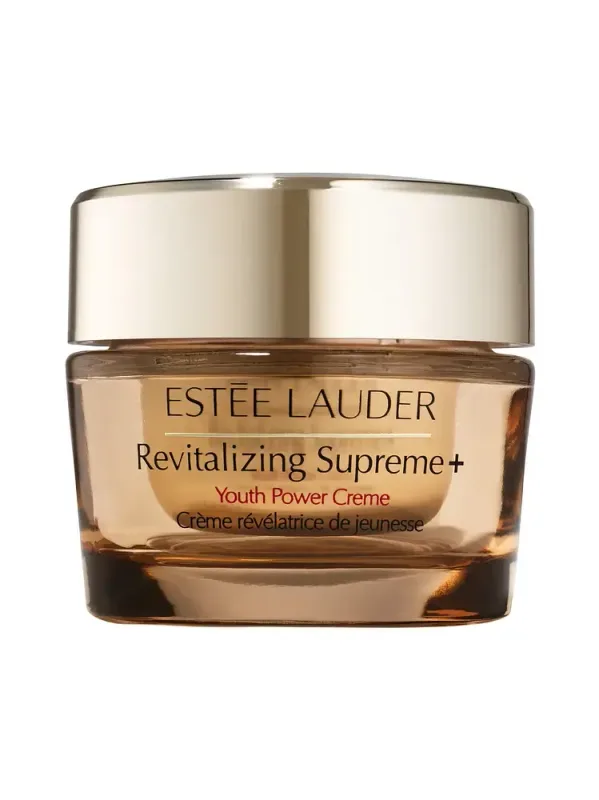
Estée Lauder Revitalizing Supreme+ Youth Power Creme
Medium risk58/100

Some ingredients carry a low-risk flag. Read the formulation context before deciding.
22 of 23 ingredients rated1 not assessed
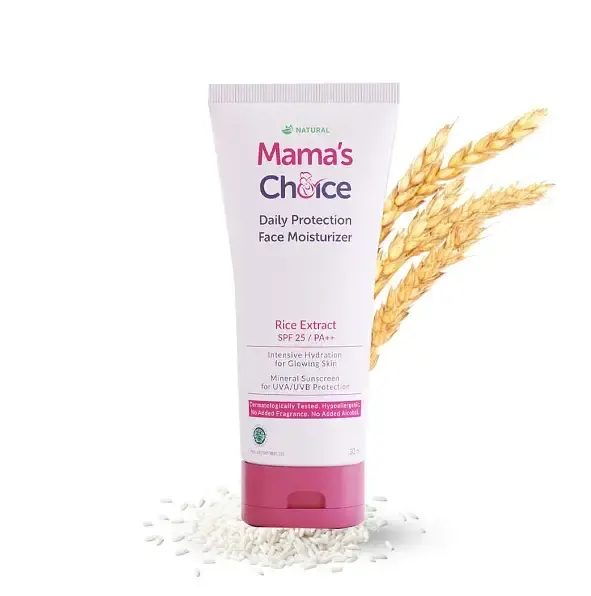
MamaSkin rates the recorded formula for Mama’s Choice Daily Protection Face Moisturizer SPF 20 PA++ as Low risk (79/100). Review the ingredient context and any manual-review explanation before deciding.
The recorded formula includes 1 ingredient entry with a risk flag: Hydrogen Dimethicone (Low risk). These are ingredient-level flags; they do not replace the stored product assessment or account for every formulation detail.
22 of 23 ingredient entries on this page have a recorded score, evidence summary and source text. 1 entry does not have all of those fields. Unmatched or unrated entries are marked Not assessed in grey; missing evidence does not establish safety.
How we assess productsThe recorded formula, with evidence behind each rating. Unmatched ingredients are marked Not assessed in grey.
This ingredient is a silicone polymer documented within CIR's broader dimethicone and substituted-methicone family assessment. CIR concluded the reviewed ingredients safe as used when formulated to be non-irritating to skin and eyes. This is family-level cosmetic evidence, not ingredient-specific human pregnancy evidence for every derivative. MamaSkin therefore retains Low Risk without claiming negligible absorption for this individual ingredient.
Sources: CIR: Dimethicone and substituted-methicone polymer assessment https://cir-safety.org/supplementaldoc/safety-assessment-dimethicone-methicone-and-substituted-methicone-polymers-used-cosm
No matched ingredient rating is available yet. Not assessed does not mean safe or unsafe.
Water (Aqua) is the standard purified water used as a cosmetic solvent. It has no pregnancy-specific risk in normal topical use.
Sources: https://pubchem.ncbi.nlm.nih.gov/compound/Water, https://single-market-economy.ec.europa.eu/sectors/cosmetics/cosmetic-ingredient-database/cosing-glossary-ingredients_en
Butyrospermum parkii (shea) butter is an emollient/occlusive that supports the skin barrier; topical use is considered low concern with no known pregnancy or breastfeeding risks.
Sources: CIR; EU/UK Cosmetics Regulation
Mineral ingredient used as a UV filter and skin protectant in many creams and mineral sunscreens. For typical topical use, systemic absorption is very low and it is generally considered acceptable in pregnancy and breastfeeding. If you prefer a cautious approach, avoid inhaling loose powders or spray formats.
Sources: General dermatology/obstetric guidance commonly lists mineral sunscreens (zinc oxide) as acceptable in pregnancy; exposure route considerations for powders/sprays.
This emollient ester improves slip and skin feel. Cosmetic Ingredient Review assessments support use in current cosmetic concentrations when formulated to be non-irritating; topical use is not identified as a pregnancy- or breastfeeding-specific concern. Some alkyl esters can increase penetration of other formula ingredients.
Sources: CIR: Safety Assessment of Alkyl Esters as Used in Cosmetics https://cir-safety.org/supplementaldoc/safety-assessment-alkyl-esters-used-cosmetics
Fatty alcohol used to improve texture and skin feel. Considered safe for cosmetic use without pregnancy-specific concerns.
Sources: Cosmetic Ingredient Review (US); Scientific Committee on Consumer Safety (EU)
Glycerin is a widely used humectant that supports hydration and the skin barrier, with a long safety record and no known pregnancy or breastfeeding concerns in topical cosmetic use.
Sources: CIR; EU/UK Cosmetics Regulation
Self-emulsifying form of glyceryl stearate used to stabilize creams and lotions. Reviewed cosmetic safety sources support normal topical use, with no pregnancy- or breastfeeding-specific concern identified.
Sources: CIR cosmetic ingredient safety references for glyceryl stearate and self-emulsifying emulsifiers; EU CosIng / cosmetics regulatory inventory
Inorganic mineral pigment and, in some products, a mineral UV filter. For typical topical use in creams, lotions and makeup, systemic absorption is expected to be very low. Most concerns discussed in the literature relate to ingestion (food additive E171) or inhalation exposure from fine powders/sprays, and to specific nanoparticle characterisation. For routine topical cosmetic use, it is generally considered acceptable in pregnancy and breastfeeding; if you prefer a cautious approach, avoid inhaling loose powders or sprays.
Sources: EFSA opinion on titanium dioxide as food additive E171 (ingestion context); SCCS opinions on titanium dioxide in cosmetics (including inhalation/nano considerations); general dermatology guidance on mineral sunscreens in pregnancy.
Solvent and humectant commonly used in leave-on products. Not associated with pregnancy-specific concerns at cosmetic exposure levels.
Sources: Cosmetic Ingredient Review (US); Scientific Committee on Consumer Safety (EU)
Emulsifier used to stabilize creams and lotions. Reviewed cosmetic safety sources support use of PEG stearates in cosmetics, with no pregnancy- or breastfeeding-specific concern identified for normal topical use.
Sources: CIR: Safety Assessment of PEG Stearates as Used in Cosmetics; EU CosIng / cosmetics regulatory inventory
The final CIR assessment includes the exact identity in its safe conclusion.
Sources: https://www.cir-safety.org/sites/default/files/ROPSIL_122014%20_FAR.pdf
A synthetically manufactured amorphous silica used for absorbency, texture and thickening. Cosmetic safety reviewers concluded that hydrated silica is safe in current practices when formulated to be non-irritating. Loose powders should still be used without deliberately inhaling airborne particles.
Sources: CIR: Safety Assessment of Synthetically-Manufactured Amorphous Silicas, IJT 44(Suppl. 3), 2025; December 2025 Quick Reference Table https://cir-safety.org/sites/default/files/QRT-Update-Dec2025.pdf
For ordinary, correctly formulated topical cosmetic use, no pregnancy-specific harm has been identified for ethyl lauroyl arginate hcl. Ethyl lauroyl arginate is assessed only within the cosmetic product categories and concentrations accepted by SCCS; other routes are not covered. Direct pregnancy studies of this exact material are limited; this assessment does not cover ingestion, medicinal-strength use, damaged skin, or aerosol exposure.
pH adjuster used in small amounts to maintain product stability. Not associated with pregnancy-specific concerns.
Sources: Scientific Committee on Consumer Safety (EU); European cosmetics regulatory framework
Polymer thickener and stabiliser used in creams and sunscreens. Low systemic exposure expected.
Sources: Cosmetic Ingredient Review (US); Scientific Committee on Consumer Safety (EU)
Tocopheryl acetate (vitamin E derivative) is used as an antioxidant and skin-conditioning ingredient; it is considered low concern in topical use with no known pregnancy or breastfeeding risks at cosmetic concentrations.
Sources: CIR; EU/UK Cosmetics Regulation
An alkanolamine used mainly to adjust product pH. Cosmetic safety reviewers concluded that aminomethyl propanol is safe in current cosmetic use at the reviewed concentrations. Formulators should control secondary-amine impurities and should not combine it with nitrosating agents. No pregnancy-specific concern is identified for normal use of a properly formulated finished cosmetic.
Sources: CIR: Final Amended Report on the Safety Assessment of Aminomethyl Propanol and Aminomethyl Propanediol https://cir-reports.cir-safety.org/view-attachment/?id=62ee6359-8e74-ec11-8943-0022482f06a6
A rice-derived extract or wax used for skin conditioning, absorbency or texture. Cosmetic safety reviewers concluded that the assessed Oryza sativa-derived ingredients are safe in current cosmetic practices. Rice allergy remains possible in a susceptible person.
Sources: CIR: Rice-derived ingredients conclusions, IJT 25(Suppl. 2), 2006; December 2025 Quick Reference Table https://cir-safety.org/sites/default/files/QRT-Update-Dec2025.pdf
Sodium hyaluronate (hyaluronic acid salt) is used for hydration and cushioning, with very low systemic absorption from topical use and no known pregnancy or breastfeeding concerns at cosmetic concentrations.
Sources: CIR; EU/UK Cosmetics Regulation
Orange peel essential oil used mainly for fragrance. Normal topical cosmetic use has no established pregnancy-specific concern. The practical concerns are oxidation, irritation, sensitisation and, depending on composition and processing, light-related skin reactions.
Sources: CIR: Safety Assessment of Citrus-Derived Peel Oils as Used in Cosmetics; IFRA Standards for citrus oils
High-water-binding humectant used to support hydration at the skin surface. Reviewed cosmetic safety sources support normal topical use, with no pregnancy- or breastfeeding-specific topical signal identified in the material reviewed.
Sources: CIR: Safety Assessment of Hyaluronates as Used in Cosmetics; EU CosIng / cosmetics regulatory inventory
Water, Butyrospermum Parkii Butter, Zinc Oxide, Isopropyl Myristate, Cetyl Alcohol, Glycerin, Glyceryl Stearate Se, Titanium Dioxide, Butylene Glycol, PEG-100 Stearate, PEG-9 Dimethicone, Hydrated Silica, Ethyl Lauroyl Arginate Hcl, Citric Acid, Acrylates/C10-30 Alkyl Acrylate Crosspolymer, Hydrogen Dimethicone, Tocopheryl Acetate, Aminomethyl Propanol, Oryza Sativa Extract, Sodium Hyaluronate, Citrus Aurantium Dulcis Peel Oil, Hyaluronic Acid, 2-Aminobutanol
Ingredient ratings refreshed 1 October 2026. Formulas vary by market and can change. Always compare with your packaging.
The recorded formula includes 1 ingredient entry with a risk flag: Hydrogen Dimethicone (Low risk). These are ingredient-level flags; they do not replace the stored product assessment or account for every formulation detail. Incomplete ingredient documentation does not establish safety; see the coverage answer and grey entries below.
No. The score and risk band describe MamaSkin's pregnancy-focused ingredient screening of this recorded formula. They do not measure SPF, UVA protection, water resistance or whether you have applied enough sunscreen. Use the protection and application instructions on your exact packaging, and review the ingredient flags separately.
22 of 23 ingredient entries on this page have a recorded score, evidence summary and source text. 1 entry does not have all of those fields. Unmatched or unrated entries are marked Not assessed in grey; missing evidence does not establish safety.
Only if the ingredient list on your packaging matches the recorded formula shown here. Formulas can differ by market and change over time. Compare the full list, not just the product name; report a mismatch if it differs.
No. This page presents a pregnancy-focused product assessment. Do not infer a breastfeeding conclusion from its score or label; breastfeeding requires a separate assessment of the formula and how it is used.