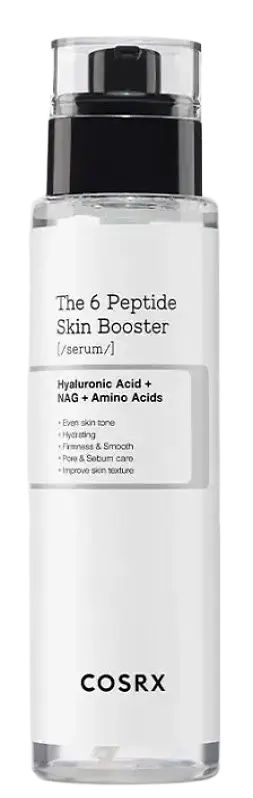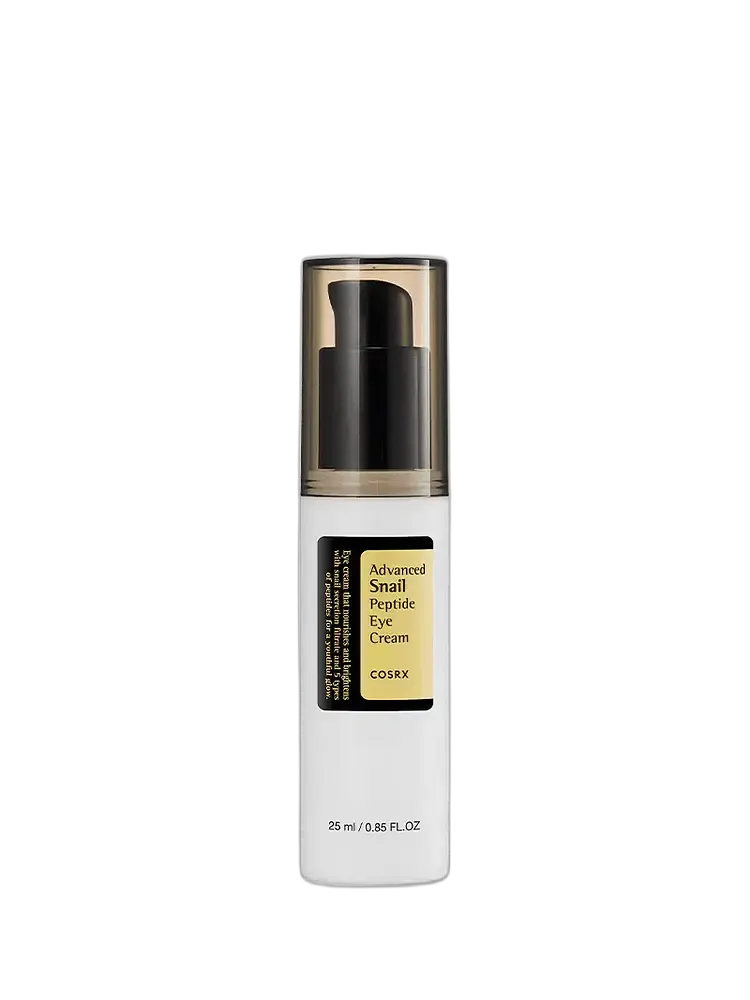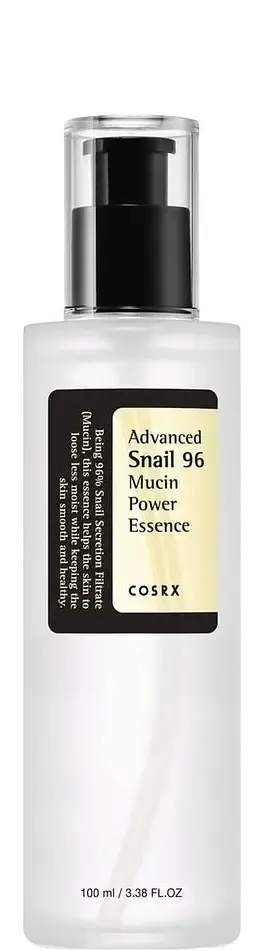
COSRX
COSRX Advanced Snail 96 Mucin Power Essence
Low risk75/100

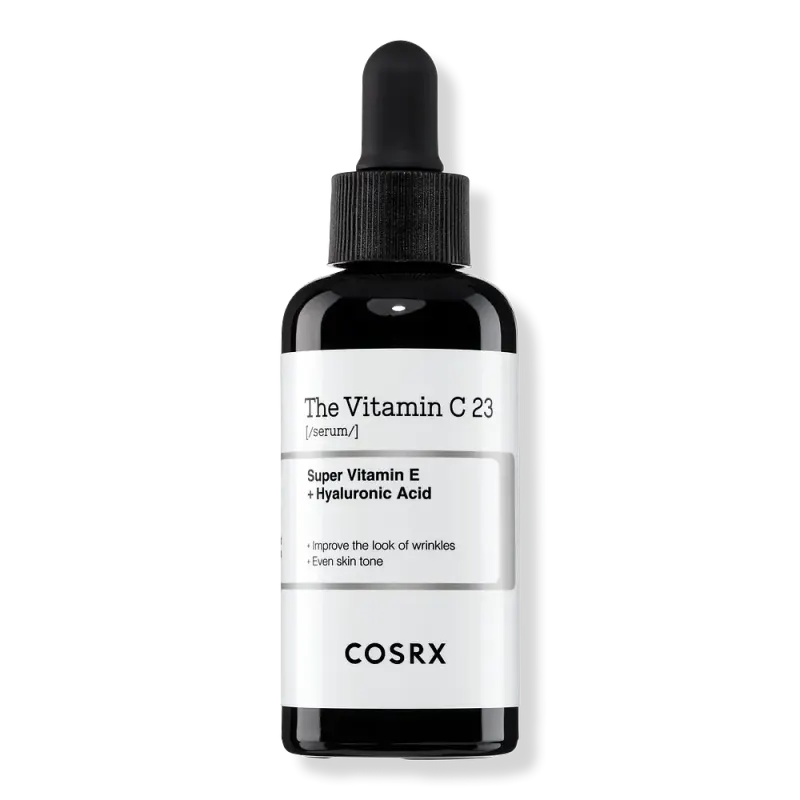
MamaSkin rates the recorded formula for COSRX The Vitamin C 23 Serum as Low risk (78/100). Review the ingredient context and any manual-review explanation before deciding.
The recorded formula includes 3 ingredient entries with risk flags: Dimethicone (Low risk), Glycyrrhiza Glabra Root Extract (Low risk), Methyl Trimethicone (Low risk). These are ingredient-level flags; they do not replace the stored product assessment or account for every formulation detail.
34 of 34 ingredient entries on this page have a recorded score, evidence summary and source text. That describes documentation coverage, not proof that the finished formula has been clinically tested during pregnancy.
How we assess productsThe recorded formula, with evidence behind each rating. Unmatched ingredients are marked Not assessed in grey.
Dimethicone is a silicone polymer used as a skin protectant and slip/conditioning agent. It is considered inert with minimal dermal absorption; the main practical issues are cosmetic (feel) and occasional irritation in very sensitive users. It is not a pregnancy-specific concern in topical cosmetic use.
Sources: CIR: Amended Safety Assessment of Dimethicone, Methicone, and Substituted-Methicone Polymers as Used in Cosmetics https://cir-safety.org/supplementaldoc/amended-safety-assessment-dimethicone-methicone-and-substituted-methicone-polymers-2
Pregnancy concerns around licorice are based mainly on high oral glycyrrhizin intake, which has been linked to shorter gestation and cortisol-related effects in offspring; by contrast, licorice root extracts have been assessed as safe as used in cosmetics, so routine topical skincare exposure fits a cautious low-risk classification.
Sources: CIR: Cosmetic safety assessment covering Glycyrrhiza glabra-derived ingredients https://cir-reports.cir-safety.org/view-attachment/?id=49a63435-8e74-ec11-8943-0022482f06a6
A lightweight volatile linear silicone used as a solvent and texture ingredient. Related linear methicone ingredients have reassuring cosmetic safety assessments, but an exact final Cosmetic Ingredient Review finding for Methyl Trimethicone was not located. MamaSkin classifies it as low risk because exact-ingredient pregnancy and inhalation data are limited, while no specific pregnancy contraindication has been identified for normal topical cosmetic use.
Sources: CIR: Safety Assessment of Dimethicone Methicone and Substituted-Methicone Polymers https://cir-safety.org/supplementaldoc/safety-assessment-dimethicone-methicone-and-substituted-methicone-polymers-used-cosm; CIR Quick Reference Table December 2025
Water (Aqua) is the standard purified water used as a cosmetic solvent. It has no pregnancy-specific risk in normal topical use.
Sources: https://pubchem.ncbi.nlm.nih.gov/compound/Water, https://single-market-economy.ec.europa.eu/sectors/cosmetics/cosmetic-ingredient-database/cosing-glossary-ingredients_en
Vitamin C antioxidant used to support brightness and photoprotection; functions as an antioxidant/pH adjuster in cosmetic formulas. No pregnancy-specific contraindications are identified for topical cosmetic use.
Sources: CIR (Ascorbic Acid); PubMed (NLM)
Solvent and humectant used to improve texture and ingredient solubility. Low systemic exposure expected from topical cosmetic use.
Sources: Cosmetic Ingredient Review (US); Scientific Committee on Consumer Safety (EU)
pH adjuster and buffer used to stabilise formulations. Reviewed cosmetic safety sources support normal topical use, with no pregnancy- or breastfeeding-specific topical signal identified in the material reviewed.
Sources: CIR: Safety Assessment of Tromethamine as Used in Cosmetics; EU CosIng / cosmetics regulatory inventory
Panthenol (pro-vitamin B5) is used for soothing and barrier support and is generally well tolerated, with no known pregnancy or breastfeeding concerns in topical cosmetic use.
Sources: CIR; EU/UK Cosmetics Regulation
A stable ether derivative of vitamin C used as an antioxidant and brightening ingredient. Pregnancy-specific topical studies are limited, but no pregnancy-specific contraindication was identified in the reviewed literature. Published case reports describe allergic contact dermatitis, so local sensitivity remains possible and this classification should not be read as proof that irritation cannot occur.
Sources: CIR: Safety Assessment of Ethers of Ascorbic Acid https://www.cir-safety.org/sites/default/files/ethers_of_ascorbate.pdf; PubMed: 3-O-ethyl-L-ascorbic acid topical delivery https://pubmed.ncbi.nlm.nih.gov/31517290/; PubMed: allergic contact dermatitis case report https://pubmed.ncbi.nlm.nih.gov/24846587/
Lightweight emollient used to support the skin barrier. Not associated with pregnancy-specific concerns at cosmetic exposure levels.
Sources: Cosmetic Ingredient Review (US); Scientific Committee on Consumer Safety (EU)
Methylxanthine used in cosmetics (e.g., de-puffing/firming and antioxidant support). No pregnancy-specific contraindications are identified for topical cosmetic use.
Sources: CIR (Methylxanthines); PubMed (NLM)
Sodium chloride is used to adjust viscosity and texture in formulations; topical cosmetic use is considered low concern with no known pregnancy or breastfeeding risks.
Sources: CIR; EU/UK Cosmetics Regulation
Sodium hyaluronate (hyaluronic acid salt) is used for hydration and cushioning, with very low systemic absorption from topical use and no known pregnancy or breastfeeding concerns at cosmetic concentrations.
Sources: CIR; EU/UK Cosmetics Regulation
An antioxidant and reducing agent used to protect formula stability. Cosmetic safety reviewers concluded that sodium sulfite is safe in current practices. Sulfite-sensitive users may still experience irritation or allergy.
Sources: CIR: Sodium Sulfite conclusion; December 2025 Quick Reference Table https://cir-safety.org/sites/default/files/QRT-Update-Dec2025.pdf
Disodium EDTA is a chelating agent used to improve formula stability and performance; it is considered low concern in topical cosmetic use, with no known pregnancy or breastfeeding risks at typical concentrations.
Sources: CIR; EU/UK Cosmetics Regulation
An antioxidant peptide naturally present in the body and used in topical products for skin conditioning and tone. Clinical studies and systematic reviews report generally good tolerance of topical glutathione, although evidence for cosmetic benefits remains limited. No pregnancy-specific topical signal was identified.
Sources: PubMed: Systematic Review of the Efficacy and Safety of Topical Glutathione in Dermatology https://pubmed.ncbi.nlm.nih.gov/41416233/; PubMed: topical oxidized glutathione clinical trial https://pubmed.ncbi.nlm.nih.gov/25378941/
Skin-conditioning ingredient commonly used in leave-on skincare. Reviewed cosmetic safety sources support normal topical use, with no pregnancy- or breastfeeding-specific topical signal identified in the material reviewed.
Sources: CIR: Safety Assessment of Adenosine Ingredients as Used in Cosmetics; EU CosIng / cosmetics regulatory inventory
An amino-sugar derivative used for skin conditioning and hydration. Cosmetic safety reviewers concluded that acetyl glucosamine is safe in current practices when formulated to be non-irritating. No pregnancy-specific concern was identified for normal topical cosmetic exposure.
Sources: CIR: Safety Assessment of Glucosamine Ingredients as Used in Cosmetics https://www.cir-safety.org/supplementaldoc/safety-assessment-glucosamine-ingredients-used-cosmetics-1
A fruit, seed or food-plant extract used for skin conditioning and antioxidant support. No pregnancy-specific signal was identified for the low topical exposure expected from a finished cosmetic. Direct pregnancy studies are generally unavailable, and botanical allergy remains possible.
Sources: European Commission CosIng ingredient inventory; CIR botanical safety framework and relevant fruit-derived ingredient assessments; peer-reviewed cosmetic and phytochemical literature for the named plants.
Allantoin is a soothing skin protectant commonly used to help reduce irritation and support comfort, with no known pregnancy or breastfeeding concerns in topical cosmetic use.
Sources: CIR; EU/UK Cosmetics Regulation
Starch-derived polysaccharide used as a binder, film former and texture support ingredient. Reviewed cosmetic ingredient references do not identify a pregnancy- or breastfeeding-specific concern for normal topical use.
Sources: CIR cosmetic ingredient safety references for polysaccharides/starch-derived ingredients; EU CosIng / cosmetics regulatory inventory
A naturally occurring or derivative biomolecule used for conditioning, hydration or formula support. No pregnancy-specific reproductive or developmental hazard was identified for normal topical cosmetic exposure; oral or therapeutic dosing is outside this classification.
Sources: European Commission CosIng ingredient inventory; peer-reviewed biochemical and cosmetic-use literature; relevant CIR protein, peptide and biological-source safety assessments.
Vitamin E antioxidant used to protect oils and support the skin barrier. Not associated with pregnancy-specific concerns at cosmetic exposure.
Sources: Cosmetic Ingredient Review (US); Scientific Committee on Consumer Safety (EU)
A plant-derived fatty oil or butter used mainly as an emollient, conditioning ingredient or texture agent. Cosmetic safety reviewers concluded that the assessed plant-derived fatty acid oils are safe in current practices of use and concentration. This conclusion applies to cosmetic-grade fixed oils rather than similarly named volatile essential oils. Seed or food allergy may still matter for a susceptible person.
Sources: CIR: Safety Assessment of Plant-Derived Fatty Acid Oils as Used in Cosmetics https://cir-reports.cir-safety.org/view-attachment/?id=ad62ac6b-8e74-ec11-8943-0022482f06a6
Solvent and humectant commonly used in leave-on products. Not associated with pregnancy-specific concerns at cosmetic exposure levels.
Sources: Cosmetic Ingredient Review (US); Scientific Committee on Consumer Safety (EU)
Amino acid used as a humectant, skin-conditioning agent, and pH-adjusting support ingredient. Reviewed cosmetic safety sources support normal topical use, with no pregnancy- or breastfeeding-specific topical signal identified in the material reviewed.
Sources: CIR: Safety Assessment of α-Amino Acids as Used in Cosmetics; EU CosIng / cosmetics regulatory inventory
Niacinamide (vitamin B3) is widely used for barrier support and tone/texture benefits, and is generally considered safe in pregnancy and breastfeeding when used topically at cosmetic concentrations.
Sources: CIR; EU/UK Cosmetics Regulation
Humectant and preservative booster. Considered safe for cosmetic use with low systemic exposure.
Sources: Cosmetic Ingredient Review (US); Scientific Committee on Consumer Safety (EU)
Volatile solvent used to improve texture, drying time, and penetration in some formulas. Reviewed cosmetic safety sources support current cosmetic use, with no pregnancy- or breastfeeding-specific topical concern identified in the material reviewed; the main practical issue is dryness, stinging, or barrier disruption in some users.
Sources: CIR: Safety Assessment of SD Alcohol 40, Benzyl Alcohol, and Denatured Alcohol in Cosmetic Products; EU CosIng / cosmetics regulatory inventory
Helianthus annuus (sunflower) seed oil is a common emollient rich in fatty acids and is generally well tolerated, with no known pregnancy or breastfeeding concerns in topical cosmetic use.
Sources: CIR; EU/UK Cosmetics Regulation
This plant-derived fatty oil or butter is used as an emollient and skin-conditioning ingredient. The Cosmetic Ingredient Review concluded that assessed plant-derived fatty acid oils are safe as used in cosmetics; individual plant allergy and ingredient purity remain practical considerations.
Sources: CIR: Safety Assessment of Plant-Derived Fatty Acid Oils https://cir-reports.cir-safety.org/view-attachment/?id=ad62ac6b-8e74-ec11-8943-0022482f06a6
This plant-derived fatty oil or butter is used as an emollient and skin-conditioning ingredient. The Cosmetic Ingredient Review concluded that assessed plant-derived fatty acid oils are safe as used in cosmetics; individual plant allergy and ingredient purity remain practical considerations.
Sources: CIR: Safety Assessment of Plant-Derived Fatty Acid Oils https://cir-reports.cir-safety.org/view-attachment/?id=ad62ac6b-8e74-ec11-8943-0022482f06a6
A plant-part extract used for skin conditioning, soothing, fragrance or antioxidant support. No pregnancy-specific systemic signal was identified for normal topical cosmetic exposure. This assessment does not extend to essential oils, oral herbal products or medicinal doses, and botanical sensitivity remains possible.
Sources: European Commission CosIng ingredient inventory; CIR botanical safety framework and relevant plant-derived ingredient assessments; peer-reviewed cosmetic-use literature.
A colour additive used in cosmetics. FDA lists caramel and beta-carotene as permitted cosmetic colour additives, including for eye-area and general cosmetic use, subject to applicable identity, purity and manufacturing requirements. No pregnancy-specific concern was identified from normal topical cosmetic exposure.
Sources: FDA: Color Additives Permitted for Use in Cosmetics https://www.fda.gov/cosmetics/cosmetic-ingredient-names/color-additives-permitted-use-cosmetics; 21 CFR Part 73.
Water, Ascorbic Acid 23%, Propanediol, Dimethicone, Tromethamine, Panthenol, 3-O-Ethyl Ascorbic Acid, Squalane, Caffeine, Sodium Chloride, Sodium Hyaluronate, Sodium Sulfite, Disodium EDTA, Glutathione, Adenosine, Acetyl Glucosamine, Gardenia Florida Fruit Extract, Allantoin, Dextrin, Tocotrienols, Tocopherol, Elaeis Guineensis Oil, Butylene Glycol, Arginine, Niacinamide, Pentylene Glycol, Alcohol Denat., Helianthus Annuus Seed Oil, Glycyrrhiza Glabra Root Extract, Methyl Trimethicone, Carthamus Tinctorius Seed Oil, Camellia Japonica Seed Oil, Daucus Carota Sativa Root Extract, Beta-Carotene
Ingredient ratings refreshed 1 October 2026. Formulas vary by market and can change. Always compare with your packaging.
The recorded formula includes 3 ingredient entries with risk flags: Dimethicone (Low risk), Glycyrrhiza Glabra Root Extract (Low risk), Methyl Trimethicone (Low risk). These are ingredient-level flags; they do not replace the stored product assessment or account for every formulation detail. The product score is a stored assessment, not a clinical safety guarantee.
No. Niacinamide appears in the recorded formula, but its individual rating applies to that ingredient, not automatically to the whole product. Check the other ingredient ratings, any grey Not assessed entries and the stored product assessment. A niacinamide percentage or a product name is not a substitute for checking the full list.
34 of 34 ingredient entries on this page have a recorded score, evidence summary and source text. That describes documentation coverage, not proof that the finished formula has been clinically tested during pregnancy.
Only if the ingredient list on your packaging matches the recorded formula shown here. Formulas can differ by market and change over time. Compare the full list, not just the product name; report a mismatch if it differs.
No. This page presents a pregnancy-focused product assessment. Do not infer a breastfeeding conclusion from its score or label; breastfeeding requires a separate assessment of the formula and how it is used.