Dr. Althea
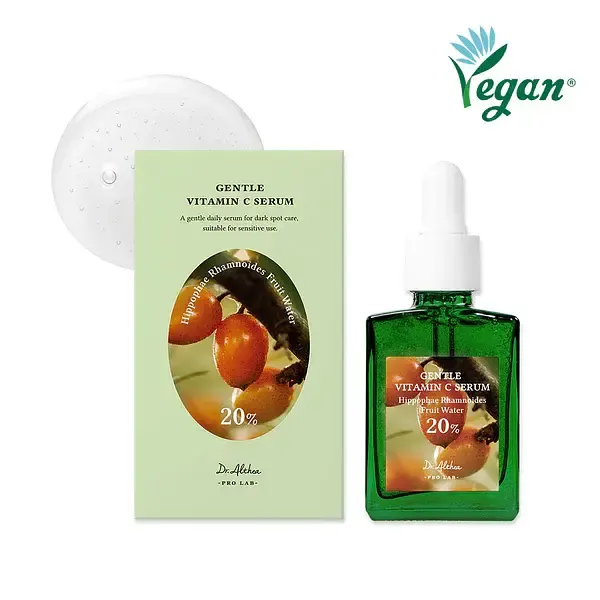
Dr. Althea Gentle Vitamin C Serum
No known risks99/100

Toners
No higher-risk flags in the assessed ingredients. This is a screening result, not a guarantee of pregnancy safety.
36 of 37 ingredients rated1 not assessed
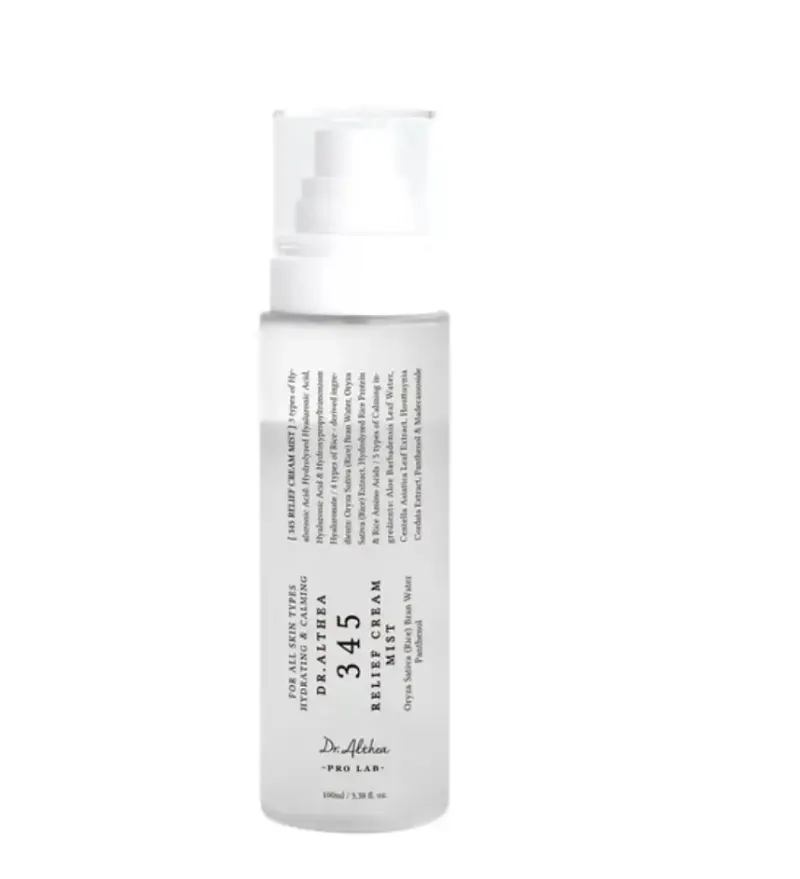
MamaSkin rates the recorded formula for Dr. Althea 345 Relief Cream Mist as No known risks (99/100). This screening result is not a guarantee of safety for every pregnancy.
No higher-risk ingredient flags are shown in the assessed entries. Ingredients without a matched rating are marked Not assessed, not No known risks.
36 of 37 ingredient entries on this page have a recorded score, evidence summary and source text. 1 entry does not have all of those fields. Unmatched or unrated entries are marked Not assessed in grey; missing evidence does not establish safety.
How we assess productsThe recorded formula, with evidence behind each rating. Unmatched ingredients are marked Not assessed in grey.
No matched ingredient rating is available yet. Not assessed does not mean safe or unsafe.
A botanical extract, plant water or plant juice used for conditioning, soothing or antioxidant support. Direct pregnancy studies of this exact cosmetic material were not identified, but no reproductive or developmental hazard was identified for normal topical exposure. Oral herbal or medicinal use is outside this classification.
Sources: European Commission CosIng ingredient inventory; CIR botanical safety framework and relevant plant-derived ingredient assessments; no ingredient-specific human pregnancy study of normal topical cosmetic use was identified.
Glycerin is a widely used humectant that supports hydration and the skin barrier, with a long safety record and no known pregnancy or breastfeeding concerns in topical cosmetic use.
Sources: CIR; EU/UK Cosmetics Regulation
Light emollient triglyceride used to improve spreadability and reduce drag. Reviewed cosmetic safety sources support normal topical use, with no pregnancy- or breastfeeding-specific topical signal identified in the material reviewed.
Sources: CIR: Amended Safety Assessment of Triglycerides as Used in Cosmetics; EU CosIng / cosmetics regulatory inventory
Water (Aqua) is the standard purified water used as a cosmetic solvent. It has no pregnancy-specific risk in normal topical use.
Sources: https://pubchem.ncbi.nlm.nih.gov/compound/Water, https://single-market-economy.ec.europa.eu/sectors/cosmetics/cosmetic-ingredient-database/cosing-glossary-ingredients_en
A large hydrogenated hydrocarbon polymer used as an emollient and texture agent. Cosmetic safety reviewers assessed hydrogenated poly(C6-14 olefin) with cosmetic polyenes and concluded that the group is safe in current practices of use and concentration. Dermal absorption is expected to be limited by molecular size.
Sources: CIR: Safety Assessment of Polyene Group as Used in Cosmetics https://journals.sagepub.com/doi/10.1177/1091581820952385
Solvent and humectant commonly used in leave-on products. Not associated with pregnancy-specific concerns at cosmetic exposure levels.
Sources: Cosmetic Ingredient Review (US); Scientific Committee on Consumer Safety (EU)
Solvent and humectant used to improve texture and ingredient delivery in topical cosmetic formulas. Reviewed cosmetic ingredient references do not identify a pregnancy- or breastfeeding-specific concern for normal topical use.
Sources: CIR cosmetic ingredient safety references for alkane diols; EU CosIng / cosmetics regulatory inventory
Humectant and preservative booster. Considered safe for cosmetic use with low systemic exposure.
Sources: Cosmetic Ingredient Review (US); Scientific Committee on Consumer Safety (EU)
1,2-Hexanediol is commonly used as a solvent and preservative booster; topical exposure is low and it has no known pregnancy or breastfeeding concerns at cosmetic concentrations, though very sensitive skin may occasionally react.
Sources: CIR; EU/UK Cosmetics Regulation
Panthenol (pro-vitamin B5) is used for soothing and barrier support and is generally well tolerated, with no known pregnancy or breastfeeding concerns in topical cosmetic use.
Sources: CIR; EU/UK Cosmetics Regulation
streptococcus thermophilus ferment is a non-live fermentation-derived or microbial-lysate cosmetic ingredient. CIR assessments of Lactobacillus and yeast-derived cosmetic materials support use under current formulation practices. No pregnancy-specific concern was identified for normal topical use; this does not assess live organisms or oral supplements.
Sources: CIR Safety Assessment of Lactobacillus Ferment Ingredients https://cir-safety.org/supplementaldoc/safety-assessment-lactobacillus-ferment-ingredients-used-cosmetics; CIR yeast-derived ingredient assessment.
Betaine is a humectant/osmolyte used to support hydration and reduce irritation potential in formulas; it is considered low concern with no known pregnancy or breastfeeding risks in topical cosmetic use.
Sources: CIR; EU/UK Cosmetics Regulation
trilaureth-4 phosphate is a cosmetic surfactant, emulsifier or conditioning agent. Relevant cosmetic-safety assessments support use when formulated to be non-irritating and with appropriate impurity controls. Local skin or eye irritation is possible, but no pregnancy-specific concern was identified for normal topical or rinse-off use.
Sources: CIR assessments of alkyl PEG/PPG ethers, amino-acid surfactants, sulfosuccinates and related conditioning agents; CIR Quick Reference Table https://www.cir-safety.org/supplementaldoc/quick-reference-table-december-2025
Preservative booster and skin-conditioning agent. Considered safe for cosmetic use with low systemic exposure when used as intended.
Sources: Scientific Committee on Consumer Safety (EU); Cosmetic Ingredient Review (US)
A large phosphorylcholine-containing conditioning polymer. Cosmetic safety reviewers concluded that acryloyloxyethyl phosphorylcholine polymers, including polyquaternium-51, are safe in current practices. Available testing did not indicate sensitisation, and dermal absorption of the finished polymer is expected to be limited.
Sources: CIR: Safety Assessment of Acryloyloxyethyl Phosphorylcholine Polymers as Used in Cosmetics https://www.cir-safety.org/sites/default/files/FR_AcryloyloxyethylPhosphorylcholinePolymers_062022.pdf
Chelating agent used to improve formula stability. Used at low levels and not associated with pregnancy-specific concerns.
Sources: European cosmetics regulatory framework
pH adjuster used in small amounts to maintain product stability. Not associated with pregnancy-specific concerns.
Sources: Scientific Committee on Consumer Safety (EU); European cosmetics regulatory framework
pyrus malus juice is a botanical-derived cosmetic conditioning ingredient. The reviewed identity is not a concentrated essential oil or an oral herbal preparation. Available cosmetic evidence and expected topical exposure did not identify a pregnancy-specific contraindication, although botanical irritation or allergy remains possible.
Sources: CIR ingredient-specific and botanical-family safety assessments; CIR Quick Reference Table https://www.cir-safety.org/supplementaldoc/quick-reference-table-december-2025; European Commission CosIng
A rice-derived extract or wax used for skin conditioning, absorbency or texture. Cosmetic safety reviewers concluded that the assessed Oryza sativa-derived ingredients are safe in current cosmetic practices. Rice allergy remains possible in a susceptible person.
Sources: CIR: Rice-derived ingredients conclusions, IJT 25(Suppl. 2), 2006; December 2025 Quick Reference Table https://cir-safety.org/sites/default/files/QRT-Update-Dec2025.pdf
Sea water or sea salt used for mineral content, cleansing or formula texture. Normal topical cosmetic exposure has no identified pregnancy-specific concern, although salty products can sting broken or inflamed skin.
Sources: European Commission CosIng ingredient inventory; established composition and topical use of sea salt and sea water.
A botanical extract or plant water used for conditioning, soothing or antioxidant support. Direct pregnancy studies of this exact cosmetic material were not identified, but no reproductive or developmental hazard was identified for normal topical exposure. Oral herbal or medicinal use is outside this classification.
Sources: European Commission CosIng; CIR botanical safety framework and relevant plant-family assessments; no ingredient-specific human pregnancy study of normal topical cosmetic use was identified.
Vitamin E antioxidant used to protect oils and support the skin barrier. Not associated with pregnancy-specific concerns at cosmetic exposure.
Sources: Cosmetic Ingredient Review (US); Scientific Committee on Consumer Safety (EU)
A fermentation-derived cosmetic ingredient used for conditioning or formula support. Composition depends on the organism, substrate and manufacturing controls. No pregnancy-specific reproductive or developmental hazard was identified for normal topical exposure; ingestion is outside this classification.
Sources: European Commission CosIng ingredient inventory; CIR safety framework for microbial, fermentation-derived and biological-source cosmetic ingredients.
A botanical extract, juice or water used primarily for skin conditioning, moisturising, soothing or antioxidant support. Direct pregnancy studies of the named cosmetic material were not identified. No reproductive or developmental hazard was identified for normal topical exposure to a compliant finished cosmetic; oral herbal or medicinal use is outside this classification.
Sources: European Commission CosIng ingredient inventory; Cosmetic Ingredient Review botanical safety-assessment framework and relevant plant-family assessments. No ingredient-specific human pregnancy study of normal topical cosmetic use was identified.
Humectant and skin-conditioning ingredient in the hyaluronate family. Reviewed cosmetic safety sources support current cosmetic use, with no pregnancy- or breastfeeding-specific topical concern identified in the material reviewed.
Sources: CIR: Safety Assessment of Hyaluronates as Used in Cosmetics; EU CosIng / cosmetics regulatory inventory
A triterpene glycoside associated with Centella asiatica and used in soothing and skin-conditioning formulas. Pregnancy-specific evidence for isolated topical madecassoside is limited. Cosmetic safety reviewers considered Centella-derived ingredients acceptable at current cosmetic exposure but noted that madecassoside and related triterpenes may contribute to sensitisation, so products should be formulated to avoid sensitising concentrations. No pregnancy-specific topical contraindication was identified in the reviewed material.
Sources: CIR: Safety Assessment of Centella asiatica-Derived Ingredients as Used in Cosmetics https://cir-safety.org/supplementaldoc/safety-assessment-centella-asiatica-derived-ingredients-used-cosmetics-1
Cationic hyaluronate derivative used as a humectant and conditioning ingredient. Reviewed topical hyaluronate safety sources support cosmetic use, with no pregnancy- or breastfeeding-specific concern identified.
Sources: CIR: Safety Assessment of Hyaluronates as Used in Cosmetics; EU CosIng / cosmetics regulatory inventory
A botanical extract or plant water used for conditioning, soothing or antioxidant support. Direct pregnancy studies of this exact cosmetic material were not identified, but no reproductive or developmental hazard was identified for normal topical exposure. Oral herbal or medicinal use is outside this classification.
Sources: European Commission CosIng; CIR botanical safety framework and relevant plant-family assessments; no ingredient-specific human pregnancy study of normal topical cosmetic use was identified.
A leaf extract used in soothing and skin-conditioning formulas. Cosmetic safety reviewers concluded that Centella asiatica leaf extract is safe at current cosmetic exposure when products are formulated to be non-sensitising. The assessment considered systemic and reproductive findings reported at substantially higher oral exposures; these did not establish a pregnancy-specific concern for ordinary topical cosmetic use. Centella constituents can still cause contact sensitivity in some people.
Sources: CIR: Safety Assessment of Centella asiatica-Derived Ingredients as Used in Cosmetics https://cir-safety.org/supplementaldoc/safety-assessment-centella-asiatica-derived-ingredients-used-cosmetics-1
An oat kernel extract used for skin conditioning and soothing. Cosmetic safety reviewers concluded that Avena sativa kernel extract and most assessed oat-derived ingredients are safe in current practices of use and concentration when formulated to be non-sensitising and manufactured with appropriate impurity controls. Oat allergy or contact sensitivity can occur in susceptible people, but no pregnancy-specific concern was identified for normal topical cosmetic exposure.
Sources: CIR: Safety Assessment of Avena sativa (Oat)-Derived Ingredients as Used in Cosmetics https://cir-reports.cir-safety.org/view-attachment/?id=947dbaa1-8e74-ec11-8943-0022482f06a6
Ferment-derived skin-conditioning ingredient used in microbiome-support and soothing formulas. Reviewed cosmetic safety sources support current cosmetic use, with no pregnancy- or breastfeeding-specific topical concern identified in the material reviewed.
Sources: CIR: Safety Assessment of Lactobacillus Ferment Ingredients as Used in Cosmetics; EU CosIng / cosmetics regulatory inventory
A heartleaf extract used for skin conditioning and soothing. No pregnancy- or breastfeeding-specific hazard was identified for normal topical cosmetic exposure. Direct ingredient-specific pregnancy studies were not identified, so this assessment does not extend to oral supplements or medicinal use.
Sources: European Commission CosIng ingredient inventory; Cosmetic Ingredient Review botanical safety-assessment framework and relevant ingredient-family assessments. No ingredient-specific human pregnancy study of normal topical cosmetic use was identified.
High-water-binding humectant used to support hydration at the skin surface. Reviewed cosmetic safety sources support normal topical use, with no pregnancy- or breastfeeding-specific topical signal identified in the material reviewed.
Sources: CIR: Safety Assessment of Hyaluronates as Used in Cosmetics; EU CosIng / cosmetics regulatory inventory
A cosmetic functional ingredient used for conditioning, texture or formula support. Available cosmetic-use information did not identify a reproductive or developmental hazard from normal topical exposure.
Sources: European Commission CosIng ingredient inventory; relevant CIR cosmetic safety assessments and peer-reviewed cosmetic-use literature.
A mixture of smaller rice-protein peptides used for hair and skin conditioning. Cosmetic safety reviewers concluded that hydrolyzed rice protein is safe in current cosmetic practices. Protein sensitivity remains possible in susceptible people, but no pregnancy-specific concern was identified for normal topical exposure.
Sources: CIR: Safety Assessment of Plant-Derived Proteins and Peptides as Used in Cosmetics https://www.cir-safety.org/sites/default/files/plant-derived_proteins.pdf
rice amino acids is an amino acid, peptide, protein-related or glycosaminoglycan cosmetic conditioning ingredient. Expected systemic exposure from normal topical use is low, and relevant cosmetic-family assessments did not identify a pregnancy-specific concern. Manufacturing quality and residual allergenic proteins remain relevant where applicable.
Sources: CIR assessments of alpha-amino acids, plant-derived amino acids, proteins and peptides https://www.cir-safety.org/supplementaldoc/safety-assessment-%CE%B1-amino-acids-used-cosmetics; European Commission CosIng
Oryza Sativa Bran Water, Glycerin, Triethylhexanoin, Water, Hydrogenated Poly(C6-14 Olefin), Butylene Glycol, Methylpropanediol, Pentylene Glycol, 1,2-Hexanediol, Panthenol, Streptococcus Thermophilus Ferment, Betaine, Trilaureth-4 Phosphate, Ethylhexylglycerin, Polyquaternium-51, Sodium Phytate, Citric Acid, Pyrus Malus Juice, Oryza Sativa Extract, Sea Salt, Cynanchum Atratum Extract, Tocopherol, Aspergillus Ferment, Althaea Rosea Flower Extract, Hydrolyzed Hyaluronic Acid, Madecassoside, Hydroxypropyltrimonium Hyaluronate, Aloe Barbadensis Leaf Water, Centella Asiatica Leaf Extract, Avena Sativa Kernel Extract, Lactobacillus Ferment, Houttuynia Cordata Extract, Hyaluronic Acid, Silanetriol, Bifida Ferment Extract, Hydrolyzed Rice Protein, Rice Amino Acids
Ingredient ratings refreshed 1 October 2026. Formulas vary by market and can change. Always compare with your packaging.
No higher-risk ingredient flags are shown in the assessed entries. Ingredients without a matched rating are marked Not assessed, not No known risks. Incomplete ingredient documentation does not establish safety; see the coverage answer and grey entries below.
No. This recorded formula contains Panthenol or Madecassoside, but a barrier-care claim does not establish the assessment of all its other ingredients. Read the individual ingredient evidence and any manual-review explanation, and compare the recorded list with your packaging.
36 of 37 ingredient entries on this page have a recorded score, evidence summary and source text. 1 entry does not have all of those fields. Unmatched or unrated entries are marked Not assessed in grey; missing evidence does not establish safety.
Only if the ingredient list on your packaging matches the recorded formula shown here. Formulas can differ by market and change over time. Compare the full list, not just the product name; report a mismatch if it differs.
No. This page presents a pregnancy-focused product assessment. Do not infer a breastfeeding conclusion from its score or label; breastfeeding requires a separate assessment of the formula and how it is used.