Dr. Althea
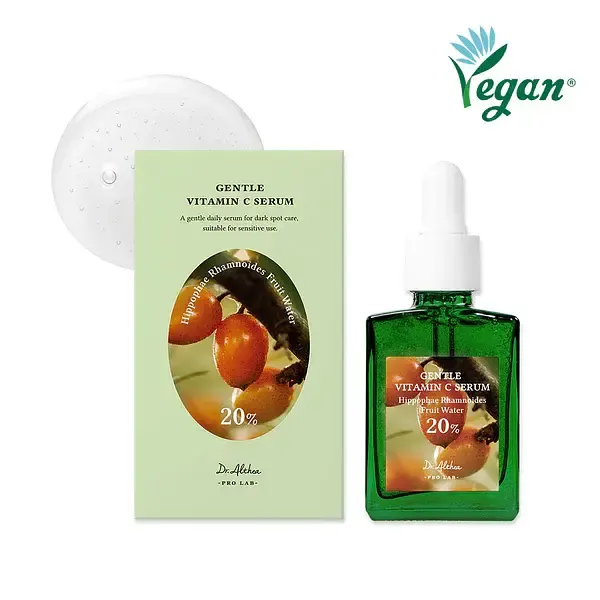
Dr. Althea Gentle Vitamin C Serum
No known risks99/100

Makeup Removers
No higher-risk flags in the assessed ingredients. This is a screening result, not a guarantee of pregnancy safety.
14 of 14 ingredients rated
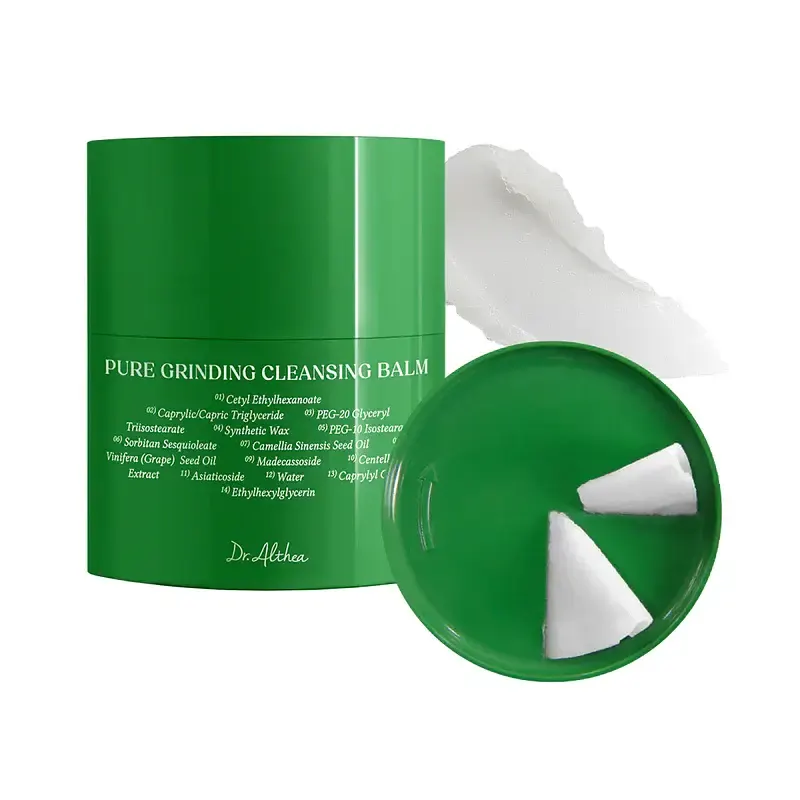
MamaSkin rates the recorded formula for Dr. Althea Pure Grinding Cleansing Balm as No known risks (99/100). This screening result is not a guarantee of safety for every pregnancy.
No higher-risk ingredient flags are shown in the assessed entries. Ingredients without a matched rating are marked Not assessed, not No known risks.
14 of 14 ingredient entries on this page have a recorded score, evidence summary and source text. That describes documentation coverage, not proof that the finished formula has been clinically tested during pregnancy.
How we assess productsThe recorded formula, with evidence behind each rating. Unmatched ingredients are marked Not assessed in grey.
Lightweight emollient ester used to improve slip and skin feel. Reviewed cosmetic ingredient references do not identify a pregnancy- or breastfeeding-specific concern for normal topical cosmetic use.
Sources: CIR cosmetic ingredient safety references for alkyl esters/emollient esters; EU CosIng / cosmetics regulatory inventory
Common emollient derived from fatty acids and glycerin. Used to soften skin and improve texture without pregnancy-specific concerns.
Sources: Cosmetic Ingredient Review (US); Scientific Committee on Consumer Safety (EU)
An ethoxylated glyceride used as an emulsifier, cleanser or solubiliser. Cosmetic safety reviewers concluded that related PEGylated glycerides are safe in current practices when formulated to be non-irritating. Manufacturing should control residual ethylene oxide and 1,4-dioxane.
Sources: CIR: Safety Assessment of PEGylated Alkyl Glycerides as Used in Cosmetics, IJT 39(Suppl. 2), 2020; CIR December 2025 Quick Reference Table https://cir-safety.org/sites/default/files/QRT-Update-Dec2025.pdf
Inert wax/structuring ingredient used to add body, stability and texture to cosmetics. Normal topical use is expected to have low systemic exposure, with no pregnancy- or breastfeeding-specific concern identified in reviewed cosmetic references.
Sources: CIR cosmetic ingredient safety references for waxes/structuring agents; EU CosIng / cosmetics regulatory inventory
peg-10 isostearate is a cosmetic surfactant, emulsifier or conditioning agent. Relevant CIR family assessments support use when formulated to minimise local irritation and with appropriate impurity controls. No pregnancy-specific concern was identified for normal topical or rinse-off exposure.
Sources: CIR Safety Assessment of Alkyl PEG/PPG Ethers as Used in Cosmetics https://cir-safety.org/supplementaldoc/safety-assessment-alkyl-peg/ppg-ethers-used-cosmetics; European Commission CosIng ingredient inventory.
A sorbitan fatty-acid ester used as an emulsifier and surfactant. Cosmetic safety reviewers concluded that sorbitan esters are safe in current cosmetic practices of use. Sorbitan sesquioleate can occasionally cause contact allergy and has produced reactions in a small proportion of people investigated for dermatitis, so this classification does not mean that sensitive skin cannot react. No pregnancy-specific concern was identified for normal topical cosmetic exposure.
Sources: CIR: Final Report on the Safety Assessment of Sorbitan Fatty Acid Esters https://cir-reports.cir-safety.org/view-attachment?id=76b03823-8e74-ec11-8943-0022482f06a6
A plant-derived oil or hydrogenated wax used mainly as an emollient and skin-conditioning ingredient. Cosmetic safety reviewers concluded that these named sea buckthorn, tea seed, jojoba and grape seed ingredients are safe in current practices of use and concentration. Plant allergy remains possible.
Sources: CIR: Hippophae Rhamnoides Oil, Camellia Sinensis Seed Oil, Hydrogenated Jojoba Oil and Vitis Vinifera (Grape) Seed Oil conclusions; December 2025 Quick Reference Table https://cir-safety.org/sites/default/files/QRT-Update-Dec2025.pdf
Grape seed-derived emollient oil used for skin conditioning. Normal topical cosmetic use has no known pregnancy- or breastfeeding-specific concern identified in reviewed cosmetic references.
Sources: CIR: Safety Assessment of Plant-Derived Fatty Acid Oils as Used in Cosmetics; EU CosIng / cosmetics regulatory inventory
A triterpene glycoside associated with Centella asiatica and used in soothing and skin-conditioning formulas. Pregnancy-specific evidence for isolated topical madecassoside is limited. Cosmetic safety reviewers considered Centella-derived ingredients acceptable at current cosmetic exposure but noted that madecassoside and related triterpenes may contribute to sensitisation, so products should be formulated to avoid sensitising concentrations. No pregnancy-specific topical contraindication was identified in the reviewed material.
Sources: CIR: Safety Assessment of Centella asiatica-Derived Ingredients as Used in Cosmetics https://cir-safety.org/supplementaldoc/safety-assessment-centella-asiatica-derived-ingredients-used-cosmetics-1
Botanical skin-conditioning ingredient used in soothing and barrier-support formulas. Reviewed cosmetic safety sources support current cosmetic use when formulated to be non-sensitising, with no pregnancy- or breastfeeding-specific topical concern identified in the material reviewed.
Sources: CIR: Safety Assessment of Centella asiatica-derived Ingredients as Used in Cosmetics; EU CosIng / cosmetics regulatory inventory
A triterpene glycoside associated with Centella asiatica and used in soothing and skin-conditioning formulas. Pregnancy-specific evidence for isolated topical asiaticoside is limited. Cosmetic safety reviewers considered Centella-derived ingredients acceptable at current cosmetic exposure but noted that asiaticoside and related triterpenes may contribute to sensitisation. No pregnancy-specific topical contraindication was identified in the reviewed material.
Sources: CIR: Safety Assessment of Centella asiatica-Derived Ingredients as Used in Cosmetics https://cir-safety.org/supplementaldoc/safety-assessment-centella-asiatica-derived-ingredients-used-cosmetics-1
Water (Aqua) is the standard purified water used as a cosmetic solvent. It has no pregnancy-specific risk in normal topical use.
Sources: https://pubchem.ncbi.nlm.nih.gov/compound/Water, https://single-market-economy.ec.europa.eu/sectors/cosmetics/cosmetic-ingredient-database/cosing-glossary-ingredients_en
Humectant and preservative booster used to support product stability. Low systemic exposure expected from topical cosmetic use.
Sources: Scientific Committee on Consumer Safety (EU); Cosmetic Ingredient Review (US)
Preservative booster and skin-conditioning agent. Considered safe for cosmetic use with low systemic exposure when used as intended.
Sources: Scientific Committee on Consumer Safety (EU); Cosmetic Ingredient Review (US)
Cetyl Ethylhexanoate, Caprylic/Capric Triglyceride, PEG-20 Glyceryl Triisostearate, Synthetic Wax, PEG-10 Isostearate, Sorbitan Sesquioleate, Camellia Sinensis Seed Oil, Vitis Vinifera Seed Oil, Madecassoside, Centella Asiatica Extract, Asiaticoside, Water, Caprylyl Glycol, Ethylhexylglycerin
Ingredient ratings refreshed 1 October 2026. Formulas vary by market and can change. Always compare with your packaging.
No higher-risk ingredient flags are shown in the assessed entries. Ingredients without a matched rating are marked Not assessed, not No known risks. The product score is a stored assessment, not a clinical safety guarantee.
No. This recorded formula contains Panthenol or Madecassoside, but a barrier-care claim does not establish the assessment of all its other ingredients. Read the individual ingredient evidence and any manual-review explanation, and compare the recorded list with your packaging.
14 of 14 ingredient entries on this page have a recorded score, evidence summary and source text. That describes documentation coverage, not proof that the finished formula has been clinically tested during pregnancy.
Only if the ingredient list on your packaging matches the recorded formula shown here. Formulas can differ by market and change over time. Compare the full list, not just the product name; report a mismatch if it differs.
No. This page presents a pregnancy-focused product assessment. Do not infer a breastfeeding conclusion from its score or label; breastfeeding requires a separate assessment of the formula and how it is used.