Dr. Althea
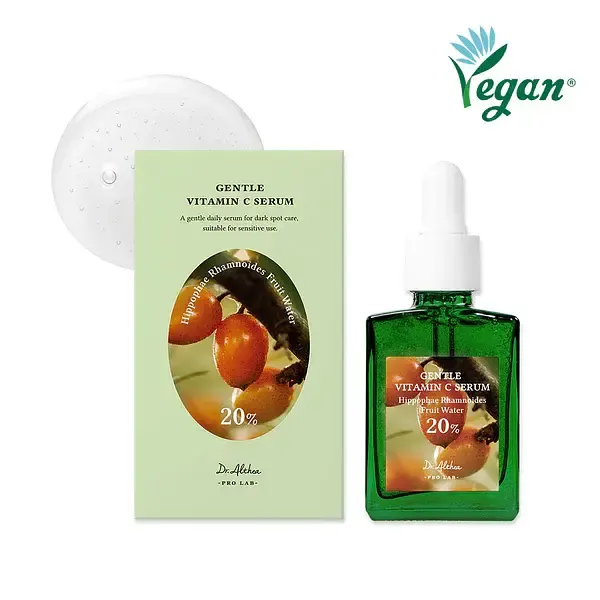
Dr. Althea Gentle Vitamin C Serum
No known risks99/100

Face Serums
Some ingredients carry a low-risk flag. Read the formulation context before deciding.
50 of 50 ingredients rated
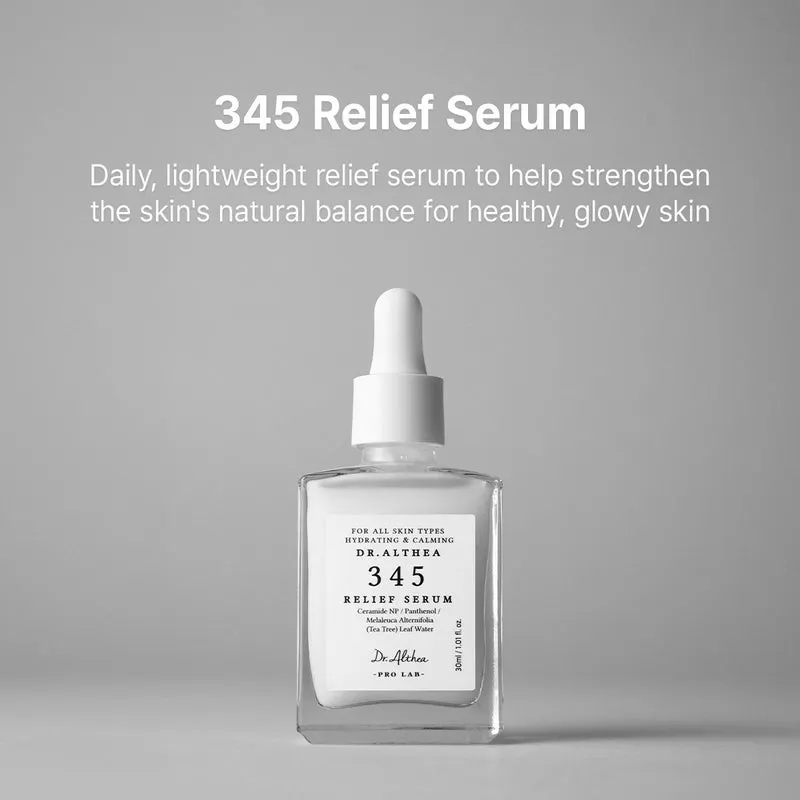
MamaSkin rates the recorded formula for Dr. Althea 345 Relief Serum as Low risk (89/100). Review the ingredient context and any manual-review explanation before deciding.
Contains PDRN/Sodium DNA or a related DNA-derived cosmetic ingredient. Topical PDRN is not currently treated as a known pregnancy-restricted ingredient, but pregnancy-specific data is limited, so MamaSkin scores it conservatively as low risk. This applies to topical cosmetic use only and does not apply to injectable or in-clinic PDRN/polynucleotide treatments.
50 of 50 ingredient entries on this page have a recorded score, evidence summary and source text. That describes documentation coverage, not proof that the finished formula has been clinically tested during pregnancy.
How we assess productsThe recorded formula, with evidence behind each rating. Unmatched ingredients are marked Not assessed in grey.
DNA-derived cosmetic ingredient/label term used in topical PDRN or polynucleotide-style skincare. Topical cosmetic use is not currently treated as a known pregnancy-restricted concern, but pregnancy-specific clinical data remain limited. MamaSkin scores this conservatively as low risk to reflect the evidence gap. This assessment applies to topical cosmetic products only and does not apply to injectable or in-clinic PDRN/polynucleotide treatments. Always review co-ingredients such as retinoids, hydroquinone, high-strength acids or other pregnancy-restricted actives separately.
Sources: Shin et al. 2025: Polynucleotide and PDRN dermatology review https://pubmed.ncbi.nlm.nih.gov/40871045/
Resveratrol is a polyphenolic antioxidant used in topical skincare. A high-dose dietary study in pregnant nonhuman primates reported an unexplained alteration in fetal pancreatic development and cautioned against resveratrol supplementation during pregnancy. Topical delivery studies indicate substantially lower and largely skin-localised exposure. MamaSkin therefore applies a precautionary Low Risk classification rather than treating topical cosmetic use like oral supplementation.
Sources: PubMed: Beneficial and cautionary outcomes of resveratrol supplementation in pregnant nonhuman primates https://pubmed.ncbi.nlm.nih.gov/24563374/; PubMed: Topical delivery and skin disposition of resveratrol https://pubmed.ncbi.nlm.nih.gov/28389713/; LactMed: Resveratrol https://www.ncbi.nlm.nih.gov/books/NBK501879/.
Water (Aqua) is the standard purified water used as a cosmetic solvent. It has no pregnancy-specific risk in normal topical use.
Sources: https://pubchem.ncbi.nlm.nih.gov/compound/Water, https://single-market-economy.ec.europa.eu/sectors/cosmetics/cosmetic-ingredient-database/cosing-glossary-ingredients_en
A botanical extract, juice or water used primarily for skin conditioning, moisturising, soothing or antioxidant support. Direct pregnancy studies of the named cosmetic material were not identified. No reproductive or developmental hazard was identified for normal topical exposure to a compliant finished cosmetic; oral herbal or medicinal use is outside this classification.
Sources: European Commission CosIng ingredient inventory; Cosmetic Ingredient Review botanical safety-assessment framework and relevant plant-family assessments. No ingredient-specific human pregnancy study of normal topical cosmetic use was identified.
Solvent and humectant used to improve texture and ingredient solubility. Low systemic exposure expected from topical cosmetic use.
Sources: Cosmetic Ingredient Review (US); Scientific Committee on Consumer Safety (EU)
Tea-tree leaf water is an aqueous distillate, not plain water or concentrated essential oil. CIR supports its reported cosmetic uses in non-sensitising formulations. No pregnancy-specific harm has been identified from ordinary finished topical cosmetics; direct pregnancy studies are limited. This rating does not clear oral use or an essential-oil concentrate.
Sources: https://pubmed.ncbi.nlm.nih.gov/42389853/; https://cir-reports.cir-safety.org/view-attachment/?id=e1f5b6e9-8c74-ec11-8943-0022482f06a6
Dipropylene glycol is used as a solvent and carrier in cosmetics; topical exposure is low and it has no known pregnancy or breastfeeding concerns at cosmetic concentrations.
Sources: CIR; EU/UK Cosmetics Regulation
Solvent and humectant commonly used in leave-on products. Not associated with pregnancy-specific concerns at cosmetic exposure levels.
Sources: Cosmetic Ingredient Review (US); Scientific Committee on Consumer Safety (EU)
Glycerin is a widely used humectant that supports hydration and the skin barrier, with a long safety record and no known pregnancy or breastfeeding concerns in topical cosmetic use.
Sources: CIR; EU/UK Cosmetics Regulation
Niacinamide (vitamin B3) is widely used for barrier support and tone/texture benefits, and is generally considered safe in pregnancy and breastfeeding when used topically at cosmetic concentrations.
Sources: CIR; EU/UK Cosmetics Regulation
Panthenol (pro-vitamin B5) is used for soothing and barrier support and is generally well tolerated, with no known pregnancy or breastfeeding concerns in topical cosmetic use.
Sources: CIR; EU/UK Cosmetics Regulation
1,2-Hexanediol is commonly used as a solvent and preservative booster; topical exposure is low and it has no known pregnancy or breastfeeding concerns at cosmetic concentrations, though very sensitive skin may occasionally react.
Sources: CIR; EU/UK Cosmetics Regulation
Common emollient derived from fatty acids and glycerin. Used to soften skin and improve texture without pregnancy-specific concerns.
Sources: Cosmetic Ingredient Review (US); Scientific Committee on Consumer Safety (EU)
Synthetic hydrocarbon emollient used to improve slip, cushion and moisture feel. Reviewed cosmetic ingredient references do not identify a pregnancy- or breastfeeding-specific concern for normal topical use.
Sources: CIR cosmetic ingredient safety references for polydecenes/hydrocarbon emollients; EU CosIng / cosmetics regulatory inventory
A long-chain fatty alcohol or fatty-alcohol blend used as an emollient, emulsifier or thickener. Cosmetic safety assessments of long-chain fatty alcohols support use in current cosmetic practices; systemic absorption and reproductive exposure from normal topical use are expected to be low.
Sources: CIR: Safety Assessment of Fatty Alcohols as Used in Cosmetics; CIR December 2025 Quick Reference Table https://cir-safety.org/sites/default/files/QRT-Update-Dec2025.pdf
Hydroxyacetophenone is used as an antioxidant and preservative-support ingredient; it is generally considered low concern in topical cosmetic use with no known pregnancy or breastfeeding risks at typical concentrations.
Sources: CIR; EU/UK Cosmetics Regulation
Polymer thickener and stabiliser used in creams and sunscreens. Low systemic exposure expected.
Sources: Cosmetic Ingredient Review (US); Scientific Committee on Consumer Safety (EU)
A sugar-derived surfactant and emulsifier. Cosmetic safety reviewers concluded that alkyl glucosides, including C12-20 alkyl glucoside, are safe in current practices when formulated to be non-irritating.
Sources: CIR: Alkyl Glucosides conclusion, IJT 32(Suppl. 3), 2013; December 2025 Quick Reference Table https://cir-safety.org/sites/default/files/QRT-Update-Dec2025.pdf
pH adjuster and buffer used to stabilise formulations. Reviewed cosmetic safety sources support normal topical use, with no pregnancy- or breastfeeding-specific topical signal identified in the material reviewed.
Sources: CIR: Safety Assessment of Tromethamine as Used in Cosmetics; EU CosIng / cosmetics regulatory inventory
Emollient, co-emulsifier and preservative-support ingredient used in topical cosmetics. Reviewed cosmetic ingredient references do not identify a pregnancy- or breastfeeding-specific concern for normal topical use.
Sources: CIR: Safety Assessment of Monoglyceryl Monoesters as Used in Cosmetics; EU CosIng / cosmetics regulatory inventory
Preservative booster and skin-conditioning agent. Considered safe for cosmetic use with low systemic exposure when used as intended.
Sources: Scientific Committee on Consumer Safety (EU); Cosmetic Ingredient Review (US)
Natural polysaccharide thickener used for stability and texture. Not associated with pregnancy-specific concerns.
Sources: European cosmetics regulatory framework
Humectant and preservative booster. Considered safe for cosmetic use with low systemic exposure.
Sources: Cosmetic Ingredient Review (US); Scientific Committee on Consumer Safety (EU)
Disodium EDTA is a chelating agent used to improve formula stability and performance; it is considered low concern in topical cosmetic use, with no known pregnancy or breastfeeding risks at typical concentrations.
Sources: CIR; EU/UK Cosmetics Regulation
Humectant and preservative booster used to support product stability. Low systemic exposure expected from topical cosmetic use.
Sources: Scientific Committee on Consumer Safety (EU); Cosmetic Ingredient Review (US)
A water derived from green tea leaves and used for skin conditioning. Cosmetic safety reviewers concluded that Camellia sinensis leaf water is safe in current practices when formulated to be non-sensitising.
Sources: CIR: Camellia Sinensis Leaf Water conclusion, IJT 38(Suppl. 3), 2019; December 2025 Quick Reference Table https://cir-safety.org/sites/default/files/QRT-Update-Dec2025.pdf
Humectant and skin-conditioning ingredient in the hyaluronate family. Reviewed cosmetic safety sources support current cosmetic use, with no pregnancy- or breastfeeding-specific topical concern identified in the material reviewed.
Sources: CIR: Safety Assessment of Hyaluronates as Used in Cosmetics; EU CosIng / cosmetics regulatory inventory
High-water-binding humectant used to support hydration at the skin surface. Reviewed cosmetic safety sources support normal topical use, with no pregnancy- or breastfeeding-specific topical signal identified in the material reviewed.
Sources: CIR: Safety Assessment of Hyaluronates as Used in Cosmetics; EU CosIng / cosmetics regulatory inventory
Sodium hyaluronate (hyaluronic acid salt) is used for hydration and cushioning, with very low systemic absorption from topical use and no known pregnancy or breastfeeding concerns at cosmetic concentrations.
Sources: CIR; EU/UK Cosmetics Regulation
poloxamer 407 is a cosmetic surfactant, emulsifier or conditioning agent. Relevant CIR family assessments support use when formulated to be non-irritating and with appropriate impurity controls. Local skin or eye irritation is possible, but no pregnancy-specific concern was identified for normal topical or rinse-off use.
Sources: CIR Safety Assessment of Alkyl PEG/PPG Ethers as Used in Cosmetics https://cir-safety.org/supplementaldoc/safety-assessment-alkyl-peg/ppg-ethers-used-cosmetics; CIR ingredient-family conclusions.
Crosslinked hyaluronate humectant used to support hydration at the skin surface. Reviewed cosmetic safety sources support normal topical use, with no pregnancy- or breastfeeding-specific topical signal identified.
Sources: CIR: Safety Assessment of Hyaluronates as Used in Cosmetics; EU CosIng / cosmetics regulatory inventory
Hydrogenated emulsifier used to support skin barrier feel. Not associated with pregnancy-specific concerns.
Sources: Cosmetic Ingredient Review (US)
A triterpene glycoside associated with Centella asiatica and used in soothing and skin-conditioning formulas. Pregnancy-specific evidence for isolated topical madecassoside is limited. Cosmetic safety reviewers considered Centella-derived ingredients acceptable at current cosmetic exposure but noted that madecassoside and related triterpenes may contribute to sensitisation, so products should be formulated to avoid sensitising concentrations. No pregnancy-specific topical contraindication was identified in the reviewed material.
Sources: CIR: Safety Assessment of Centella asiatica-Derived Ingredients as Used in Cosmetics https://cir-safety.org/supplementaldoc/safety-assessment-centella-asiatica-derived-ingredients-used-cosmetics-1
Vitamin B5 used as a skin- or hair-conditioning ingredient. Cosmetic safety reviewers concluded that pantothenic acid is safe in current practices of use and concentration.
Sources: CIR: Pantothenic Acid and pantothenates conclusion, IJT 41(Suppl. 3), 2022; December 2025 Quick Reference Table https://cir-safety.org/sites/default/files/QRT-Update-Dec2025.pdf
A high-molecular-weight glutamic-acid polymer used as a humectant and film former. Absorption of the intact polymer through skin is expected to be limited, and no pregnancy-specific concern was identified for normal topical cosmetic use. This is distinct from medicinal injectable or drug-delivery forms.
Sources: Peer-reviewed literature on poly-gamma-glutamic acid biomaterials and topical hydration; European Commission CosIng ingredient inventory.
Mild nonionic surfactant used in cleansers and emulsions. Reviewed cosmetic ingredient references support normal topical rinse-off and leave-on use, with no pregnancy- or breastfeeding-specific concern identified; sensitive skin may still react to surfactants.
Sources: CIR: Safety Assessment of Alkyl Glucosides as Used in Cosmetics; EU CosIng / cosmetics regulatory inventory
A triterpene glycoside associated with Centella asiatica and used in soothing and skin-conditioning formulas. Pregnancy-specific evidence for isolated topical asiaticoside is limited. Cosmetic safety reviewers considered Centella-derived ingredients acceptable at current cosmetic exposure but noted that asiaticoside and related triterpenes may contribute to sensitisation. No pregnancy-specific topical contraindication was identified in the reviewed material.
Sources: CIR: Safety Assessment of Centella asiatica-Derived Ingredients as Used in Cosmetics https://cir-safety.org/supplementaldoc/safety-assessment-centella-asiatica-derived-ingredients-used-cosmetics-1
Film-forming polysaccharide used for soothing and hydration support. Reviewed cosmetic safety sources support normal topical use, with no pregnancy- or breastfeeding-specific topical signal identified in the material reviewed.
Sources: CIR: Safety Assessment of Microbial Polysaccharide Gums as Used in Cosmetics; EU CosIng / cosmetics regulatory inventory
A triterpene associated with Centella asiatica and used in skin-conditioning formulas. Pregnancy-specific evidence for isolated topical asiatic acid is limited. Cosmetic safety reviewers considered Centella-derived ingredients acceptable at current cosmetic exposure but identified asiatic acid and related constituents as potential contributors to sensitisation. No pregnancy-specific topical contraindication was identified in the reviewed material.
Sources: CIR: Safety Assessment of Centella asiatica-Derived Ingredients as Used in Cosmetics https://cir-safety.org/supplementaldoc/safety-assessment-centella-asiatica-derived-ingredients-used-cosmetics-1
A triterpene associated with Centella asiatica and used in soothing and skin-conditioning formulas. Pregnancy-specific evidence for isolated topical madecassic acid is limited. Evidence for the related Centella ingredient family supports current cosmetic exposure when products are formulated to avoid sensitisation; no pregnancy-specific topical contraindication was identified in the reviewed material.
Sources: CIR: Safety Assessment of Centella asiatica-Derived Ingredients as Used in Cosmetics https://cir-safety.org/supplementaldoc/safety-assessment-centella-asiatica-derived-ingredients-used-cosmetics-1
Chelating agent used to improve formula stability. Used at low levels and not associated with pregnancy-specific concerns.
Sources: European cosmetics regulatory framework
Skin-identical barrier lipid used to support the stratum corneum and reduce dryness. Reviewed cosmetic safety sources support normal topical use, with no pregnancy- or breastfeeding-specific topical signal identified in the material reviewed.
Sources: CIR: Safety Assessment of Ceramides as Used in Cosmetics; EU CosIng / cosmetics regulatory inventory
aluminum/magnesium hydroxide stearate is a cosmetic formulation, mineral, sugar-derived or organic-acid ingredient. Available identity, use and related safety evidence did not identify a pregnancy-specific concern for normal topical cosmetic exposure. Cosmetic-grade purity and ordinary irritation precautions remain applicable.
Sources: CIR ingredient and related-family assessments; European Commission CosIng; ECHA substance information where applicable
Botanical skin-conditioning ingredient used in soothing and barrier-support formulas. Reviewed cosmetic safety sources support current cosmetic use when formulated to be non-sensitising, with no pregnancy- or breastfeeding-specific topical concern identified in the material reviewed.
Sources: CIR: Safety Assessment of Centella asiatica-derived Ingredients as Used in Cosmetics; EU CosIng / cosmetics regulatory inventory
Skin-conditioning lipid used in barrier-support formulas, often alongside ceramides and fatty acids. Normal topical cosmetic use has no known pregnancy- or breastfeeding-specific concern identified in reviewed cosmetic references.
Sources: CIR cosmetic ingredient safety references for cholesterol and related sterols; EU CosIng / cosmetics regulatory inventory
A phospholipid or phospholipid derivative used for skin conditioning and delivery systems. Cosmetic safety reviewers concluded that the assessed phospholipids, including phosphatidylcholine and lysolecithin, are safe in current practices.
Sources: CIR: Phospholipids conclusion, IJT 39(Suppl. 2), 2020; December 2025 Quick Reference Table https://cir-safety.org/sites/default/files/QRT-Update-Dec2025.pdf
A phospholipid or phospholipid derivative used for skin conditioning and delivery systems. Cosmetic safety reviewers concluded that the assessed phospholipids, including phosphatidylcholine and lysolecithin, are safe in current practices.
Sources: CIR: Phospholipids conclusion, IJT 39(Suppl. 2), 2020; December 2025 Quick Reference Table https://cir-safety.org/sites/default/files/QRT-Update-Dec2025.pdf
xylose is a cosmetic formulation or conditioning ingredient. Available identity, use and related safety evidence did not identify a pregnancy-specific concern for normal topical cosmetic exposure. This classification does not remove ordinary irritation or sensitivity precautions.
Sources: CIR ingredient and related-family assessments; European Commission CosIng; ECHA substance information where applicable
A plant-derived carbohydrate polymer or modified starch used to thicken, stabilise or condition a formula. Cosmetic safety reviewers concluded that the supported plant polysaccharide gums and derivatives are safe in current practices of use and concentration. Loose powders should still be used without deliberately inhaling airborne particles.
Sources: CIR: Safety Assessment of Plant Polysaccharide Gums as Used in Cosmetics https://www.cir-safety.org/panelbook/safety-assessment-plant-polysaccharide-gums-used-cosmetics
For ordinary, correctly formulated topical cosmetic use, no pregnancy-specific harm has been identified for tannic acid. Astringent polyphenol with low intact-skin penetration; avoid medicinal application to damaged or extensive skin. Direct pregnancy studies of this exact material are limited; this assessment does not cover ingestion, medicinal-strength use, damaged skin, or aerosol exposure.
Sources: https://www.epa.gov/sites/production/files/2015-04/documents/tannin.pdf
Aqua (Water), Betula Platyphylla Japonica Juice, Propanediol, Melaleuca Alternifolia (Tea Tree) Leaf Water, Dipropylene Glycol, Butylene Glycol, Glycerin, Niacinamide, Panthenol, 1,2-Hexanediol, Caprylic/Capric Triglyceride, Hydrogenated Polydecene, C14-22 Alcohols, Hydroxyacetophenone, Acrylates/C10-30 Alkyl Acrylate Crosspolymer, C12-20 Alkyl Glucoside, Tromethamine, Glyceryl Caprylate, Ethylhexylglycerin, Xanthan Gum, Pentylene Glycol, Disodium EDTA, Caprylyl Glycol, Camellia Sinensis Leaf Water, Hydrolyzed Hyaluronic Acid, Hyaluronic Acid, Sodium Hyaluronate, Poloxamer 407, Sodium Hyaluronate Crosspolymer, Hydrogenated Lecithin, Madecassoside, Pantothenic Acid, Polyglutamic Acid, Decyl Glucoside, Asiaticoside, Beta-Glucan, Asiatic Acid, Madecassic Acid, Sodium Phytate, Sodium DNA, Ceramide NP, Aluminum/Magnesium Hydroxide Stearate, Centella Asiatica Extract, Cholesterol, Lysolecithin, Phosphatidylcholine, Xylose, Hydroxypropyl Cyclodextrin, Tannic Acid, Resveratrol
Ingredient ratings refreshed 13 October 2026. Formulas vary by market and can change. Always compare with your packaging.
Contains PDRN/Sodium DNA or a related DNA-derived cosmetic ingredient. Topical PDRN is not currently treated as a known pregnancy-restricted ingredient, but pregnancy-specific data is limited, so MamaSkin scores it conservatively as low risk. This applies to topical cosmetic use only and does not apply to injectable or in-clinic PDRN/polynucleotide treatments. The product score is a stored assessment, not a clinical safety guarantee.
No. The recorded ingredient list includes a DNA ingredient used in a topical cosmetic. This page assesses that recorded cosmetic formula, not injections, a clinic procedure or every product sold as PDRN. Check the individual ingredient entry below for its available rating and evidence.
50 of 50 ingredient entries on this page have a recorded score, evidence summary and source text. That describes documentation coverage, not proof that the finished formula has been clinically tested during pregnancy.
Only if the ingredient list on your packaging matches the recorded formula shown here. Formulas can differ by market and change over time. Compare the full list, not just the product name; report a mismatch if it differs.
No. This page presents a pregnancy-focused product assessment. Do not infer a breastfeeding conclusion from its score or label; breastfeeding requires a separate assessment of the formula and how it is used.