Dr. Althea
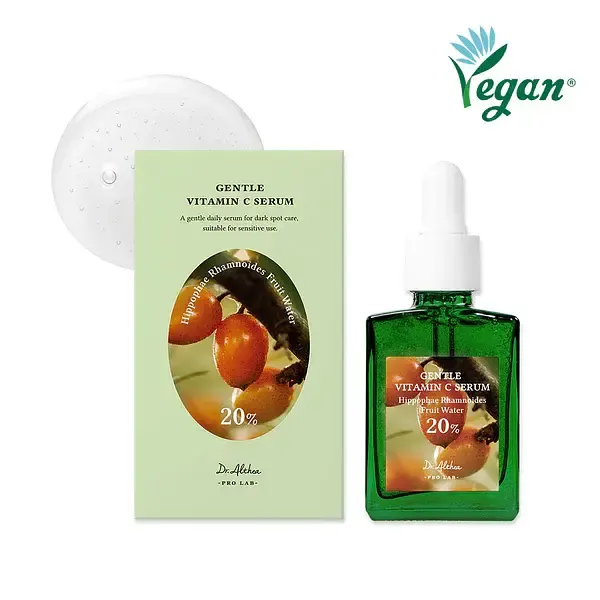
Dr. Althea Gentle Vitamin C Serum
No known risks99/100

Face Cleansers
No higher-risk flags in the assessed ingredients. This is a screening result, not a guarantee of pregnancy safety.
40 of 41 ingredients rated1 not assessed
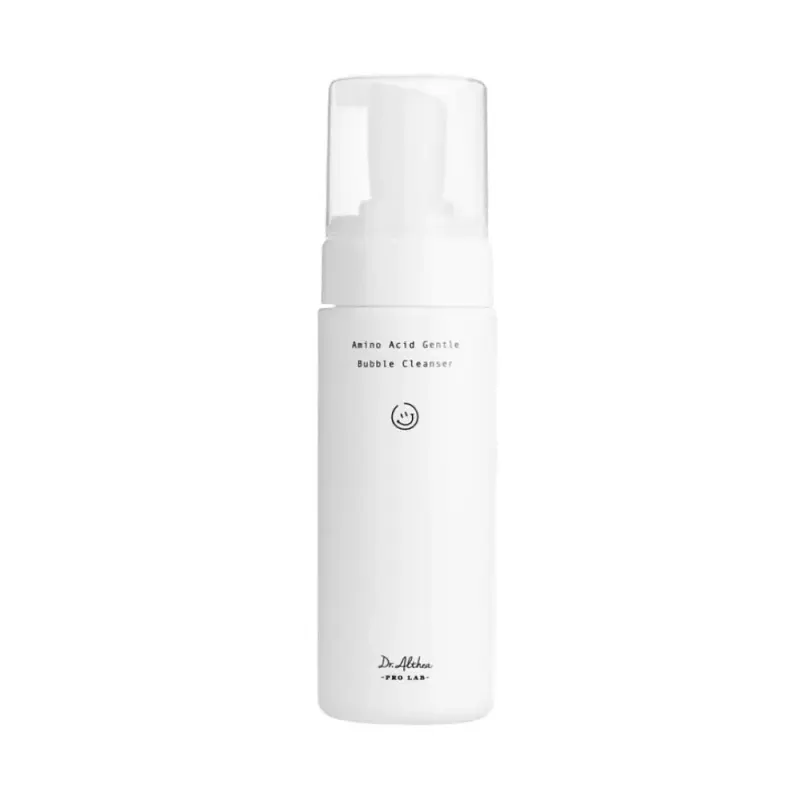
MamaSkin rates the recorded formula for Dr. Althea Amino Acid Gentle Bubble Cleanser as No known risks (99/100). This screening result is not a guarantee of safety for every pregnancy.
No higher-risk ingredient flags are shown in the assessed entries. Ingredients without a matched rating are marked Not assessed, not No known risks.
40 of 41 ingredient entries on this page have a recorded score, evidence summary and source text. 1 entry does not have all of those fields. Unmatched or unrated entries are marked Not assessed in grey; missing evidence does not establish safety.
How we assess productsThe recorded formula, with evidence behind each rating. Unmatched ingredients are marked Not assessed in grey.
No matched ingredient rating is available yet. Not assessed does not mean safe or unsafe.
Water (Aqua) is the standard purified water used as a cosmetic solvent. It has no pregnancy-specific risk in normal topical use.
Sources: https://pubchem.ncbi.nlm.nih.gov/compound/Water, https://single-market-economy.ec.europa.eu/sectors/cosmetics/cosmetic-ingredient-database/cosing-glossary-ingredients_en
This glucose-derived nonionic surfactant or emulsifier is used in cleansers and emulsions. The Cosmetic Ingredient Review concluded that alkyl glucosides are safe in current cosmetic use when formulated to be non-irritating; sensitive skin can still react to surfactants.
Sources: CIR: Safety Assessment of Decyl Glucoside and Other Alkyl Glucosides as Used in Cosmetics https://cir-reports.cir-safety.org/view-attachment/?id=9810a771-8e74-ec11-8943-0022482f06a6
Glycerin is a widely used humectant that supports hydration and the skin barrier, with a long safety record and no known pregnancy or breastfeeding concerns in topical cosmetic use.
Sources: CIR; EU/UK Cosmetics Regulation
A mild amphoteric cleansing surfactant. Cosmetic safety reviewers concluded that disodium cocoamphodiacetate is safe as used; the original conclusion was reaffirmed on re-review, while the current group reassessment proposes non-sensitising formulation controls. Impurities may contribute to occasional irritation or allergy.
Sources: CIR: Final Report on Cocoamphoacetate and Related Ingredients, J Am Coll Toxicol 9(2):121-142, 1990; current CIR reassessment and original-report history https://cir-reports.cir-safety.org/view-attachment?id=650ade8c-833f-a428-bb22-fa7740c7229b
Solvent and humectant commonly used in leave-on products. Not associated with pregnancy-specific concerns at cosmetic exposure levels.
Sources: Cosmetic Ingredient Review (US); Scientific Committee on Consumer Safety (EU)
1,2-Hexanediol is commonly used as a solvent and preservative booster; topical exposure is low and it has no known pregnancy or breastfeeding concerns at cosmetic concentrations, though very sensitive skin may occasionally react.
Sources: CIR; EU/UK Cosmetics Regulation
sodium cocoyl apple amino acids is used as a cosmetic surfactant, emulsifier or conditioning agent. Relevant cosmetic-safety assessments support use when formulated to be non-irritating and with appropriate impurity controls. Local skin or eye irritation is possible at higher concentrations, but no pregnancy-specific concern was identified for normal topical or rinse-off use.
Sources: CIR safety assessments of alkyl PEG ethers, N-acyl taurates, fatty amidopropyl amines and related cosmetic surfactants https://www.cir-safety.org/sites/default/files/taurat122015FR.pdf; CIR Quick Reference Table https://cir-safety.org/sites/default/files/QRT-Update-Dec2025.pdf
Sodium chloride is used to adjust viscosity and texture in formulations; topical cosmetic use is considered low concern with no known pregnancy or breastfeeding risks.
Sources: CIR; EU/UK Cosmetics Regulation
An amino-acid-derived surfactant or conditioning ingredient. Cosmetic safety reviewers concluded that amino acid alkyl amides are safe in current cosmetic practices when formulated to be non-irritating. Manufacturing and formulation should control nitrosamine formation where relevant.
Sources: CIR: Safety Assessment of Amino Acid Alkyl Amides as Used in Cosmetics https://www.cir-safety.org/supplementaldoc/safety-assessment-amino-acid-alkyl-amides-used-cosmetics-0
A mild amino-acid-derived cleansing surfactant. Cosmetic safety reviewers concluded that amino acid alkyl amides, including sodium cocoyl glutamate, are safe in current practices when formulated to be non-irritating. No pregnancy-specific concern was identified for normal use of a finished cosmetic.
Sources: CIR: Safety Assessment of Amino Acid Alkyl Amides as Used in Cosmetics https://www.cir-safety.org/sites/default/files/alkyl_amides_0.pdf
A fatty-acid salt used mainly as a soap, cleanser, emulsifier or formula structurant. Cosmetic safety reviewers concluded that sodium palmate and potassium cocoate are safe in current cosmetic practices, with non-irritating formulation conditions where specified.
Sources: CIR: Sodium Palmate conclusion, IJT 36(Suppl. 3), 2017; Potassium Cocoate conclusions, IJT 30(Suppl. 1), 2011 and IJT 34(Suppl. 2), 2015; December 2025 Quick Reference Table https://cir-safety.org/sites/default/files/QRT-Update-Dec2025.pdf
Solvent and humectant used to improve texture and ingredient solubility in topical cosmetics. Reviewed cosmetic ingredient references do not identify a pregnancy- or breastfeeding-specific concern for normal topical use.
Sources: CIR cosmetic ingredient safety references for alkane diols/glycols; EU CosIng / cosmetics regulatory inventory
Polyglycerin fatty-acid ester used as an emulsifier and solubilizer. Reviewed cosmetic safety references do not identify a pregnancy- or breastfeeding-specific concern for normal topical cosmetic use.
Sources: CIR cosmetic ingredient safety references for polyglyceryl fatty acid esters; EU CosIng / cosmetics regulatory inventory
Preservative booster and skin-conditioning agent. Considered safe for cosmetic use with low systemic exposure when used as intended.
Sources: Scientific Committee on Consumer Safety (EU); Cosmetic Ingredient Review (US)
Disodium EDTA is a chelating agent used to improve formula stability and performance; it is considered low concern in topical cosmetic use, with no known pregnancy or breastfeeding risks at typical concentrations.
Sources: CIR; EU/UK Cosmetics Regulation
Chelating agent used to bind trace metals and improve formula stability. CIR concluded it is safe as used in cosmetics; normal topical use is not associated with a pregnancy- or breastfeeding-specific topical signal in the material reviewed.
Sources: CIR: Safety Assessment of Tetrasodium Glutamate Diacetate and Beta-Alanine Diacetic Acid as Used in Cosmetics; EU CosIng / cosmetics regulatory inventory
Sodium hyaluronate (hyaluronic acid salt) is used for hydration and cushioning, with very low systemic absorption from topical use and no known pregnancy or breastfeeding concerns at cosmetic concentrations.
Sources: CIR; EU/UK Cosmetics Regulation
Amino acid used as a humectant and skin/hair-conditioning support ingredient. Reviewed cosmetic safety sources support normal topical use, with no pregnancy- or breastfeeding-specific topical signal identified.
Sources: CIR: Safety Assessment of alpha-Amino Acids as Used in Cosmetics; EU CosIng / cosmetics regulatory inventory
bambusa vulgaris water is a botanical-derived cosmetic conditioning ingredient. The reviewed identity is not an essential oil or an oral herbal preparation. Available cosmetic evidence and expected topical exposure did not identify a pregnancy-specific contraindication, although botanical irritation or allergy remains possible.
Sources: CIR ingredient-specific and botanical-family safety assessments; CIR Quick Reference Table https://cir-safety.org/sites/default/files/QRT-Update-Dec2025.pdf; European Commission CosIng
Amino acid used as a humectant and skin/hair-conditioning support ingredient. Reviewed cosmetic safety sources support normal topical use, with no pregnancy- or breastfeeding-specific topical signal identified.
Sources: CIR: Safety Assessment of alpha-Amino Acids as Used in Cosmetics; EU CosIng / cosmetics regulatory inventory
This naturally occurring alpha-amino acid is used for humectancy and skin or hair conditioning. The Cosmetic Ingredient Review found alpha-amino acids safe in current cosmetic use; the low concentrations and limited dermal uptake are not expected to create a pregnancy- or breastfeeding-specific concern.
Sources: CIR: Safety Assessment of alpha-Amino Acids as Used in Cosmetics https://www.cir-safety.org/supplementaldoc/safety-assessment-%CE%B1-amino-acids-used-cosmetics
This naturally occurring alpha-amino acid is used for humectancy and skin or hair conditioning. The Cosmetic Ingredient Review found alpha-amino acids safe in current cosmetic use; the low concentrations and limited dermal uptake are not expected to create a pregnancy- or breastfeeding-specific concern.
Sources: CIR: Safety Assessment of alpha-Amino Acids as Used in Cosmetics https://www.cir-safety.org/supplementaldoc/safety-assessment-%CE%B1-amino-acids-used-cosmetics
This naturally occurring alpha-amino acid is used for humectancy and skin or hair conditioning. The Cosmetic Ingredient Review found alpha-amino acids safe in current cosmetic use; the low concentrations and limited dermal uptake are not expected to create a pregnancy- or breastfeeding-specific concern.
Sources: CIR: Safety Assessment of alpha-Amino Acids as Used in Cosmetics https://www.cir-safety.org/supplementaldoc/safety-assessment-%CE%B1-amino-acids-used-cosmetics
Amino acid used as a humectant and skin/hair-conditioning support ingredient. Reviewed cosmetic safety sources support normal topical use, with no pregnancy- or breastfeeding-specific topical signal identified.
Sources: CIR: Safety Assessment of alpha-Amino Acids as Used in Cosmetics; EU CosIng / cosmetics regulatory inventory
This naturally occurring alpha-amino acid is used for humectancy and skin or hair conditioning. The Cosmetic Ingredient Review found alpha-amino acids safe in current cosmetic use; the low concentrations and limited dermal uptake are not expected to create a pregnancy- or breastfeeding-specific concern.
Sources: CIR: Safety Assessment of alpha-Amino Acids as Used in Cosmetics https://www.cir-safety.org/supplementaldoc/safety-assessment-%CE%B1-amino-acids-used-cosmetics
Amino acid used as a humectant, skin-conditioning agent, and pH-adjusting support ingredient. Reviewed cosmetic safety sources support normal topical use, with no pregnancy- or breastfeeding-specific topical signal identified in the material reviewed.
Sources: CIR: Safety Assessment of α-Amino Acids as Used in Cosmetics; EU CosIng / cosmetics regulatory inventory
This naturally occurring alpha-amino acid is used for humectancy and skin or hair conditioning. The Cosmetic Ingredient Review found alpha-amino acids safe in current cosmetic use; the low concentrations and limited dermal uptake are not expected to create a pregnancy- or breastfeeding-specific concern.
Sources: CIR: Safety Assessment of alpha-Amino Acids as Used in Cosmetics https://www.cir-safety.org/supplementaldoc/safety-assessment-%CE%B1-amino-acids-used-cosmetics
This naturally occurring alpha-amino acid is used for humectancy and skin or hair conditioning. The Cosmetic Ingredient Review found alpha-amino acids safe in current cosmetic use; the low concentrations and limited dermal uptake are not expected to create a pregnancy- or breastfeeding-specific concern.
Sources: CIR: Safety Assessment of alpha-Amino Acids as Used in Cosmetics https://www.cir-safety.org/supplementaldoc/safety-assessment-%CE%B1-amino-acids-used-cosmetics
Amino acid used as a humectant and skin/hair-conditioning support ingredient. Reviewed cosmetic safety sources support normal topical use, with no pregnancy- or breastfeeding-specific topical signal identified.
Sources: CIR: Safety Assessment of alpha-Amino Acids as Used in Cosmetics; EU CosIng / cosmetics regulatory inventory
Amino acid used as a humectant and skin/hair-conditioning support ingredient. Reviewed cosmetic safety sources support normal topical use, with no pregnancy- or breastfeeding-specific topical signal identified.
Sources: CIR: Safety Assessment of alpha-Amino Acids as Used in Cosmetics; EU CosIng / cosmetics regulatory inventory
This naturally occurring alpha-amino acid is used for humectancy and skin or hair conditioning. The Cosmetic Ingredient Review found alpha-amino acids safe in current cosmetic use; the low concentrations and limited dermal uptake are not expected to create a pregnancy- or breastfeeding-specific concern.
Sources: CIR: Safety Assessment of alpha-Amino Acids as Used in Cosmetics https://www.cir-safety.org/supplementaldoc/safety-assessment-%CE%B1-amino-acids-used-cosmetics
This naturally occurring alpha-amino acid is used for humectancy and skin or hair conditioning. The Cosmetic Ingredient Review found alpha-amino acids safe in current cosmetic use; the low concentrations and limited dermal uptake are not expected to create a pregnancy- or breastfeeding-specific concern.
Sources: CIR: Safety Assessment of alpha-Amino Acids as Used in Cosmetics https://www.cir-safety.org/supplementaldoc/safety-assessment-%CE%B1-amino-acids-used-cosmetics
Common emollient derived from fatty acids and glycerin. Used to soften skin and improve texture without pregnancy-specific concerns.
Sources: Cosmetic Ingredient Review (US); Scientific Committee on Consumer Safety (EU)
This naturally occurring alpha-amino acid is used for humectancy and skin or hair conditioning. The Cosmetic Ingredient Review found alpha-amino acids safe in current cosmetic use; the low concentrations and limited dermal uptake are not expected to create a pregnancy- or breastfeeding-specific concern.
Sources: CIR: Safety Assessment of alpha-Amino Acids as Used in Cosmetics https://www.cir-safety.org/supplementaldoc/safety-assessment-%CE%B1-amino-acids-used-cosmetics
An amino acid or amino-acid salt used for conditioning, buffering or hydration. Cosmetic safety reviewers concluded that the assessed animal- and plant-derived amino acids are safe in current practices of use and concentration. No pregnancy-specific concern was identified for normal topical exposure.
Sources: CIR: Safety Assessment of Animal- and Plant-Derived Amino Acids as Used in Cosmetics; December 2025 Quick Reference Table https://cir-safety.org/sites/default/files/QRT-Update-Dec2025.pdf
An amino acid or amino-acid salt used for conditioning, buffering or hydration. Cosmetic safety reviewers concluded that the assessed animal- and plant-derived amino acids are safe in current practices of use and concentration. No pregnancy-specific concern was identified for normal topical exposure.
Sources: CIR: Safety Assessment of Animal- and Plant-Derived Amino Acids as Used in Cosmetics; December 2025 Quick Reference Table https://cir-safety.org/sites/default/files/QRT-Update-Dec2025.pdf
A terpene alcohol used for skin conditioning and soothing. Cosmetic safety reviewers reaffirmed bisabolol as safe at current cosmetic concentrations, and reproductive and developmental testing did not identify adverse effects. Bisabolol can increase skin penetration, so formulators should consider the safety of other ingredients in the same product.
Sources: CIR: Final Report on the Safety Assessment of Bisabolol https://cir-reports.cir-safety.org/view-attachment/?id=6fcf160b-8e74-ec11-8943-0022482f06a6; CIR re-review material https://www.cir-safety.org/sites/default/files/bisabolol.pdf
Hydrogenated emulsifier used to support skin barrier feel. Not associated with pregnancy-specific concerns.
Sources: Cosmetic Ingredient Review (US)
Skin-identical barrier lipid used to support the stratum corneum and reduce dryness. Reviewed cosmetic safety sources support normal topical use, with no pregnancy- or breastfeeding-specific topical signal identified in the material reviewed.
Sources: CIR: Safety Assessment of Ceramides as Used in Cosmetics; EU CosIng / cosmetics regulatory inventory
An amino-acid-derived emollient and conditioning ingredient. Cosmetic safety reviewers concluded that the assessed amino acid alkyl amides are safe in current practices when formulated to be non-irritating.
Sources: CIR: Amino Acid Alkyl Amides final assessment, June 2023; December 2025 Quick Reference Table https://cir-safety.org/sites/default/files/QRT-Update-Dec2025.pdf
Water, Coco-Glucoside, Glycerin, Disodium Cocoamphodiacetate, Butylene Glycol, 1,2-Hexanediol, Sodium Cocoyl Apple Amino Acids, Sodium Chloride, Potassium Cocoyl Glycinate, Sodium Cocoyl Glutamate, Potassium Cocoate, Hexylene Glycol, Polyglyceryl-10 Laurate, Ethylhexylglycerin, Disodium EDTA, Tetrasodium Glutamate Diacetate, Sodium Hyaluronate, Perilla Ocymoides Seed Extract, Glycine, Bambusa Vulgaris Water, Serine, Glutamic Acid, Aspartic Acid, Leucine, Alanine, Lysine, Arginine, Tyrosine, Phenylalanine, Proline, Threonine, Valine, Isoleucine, Caprylic/Capric Triglyceride, Histidine, Cysteine, Methionine, Bisabolol, Hydrogenated Lecithin, Ceramide NP, Phytosteryl/Octyldodecyl Lauroyl Glutamate
Ingredient ratings refreshed 1 October 2026. Formulas vary by market and can change. Always compare with your packaging.
No higher-risk ingredient flags are shown in the assessed entries. Ingredients without a matched rating are marked Not assessed, not No known risks. Incomplete ingredient documentation does not establish safety; see the coverage answer and grey entries below.
40 of 41 ingredient entries on this page have a recorded score, evidence summary and source text. 1 entry does not have all of those fields. Unmatched or unrated entries are marked Not assessed in grey; missing evidence does not establish safety.
Only if the ingredient list on your packaging matches the recorded formula shown here. Formulas can differ by market and change over time. Compare the full list, not just the product name; report a mismatch if it differs.
No. This page presents a pregnancy-focused product assessment. Do not infer a breastfeeding conclusion from its score or label; breastfeeding requires a separate assessment of the formula and how it is used.