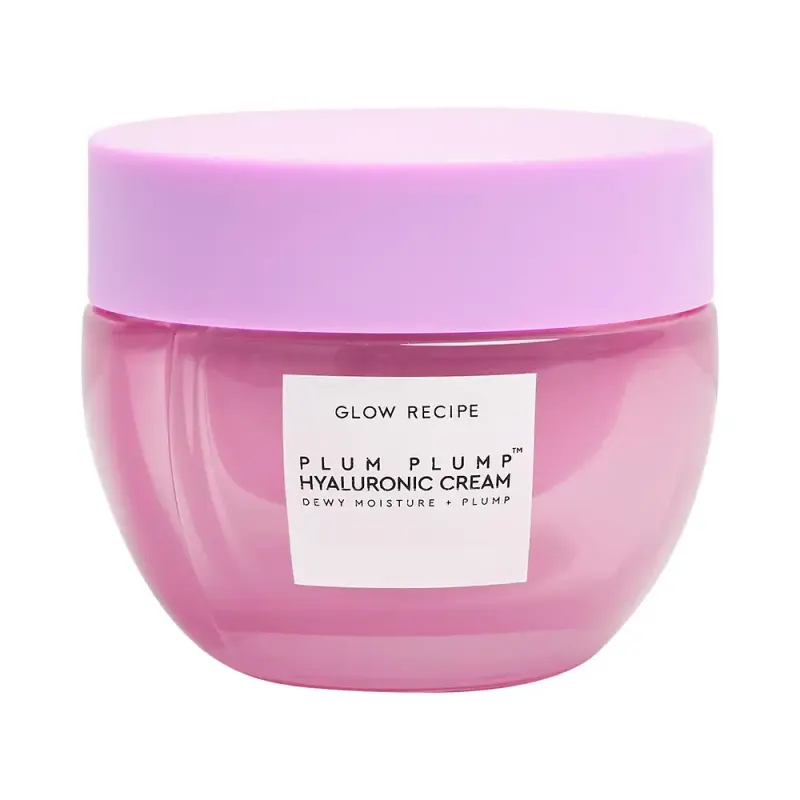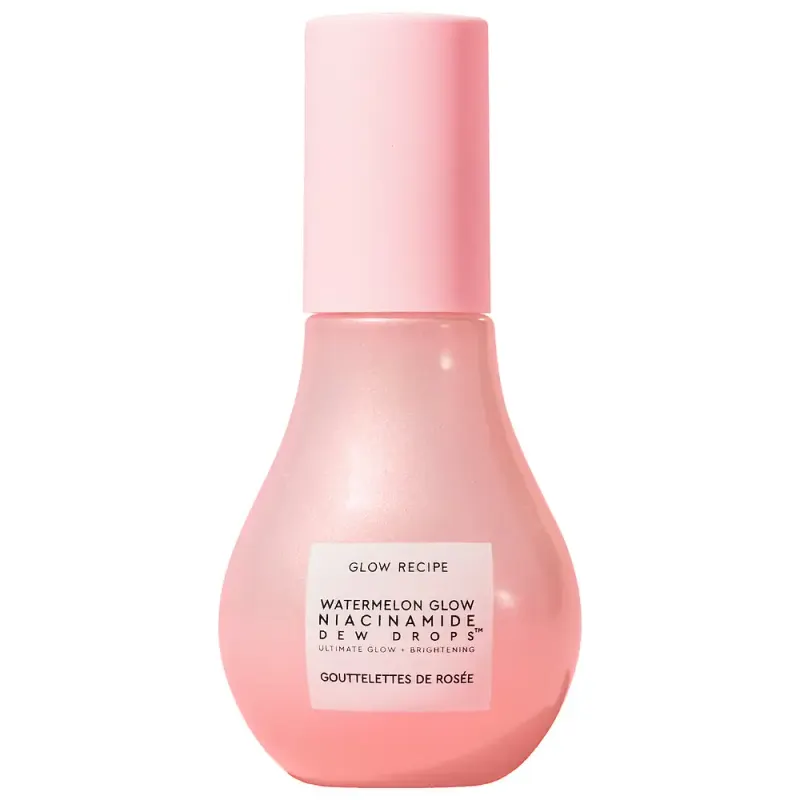
Glow Recipe
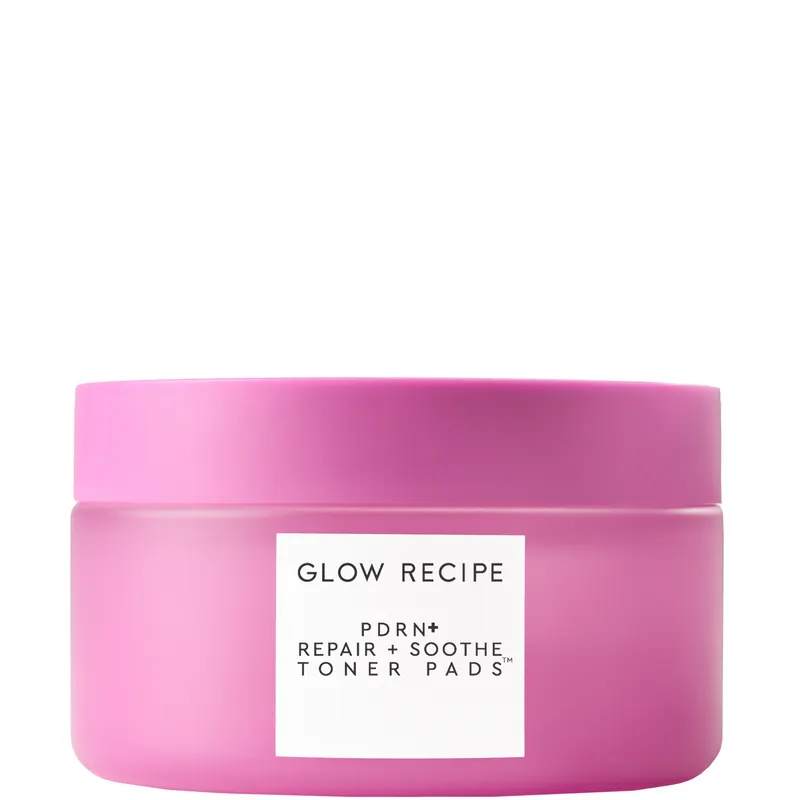
Glow Recipe PDRN Repair + Soothe Toner Pads
Low risk89/100

No higher-risk flags in the assessed ingredients. This is a screening result, not a guarantee of pregnancy safety.
18 of 18 ingredients rated
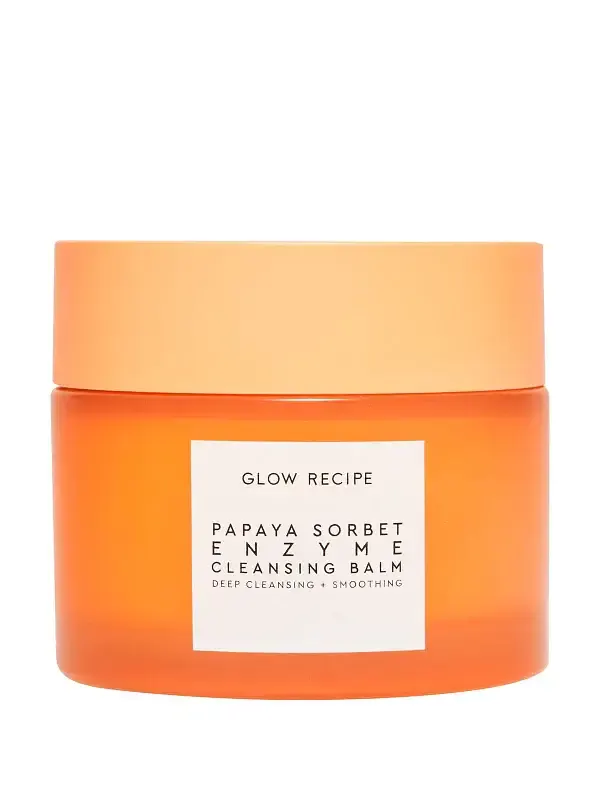
MamaSkin rates the recorded formula for Glow Recipe Papaya Sorbet Smoothing Enzyme Cleansing Balm as No known risks (99/100). This screening result is not a guarantee of safety for every pregnancy.
No higher-risk ingredient flags are shown in the assessed entries. Ingredients without a matched rating are marked Not assessed, not No known risks.
18 of 18 ingredient entries on this page have a recorded score, evidence summary and source text. That describes documentation coverage, not proof that the finished formula has been clinically tested during pregnancy.
How we assess productsThe recorded formula, with evidence behind each rating. Unmatched ingredients are marked Not assessed in grey.
Lightweight emollient ester used to improve slip and skin feel. Reviewed cosmetic ingredient references do not identify a pregnancy- or breastfeeding-specific concern for normal topical cosmetic use.
Sources: CIR cosmetic ingredient safety references for alkyl esters/emollient esters; EU CosIng / cosmetics regulatory inventory
This sorbitan fatty-acid ester is an emulsifier that helps oil and water phases remain mixed. The Cosmetic Ingredient Review concluded that sorbitan esters are safe in current cosmetic use; occasional contact reactions remain possible in sensitive users.
Sources: CIR: Safety Assessment of Sorbitan Esters as Used in Cosmetics https://www.cir-safety.org/supplementaldoc/safety-assessment-sorbitan-esters-used-cosmetics
This plant-derived fatty oil or butter is used as an emollient and skin-conditioning ingredient. The Cosmetic Ingredient Review concluded that assessed plant-derived fatty acid oils are safe as used in cosmetics; individual plant allergy and ingredient purity remain practical considerations.
Sources: CIR: Safety Assessment of Plant-Derived Fatty Acid Oils https://cir-reports.cir-safety.org/view-attachment/?id=ad62ac6b-8e74-ec11-8943-0022482f06a6
Inert polymer used as a film former, thickener or texture ingredient in cosmetics. Normal topical use is expected to have low systemic exposure, with no pregnancy- or breastfeeding-specific concern identified in reviewed cosmetic references.
Sources: CIR cosmetic ingredient safety references for polyethylene and related polymers; EU CosIng / cosmetics regulatory inventory
Water (Aqua) is the standard purified water used as a cosmetic solvent. It has no pregnancy-specific risk in normal topical use.
Sources: https://pubchem.ncbi.nlm.nih.gov/compound/Water, https://single-market-economy.ec.europa.eu/sectors/cosmetics/cosmetic-ingredient-database/cosing-glossary-ingredients_en
This plant-derived fatty oil or butter is used as an emollient and skin-conditioning ingredient. The Cosmetic Ingredient Review concluded that assessed plant-derived fatty acid oils are safe as used in cosmetics; individual plant allergy and ingredient purity remain practical considerations.
Sources: CIR: Safety Assessment of Plant-Derived Fatty Acid Oils https://cir-reports.cir-safety.org/view-attachment/?id=ad62ac6b-8e74-ec11-8943-0022482f06a6
Papaya seed oil is a fatty oil, not papaya seed extract or concentrated papain. CIR includes this exact oil among plant-derived fatty oils found safe in current cosmetic use. Direct human pregnancy studies of this exact ingredient were not identified; the rating applies to normal topical cosmetic use.
Sources: https://www.cir-safety.org/sites/default/files/118_final_oils_web.pdf
A papaya fruit extract used for skin conditioning. Cosmetic safety reviewers concluded that Carica papaya fruit and fruit-derived ingredients are safe in current cosmetic practices; this conclusion does not extend to papaya leaf extract, for which the available evidence was insufficient. No pregnancy-specific concern was identified for normal topical cosmetic exposure.
Sources: CIR: Safety Assessment of Carica papaya-Derived Ingredients as Used in Cosmetics, final 2025 https://cir-reports.cir-safety.org/view-attachment/?id=3ca24ad2-9f93-1b6c-a453-2da467b3c7c2
A proteolytic enzyme derived from papaya and used for exfoliation. No pregnancy-specific systemic concern was identified for normal topical cosmetic exposure. Papain can irritate skin and can cause allergy, especially in people sensitive to papaya or latex.
Sources: European Commission CosIng ingredient inventory; PubMed literature on papain contact allergy, occupational sensitisation and topical cosmetic use.
A fruit, seed or food-plant extract used for skin conditioning and antioxidant support. No pregnancy-specific signal was identified for the low topical exposure expected from a finished cosmetic. Direct pregnancy studies are generally unavailable, and botanical allergy remains possible.
Sources: European Commission CosIng ingredient inventory; CIR botanical safety framework and relevant fruit-derived ingredient assessments; peer-reviewed cosmetic and phytochemical literature for the named plants.
fragaria ananassa fruit extract is a botanical-derived cosmetic conditioning ingredient. The reviewed identity is not a concentrated essential oil or an oral herbal preparation. Available cosmetic evidence and expected topical exposure did not identify a pregnancy-specific contraindication, although botanical irritation or allergy remains possible.
Sources: CIR ingredient-specific and botanical-family safety assessments; CIR Quick Reference Table https://www.cir-safety.org/supplementaldoc/quick-reference-table-december-2025; European Commission CosIng
No pregnancy-specific harm has been identified for ordinary, correctly formulated topical cosmetic use of alkanna tinctoria root extract. This is a bounded botanical/extract assessment; direct pregnancy studies of the exact material are limited and oral, medicinal, damaged-skin or aerosol exposure is not included.
The final CIR assessment explicitly includes the exact Capsicum fruit extract in its safe-as-used conclusion.
Sources: https://cir-safety.org/sites/default/files/QRT-Update-Dec2025.pdf
Polysaccharide carrier and bulking agent used for texture and delivery support. Reviewed cosmetic safety sources support normal topical use, with no pregnancy- or breastfeeding-specific topical signal identified in the material reviewed.
Sources: CIR: Safety Assessment of Polysaccharide Gums as Used in Cosmetics; EU CosIng / cosmetics regulatory inventory
Common emollient derived from fatty acids and glycerin. Used to soften skin and improve texture without pregnancy-specific concerns.
Sources: Cosmetic Ingredient Review (US); Scientific Committee on Consumer Safety (EU)
An organic acid used for pH adjustment, fragrance or preservative support. Cosmetic safety reviewers concluded that levulinic acid and its salts are safe in current cosmetic practices.
Sources: CIR: Levulinic Acid and salts conclusion, IJT 44(Suppl. 3), 2025; December 2025 Quick Reference Table https://cir-safety.org/sites/default/files/QRT-Update-Dec2025.pdf
Humectant and preservative booster. Considered safe for cosmetic use with low systemic exposure.
Sources: Cosmetic Ingredient Review (US); Scientific Committee on Consumer Safety (EU)
An antioxidant and reducing agent used to protect cosmetic formulas and hair-colour systems. Sulfites can cause irritation or hypersensitivity in susceptible people, especially with inhalation exposure, but no pregnancy-specific hazard is identified for normal topical cosmetic use.
Sources: CIR ingredient record and safety assessment: Sodium Metabisulfite https://cir-safety.org/ingredient/sodium-metabisulfite
Cetyl Ethylhexanoate, Sorbitan Oleate, Prunus Armeniaca Kernel Oil, Polyethylene, Water, Camellia Japonica Seed Oil, Carica Papaya Seed Oil, Carica Papaya Fruit Extract, Papain, Vaccinium Angustifolium Fruit Extract, Fragaria Ananassa Fruit Extract, Alkanna Tinctoria Root Extract, Capsicum Annuum Fruit Extract, Maltodextrin, Caprylic/Capric Triglyceride, Levulinic Acid, Pentylene Glycol, Sodium Metabisulfite
Ingredient ratings refreshed 1 October 2026. Formulas vary by market and can change. Always compare with your packaging.
No higher-risk ingredient flags are shown in the assessed entries. Ingredients without a matched rating are marked Not assessed, not No known risks. The product score is a stored assessment, not a clinical safety guarantee.
18 of 18 ingredient entries on this page have a recorded score, evidence summary and source text. That describes documentation coverage, not proof that the finished formula has been clinically tested during pregnancy.
Only if the ingredient list on your packaging matches the recorded formula shown here. Formulas can differ by market and change over time. Compare the full list, not just the product name; report a mismatch if it differs.
No. This page presents a pregnancy-focused product assessment. Do not infer a breastfeeding conclusion from its score or label; breastfeeding requires a separate assessment of the formula and how it is used.