Glow Recipe
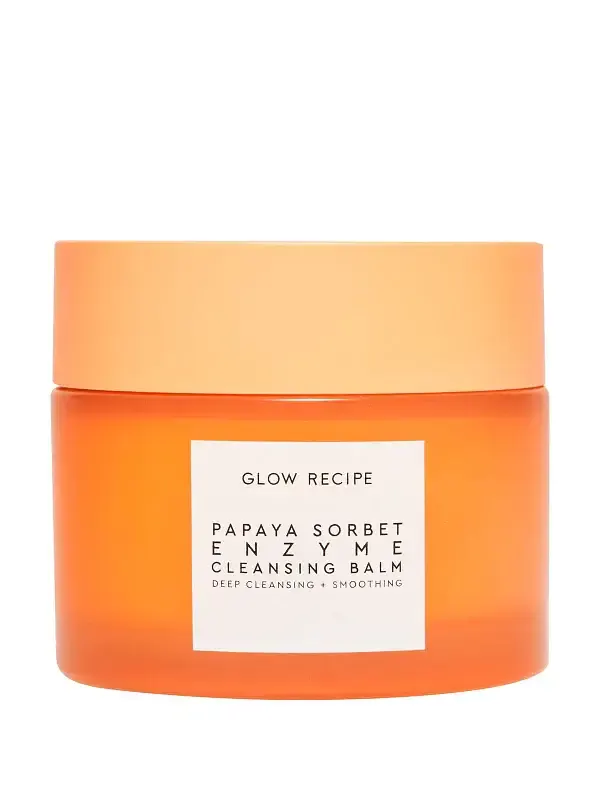
Glow Recipe Papaya Sorbet Smoothing Enzyme Cleansing Balm
No known risks99/100

Toners
Some ingredients carry a low-risk flag. Read the formulation context before deciding.
28 of 29 ingredients rated1 not assessed
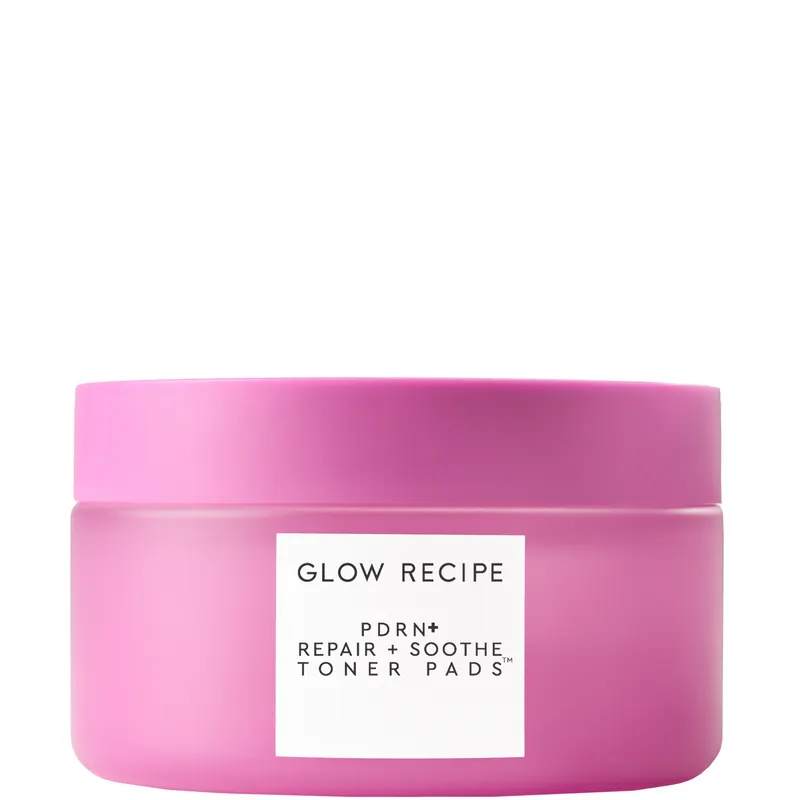
MamaSkin rates the recorded formula for Glow Recipe PDRN Repair + Soothe Toner Pads as Low risk (89/100). Review the ingredient context and any manual-review explanation before deciding.
Contains PDRN/Sodium DNA or a related DNA-derived cosmetic ingredient. Topical PDRN is not currently treated as a known pregnancy-restricted ingredient, but pregnancy-specific data is limited, so MamaSkin scores it conservatively as low risk. This applies to topical cosmetic use only and does not apply to injectable or in-clinic PDRN/polynucleotide treatments.
28 of 29 ingredient entries on this page have a recorded score, evidence summary and source text. 1 entry does not have all of those fields. Unmatched or unrated entries are marked Not assessed in grey; missing evidence does not establish safety.
How we assess productsThe recorded formula, with evidence behind each rating. Unmatched ingredients are marked Not assessed in grey.
DNA-derived cosmetic ingredient/label term used in topical PDRN or polynucleotide-style skincare. Topical cosmetic use is not currently treated as a known pregnancy-restricted concern, but pregnancy-specific clinical data remain limited. MamaSkin scores this conservatively as low risk to reflect the evidence gap. This assessment applies to topical cosmetic products only and does not apply to injectable or in-clinic PDRN/polynucleotide treatments. Always review co-ingredients such as retinoids, hydroquinone, high-strength acids or other pregnancy-restricted actives separately.
Sources: Shin et al. 2025: Polynucleotide and PDRN dermatology review https://pubmed.ncbi.nlm.nih.gov/40871045/
A purified glycyrrhizic-acid salt used as a soothing and skin-conditioning ingredient. Cosmetic safety reviewers concluded that dipotassium glycyrrhizate is safe in current cosmetic use and noted poor dermal absorption. MamaSkin nevertheless applies a cautious low-risk classification for consistency with the existing licorice family because high oral glycyrrhizin exposure has pregnancy-related concerns; this is not a topical contraindication.
Sources: CIR: Safety Assessment of Glycyrrhizic Acid and Derivatives https://cir-reports.cir-safety.org/view-attachment/?id=49a63435-8e74-ec11-8943-0022482f06a6
No matched ingredient rating is available yet. Not assessed does not mean safe or unsafe.
Water (Aqua) is the standard purified water used as a cosmetic solvent. It has no pregnancy-specific risk in normal topical use.
Sources: https://pubchem.ncbi.nlm.nih.gov/compound/Water, https://single-market-economy.ec.europa.eu/sectors/cosmetics/cosmetic-ingredient-database/cosing-glossary-ingredients_en
Glycerin is a widely used humectant that supports hydration and the skin barrier, with a long safety record and no known pregnancy or breastfeeding concerns in topical cosmetic use.
Sources: CIR; EU/UK Cosmetics Regulation
Solvent and humectant commonly used in leave-on products. Not associated with pregnancy-specific concerns at cosmetic exposure levels.
Sources: Cosmetic Ingredient Review (US); Scientific Committee on Consumer Safety (EU)
Dipropylene glycol is used as a solvent and carrier in cosmetics; topical exposure is low and it has no known pregnancy or breastfeeding concerns at cosmetic concentrations.
Sources: CIR; EU/UK Cosmetics Regulation
Solvent and humectant used to improve texture and ingredient delivery in topical cosmetic formulas. Reviewed cosmetic ingredient references do not identify a pregnancy- or breastfeeding-specific concern for normal topical use.
Sources: CIR cosmetic ingredient safety references for alkane diols; EU CosIng / cosmetics regulatory inventory
Botanical skin-conditioning ingredient used in soothing and barrier-support formulas. Reviewed cosmetic safety sources support current cosmetic use when formulated to be non-sensitising, with no pregnancy- or breastfeeding-specific topical concern identified in the material reviewed.
Sources: CIR: Safety Assessment of Centella asiatica-derived Ingredients as Used in Cosmetics; EU CosIng / cosmetics regulatory inventory
Film-forming polysaccharide used for soothing and hydration support. Reviewed cosmetic safety sources support normal topical use, with no pregnancy- or breastfeeding-specific topical signal identified in the material reviewed.
Sources: CIR: Safety Assessment of Microbial Polysaccharide Gums as Used in Cosmetics; EU CosIng / cosmetics regulatory inventory
Skin-conditioning ingredient commonly used in leave-on skincare. Reviewed cosmetic safety sources support normal topical use, with no pregnancy- or breastfeeding-specific topical signal identified in the material reviewed.
Sources: CIR: Safety Assessment of Adenosine Ingredients as Used in Cosmetics; EU CosIng / cosmetics regulatory inventory
Synthetic signal peptide used in topical cosmetic anti-aging and skin-conditioning formulas. Reviewed cosmetic peptide literature lists palmitoyl tripeptide-5 among topically used matricin-style peptides. No pregnancy- or breastfeeding-specific risk signal was identified for normal topical cosmetic use.
Sources: Schagen SK. Topical Peptide Treatments with Effective Anti-Aging Results. Cosmetics. 2017;4(2):16. doi:10.3390/cosmetics4020016; EU CosIng / INCI cosmetic ingredient references.
Allantoin is a soothing skin protectant commonly used to help reduce irritation and support comfort, with no known pregnancy or breastfeeding concerns in topical cosmetic use.
Sources: CIR; EU/UK Cosmetics Regulation
Methylxanthine used in cosmetics (e.g., de-puffing/firming and antioxidant support). No pregnancy-specific contraindications are identified for topical cosmetic use.
Sources: CIR (Methylxanthines); PubMed (NLM)
Hydroxyacetophenone is used as an antioxidant and preservative-support ingredient; it is generally considered low concern in topical cosmetic use with no known pregnancy or breastfeeding risks at typical concentrations.
Sources: CIR; EU/UK Cosmetics Regulation
Panthenol (pro-vitamin B5) is used for soothing and barrier support and is generally well tolerated, with no known pregnancy or breastfeeding concerns in topical cosmetic use.
Sources: CIR; EU/UK Cosmetics Regulation
Betaine is a humectant/osmolyte used to support hydration and reduce irritation potential in formulas; it is considered low concern with no known pregnancy or breastfeeding risks in topical cosmetic use.
Sources: CIR; EU/UK Cosmetics Regulation
Solvent and humectant used to improve texture and ingredient solubility. Low systemic exposure expected from topical cosmetic use.
Sources: Cosmetic Ingredient Review (US); Scientific Committee on Consumer Safety (EU)
1,2-Hexanediol is commonly used as a solvent and preservative booster; topical exposure is low and it has no known pregnancy or breastfeeding concerns at cosmetic concentrations, though very sensitive skin may occasionally react.
Sources: CIR; EU/UK Cosmetics Regulation
Polyglycerin fatty-acid ester used as an emulsifier and solubilizer. Reviewed cosmetic safety references do not identify a pregnancy- or breastfeeding-specific concern for normal topical cosmetic use.
Sources: CIR cosmetic ingredient safety references for polyglyceryl fatty acid esters; EU CosIng / cosmetics regulatory inventory
Humectant and preservative booster used to support product stability. Low systemic exposure expected from topical cosmetic use.
Sources: Scientific Committee on Consumer Safety (EU); Cosmetic Ingredient Review (US)
Preservative booster and skin-conditioning agent. Considered safe for cosmetic use with low systemic exposure when used as intended.
Sources: Scientific Committee on Consumer Safety (EU); Cosmetic Ingredient Review (US)
Buffering and chelating ingredient used to control pH and formulation stability. Reviewed cosmetic safety sources support normal topical use, with no pregnancy- or breastfeeding-specific topical signal identified in the material reviewed.
Sources: CIR: Safety Assessment of Citric Acid, Inorganic Citrate Salts, and Alkyl Citrate Esters as Used in Cosmetics; EU CosIng / cosmetics regulatory inventory
Natural polysaccharide thickener used for stability and texture. Not associated with pregnancy-specific concerns.
Sources: European cosmetics regulatory framework
Chelating agent used to improve formula stability. Used at low levels and not associated with pregnancy-specific concerns.
Sources: European cosmetics regulatory framework
Humectant and preservative booster. Considered safe for cosmetic use with low systemic exposure.
Sources: Cosmetic Ingredient Review (US); Scientific Committee on Consumer Safety (EU)
pH adjuster used in small amounts to maintain product stability. Not associated with pregnancy-specific concerns.
Sources: Scientific Committee on Consumer Safety (EU); European cosmetics regulatory framework
A fatty ester, lipid-derived emulsifier or emollient used for texture and skin conditioning. These materials have low expected systemic exposure, and no pregnancy-specific reproductive or developmental hazard was identified for normal topical cosmetic use.
Sources: CIR safety assessments of fatty esters, glycerides and emollients as used in cosmetics; European Commission CosIng ingredient inventory.
Amino acid used as a humectant, skin-conditioning agent, and pH-adjusting support ingredient. Reviewed cosmetic safety sources support normal topical use, with no pregnancy- or breastfeeding-specific topical signal identified in the material reviewed.
Sources: CIR: Safety Assessment of α-Amino Acids as Used in Cosmetics; EU CosIng / cosmetics regulatory inventory
Aqua/Water/Eau, Glycerin, Butylene Glycol, Dipropylene Glycol, Methylpropanediol, Centella Asiatica Extract, Sodium DNA*, Beta-Glucan, Adenosine, Palmitoyl Tripeptide-5, Allantoin, Caffeine, Hydroxyacetophenone, Panthenol, Betaine, Propanediol, 1,2-Hexanediol, Polyglyceryl-10 Laurate, Caprylyl Glycol, Dipotassium Glycyrrhizate, Ethylhexylglycerin, Sodium Citrate, Xanthan Gum, Sodium Phytate, Pentylene Glycol, Citric Acid, Octanediol, Arginine, Tocopherol. *Prickly Pear and White Rice Derived PDRN.
Ingredient ratings refreshed 1 October 2026. Formulas vary by market and can change. Always compare with your packaging.
Contains PDRN/Sodium DNA or a related DNA-derived cosmetic ingredient. Topical PDRN is not currently treated as a known pregnancy-restricted ingredient, but pregnancy-specific data is limited, so MamaSkin scores it conservatively as low risk. This applies to topical cosmetic use only and does not apply to injectable or in-clinic PDRN/polynucleotide treatments. Incomplete ingredient documentation does not establish safety; see the coverage answer and grey entries below.
No. The recorded formula lists a licorice-derived cosmetic ingredient, not an oral licorice product. Different ingredients and routes of exposure should not be treated as interchangeable. Use the exact ingredient's rating and evidence below, together with any manual-review note; this score does not assess teas, supplements or other licorice formulas.
28 of 29 ingredient entries on this page have a recorded score, evidence summary and source text. 1 entry does not have all of those fields. Unmatched or unrated entries are marked Not assessed in grey; missing evidence does not establish safety.
Only if the ingredient list on your packaging matches the recorded formula shown here. Formulas can differ by market and change over time. Compare the full list, not just the product name; report a mismatch if it differs.
No. This page presents a pregnancy-focused product assessment. Do not infer a breastfeeding conclusion from its score or label; breastfeeding requires a separate assessment of the formula and how it is used.