Glow Recipe
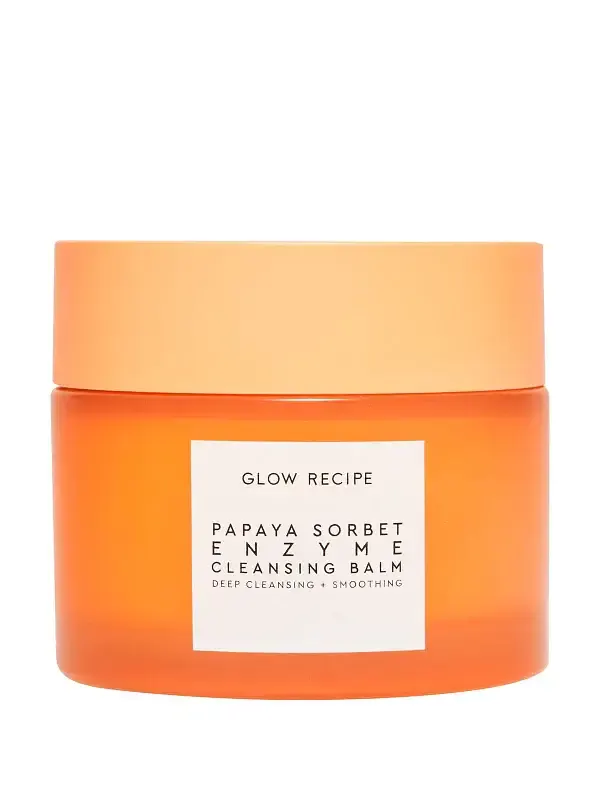
Glow Recipe Papaya Sorbet Smoothing Enzyme Cleansing Balm
No known risks99/100

Some ingredients carry a low-risk flag. Read the formulation context before deciding.
63 of 64 ingredients rated1 not assessed
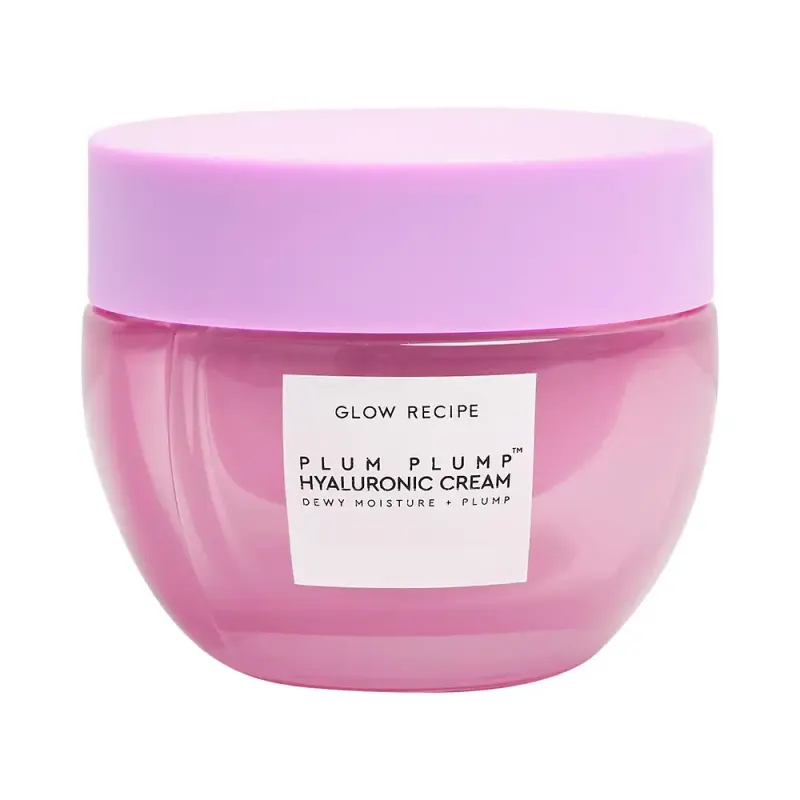
MamaSkin rates the recorded formula for Glow Recipe Plum Plump Hyaluronic Cream as Low risk (74/100). Review the ingredient context and any manual-review explanation before deciding.
The recorded formula includes 3 ingredient entries with risk flags: Gluconolactone (Low risk), Phenoxyethanol (Low risk), Parfum (Low risk). These are ingredient-level flags; they do not replace the stored product assessment or account for every formulation detail.
63 of 64 ingredient entries on this page have a recorded score, evidence summary and source text. 1 entry does not have all of those fields. Unmatched or unrated entries are marked Not assessed in grey; missing evidence does not establish safety.
How we assess productsThe recorded formula, with evidence behind each rating. Unmatched ingredients are marked Not assessed in grey.
Phenoxyethanol is a preservative permitted in EU cosmetics up to 1.0%. The SCCS concluded it is safe for cosmetic use at that level, including when considering higher cosmetic exposure scenarios in infants and young children. Main practical concern is irritation/stinging on very sensitive or compromised skin rather than a pregnancy- or breastfeeding-specific risk.
Sources: SCCS/1575/16: Phenoxyethanol opinion https://health.ec.europa.eu/publications/phenoxyethanol_en
Umbrella term for an undisclosed fragrance blend. It’s not usually a pregnancy-specific concern at normal cosmetic use levels, but the exact components and concentrations aren’t fully disclosed on the label, so we score it more conservatively. If you prefer maximum transparency (or you’re sensitive to fragrance compounds), choose fragrance-free/unscented products.
Sources: SCCS: Fragrance allergens in cosmetic products https://health.ec.europa.eu/latest-updates/sccs-new-opinion-fragrance-allergens-cosmetic-products-2012-07-31_en
Polyhydroxy acid (PHA) used as a gentle exfoliant/humectant; generally less irritating than AHAs due to lower penetration. Considered safe as used in cosmetics, with no pregnancy-specific contraindications identified at topical cosmetic concentrations.
Sources: MotherToBaby: Topical acne treatments in pregnancy and breastfeeding https://www.ncbi.nlm.nih.gov/books/NBK582985/
No matched ingredient rating is available yet. Not assessed does not mean safe or unsafe.
Water (Aqua) is the standard purified water used as a cosmetic solvent. It has no pregnancy-specific risk in normal topical use.
Sources: https://pubchem.ncbi.nlm.nih.gov/compound/Water, https://single-market-economy.ec.europa.eu/sectors/cosmetics/cosmetic-ingredient-database/cosing-glossary-ingredients_en
Solvent and humectant used to improve texture and ingredient solubility. Low systemic exposure expected from topical cosmetic use.
Sources: Cosmetic Ingredient Review (US); Scientific Committee on Consumer Safety (EU)
Glycerin is a widely used humectant that supports hydration and the skin barrier, with a long safety record and no known pregnancy or breastfeeding concerns in topical cosmetic use.
Sources: CIR; EU/UK Cosmetics Regulation
A purified hydrocarbon emollient or volatile carrier used for slip and light texture. Related cosmetic hydrocarbon and isoparaffin assessments support use in current practices. Normal dermal exposure is not associated with a pregnancy-specific signal; volatile products should be used with ordinary ventilation.
Sources: CIR: Isoparaffins safety assessment, IJT 31(Suppl. 3), 2012; CIR: hydrocarbon polymers and cosmetic hydrocarbon assessments; CIR December 2025 Quick Reference Table https://cir-safety.org/sites/default/files/QRT-Update-Dec2025.pdf
Common emollient derived from fatty acids and glycerin. Used to soften skin and improve texture without pregnancy-specific concerns.
Sources: Cosmetic Ingredient Review (US); Scientific Committee on Consumer Safety (EU)
A purified hydrocarbon emollient or volatile carrier used for slip and light texture. Related cosmetic hydrocarbon and isoparaffin assessments support use in current practices. Normal dermal exposure is not associated with a pregnancy-specific signal; volatile products should be used with ordinary ventilation.
Sources: CIR: Isoparaffins safety assessment, IJT 31(Suppl. 3), 2012; CIR: hydrocarbon polymers and cosmetic hydrocarbon assessments; CIR December 2025 Quick Reference Table https://cir-safety.org/sites/default/files/QRT-Update-Dec2025.pdf
prunus domestica seed oil is a fixed or hydrogenated cosmetic oil used mainly as an emollient. This assessment concerns normal topical cosmetic exposure, not ingestion or concentrated essential oils. Cosmetic-grade purity and oxidation control remain important; no pregnancy-specific topical concern was identified.
Sources: CIR safety assessments of plant-derived fatty acid oils and hydrogenated oils https://cir-reports.cir-safety.org/view-attachment?id=ad62ac6b-8e74-ec11-8943-0022482f06a6; European Commission CosIng
Humectant and preservative booster. Considered safe for cosmetic use with low systemic exposure.
Sources: Cosmetic Ingredient Review (US); Scientific Committee on Consumer Safety (EU)
Lightweight emollient used to support the skin barrier. Not associated with pregnancy-specific concerns at cosmetic exposure levels.
Sources: Cosmetic Ingredient Review (US); Scientific Committee on Consumer Safety (EU)
terminalia ferdinandiana seed oil is a fixed plant oil used mainly as an emollient. CIR's plant-derived oil assessment supports cosmetic use, with refining, oxidation control and possible residual allergenic proteins remaining relevant. No pregnancy-specific concern was identified for normal topical exposure; this does not extend to concentrated essential oils or ingestion.
Sources: CIR Safety Assessment of Plant-Derived Fatty Acid Oils https://cir-safety.org/sites/default/files/118_final_oils_web.pdf; European Commission CosIng
High-water-binding humectant used to support hydration at the skin surface. Reviewed cosmetic safety sources support normal topical use, with no pregnancy- or breastfeeding-specific topical signal identified in the material reviewed.
Sources: CIR: Safety Assessment of Hyaluronates as Used in Cosmetics; EU CosIng / cosmetics regulatory inventory
Modified hyaluronate humectant and skin-conditioning ingredient. Reviewed cosmetic safety sources support topical hyaluronate ingredients, with no pregnancy- or breastfeeding-specific concern identified for normal cosmetic use.
Sources: CIR: Safety Assessment of Hyaluronates as Used in Cosmetics; EU CosIng / cosmetics regulatory inventory
Sodium hyaluronate (hyaluronic acid salt) is used for hydration and cushioning, with very low systemic absorption from topical use and no known pregnancy or breastfeeding concerns at cosmetic concentrations.
Sources: CIR; EU/UK Cosmetics Regulation
A documented water/glycerin Davidsonia jerseyana edible-fruit preparation supports a scoped ordinary intact-skin cosmetic assessment. No pregnancy-specific concern is identified for conventional diluted use. A methanolic Davidsonia extract caused dose-related mortality in a direct zebrafish embryo bath; its exact jerseyana species identity was unresolved, and the direct-bath route is unlike maternal skin application. The adverse study is retained without claiming equivalent exposure or fetal safety proof. This does not clear selected medicinal fractions, other plant parts, oral doses, inhalation or enhanced delivery.
Sources: https://www.nativeextracts.com/products/davidson-plum-cellular-extract, https://www.foodstandards.gov.au/sites/default/files/2023-12/Record%20of%20Views%20updated%20June%202023.pdf, https://pmc.ncbi.nlm.nih.gov/articles/PMC9777714/
Illawarra-plum fruit extract is supplied in a diluted glycerin/water cosmetic matrix. Findings about other Podocarpus species or plant parts cannot automatically be assigned to this fruit preparation. Ordinary diluted use on intact external skin is expected to produce low systemic exposure, with no identified pregnancy-specific concern for that preparation. This exposure-based conclusion does not mean pregnancy safety has been proven.
Sources: https://www.ellementalpro.com/download/1808_TDSs.pdf, https://www.ellementalpro.com/download/1808_SDSs.pdf
A high-molecular-weight glutamic-acid polymer used as a humectant and film former. Absorption of the intact polymer through skin is expected to be limited, and no pregnancy-specific concern was identified for normal topical cosmetic use. This is distinct from medicinal injectable or drug-delivery forms.
Sources: Peer-reviewed literature on poly-gamma-glutamic acid biomaterials and topical hydration; European Commission CosIng ingredient inventory.
Burdekin-plum fruit extract is supplied in a diluted glycerin/water matrix. This does not cover other plant parts, oral concentrates or engineered delivery. Ordinary diluted use on intact external skin is expected to produce low systemic exposure, with no identified pregnancy-specific concern for that preparation. This exposure-based conclusion does not mean pregnancy safety has been proven.
Sources: https://www.ellementalpro.com/download/1808_TDSs.pdf, https://www.ellementalpro.com/download/1808_SDSs.pdf
Crosslinked hyaluronate humectant used to support hydration at the skin surface. Reviewed cosmetic safety sources support normal topical use, with no pregnancy- or breastfeeding-specific topical signal identified.
Sources: CIR: Safety Assessment of Hyaluronates as Used in Cosmetics; EU CosIng / cosmetics regulatory inventory
Humectant and skin-conditioning ingredient in the hyaluronate family. Reviewed cosmetic safety sources support current cosmetic use, with no pregnancy- or breastfeeding-specific topical concern identified in the material reviewed.
Sources: CIR: Safety Assessment of Hyaluronates as Used in Cosmetics; EU CosIng / cosmetics regulatory inventory
Alpine willowherb flower, leaf and stem extract contains flavonoids and ellagitannins, including oenothein B. It has local sebum-regulating activity, so its biological effects should not be described as inert. No pregnancy-specific concern is identified for ordinary diluted cosmetic use on intact skin, where systemic exposure to the large polar tannin is expected to be limited. Human pregnancy and milk-transfer studies are unavailable; concentrated oral or enhanced-delivery treatments are not covered.
Sources: https://onlinelibrary.wiley.com/doi/10.1111/ics.12777, https://www.dsm.com/content/dam/dsm/personal-care/en_us/documents/events/IFSCC2020_alp-sebum-cbp_poster_oily-skin_bacteria_facial-sebum-mapping.pdf, https://pmc.ncbi.nlm.nih.gov/articles/PMC2783546/
Niacinamide (vitamin B3) is widely used for barrier support and tone/texture benefits, and is generally considered safe in pregnancy and breastfeeding when used topically at cosmetic concentrations.
Sources: CIR; EU/UK Cosmetics Regulation
Polymer thickener and stabiliser used in creams and sunscreens. Low systemic exposure expected.
Sources: Cosmetic Ingredient Review (US); Scientific Committee on Consumer Safety (EU)
A sugar-derived humectant commonly used with xylitol and anhydroxylitol to support skin hydration. Exact pregnancy-specific topical data are limited. Cosmetic safety assessments of the related saccharide mixture and xylitol did not identify a reproductive or pregnancy-specific concern at cosmetic exposure; available data primarily support local tolerance rather than proving pregnancy safety. No topical contraindication was identified in the reviewed material.
Sources: CIR: Safety Assessment of Saccharide Isomerate and Related Saccharides https://cir-safety.org/supplementaldoc/safety-assessment-anhydrogalactose-anhydroglucitol-anhydroxylitol-arabinose-psicose-; CIR: Safety Assessment of Mannitol, Sorbitol, and Xylitol https://www.cir-safety.org/sites/default/files/xylito122019FR.pdf
Emollient ester used for lightweight slip and a dry skin feel in makeup and skin care. Reviewed cosmetic ingredient references do not identify a pregnancy- or breastfeeding-specific concern for normal topical cosmetic use.
Sources: CIR cosmetic ingredient safety references for alkyl esters/emollient esters; EU CosIng / cosmetics regulatory inventory
Humectant and preservative booster used to support product stability. Low systemic exposure expected from topical cosmetic use.
Sources: Scientific Committee on Consumer Safety (EU); Cosmetic Ingredient Review (US)
Sugar-derived humectant used to support hydration, often as part of saccharide blends. Reviewed cosmetic safety sources support normal topical use, with no pregnancy- or breastfeeding-specific topical signal identified in the material reviewed.
Sources: CIR: Safety Assessment of Saccharide Humectants / Saccharide Isomerate, etc.; EU CosIng / cosmetics regulatory inventory
Fatty alcohol used as an emollient and thickener. Not the same as drying alcohols and not associated with pregnancy-specific concerns.
Sources: Cosmetic Ingredient Review (US); Scientific Committee on Consumer Safety (EU)
Emulsifier and emollient used to stabilise creams and lotions. Not associated with pregnancy-specific concerns at cosmetic exposure.
Sources: Cosmetic Ingredient Review (US); Scientific Committee on Consumer Safety (EU)
Amino acid used as a humectant, skin-conditioning agent, and pH-adjusting support ingredient. Reviewed cosmetic safety sources support normal topical use, with no pregnancy- or breastfeeding-specific topical signal identified in the material reviewed.
Sources: CIR: Safety Assessment of α-Amino Acids as Used in Cosmetics; EU CosIng / cosmetics regulatory inventory
Preservative booster and skin-conditioning agent. Considered safe for cosmetic use with low systemic exposure when used as intended.
Sources: Scientific Committee on Consumer Safety (EU); Cosmetic Ingredient Review (US)
Sodium chloride is used to adjust viscosity and texture in formulations; topical cosmetic use is considered low concern with no known pregnancy or breastfeeding risks.
Sources: CIR; EU/UK Cosmetics Regulation
Sugar alcohol humectant used to help maintain hydration and improve skin feel. Reviewed cosmetic safety sources support normal topical use, with no pregnancy- or breastfeeding-specific topical signal identified in the material reviewed.
Sources: CIR: Safety Assessment of Mannitol, Sorbitol, and Xylitol as Used in Cosmetics; EU CosIng / cosmetics regulatory inventory
Stearic acid is a fatty acid used to stabilise emulsions and improve texture; it is considered low concern in topical cosmetics with no known pregnancy or breastfeeding risks at typical concentrations.
Sources: CIR; EU/UK Cosmetics Regulation
A large sugar-derived polymer used for hydration, film formation and skin conditioning. Meaningful systemic absorption through intact skin is expected to be low. No pregnancy- or breastfeeding-specific hazard signal was identified for normal topical cosmetic use; botanical or fungal source impurities and allergy should be controlled by cosmetic-grade manufacture.
Sources: European Commission CosIng ingredient inventory; CIR assessments of monosaccharides, disaccharides and related cosmetic carbohydrates; peer-reviewed cosmetic literature on fructans and Tremella fuciformis polysaccharides.
An amino-acid-derived surfactant or conditioning ingredient. Cosmetic safety reviewers concluded that amino acid alkyl amides are safe in current cosmetic practices when formulated to be non-irritating. Manufacturing and formulation should control nitrosamine formation where relevant.
Sources: CIR: Safety Assessment of Amino Acid Alkyl Amides as Used in Cosmetics https://www.cir-safety.org/supplementaldoc/safety-assessment-amino-acid-alkyl-amides-used-cosmetics-0
A plant-part extract used for skin conditioning, soothing, fragrance or antioxidant support. No pregnancy-specific systemic signal was identified for normal topical cosmetic exposure. This assessment does not extend to essential oils, oral herbal products or medicinal doses, and botanical sensitivity remains possible.
Sources: European Commission CosIng ingredient inventory; CIR botanical safety framework and relevant plant-derived ingredient assessments; peer-reviewed cosmetic-use literature.
Simple sugar used as a humectant and skin-conditioning support ingredient. Reviewed cosmetic ingredient references do not identify a pregnancy- or breastfeeding-specific concern for normal topical cosmetic use.
Sources: CIR: Safety Assessment of Monosaccharides, Disaccharides, and Related Ingredients as Used in Cosmetics; EU CosIng / cosmetics regulatory inventory
An inorganic phosphate salt used for buffering, oral care or formula structure. Cosmetic safety reviewers concluded that the assessed phosphates are safe in current practices when formulated to be non-irritating.
Sources: CIR: Phosphates conclusion, IJT 40(Suppl. 1), 2021; December 2025 Quick Reference Table https://cir-safety.org/sites/default/files/QRT-Update-Dec2025.pdf
Solvent and humectant commonly used in leave-on products. Not associated with pregnancy-specific concerns at cosmetic exposure levels.
Sources: Cosmetic Ingredient Review (US); Scientific Committee on Consumer Safety (EU)
Neem leaf extract is used topically for skin conditioning and antimicrobial support. Reproductive concerns reported for concentrated neem seed preparations, intrauterine exposure, or high oral doses do not establish a hazard from normal topical cosmetic exposure to a leaf extract.
Sources: PubMed: oral purified neem seed extracts in primates https://pubmed.ncbi.nlm.nih.gov/8773426/; PubMed: intrauterine neem oil in primates https://pubmed.ncbi.nlm.nih.gov/8143455/; European Commission CosIng ingredient inventory. No human pregnancy study of normal topical cosmetic leaf-extract use was identified.
hydroxypropylcellulose is a cosmetic polymer, film former or high-molecular-weight texture aid. Systemic dermal absorption is expected to be limited when manufactured with appropriate residual-monomer and impurity controls. No pregnancy-specific concern was identified for normal cosmetic use; avoid inhaling airborne powder or spray droplets.
Sources: CIR polymer safety assessments and Quick Reference Table https://www.cir-safety.org/supplementaldoc/quick-reference-table-december-2025; European Commission CosIng ingredient inventory
An algae-derived conditioning or texture ingredient. Composition varies by source. No pregnancy-specific hazard was identified for normal topical exposure; oral supplements are outside scope.
Sources: CIR assessments of algae-derived ingredients; European Commission CosIng.
An inorganic phosphate salt used mainly to buffer or adjust the pH of a formula. Cosmetic safety reviewers concluded that phosphoric acid and its simple salts, including sodium phosphate, are safe in current cosmetic use when products are formulated to avoid irritation. No pregnancy-specific concern is identified for normal topical exposure.
Sources: CIR: Safety Assessment of Phosphoric Acid and Its Simple Salts https://cir-safety.org/supplementaldoc/safety-assessment-phosphoric-acid-and-simple-salts-used-cosmetics-0
A common inorganic electrolyte used to control viscosity, stabilise a formula or condition skin. At cosmetic concentrations these salts do not present a pregnancy-specific concern; concentrated formulas can still sting damaged or very sensitive skin.
Sources: European Commission CosIng ingredient inventory; PubChem compound records for potassium chloride, magnesium chloride and calcium chloride; established pharmaceutical and food use of these electrolytes.
Neem flower extract is used as a botanical skin-conditioning ingredient. A high-dose oral rat study altered the oestrous cycle and ovulation but did not show anti-implantation, abortifacient, or teratogenic effects. That oral dose does not establish a hazard from normal topical cosmetic exposure.
Sources: PubMed: high-dose oral neem flower extract reproductive study in rats https://pubmed.ncbi.nlm.nih.gov/19357745/; European Commission CosIng ingredient inventory. No human pregnancy study of normal topical cosmetic use was identified.
A red-algae-derived extract used for skin conditioning, hydration or formula texture. Cosmetic safety reviewers concluded that the assessed red algae ingredients, including this extract, are safe in current practices of use and concentration. Cosmetic manufacturers should control naturally occurring contaminants such as heavy metals and arsenic.
Sources: CIR: Safety Assessment of Red Algae-Derived Ingredients as Used in Cosmetics https://cir-reports.cir-safety.org/view-attachment/?id=cef5b6e9-8c74-ec11-8943-0022482f06a6
1,2-Hexanediol is commonly used as a solvent and preservative booster; topical exposure is low and it has no known pregnancy or breastfeeding concerns at cosmetic concentrations, though very sensitive skin may occasionally react.
Sources: CIR; EU/UK Cosmetics Regulation
This plant-derived fatty oil or butter is used as an emollient and skin-conditioning ingredient. The Cosmetic Ingredient Review concluded that assessed plant-derived fatty acid oils are safe as used in cosmetics; individual plant allergy and ingredient purity remain practical considerations.
Sources: CIR: Safety Assessment of Plant-Derived Fatty Acid Oils https://cir-reports.cir-safety.org/view-attachment/?id=ad62ac6b-8e74-ec11-8943-0022482f06a6
An ivy-gourd fruit extract used for skin conditioning and antioxidant support. No pregnancy- or breastfeeding-specific hazard was identified for normal topical cosmetic exposure. Direct ingredient-specific pregnancy studies were not identified, so this assessment does not extend to oral supplements or medicinal use.
Sources: European Commission CosIng ingredient inventory; Cosmetic Ingredient Review botanical safety-assessment framework and relevant ingredient-family assessments. No ingredient-specific human pregnancy study of normal topical cosmetic use was identified.
pH adjuster used in small amounts to maintain product stability. Not associated with pregnancy-specific concerns.
Sources: Scientific Committee on Consumer Safety (EU); European cosmetics regulatory framework
Preservative widely used in foods and cosmetics. Considered safe at regulated concentrations with low systemic exposure from topical use.
Sources: Scientific Committee on Consumer Safety (EU); European cosmetics regulatory framework
A fruit, seed or food-plant extract used for skin conditioning and antioxidant support. No pregnancy-specific signal was identified for the low topical exposure expected from a finished cosmetic. Direct pregnancy studies are generally unavailable, and botanical allergy remains possible.
Sources: European Commission CosIng ingredient inventory; CIR botanical safety framework and relevant fruit-derived ingredient assessments; peer-reviewed cosmetic and phytochemical literature for the named plants.
An aloe flower extract used for skin conditioning. Cosmetic safety reviewers concluded that supported Aloe barbadensis-derived ingredients are safe in current practices, with anthraquinone impurities controlled to no more than 50 ppm. No pregnancy-specific concern was identified for normal topical cosmetic exposure.
Sources: CIR: December 2025 Quick Reference Table, Aloe Barbadensis Flower Extract conclusion https://cir-safety.org/sites/default/files/QRT-Update-Dec2025.pdf
Plant-derived emollient oil used to soften skin and improve formula feel. Reviewed cosmetic safety sources support current cosmetic use, with no pregnancy- or breastfeeding-specific topical concern identified in the material reviewed.
Sources: CIR: Final Report on the Safety Assessment of Simmondsia Chinensis (Jojoba) Seed Oil and related jojoba-derived ingredients; EU CosIng / cosmetics regulatory inventory
Turmeric root extract is used for antioxidant and skin-conditioning effects. Pregnancy cautions relate mainly to concentrated oral supplements; normal topical cosmetic exposure is substantially smaller. The principal topical concern is irritation or allergy in sensitive users.
Sources: NIH NCCIH: Turmeric safety, including separate oral-supplement and topical cautions https://www.nccih.nih.gov/health/turmeric; European Commission CosIng ingredient inventory.
A botanical extract or plant water used for conditioning, soothing or antioxidant support. Direct pregnancy studies of this exact cosmetic material were not identified, but no reproductive or developmental hazard was identified for normal topical exposure. Oral herbal or medicinal use is outside this classification.
Sources: European Commission CosIng; CIR botanical safety framework and relevant plant-family assessments; no ingredient-specific human pregnancy study of normal topical cosmetic use was identified.
Holy basil leaf extract is used for antioxidant and skin-conditioning purposes. Available warnings and pharmacology largely concern oral herbal use. No pregnancy-specific systemic hazard was identified for normal topical exposure to a compliant cosmetic, although botanical sensitivity remains possible.
Sources: PubMed: oral toxicological evaluation of Ocimum sanctum leaf extract https://pubmed.ncbi.nlm.nih.gov/24616736/; European Commission CosIng ingredient inventory. No human pregnancy study of topical cosmetic use was identified.
Mineral absorbent and texture aid used to mattify and improve slip. Reviewed cosmetic safety sources support normal topical cosmetic use; this assessment does not cover deliberate inhalation of loose powder.
Sources: CIR: Safety Assessment of Silica and Silicates as Used in Cosmetics; EU CosIng / cosmetics regulatory inventory
pH adjuster used in very small quantities to balance formulations. Not associated with pregnancy-specific concerns.
Sources: Scientific Committee on Consumer Safety (EU); European cosmetics regulatory framework
Preservative widely used in foods and cosmetics. Considered safe at regulated concentrations with low systemic exposure from topical use.
Sources: Scientific Committee on Consumer Safety (EU); European cosmetics regulatory framework
Water, Propanediol, Glycerin, C13-15 Alkane, Caprylic/Capric Triglyceride, C9-12 Alkane, Prunus Domestica Seed Oil, Pentylene Glycol, Squalane, Terminalia Ferdinandiana Seed Oil, Hyaluronic Acid, Sodium Acetylated Hyaluronate, Sodium Hyaluronate, Davidsonia Jerseyana Fruit Extract, Terminalia Ferdinandiana Fruit Powder, Podocarpus Elatus Fruit Extract, Polyglutamic Acid, Pleiogynium Timoriense Fruit Extract, Sodium Hyaluronate Crosspolymer, Hydrolyzed Sodium Hyaluronate, Epilobium Fleischeri Flower/Leaf/Stem Extract, Niacinamide, Acrylates/C10-30 Alkyl Acrylate Crosspolymer, Xylitylglucoside, Isononyl Isononanoate, Caprylyl Glycol, Anhydroxylitol, Cetearyl Alcohol, Glyceryl Stearate, Arginine, Ethylhexylglycerin, Sodium Chloride, Xylitol, Stearic Acid, Tremella Fuciformis Polysaccharide, Sodium Lauroyl Glutamate, Eclipta Prostrata Extract, Glucose, Potassium Phosphate, Butylene Glycol, Melia Azadirachta Leaf Extract, Hydroxypropylcellulose, Alaria Esculenta Extract, Sodium Phosphate, Potassium Chloride, Melia Azadirachta Flower Extract, Corallina Officinalis Extract, 1,2-Hexanediol, Moringa Oleifera Seed Oil, Coccinia Indica Fruit Extract, Citric Acid, Potassium Sorbate, Solanum Melongena Fruit Extract, Aloe Barbadensis Flower Extract, Gluconolactone, Simmondsia Chinensis Seed Oil, Curcuma Longa Root Extract, Ocimum Basilicum Flower/Leaf Extract, Ocimum Sanctum Leaf Extract, Silica, Sodium Hydroxide, Sodium Benzoate, Phenoxyethanol, Parfum
Ingredient ratings refreshed 15 October 2026. Formulas vary by market and can change. Always compare with your packaging.
The recorded formula includes 3 ingredient entries with risk flags: Gluconolactone (Low risk), Phenoxyethanol (Low risk), Parfum (Low risk). These are ingredient-level flags; they do not replace the stored product assessment or account for every formulation detail. Incomplete ingredient documentation does not establish safety; see the coverage answer and grey entries below.
No. Niacinamide appears in the recorded formula, but its individual rating applies to that ingredient, not automatically to the whole product. Check the other ingredient ratings, any grey Not assessed entries and the stored product assessment. A niacinamide percentage or a product name is not a substitute for checking the full list.
63 of 64 ingredient entries on this page have a recorded score, evidence summary and source text. 1 entry does not have all of those fields. Unmatched or unrated entries are marked Not assessed in grey; missing evidence does not establish safety.
Only if the ingredient list on your packaging matches the recorded formula shown here. Formulas can differ by market and change over time. Compare the full list, not just the product name; report a mismatch if it differs.
No. This page presents a pregnancy-focused product assessment. Do not infer a breastfeeding conclusion from its score or label; breastfeeding requires a separate assessment of the formula and how it is used.