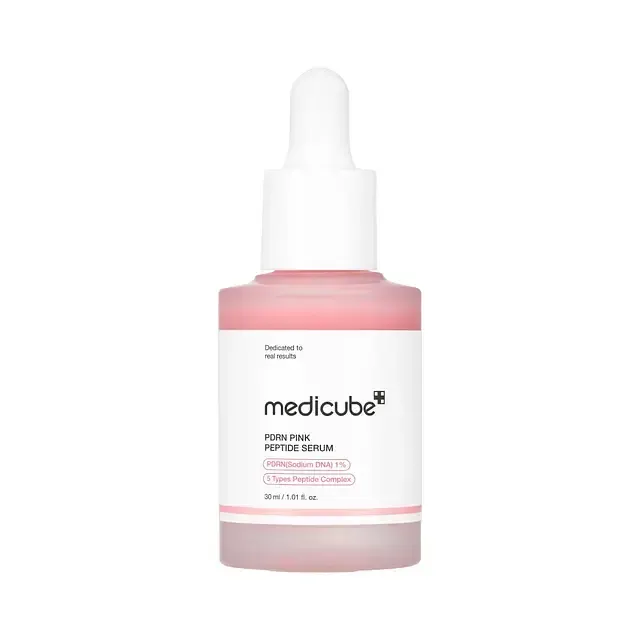
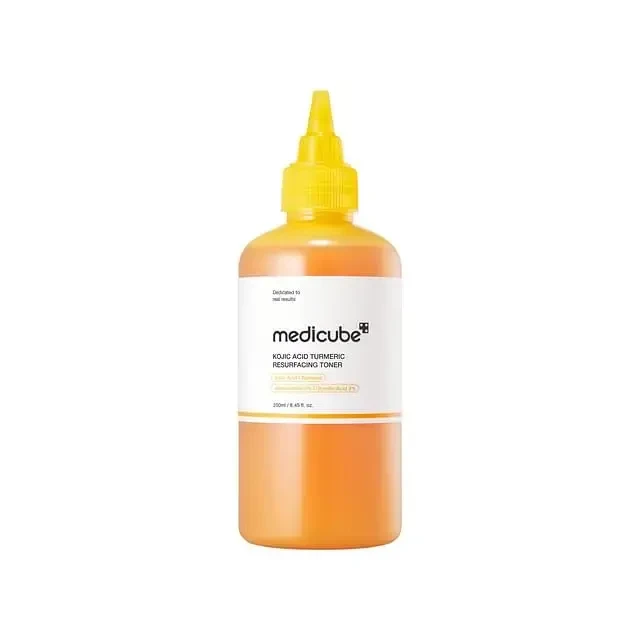
MediCube Kojic Acid Turmeric Resurfacing Toner by MediCube
MediCube

MediCube Kojic Acid Turmeric Resurfacing Toner

Toners

Safety score

Pregnancy-focused assessment

Low Risk78/100
Higher concernLower concern

One or more ingredients have a low-risk flag in MamaSkin's current assessment. Review the notes and your own circumstances.

Formula and assessment check

Ingredient safety review updated 15 February 2026. Product formulas can change, so compare the ingredients shown here with the packaging you have.

Report a formula mismatch

MamaSkin assessment · 15 February 2026

Is MediCube Kojic Acid Turmeric Resurfacing Toner suitable during pregnancy?

MamaSkin currently classifies MediCube Kojic Acid Turmeric Resurfacing Toner as Low risk, with a stored score of 78/100. This is a precautionary classification, not an unqualified pregnancy-safe recommendation. Read the ingredient context and any manual-review explanation below.

What does the ingredient evidence show?

The recorded formula includes 2 ingredient entries with risk flags: Glycolic Acid (Low risk), Kojic Acid (Low risk). These are ingredient-level flags; they do not replace the stored product assessment or account for every formulation detail.

31 of 31 ingredient entries on this page have a recorded score, evidence summary and source text. That describes documentation coverage, not proof that the finished formula has been clinically tested during pregnancy.

Ingredient breakdown

See how the listed formula falls across MamaSkin's pregnancy-focused risk bands.

29

No known risks

2

Low risk

0

Medium risk

0

High risk

Ingredients

Ingredients with a higher risk flag appear first, followed by the rest of the formula.

Glycolic Acid

Low Risk

Alpha-hydroxy acid exfoliant. Listed by MotherToBaby as a common OTC topical acne ingredient used during pregnancy; when used as directed, OTC topical acne treatments are not expected to increase pregnancy complications. For consumer cosmetics, safety guidance commonly frames AHAs as safe at ≤10% (with appropriate pH and daily sun protection). Avoid high-strength/professional peels during pregnancy.

Sources: MotherToBaby: Topical acne treatments in pregnancy and breastfeeding https://www.ncbi.nlm.nih.gov/books/NBK582985/
Kojic Acid

Low Risk

Melanin-inhibiting compound used for pigmentation; topical concentrations ≤1% show minimal systemic absorption. No evidence of reproductive toxicity in humans; animal data limited but non-teratogenic at topical doses. Irritation possible at higher strengths, but no known pregnancy-specific risks.

Sources: SCCS/1637/21: Kojic acid in cosmetic products https://health.ec.europa.eu/publications/kojic-acid_en

Water

No Known Risks

Water (Aqua) is the standard purified water used as a cosmetic solvent. It has no pregnancy-specific risk in normal topical use.

Sources: https://pubchem.ncbi.nlm.nih.gov/compound/Water, https://single-market-economy.ec.europa.eu/sectors/cosmetics/cosmetic-ingredient-database/cosing-glossary-ingredients_en

Show all (31)

Niacinamide

No Known Risks

Niacinamide (vitamin B3) is widely used for barrier support and tone/texture benefits, and is generally considered safe in pregnancy and breastfeeding when used topically at cosmetic concentrations.

Sources: CIR; EU/UK Cosmetics Regulation

1,2-Hexanediol

No Known Risks

1,2-Hexanediol is commonly used as a solvent and preservative booster; topical exposure is low and it has no known pregnancy or breastfeeding concerns at cosmetic concentrations, though very sensitive skin may occasionally react.

Sources: CIR; EU/UK Cosmetics Regulation

Curcuma Longa Root Extract

No Known Risks

Turmeric root extract is used for antioxidant and skin-conditioning effects. Pregnancy cautions relate mainly to concentrated oral supplements; normal topical cosmetic exposure is substantially smaller. The principal topical concern is irritation or allergy in sensitive users.

Sources: NIH NCCIH: Turmeric safety, including separate oral-supplement and topical cautions https://www.nccih.nih.gov/health/turmeric; European Commission CosIng ingredient inventory.

Sodium Hydroxide

No Known Risks

pH adjuster used in very small quantities to balance formulations. Not associated with pregnancy-specific concerns.

Sources: Scientific Committee on Consumer Safety (EU); European cosmetics regulatory framework

C12-14 Alketh-12

No Known Risks

A PEG, PPG or alkoxylated emulsifier or solubiliser used to stabilise a cosmetic formula. CIR assessments of related PEG/PPG materials support use in current cosmetic practices. No pregnancy-specific hazard signal was identified for normal topical exposure; cosmetic-grade manufacture should control ethylene oxide, propylene oxide and 1,4-dioxane residues.

Sources: CIR safety assessments of PEGs, PPGs, Alkyl PEG/PPG Ethers and PEG Fatty Acid Esters; FDA information on 1,4-dioxane in cosmetics https://www.fda.gov/cosmetics/potential-contaminants-cosmetics/14-dioxane-cosmetics; CIR December 2025 Quick Reference Table https://cir-safety.org/sites/default/files/QRT-Update-Dec2025.pdf.

Ethylhexylglycerin

No Known Risks

Preservative booster and skin-conditioning agent. Considered safe for cosmetic use with low systemic exposure when used as intended.

Sources: Scientific Committee on Consumer Safety (EU); Cosmetic Ingredient Review (US)

Gardenia Florida Fruit Extract

No Known Risks

A fruit, seed or food-plant extract used for skin conditioning and antioxidant support. No pregnancy-specific signal was identified for the low topical exposure expected from a finished cosmetic. Direct pregnancy studies are generally unavailable, and botanical allergy remains possible.

Sources: European Commission CosIng ingredient inventory; CIR botanical safety framework and relevant fruit-derived ingredient assessments; peer-reviewed cosmetic and phytochemical literature for the named plants.

Dextrin

No Known Risks

Starch-derived polysaccharide used as a binder, film former and texture support ingredient. Reviewed cosmetic ingredient references do not identify a pregnancy- or breastfeeding-specific concern for normal topical use.

Sources: CIR cosmetic ingredient safety references for polysaccharides/starch-derived ingredients; EU CosIng / cosmetics regulatory inventory

Adenosine

No Known Risks

Skin-conditioning ingredient commonly used in leave-on skincare. Reviewed cosmetic safety sources support normal topical use, with no pregnancy- or breastfeeding-specific topical signal identified in the material reviewed.

Sources: CIR: Safety Assessment of Adenosine Ingredients as Used in Cosmetics; EU CosIng / cosmetics regulatory inventory

Monascus Extract

No Known Risks

No pregnancy-specific harm has been identified for ordinary, correctly formulated topical cosmetic use of monascus extract. This is a bounded botanical/extract assessment; direct pregnancy studies of the exact material are limited and oral, medicinal, damaged-skin or aerosol exposure is not included.

Sources: https://www.cir-safety.org/sites/default/files/Botanical%20Decision%20Tree%20CIR%20June%202012%202.pdf

Lavandula Angustifolia Oil

No Known Risks

Lavender oil is used in cosmetics mainly as a fragrance ingredient. For normal diluted topical cosmetic use, current evidence does not establish a pregnancy-specific concern. This assessment does not cover ingestion, concentrated essential-oil use, or aromatherapy-style exposure. The more relevant practical issues in skincare are irritation or sensitisation in some users, so within this methodology it remains in no known risks.

Sources: NCCIH: Lavender: Usefulness and Safety (2025); EMA HMPC: Lavandulae aetheroleum - herbal medicinal product; Bingham et al., Contact allergy and allergic contact dermatitis caused by lavender: A retrospective study from an Australian clinic (Contact Dermatitis, 2019).

Citrus Aurantium Bergamia Fruit Oil

No Known Risks

Bergamot essential oil used mainly for fragrance. No pregnancy-specific hazard is established for normal topical cosmetic exposure. Expressed bergamot oil can be phototoxic unless furocoumarins are controlled, so sun-exposed use should follow the finished product directions and applicable fragrance standards.

Sources: CIR: Safety Assessment of Citrus-Derived Peel Oils as Used in Cosmetics; IFRA Standard for phototoxicity of bergamot oil

Allantoin

No Known Risks

Allantoin is a soothing skin protectant commonly used to help reduce irritation and support comfort, with no known pregnancy or breastfeeding concerns in topical cosmetic use.

Sources: CIR; EU/UK Cosmetics Regulation

Panthenol

No Known Risks

Panthenol (pro-vitamin B5) is used for soothing and barrier support and is generally well tolerated, with no known pregnancy or breastfeeding concerns in topical cosmetic use.

Sources: CIR; EU/UK Cosmetics Regulation

Sodium Hyaluronate

No Known Risks

Sodium hyaluronate (hyaluronic acid salt) is used for hydration and cushioning, with very low systemic absorption from topical use and no known pregnancy or breastfeeding concerns at cosmetic concentrations.

Sources: CIR; EU/UK Cosmetics Regulation

Hydrolyzed Hyaluronic Acid

No Known Risks

Humectant and skin-conditioning ingredient in the hyaluronate family. Reviewed cosmetic safety sources support current cosmetic use, with no pregnancy- or breastfeeding-specific topical concern identified in the material reviewed.

Sources: CIR: Safety Assessment of Hyaluronates as Used in Cosmetics; EU CosIng / cosmetics regulatory inventory

Sodium Acetylated Hyaluronate

No Known Risks

Modified hyaluronate humectant and skin-conditioning ingredient. Reviewed cosmetic safety sources support topical hyaluronate ingredients, with no pregnancy- or breastfeeding-specific concern identified for normal cosmetic use.

Sources: CIR: Safety Assessment of Hyaluronates as Used in Cosmetics; EU CosIng / cosmetics regulatory inventory

Hydroxypropyltrimonium Hyaluronate

No Known Risks

Cationic hyaluronate derivative used as a humectant and conditioning ingredient. Reviewed topical hyaluronate safety sources support cosmetic use, with no pregnancy- or breastfeeding-specific concern identified.

Sources: CIR: Safety Assessment of Hyaluronates as Used in Cosmetics; EU CosIng / cosmetics regulatory inventory

Hyaluronic Acid

No Known Risks

High-water-binding humectant used to support hydration at the skin surface. Reviewed cosmetic safety sources support normal topical use, with no pregnancy- or breastfeeding-specific topical signal identified in the material reviewed.

Sources: CIR: Safety Assessment of Hyaluronates as Used in Cosmetics; EU CosIng / cosmetics regulatory inventory

Sodium Hyaluronate Crosspolymer

No Known Risks

Crosslinked hyaluronate humectant used to support hydration at the skin surface. Reviewed cosmetic safety sources support normal topical use, with no pregnancy- or breastfeeding-specific topical signal identified.

Sources: CIR: Safety Assessment of Hyaluronates as Used in Cosmetics; EU CosIng / cosmetics regulatory inventory

Potassium Hyaluronate

No Known Risks

Potassium hyaluronate is a salt of hyaluronic acid used as a surface humectant and skin conditioner. The Cosmetic Ingredient Review concluded that reviewed hyaluronates are safe in current cosmetic use, with no pregnancy- or breastfeeding-specific concern identified for normal topical exposure.

Sources: CIR: Safety Assessment of Hyaluronates as Used in Cosmetics https://www.cir-safety.org/supplementaldoc/safety-assessment-hyaluronates-used-cosmetics

Hydrolyzed Sodium Hyaluronate

No Known Risks

Humectant and skin-conditioning ingredient in the hyaluronate family. Reviewed cosmetic safety sources support current cosmetic use, with no pregnancy- or breastfeeding-specific topical concern identified in the material reviewed.

Sources: CIR: Safety Assessment of Hyaluronates as Used in Cosmetics; EU CosIng / cosmetics regulatory inventory

Ceramide NP

No Known Risks

Skin-identical barrier lipid used to support the stratum corneum and reduce dryness. Reviewed cosmetic safety sources support normal topical use, with no pregnancy- or breastfeeding-specific topical signal identified in the material reviewed.

Sources: CIR: Safety Assessment of Ceramides as Used in Cosmetics; EU CosIng / cosmetics regulatory inventory

Hydrogenated Lecithin

No Known Risks

Hydrogenated emulsifier used to support skin barrier feel. Not associated with pregnancy-specific concerns.

Sources: Cosmetic Ingredient Review (US)

Glycerin

No Known Risks

Glycerin is a widely used humectant that supports hydration and the skin barrier, with a long safety record and no known pregnancy or breastfeeding concerns in topical cosmetic use.

Sources: CIR; EU/UK Cosmetics Regulation

Caprylic/Capric Triglyceride

No Known Risks

Common emollient derived from fatty acids and glycerin. Used to soften skin and improve texture without pregnancy-specific concerns.

Sources: Cosmetic Ingredient Review (US); Scientific Committee on Consumer Safety (EU)

Butylene Glycol

No Known Risks

Solvent and humectant commonly used in leave-on products. Not associated with pregnancy-specific concerns at cosmetic exposure levels.

Sources: Cosmetic Ingredient Review (US); Scientific Committee on Consumer Safety (EU)

Magnolia Officinalis Bark Extract

No Known Risks

Magnolia bark extract may contain magnolol and honokiol. Developmental findings involve isolated honokiol delivered systemically at experimental doses and do not establish a hazard from the smaller, formulation-dependent exposure to a topical cosmetic extract.

Sources: PubMed: safety and toxicology review of magnolol and honokiol https://pubmed.ncbi.nlm.nih.gov/29925102/; PubMed: intravenous honokiol embryo-fetal study in rats https://pubmed.ncbi.nlm.nih.gov/26619782/; European Commission CosIng ingredient inventory.

Formulations can change without notice. For the most accurate result, compare this list with your packaging and scan the exact ingredient label in MamaSkin when you repurchase.

Questions about this assessment

Has every ingredient in MediCube Kojic Acid Turmeric Resurfacing Toner been assessed?

31 of 31 ingredient entries on this page have a recorded score, evidence summary and source text. That describes documentation coverage, not proof that the finished formula has been clinically tested during pregnancy.

Does this assessment apply to the MediCube Kojic Acid Turmeric Resurfacing Toner I have?

Only if the ingredient list on your packaging matches the recorded formula shown here. Formulas can differ by market and change over time. Compare the full list, not just the product name; report a mismatch if it differs.

Does this pregnancy assessment also establish breastfeeding suitability?

No. This page presents a pregnancy-focused product assessment. Do not infer a breastfeeding conclusion from its score or label; breastfeeding requires a separate assessment of the formula and how it is used.

How to use this assessment

The risk band is the primary conclusion. The score adds detail within that band and should not be used to compare products as if a one-point difference were clinically meaningful.

MamaSkin provides pregnancy-focused information, not medical advice. Your midwife, GP, pharmacist or dermatologist should take priority when your circumstances differ from typical cosmetic use.

Read the full methodology