MediCube
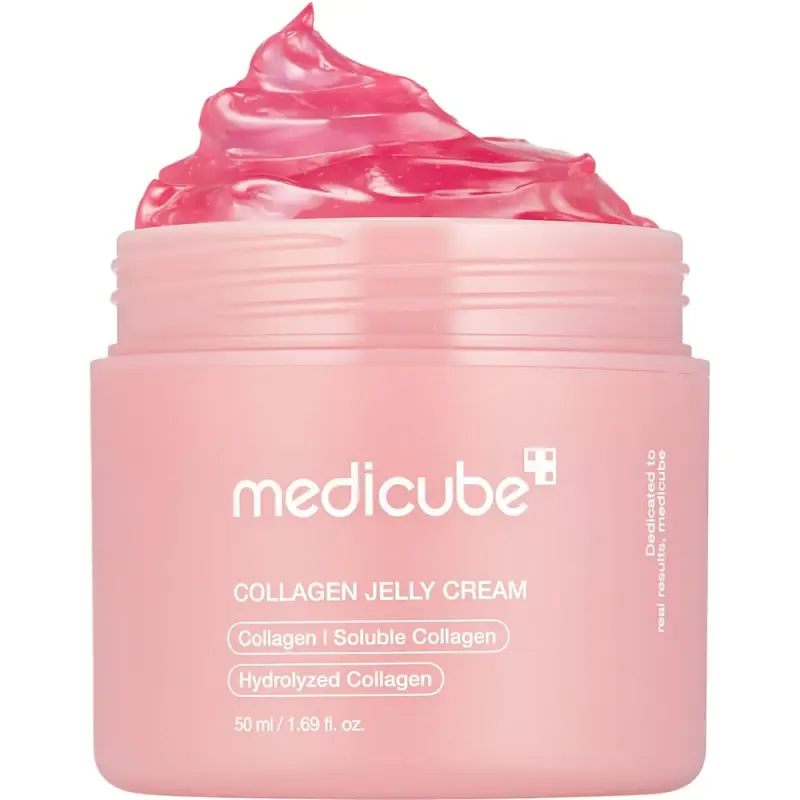
MediCube Collagen Jelly Cream
Low risk76/100

Overnight Masks
Some ingredients carry a low-risk flag. Read the formulation context before deciding.
64 of 64 ingredients rated
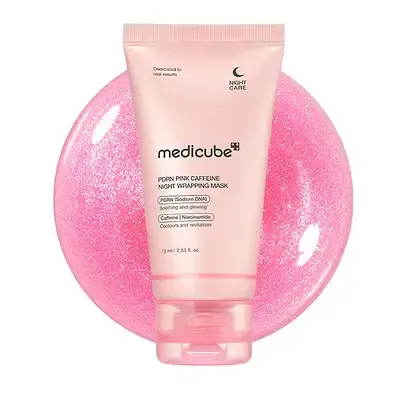
MamaSkin rates the recorded formula for MediCube PDRN Pink Caffeine Overnight Wrapping Mask as Low risk (89/100). Review the ingredient context and any manual-review explanation before deciding.
Contains PDRN/Sodium DNA or a related DNA-derived cosmetic ingredient. Topical PDRN is not currently treated as a known pregnancy-restricted ingredient, but pregnancy-specific data is limited, so MamaSkin scores it conservatively as low risk. This applies to topical cosmetic use only and does not apply to injectable or in-clinic PDRN/polynucleotide treatments.
64 of 64 ingredient entries on this page have a recorded score, evidence summary and source text. That describes documentation coverage, not proof that the finished formula has been clinically tested during pregnancy.
How we assess productsThe recorded formula, with evidence behind each rating. Unmatched ingredients are marked Not assessed in grey.
DNA-derived cosmetic ingredient/label term used in topical PDRN or polynucleotide-style skincare. Topical cosmetic use is not currently treated as a known pregnancy-restricted concern, but pregnancy-specific clinical data remain limited. MamaSkin scores this conservatively as low risk to reflect the evidence gap. This assessment applies to topical cosmetic products only and does not apply to injectable or in-clinic PDRN/polynucleotide treatments. Always review co-ingredients such as retinoids, hydroquinone, high-strength acids or other pregnancy-restricted actives separately.
Sources: Shin et al. 2025: Polynucleotide and PDRN dermatology review https://pubmed.ncbi.nlm.nih.gov/40871045/
Water (Aqua) is the standard purified water used as a cosmetic solvent. It has no pregnancy-specific risk in normal topical use.
Sources: https://pubchem.ncbi.nlm.nih.gov/compound/Water, https://single-market-economy.ec.europa.eu/sectors/cosmetics/cosmetic-ingredient-database/cosing-glossary-ingredients_en
Glycerin is a widely used humectant that supports hydration and the skin barrier, with a long safety record and no known pregnancy or breastfeeding concerns in topical cosmetic use.
Sources: CIR; EU/UK Cosmetics Regulation
An ethoxylated glycerin humectant used to retain moisture and improve product texture. The Cosmetic Ingredient Review assessed glycerin ethoxylates including Glycereth-26 for current cosmetic use; available evidence does not identify a pregnancy- or breastfeeding-specific concern from normal topical exposure.
Sources: CIR: Safety Assessment of Glycerin Ethoxylates https://cir-safety.org/supplementaldoc/safety-assessment-glycerin-ethoxylates-used-cosmetics
A synthetic film-forming polymer used in masks, makeup and hair products. Cosmetic safety reviewers concluded that polyvinyl alcohol is safe in current practices of use and concentration. Dermal absorption of the intact polymer is expected to be limited.
Sources: CIR: Safety Assessment of Polyvinyl Alcohol as Used in Cosmetics, final report December 2013 https://www.cir-safety.org/meeting/129th-cir-expert-panel-meeting
Niacinamide (vitamin B3) is widely used for barrier support and tone/texture benefits, and is generally considered safe in pregnancy and breastfeeding when used topically at cosmetic concentrations.
Sources: CIR; EU/UK Cosmetics Regulation
A solvent or preservative-support ingredient used to dissolve actives and stabilise a formula. No reproductive or pregnancy-specific signal was identified for the low concentrations used in finished topical cosmetics. Solvents can still increase local irritation or the delivery of other formula ingredients.
Sources: European Commission CosIng ingredient inventory; European Chemicals Agency substance information; published dermal and cosmetic-use data for dimethyl isosorbide, phenylpropanol and benzyl glycol.
Natural polysaccharide thickener used for stability and texture. Not associated with pregnancy-specific concerns.
Sources: European cosmetics regulatory framework
A seaweed-derived polysaccharide used as a thickener and stabiliser. Cosmetic safety reviewers included algin in the plant polysaccharide gums group and concluded that the group is safe in current practices of use and concentration. No pregnancy-specific concern was identified for normal topical cosmetic use.
Sources: CIR: Safety Assessment of Plant Polysaccharide Gums as Used in Cosmetics https://www.cir-safety.org/sites/default/files/plpogu092014slr.pdf
A PEG, PPG or alkoxylated emulsifier or solubiliser used to stabilise a cosmetic formula. CIR assessments of related PEG/PPG materials support use in current cosmetic practices. No pregnancy-specific hazard signal was identified for normal topical exposure; cosmetic-grade manufacture should control ethylene oxide, propylene oxide and 1,4-dioxane residues.
Sources: CIR safety assessments of PEGs, PPGs, Alkyl PEG/PPG Ethers and PEG Fatty Acid Esters; FDA information on 1,4-dioxane in cosmetics https://www.fda.gov/cosmetics/potential-contaminants-cosmetics/14-dioxane-cosmetics; CIR December 2025 Quick Reference Table https://cir-safety.org/sites/default/files/QRT-Update-Dec2025.pdf.
Allantoin is a soothing skin protectant commonly used to help reduce irritation and support comfort, with no known pregnancy or breastfeeding concerns in topical cosmetic use.
Sources: CIR; EU/UK Cosmetics Regulation
Synthetic mica-like mineral used for bulking, optical effect, and texture. CIR concluded it is safe as used in cosmetics; normal topical use is not associated with a pregnancy- or breastfeeding-specific topical signal in the material reviewed.
Sources: CIR: Safety Assessment of Synthetic Fluorphlogopite as Used in Cosmetics; EU CosIng / cosmetics regulatory inventory
Preservative booster and skin-conditioning agent. Considered safe for cosmetic use with low systemic exposure when used as intended.
Sources: Scientific Committee on Consumer Safety (EU); Cosmetic Ingredient Review (US)
Skin-conditioning ingredient commonly used in leave-on skincare. Reviewed cosmetic safety sources support normal topical use, with no pregnancy- or breastfeeding-specific topical signal identified in the material reviewed.
Sources: CIR: Safety Assessment of Adenosine Ingredients as Used in Cosmetics; EU CosIng / cosmetics regulatory inventory
A vitamin B ingredient or derivative used for skin or hair conditioning. These vitamins are normal nutrients and no pregnancy-specific concern was identified for the small topical exposure expected from a finished cosmetic. This assessment does not replace guidance about oral supplements or therapeutic doses.
Sources: NIH Office of Dietary Supplements vitamin fact sheets https://ods.od.nih.gov/factsheets/list-all/; CIR: Panthenol, Pantothenic Acid and Derivatives safety assessment https://www.cir-safety.org/supplementaldoc/safety-assessment-panthenol-pantothenic-acid-and-derivatives-used-cosmetics-1
1,2-Hexanediol is commonly used as a solvent and preservative booster; topical exposure is low and it has no known pregnancy or breastfeeding concerns at cosmetic concentrations, though very sensitive skin may occasionally react.
Sources: CIR; EU/UK Cosmetics Regulation
Disodium EDTA is a chelating agent used to improve formula stability and performance; it is considered low concern in topical cosmetic use, with no known pregnancy or breastfeeding risks at typical concentrations.
Sources: CIR; EU/UK Cosmetics Regulation
Colour Index name for titanium dioxide. Used as a pigment and (in some products) a mineral UV filter. For typical topical use in creams, lotions and makeup, systemic absorption is expected to be very low. Most concerns discussed in the literature relate to ingestion (E171) or inhalation from fine powders/sprays, and to nanoparticle characterisation. For routine topical cosmetic use, it is generally considered acceptable in pregnancy and breastfeeding; if you prefer a cautious approach, avoid inhaling loose powders or sprays.
Sources: EFSA opinion on titanium dioxide (E171) ingestion context; SCCS cosmetic opinions (incl. inhalation/nano considerations); general dermatology guidance on mineral sunscreens in pregnancy.
Solvent and humectant commonly used in leave-on products. Not associated with pregnancy-specific concerns at cosmetic exposure levels.
Sources: Cosmetic Ingredient Review (US); Scientific Committee on Consumer Safety (EU)
Rose flower oil is a concentrated fragrance botanical. At normal cosmetic topical use levels, there is no established pregnancy-specific concern. The more relevant issues are irritation and sensitisation from fragrance constituents, which this methodology does not treat as a pregnancy-specific risk.
Sources: General cosmetic fragrance-botanical safety references; exposure-route considerations for topical cosmetic use
Methylxanthine used in cosmetics (e.g., de-puffing/firming and antioxidant support). No pregnancy-specific contraindications are identified for topical cosmetic use.
Sources: CIR (Methylxanthines); PubMed (NLM)
Solvent and humectant used to improve texture and ingredient solubility. Low systemic exposure expected from topical cosmetic use.
Sources: Cosmetic Ingredient Review (US); Scientific Committee on Consumer Safety (EU)
Vitamin C antioxidant used to support brightness and photoprotection; functions as an antioxidant/pH adjuster in cosmetic formulas. No pregnancy-specific contraindications are identified for topical cosmetic use.
Sources: CIR (Ascorbic Acid); PubMed (NLM)
Tocopheryl acetate (vitamin E derivative) is used as an antioxidant and skin-conditioning ingredient; it is considered low concern in topical use with no known pregnancy or breastfeeding risks at cosmetic concentrations.
Sources: CIR; EU/UK Cosmetics Regulation
A red-algae-derived extract used for skin conditioning, hydration or formula texture. Cosmetic safety reviewers concluded that the assessed red algae ingredients, including this extract, are safe in current practices of use and concentration. Cosmetic manufacturers should control naturally occurring contaminants such as heavy metals and arsenic.
Sources: CIR: Safety Assessment of Red Algae-Derived Ingredients as Used in Cosmetics https://cir-reports.cir-safety.org/view-attachment/?id=cef5b6e9-8c74-ec11-8943-0022482f06a6
Amino acid used as a humectant and skin/hair-conditioning support ingredient. Reviewed cosmetic safety sources support normal topical use, with no pregnancy- or breastfeeding-specific topical signal identified.
Sources: CIR: Safety Assessment of alpha-Amino Acids as Used in Cosmetics; EU CosIng / cosmetics regulatory inventory
A hyaluronate-derived conditioning and humectant material modified with a dimethylsilanol group. CIR concluded that reviewed hyaluronates are safe in current cosmetic practices and noted their large molecular size and low expected skin absorption. The exact silanol derivatives have less direct pregnancy-specific evidence, but no reproductive hazard signal was identified for normal topical cosmetic exposure.
Sources: CIR: Safety Assessment of Hyaluronates https://www.cir-safety.org/sites/default/files/TR_Hyaluronates_032023_1.pdf; European Commission CosIng ingredient inventory for Dimethylsilanol Hyaluronate and Sodium Hyaluronate Dimethylsilanol.
Humectant and skin-conditioning ingredient in the hyaluronate family. Reviewed cosmetic safety sources support current cosmetic use, with no pregnancy- or breastfeeding-specific topical concern identified in the material reviewed.
Sources: CIR: Safety Assessment of Hyaluronates as Used in Cosmetics; EU CosIng / cosmetics regulatory inventory
Humectant and skin-conditioning ingredient in the hyaluronate family. Reviewed cosmetic safety sources support current cosmetic use, with no pregnancy- or breastfeeding-specific topical concern identified in the material reviewed.
Sources: CIR: Safety Assessment of Hyaluronates as Used in Cosmetics; EU CosIng / cosmetics regulatory inventory
Amino acid used as a humectant and skin/hair-conditioning support ingredient. Reviewed cosmetic safety sources support normal topical use, with no pregnancy- or breastfeeding-specific topical signal identified.
Sources: CIR: Safety Assessment of alpha-Amino Acids as Used in Cosmetics; EU CosIng / cosmetics regulatory inventory
This naturally occurring alpha-amino acid is used for humectancy and skin or hair conditioning. The Cosmetic Ingredient Review found alpha-amino acids safe in current cosmetic use; the low concentrations and limited dermal uptake are not expected to create a pregnancy- or breastfeeding-specific concern.
Sources: CIR: Safety Assessment of alpha-Amino Acids as Used in Cosmetics https://www.cir-safety.org/supplementaldoc/safety-assessment-%CE%B1-amino-acids-used-cosmetics
Sodium hyaluronate (hyaluronic acid salt) is used for hydration and cushioning, with very low systemic absorption from topical use and no known pregnancy or breastfeeding concerns at cosmetic concentrations.
Sources: CIR; EU/UK Cosmetics Regulation
Potassium hyaluronate is a salt of hyaluronic acid used as a surface humectant and skin conditioner. The Cosmetic Ingredient Review concluded that reviewed hyaluronates are safe in current cosmetic use, with no pregnancy- or breastfeeding-specific concern identified for normal topical exposure.
Sources: CIR: Safety Assessment of Hyaluronates as Used in Cosmetics https://www.cir-safety.org/supplementaldoc/safety-assessment-hyaluronates-used-cosmetics
High-water-binding humectant used to support hydration at the skin surface. Reviewed cosmetic safety sources support normal topical use, with no pregnancy- or breastfeeding-specific topical signal identified in the material reviewed.
Sources: CIR: Safety Assessment of Hyaluronates as Used in Cosmetics; EU CosIng / cosmetics regulatory inventory
Crosslinked hyaluronate humectant used to support hydration at the skin surface. Reviewed cosmetic safety sources support normal topical use, with no pregnancy- or breastfeeding-specific topical signal identified.
Sources: CIR: Safety Assessment of Hyaluronates as Used in Cosmetics; EU CosIng / cosmetics regulatory inventory
Cationic hyaluronate derivative used as a humectant and conditioning ingredient. Reviewed topical hyaluronate safety sources support cosmetic use, with no pregnancy- or breastfeeding-specific concern identified.
Sources: CIR: Safety Assessment of Hyaluronates as Used in Cosmetics; EU CosIng / cosmetics regulatory inventory
This naturally occurring alpha-amino acid is used for humectancy and skin or hair conditioning. The Cosmetic Ingredient Review found alpha-amino acids safe in current cosmetic use; the low concentrations and limited dermal uptake are not expected to create a pregnancy- or breastfeeding-specific concern.
Sources: CIR: Safety Assessment of alpha-Amino Acids as Used in Cosmetics https://www.cir-safety.org/supplementaldoc/safety-assessment-%CE%B1-amino-acids-used-cosmetics
This naturally occurring alpha-amino acid is used for humectancy and skin or hair conditioning. The Cosmetic Ingredient Review found alpha-amino acids safe in current cosmetic use; the low concentrations and limited dermal uptake are not expected to create a pregnancy- or breastfeeding-specific concern.
Sources: CIR: Safety Assessment of alpha-Amino Acids as Used in Cosmetics https://www.cir-safety.org/supplementaldoc/safety-assessment-%CE%B1-amino-acids-used-cosmetics
A hyaluronate-derived conditioning and humectant material modified with a dimethylsilanol group. CIR concluded that reviewed hyaluronates are safe in current cosmetic practices and noted their large molecular size and low expected skin absorption. The exact silanol derivatives have less direct pregnancy-specific evidence, but no reproductive hazard signal was identified for normal topical cosmetic exposure.
Sources: CIR: Safety Assessment of Hyaluronates https://www.cir-safety.org/sites/default/files/TR_Hyaluronates_032023_1.pdf; European Commission CosIng ingredient inventory for Dimethylsilanol Hyaluronate and Sodium Hyaluronate Dimethylsilanol.
An animal-derived protein, peptide or secretion filtrate used for hydration and skin conditioning. These large components are expected to have low systemic absorption through intact skin. No pregnancy-specific hazard signal was identified for normal topical cosmetic use. Cosmetic-grade materials should be processed to control microorganisms, infectious agents and source-derived impurities, and protein allergy remains possible.
Sources: CIR: Safety Assessment of Skin and Connective Tissue-Derived Proteins and Peptides https://www.cir-safety.org/sites/default/files/tsupep092017final.pdf; European Commission CosIng ingredient inventory; peer-reviewed cosmetic literature on snail secretion filtrate.
A structural protein or hydrolysed peptide used for skin or hair conditioning. Cosmetic safety reviewers concluded that the assessed skin and connective-tissue-derived proteins are safe in current practices, subject to appropriate animal-source and impurity controls. Protein sensitivity remains possible.
Sources: CIR: Safety Assessment of Skin and Connective Tissue-Derived Proteins and Peptides as Used in Cosmetics https://www.cir-safety.org/sites/default/files/tsupep092017final.pdf
Amino acid used as a humectant and skin/hair-conditioning support ingredient. Reviewed cosmetic safety sources support normal topical use, with no pregnancy- or breastfeeding-specific topical signal identified.
Sources: CIR: Safety Assessment of alpha-Amino Acids as Used in Cosmetics; EU CosIng / cosmetics regulatory inventory
This naturally occurring alpha-amino acid is used for humectancy and skin or hair conditioning. The Cosmetic Ingredient Review found alpha-amino acids safe in current cosmetic use; the low concentrations and limited dermal uptake are not expected to create a pregnancy- or breastfeeding-specific concern.
Sources: CIR: Safety Assessment of alpha-Amino Acids as Used in Cosmetics https://www.cir-safety.org/supplementaldoc/safety-assessment-%CE%B1-amino-acids-used-cosmetics
Modified hyaluronate humectant and skin-conditioning ingredient. Reviewed cosmetic safety sources support topical hyaluronate ingredients, with no pregnancy- or breastfeeding-specific concern identified for normal cosmetic use.
Sources: CIR: Safety Assessment of Hyaluronates as Used in Cosmetics; EU CosIng / cosmetics regulatory inventory
Amino acid used as a humectant, skin-conditioning agent, and pH-adjusting support ingredient. Reviewed cosmetic safety sources support normal topical use, with no pregnancy- or breastfeeding-specific topical signal identified in the material reviewed.
Sources: CIR: Safety Assessment of α-Amino Acids as Used in Cosmetics; EU CosIng / cosmetics regulatory inventory
This naturally occurring alpha-amino acid is used for humectancy and skin or hair conditioning. The Cosmetic Ingredient Review found alpha-amino acids safe in current cosmetic use; the low concentrations and limited dermal uptake are not expected to create a pregnancy- or breastfeeding-specific concern.
Sources: CIR: Safety Assessment of alpha-Amino Acids as Used in Cosmetics https://www.cir-safety.org/supplementaldoc/safety-assessment-%CE%B1-amino-acids-used-cosmetics
This naturally occurring alpha-amino acid is used for humectancy and skin or hair conditioning. The Cosmetic Ingredient Review found alpha-amino acids safe in current cosmetic use; the low concentrations and limited dermal uptake are not expected to create a pregnancy- or breastfeeding-specific concern.
Sources: CIR: Safety Assessment of alpha-Amino Acids as Used in Cosmetics https://www.cir-safety.org/supplementaldoc/safety-assessment-%CE%B1-amino-acids-used-cosmetics
This naturally occurring alpha-amino acid is used for humectancy and skin or hair conditioning. The Cosmetic Ingredient Review found alpha-amino acids safe in current cosmetic use; the low concentrations and limited dermal uptake are not expected to create a pregnancy- or breastfeeding-specific concern.
Sources: CIR: Safety Assessment of alpha-Amino Acids as Used in Cosmetics https://www.cir-safety.org/supplementaldoc/safety-assessment-%CE%B1-amino-acids-used-cosmetics
Amino acid used as a humectant and skin/hair-conditioning support ingredient. Reviewed cosmetic safety sources support normal topical use, with no pregnancy- or breastfeeding-specific topical signal identified.
Sources: CIR: Safety Assessment of alpha-Amino Acids as Used in Cosmetics; EU CosIng / cosmetics regulatory inventory
Amino acid used as a humectant and skin/hair-conditioning support ingredient. Reviewed cosmetic safety sources support normal topical use, with no pregnancy- or breastfeeding-specific topical signal identified.
Sources: CIR: Safety Assessment of alpha-Amino Acids as Used in Cosmetics; EU CosIng / cosmetics regulatory inventory
This naturally occurring alpha-amino acid is used for humectancy and skin or hair conditioning. The Cosmetic Ingredient Review found alpha-amino acids safe in current cosmetic use; the low concentrations and limited dermal uptake are not expected to create a pregnancy- or breastfeeding-specific concern.
Sources: CIR: Safety Assessment of alpha-Amino Acids as Used in Cosmetics https://www.cir-safety.org/supplementaldoc/safety-assessment-%CE%B1-amino-acids-used-cosmetics
Humectant and preservative booster used to support product stability. Low systemic exposure expected from topical cosmetic use.
Sources: Scientific Committee on Consumer Safety (EU); Cosmetic Ingredient Review (US)
This naturally occurring alpha-amino acid is used for humectancy and skin or hair conditioning. The Cosmetic Ingredient Review found alpha-amino acids safe in current cosmetic use; the low concentrations and limited dermal uptake are not expected to create a pregnancy- or breastfeeding-specific concern.
Sources: CIR: Safety Assessment of alpha-Amino Acids as Used in Cosmetics https://www.cir-safety.org/supplementaldoc/safety-assessment-%CE%B1-amino-acids-used-cosmetics
An amino acid or amino-acid salt used for conditioning, buffering or hydration. Cosmetic safety reviewers concluded that the assessed animal- and plant-derived amino acids are safe in current practices of use and concentration. No pregnancy-specific concern was identified for normal topical exposure.
Sources: CIR: Safety Assessment of Animal- and Plant-Derived Amino Acids as Used in Cosmetics; December 2025 Quick Reference Table https://cir-safety.org/sites/default/files/QRT-Update-Dec2025.pdf
An amino acid or amino-acid salt used for conditioning, buffering or hydration. Cosmetic safety reviewers concluded that the assessed animal- and plant-derived amino acids are safe in current practices of use and concentration. No pregnancy-specific concern was identified for normal topical exposure.
Sources: CIR: Safety Assessment of Animal- and Plant-Derived Amino Acids as Used in Cosmetics; December 2025 Quick Reference Table https://cir-safety.org/sites/default/files/QRT-Update-Dec2025.pdf
This sugar or sugar alcohol is used as a humectant and skin-conditioning ingredient. Cosmetic Ingredient Review assessments support these saccharides in current cosmetic use, with no pregnancy- or breastfeeding-specific concern identified for normal topical exposure.
Sources: CIR: Safety Assessment of Monosaccharides Disaccharides and Related Ingredients as Used in Cosmetics https://cir-safety.org/supplementaldoc/safety-assessment-monosaccharides-disaccharides-and-related-ingredients-used-cosmeti
Synthetic peptide used as a skin-conditioning ingredient. Reviewed cosmetic safety sources do not indicate a known pregnancy- or breastfeeding-specific concern in normal topical cosmetic use. The available cosmetic safety assessment concluded this ingredient is safe in cosmetics at concentrations up to 0.005%; safety above that concentration was not established in the reviewed report.
Sources: CIR Expert Panel, Safety Assessment of Acetyl Hexapeptide-8 Amide as Used in Cosmetics, final report, 2021
Copper-binding carrier peptide also known as GHK-Cu, used topically in cosmetic skin-renewal, anti-aging, barrier-support and hair/scalp products. Reviewed literature describes topical cosmetic use and does not identify a pregnancy- or breastfeeding-specific risk signal for normal topical use. This assessment does not apply to injectable copper peptides or oral peptide/copper supplementation.
Sources: Schagen SK. Topical Peptide Treatments with Effective Anti-Aging Results. Cosmetics. 2017;4(2):16. doi:10.3390/cosmetics4020016; Pickart L et al. Regenerative and Protective Actions of the GHK-Cu Peptide in the Light of the New Gene Data. Int J Mol Sci. 2018;19(7):1987. doi:10.3390/ijms19071987.
Short synthetic peptide used as a skin-conditioning cosmetic ingredient. Cosmetic safety review sources for tripeptide-1 and related derivatives do not identify a pregnancy- or breastfeeding-specific concern for normal topical cosmetic use.
Sources: CIR Expert Panel. Safety Assessment of Tripeptide-1, Hexapeptide-12, their metal salts and fatty acyl derivatives, and Palmitoyl Tetrapeptide-7 as used in cosmetics. Final report, 2014; Schagen 2017 doi:10.3390/cosmetics4020016.
Synthetic peptide used as a skin-conditioning ingredient. Reviewed cosmetic safety sources indicate no known pregnancy- or breastfeeding-specific concern in normal topical cosmetic use. Available cosmetic safety assessments conclude this ingredient is safe in the present practices of use and concentration described for cosmetics.
Sources: CIR Expert Panel, Safety Assessment of Tripeptide-1, Hexapeptide-12, their metal salts and fatty acyl derivatives, and Palmitoyl Tetrapeptide-7 as used in cosmetics, final report, 2014
Synthetic palmitoylated signal peptide used in topical anti-aging cosmetics. It is one of the better-studied cosmetic peptides, with reviewed topical literature describing controlled cosmetic studies and no pregnancy- or breastfeeding-specific concern for normal topical cosmetic use.
Sources: Schagen SK. Topical Peptide Treatments with Effective Anti-Aging Results. Cosmetics. 2017;4(2):16. doi:10.3390/cosmetics4020016; Robinson LR et al. Topical palmitoyl pentapeptide provides improvement in photoaged human facial skin. Int J Cosmet Sci. 2005;27(3):155-160.
A structural protein or hydrolysed peptide used for skin or hair conditioning. Cosmetic safety reviewers concluded that the assessed skin and connective-tissue-derived proteins are safe in current practices, subject to appropriate animal-source and impurity controls. Protein sensitivity remains possible.
Sources: CIR: Safety Assessment of Skin and Connective Tissue-Derived Proteins and Peptides as Used in Cosmetics https://www.cir-safety.org/sites/default/files/tsupep092017final.pdf
Synthetic cosmetic peptide used in topical anti-aging and skin-conditioning formulas. Available cosmetic ingredient references and topical peptide literature do not identify a known pregnancy- or breastfeeding-specific concern for normal topical cosmetic use.
Sources: Schagen SK. Topical Peptide Treatments with Effective Anti-Aging Results. Cosmetics. 2017;4(2):16. doi:10.3390/cosmetics4020016; EU CosIng / INCI cosmetic ingredient references.
Synthetic cosmetic peptide used in topical brightening and skin-conditioning formulas. Reviewed cosmetic peptide literature and cosmetic ingredient references do not identify a pregnancy- or breastfeeding-specific concern for normal topical cosmetic use.
Sources: Schagen SK. Topical Peptide Treatments with Effective Anti-Aging Results. Cosmetics. 2017;4(2):16. doi:10.3390/cosmetics4020016; EU CosIng / INCI cosmetic ingredient references.
Water, Glycerin, Glycereth-26, Polyvinyl Alcohol, Niacinamide, Benzyl Glycol, Xanthan Gum, Algin, C12-14 Alketh-12, Allantoin, Synthetic Fluorphlogopite, Ethylhexylglycerin, Adenosine, Cyanocobalamin, 1,2-Hexanediol, Disodium EDTA, CI 77891, Sodium Dna, Butylene Glycol, Rosa Damascena Flower Oil, Caffeine, Propanediol, Ascorbic Acid, Tocopheryl Acetate, Chondrus Crispus Extract, Glycine, Dimethylsilanol Hyaluronate, Hydrolyzed Sodium Hyaluronate, Hydrolyzed Hyaluronic Acid, Serine, Glutamic Acid, Sodium Hyaluronate, Potassium Hyaluronate, Hyaluronic Acid, Sodium Hyaluronate Crosspolymer, Hydroxypropyltrimonium Hyaluronate, Aspartic Acid, Leucine, Sodium Hyaluronate Dimethylsilanol, Collagen Extract, Hydrolyzed Elastin, Alanine, Lysine, Sodium Acetylated Hyaluronate, Arginine, Tyrosine, Phenylalanine, Valine, Threonine, Proline, Isoleucine, Caprylyl Glycol, Histidine, Methionine, Cysteine, Mannitol, Acetyl Hexapeptide-8, Copper Tripeptide-1, Tripeptide-1, Palmitoyl Tripeptide-1, Palmitoyl Pentapeptide-4, Collagen, Hexapeptide-9, Nonapeptide-1
Ingredient ratings refreshed 1 October 2026. Formulas vary by market and can change. Always compare with your packaging.
Contains PDRN/Sodium DNA or a related DNA-derived cosmetic ingredient. Topical PDRN is not currently treated as a known pregnancy-restricted ingredient, but pregnancy-specific data is limited, so MamaSkin scores it conservatively as low risk. This applies to topical cosmetic use only and does not apply to injectable or in-clinic PDRN/polynucleotide treatments. The product score is a stored assessment, not a clinical safety guarantee.
No. The recorded ingredient list includes a DNA ingredient used in a topical cosmetic. This page assesses that recorded cosmetic formula, not injections, a clinic procedure or every product sold as PDRN. Check the individual ingredient entry below for its available rating and evidence.
64 of 64 ingredient entries on this page have a recorded score, evidence summary and source text. That describes documentation coverage, not proof that the finished formula has been clinically tested during pregnancy.
Only if the ingredient list on your packaging matches the recorded formula shown here. Formulas can differ by market and change over time. Compare the full list, not just the product name; report a mismatch if it differs.
No. This page presents a pregnancy-focused product assessment. Do not infer a breastfeeding conclusion from its score or label; breastfeeding requires a separate assessment of the formula and how it is used.