MediCube
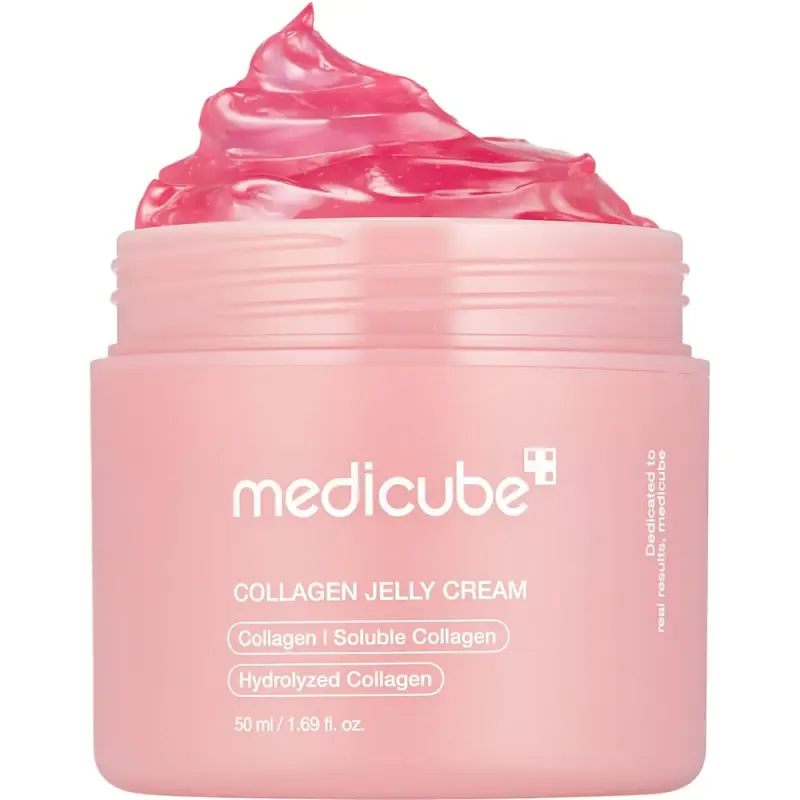
MediCube Collagen Jelly Cream
Low risk76/100

Some ingredients carry a low-risk flag. Read the formulation context before deciding.
37 of 37 ingredients rated
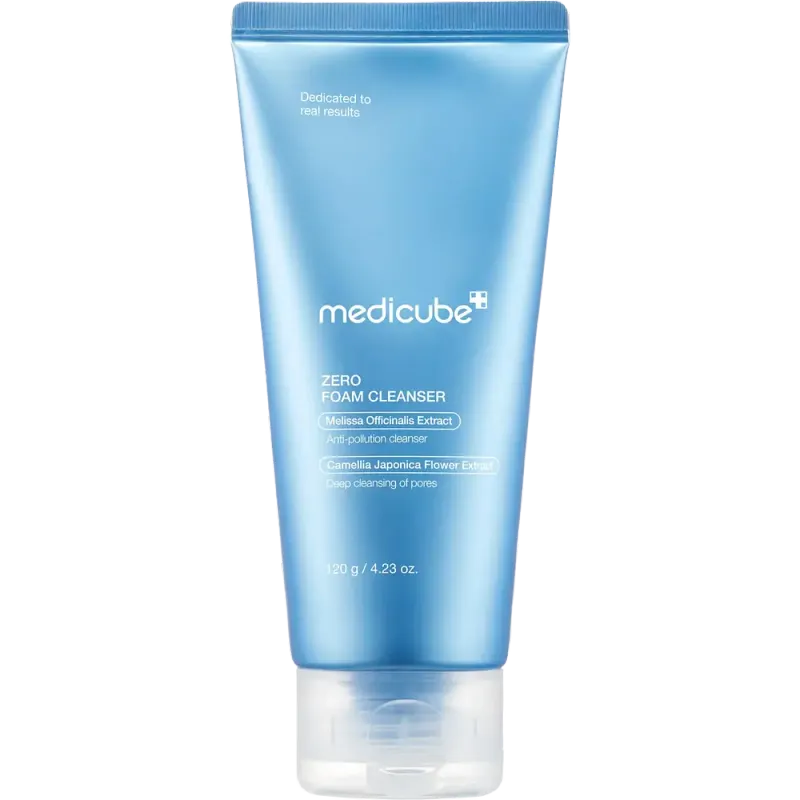
MamaSkin rates the recorded formula for MediCube Zero Foam Cleanser as Low risk (76/100). Review the ingredient context and any manual-review explanation before deciding.
The recorded formula includes 2 ingredient entries with risk flags: Parfum (Low risk), Gaultheria Procumbens Leaf Extract (Low risk). These are ingredient-level flags; they do not replace the stored product assessment or account for every formulation detail.
37 of 37 ingredient entries on this page have a recorded score, evidence summary and source text. That describes documentation coverage, not proof that the finished formula has been clinically tested during pregnancy.
How we assess productsThe recorded formula, with evidence behind each rating. Unmatched ingredients are marked Not assessed in grey.
Umbrella term for an undisclosed fragrance blend. It’s not usually a pregnancy-specific concern at normal cosmetic use levels, but the exact components and concentrations aren’t fully disclosed on the label, so we score it more conservatively. If you prefer maximum transparency (or you’re sensitive to fragrance compounds), choose fragrance-free/unscented products.
Sources: SCCS: Fragrance allergens in cosmetic products https://health.ec.europa.eu/latest-updates/sccs-new-opinion-fragrance-allergens-cosmetic-products-2012-07-31_en
Standardised wintergreen leaf extracts can contain methyl salicylate, but extraction changes the amount greatly and the cosmetic material is not the methyl-salicylate-rich leaf oil rated Medium. Low is precautionary until the exact extract's assay and product dose are known.
Sources: https://pubmed.ncbi.nlm.nih.gov/28272321/, https://assets.publishing.service.gov.uk/media/65eae7d15b6524cb5ff21a92/sag-cs-opinion-12-methyl-salicylate-in-cosmetic-products.pdf
Water (Aqua) is the standard purified water used as a cosmetic solvent. It has no pregnancy-specific risk in normal topical use.
Sources: https://pubchem.ncbi.nlm.nih.gov/compound/Water, https://single-market-economy.ec.europa.eu/sectors/cosmetics/cosmetic-ingredient-database/cosing-glossary-ingredients_en
Glycerin is a widely used humectant that supports hydration and the skin barrier, with a long safety record and no known pregnancy or breastfeeding concerns in topical cosmetic use.
Sources: CIR; EU/UK Cosmetics Regulation
This naturally occurring fatty acid is used for emolliency, cleansing support or texture. The Cosmetic Ingredient Review concluded that assessed fatty acids are safe in current cosmetic use when formulated to be non-irritating and non-sensitizing; some can increase penetration of other formula ingredients.
Sources: CIR: Safety Assessment of Fatty Acids and Fatty Acid Salts as Used in Cosmetics https://cir-safety.org/supplementaldoc/safety-assessment-fatty-acids-fatty-acid-salts-used-cosmetic
Sugar alcohol humectant used to help maintain water content at the skin surface. Reviewed cosmetic safety sources support normal topical use, with no pregnancy- or breastfeeding-specific topical signal identified in the material reviewed.
Sources: CIR: Safety Assessment of Mannitol, Sorbitol, and Xylitol as Used in Cosmetics; EU CosIng / cosmetics regulatory inventory
Fatty acid used as an emollient, cleansing-support and texture ingredient. It is not associated with pregnancy- or breastfeeding-specific concerns in normal topical cosmetic use.
Sources: CIR: Safety Assessment of Fatty Acids and Fatty Acid Salts as Used in Cosmetics; EU CosIng / cosmetics regulatory inventory
A strongly alkaline raw material used mainly in small amounts to adjust pH or during soap manufacture. Concentrated potassium hydroxide is corrosive, but that raw-material hazard is not representative of a correctly formulated finished cosmetic. Cosmetic safety reviewers concluded that inorganic hydroxides are safe in current cosmetic uses when products are formulated to be non-irritating, with special handling conditions for depilatories and hair straighteners. No pregnancy-specific concern is identified for normal use of a compliant finished product.
Sources: CIR: Safety Assessment of Inorganic Hydroxides as Used in Cosmetics https://www.cir-safety.org/supplementaldoc/safety-assessment-inorganic-hydroxides-used-cosmetics-0
Stearic acid is a fatty acid used to stabilise emulsions and improve texture; it is considered low concern in topical cosmetics with no known pregnancy or breastfeeding risks at typical concentrations.
Sources: CIR; EU/UK Cosmetics Regulation
This naturally occurring fatty acid is used for emolliency, cleansing support or texture. The Cosmetic Ingredient Review concluded that assessed fatty acids are safe in current cosmetic use when formulated to be non-irritating and non-sensitizing; some can increase penetration of other formula ingredients.
Sources: CIR: Safety Assessment of Fatty Acids and Fatty Acid Salts as Used in Cosmetics https://cir-safety.org/supplementaldoc/safety-assessment-fatty-acids-fatty-acid-salts-used-cosmetic
Emollient ester/emulsifier used to improve skin feel and stabilise emulsions. Reviewed cosmetic safety sources support topical cosmetic use; the relevant practical caveat is formulation irritation potential rather than a pregnancy-specific concern.
Sources: CIR: Amended Safety Assessment of Alkyl Esters as Used in Cosmetics; CIR Quick Reference Table (Cetearyl Olivate); EU CosIng / cosmetics regulatory inventory
An amino-acid-derived surfactant or conditioning ingredient. Cosmetic safety reviewers concluded that amino acid alkyl amides are safe in current cosmetic practices when formulated to be non-irritating. Manufacturing and formulation should control nitrosamine formation where relevant.
Sources: CIR: Safety Assessment of Amino Acid Alkyl Amides as Used in Cosmetics https://www.cir-safety.org/supplementaldoc/safety-assessment-amino-acid-alkyl-amides-used-cosmetics-0
Sodium cocoyl isethionate is a cleansing surfactant. The Cosmetic Ingredient Review concluded that isethionate salts are safe in current cosmetic use when formulated to be non-irritating, and reviewed reproductive and developmental data did not identify a pregnancy-specific signal.
Sources: CIR: Amended Safety Assessment of Isethionate Salts as Used in Cosmetics https://cir-safety.org/supplementaldoc/amended-safety-assessment-isethionate-salts-used-cosmetics-0
Olive-derived sorbitan ester used as an emulsifier and skin-conditioning ingredient. Reviewed cosmetic safety references do not identify a pregnancy- or breastfeeding-specific concern for normal topical use.
Sources: CIR: Safety Assessment of Sorbitan Esters as Used in Cosmetics; EU CosIng / cosmetics regulatory inventory
A fatty-acid salt used mainly as a soap, cleanser, emulsifier or formula structurant. Cosmetic safety reviewers concluded that sodium palmate and potassium cocoate are safe in current cosmetic practices, with non-irritating formulation conditions where specified.
Sources: CIR: Sodium Palmate conclusion, IJT 36(Suppl. 3), 2017; Potassium Cocoate conclusions, IJT 30(Suppl. 1), 2011 and IJT 34(Suppl. 2), 2015; December 2025 Quick Reference Table https://cir-safety.org/sites/default/files/QRT-Update-Dec2025.pdf
A coconut-derived fatty ingredient used for cleansing, emollience or formula texture. Cosmetic safety reviewers concluded that coconut acid, hydrogenated coco-glycerides and the supported coconut-derived group are safe as cosmetic ingredients. Coconut allergy may still matter for a susceptible person.
Sources: CIR: Safety Assessment of Cocos nucifera (Coconut)-Derived Ingredients; December 2025 Quick Reference Table https://cir-safety.org/sites/default/files/QRT-Update-Dec2025.pdf
Solvent and humectant commonly used in leave-on products. Not associated with pregnancy-specific concerns at cosmetic exposure levels.
Sources: Cosmetic Ingredient Review (US); Scientific Committee on Consumer Safety (EU)
An isethionate salt used for cleansing or formula support. Cosmetic safety reviewers concluded that isethionate salts, including sodium isethionate, are safe in current practices when formulated to be non-irritating.
Sources: CIR: Isethionate Salts conclusion, IJT 36(Suppl. 1), 2017; December 2025 Quick Reference Table https://cir-safety.org/sites/default/files/QRT-Update-Dec2025.pdf
Polymer used for texture and absorbency. Large-molecule ingredient with low systemic exposure.
Sources: Cosmetic Ingredient Review (US); Scientific Committee on Consumer Safety (EU)
A purslane extract used mainly for skin conditioning. Cosmetic safety reviewers concluded that Portulaca oleracea extract is safe in current cosmetic practices when formulated to be non-sensitising. Botanical irritation or allergy remains possible, but no pregnancy-specific concern was identified for normal topical use.
Sources: CIR: Safety Assessment of Portulaca oleracea-Derived Ingredients as Used in Cosmetics https://cir-reports.cir-safety.org/view-attachment/?id=5c0d093e-6947-f945-8d16-43dd820a5e63
Disodium EDTA is a chelating agent used to improve formula stability and performance; it is considered low concern in topical cosmetic use, with no known pregnancy or breastfeeding risks at typical concentrations.
Sources: CIR; EU/UK Cosmetics Regulation
A flower-derived cosmetic extract used for conditioning or antioxidant support. Available botanical and cosmetic-use information does not identify a pregnancy- or breastfeeding-specific hazard from normal topical exposure. Extract composition and concentration vary, so this conclusion does not extend to concentrated oral herbal preparations; local plant allergy remains possible.
Sources: European Commission CosIng ingredient inventory; CIR botanical safety framework and relevant Camellia-derived ingredient reviews; peer-reviewed cosmetic literature on Camellia japonica extracts.
Solvent and humectant used to improve texture and ingredient solubility. Low systemic exposure expected from topical cosmetic use.
Sources: Cosmetic Ingredient Review (US); Scientific Committee on Consumer Safety (EU)
An ester of a dicarboxylic acid used as an emollient, solvent or texture agent. Cosmetic safety reviewers concluded that the assessed alkyl dicarboxylic acid esters are safe in current practices of use and concentration. No pregnancy-specific concern was identified for normal topical exposure.
Sources: CIR: Safety Assessment of Alkyl Dicarboxylic Acid Esters as Used in Cosmetics https://cir-reports.cir-safety.org/view-attachment/?id=d8d3785f-8e74-ec11-8943-0022482f06a6
Emulsifier and skin-conditioning ingredient composed of phospholipids. Not associated with pregnancy-specific concerns.
Sources: Cosmetic Ingredient Review (US)
1,2-Hexanediol is commonly used as a solvent and preservative booster; topical exposure is low and it has no known pregnancy or breastfeeding concerns at cosmetic concentrations, though very sensitive skin may occasionally react.
Sources: CIR; EU/UK Cosmetics Regulation
For ordinary topical cosmetic use, no pregnancy-specific harm has been established for saponaria officinalis leaf extract. Saponin-related skin irritation possible; no pregnancy-specific normal topical signal. A topical anti-acne trial includes Saponaria officinalis extracts but is not explicitly this leaf preparation or a pregnancy study. Direct human gestational studies and finished-product constituent levels are limited; oral, medicinal, and concentrated preparations are not covered.
A charged acrylic-sulfonate dispersing polymer. Defined repeat-unit chemistry and related safety evidence support normal topical use, without an identified pregnancy-specific concern.
Sources: https://kcia.or.kr/cid/search/ingd_view.php?no=9044, https://www.cir-safety.org/sites/default/files/acryco122018FAR.pdf, https://www.cir-safety.org/sites/default/files/ACTAPY042017FR.pdf
A synthetic antioxidant used to protect skin and formulas from oxidative stress. Available cosmetic-use evidence did not identify a reproductive or developmental hazard from normal topical exposure.
Sources: European Commission CosIng ingredient inventory; peer-reviewed cosmetic literature on dimethylmethoxy chromanol.
Emollient, co-emulsifier and preservative-support ingredient used in topical cosmetics. Reviewed cosmetic ingredient references do not identify a pregnancy- or breastfeeding-specific concern for normal topical use.
Sources: CIR: Safety Assessment of Monoglyceryl Monoesters as Used in Cosmetics; EU CosIng / cosmetics regulatory inventory
pH adjuster used in small amounts to maintain product stability. Not associated with pregnancy-specific concerns.
Sources: Scientific Committee on Consumer Safety (EU); European cosmetics regulatory framework
Preservative widely used in foods and cosmetics. Considered safe at regulated concentrations with low systemic exposure from topical use.
Sources: Scientific Committee on Consumer Safety (EU); European cosmetics regulatory framework
Preservative widely used in foods and cosmetics. Considered safe at regulated concentrations with low systemic exposure from topical use.
Sources: Scientific Committee on Consumer Safety (EU); European cosmetics regulatory framework
Natural polysaccharide thickener used for stability and texture. Not associated with pregnancy-specific concerns.
Sources: European cosmetics regulatory framework
chaenomeles sinensis fruit extract is a botanical-derived cosmetic conditioning ingredient. The reviewed identity is not a concentrated essential oil or an oral herbal preparation. Available cosmetic evidence and expected topical exposure did not identify a pregnancy-specific contraindication, although botanical irritation or allergy remains possible.
Sources: CIR ingredient-specific and botanical-family safety assessments; CIR Quick Reference Table https://www.cir-safety.org/supplementaldoc/quick-reference-table-december-2025; European Commission CosIng
The 2021 final CIR assessment explicitly includes the exact flower- or leaf-derived Citrus identity among 33 ingredients concluded safe in current cosmetic practices and concentrations.
Sources: https://cir-safety.org/sites/default/files/QRT-Update-Dec2025.pdf
A lemon-balm leaf extract used for skin conditioning and fragrance. No pregnancy- or breastfeeding-specific hazard was identified for normal topical cosmetic exposure. Direct ingredient-specific pregnancy studies were not identified, so this assessment does not extend to oral supplements or medicinal use.
Sources: European Commission CosIng ingredient inventory; Cosmetic Ingredient Review botanical safety-assessment framework and relevant ingredient-family assessments. No ingredient-specific human pregnancy study of normal topical cosmetic use was identified.
Water, Glycerin, Myristic Acid, Sorbitol, Palmitic Acid, Potassium Hydroxide, Stearic Acid, Lauric Acid, Cetearyl Olivate, Potassium Cocoyl Glycinate, Parfum, Sodium Cocoyl Isethionate, Sorbitan Olivate, Potassium Cocoate, Coconut Acid, Butylene Glycol, Sodium Isethionate, Sodium Polyacrylate, Portulaca Oleracea Extract, Gaultheria Procumbens Leaf Extract, Disodium EDTA, Camellia Japonica Flower Extract, Propanediol, Diisopropyl Adipate, Lecithin, 1,2-Hexanediol, Saponaria Officinalis Leaf Extract, Acrylic Acid/Acrylamidomethyl Propane Sulfonic Acid Copolymer, Dimethylmethoxy Chromanol, Glyceryl Caprylate, Citric Acid, Potassium Sorbate, Sodium Benzoate, Xanthan Gum, Chaenomeles Sinensis Fruit Extract, Citrus Aurantium Dulcis Flower Extract, Melissa Officinalis Leaf Extract
Ingredient ratings refreshed 15 October 2026. Formulas vary by market and can change. Always compare with your packaging.
The recorded formula includes 2 ingredient entries with risk flags: Parfum (Low risk), Gaultheria Procumbens Leaf Extract (Low risk). These are ingredient-level flags; they do not replace the stored product assessment or account for every formulation detail. The product score is a stored assessment, not a clinical safety guarantee.
37 of 37 ingredient entries on this page have a recorded score, evidence summary and source text. That describes documentation coverage, not proof that the finished formula has been clinically tested during pregnancy.
Only if the ingredient list on your packaging matches the recorded formula shown here. Formulas can differ by market and change over time. Compare the full list, not just the product name; report a mismatch if it differs.
No. This page presents a pregnancy-focused product assessment. Do not infer a breastfeeding conclusion from its score or label; breastfeeding requires a separate assessment of the formula and how it is used.