rhode
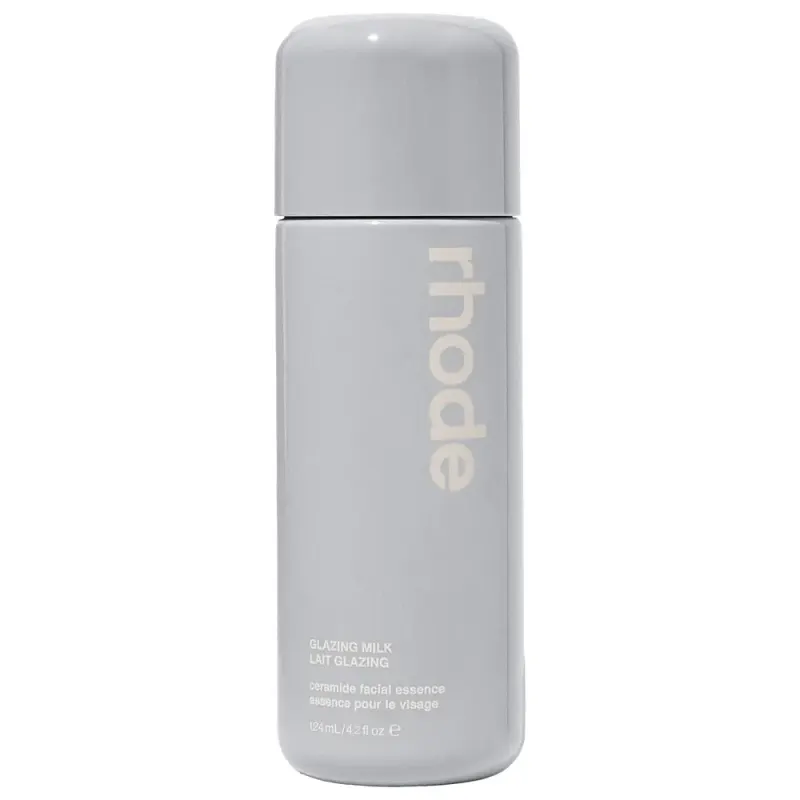
rhode Glazing Milk Essence
Low risk76/100

Some ingredients carry a low-risk flag. Read the formulation context before deciding.
35 of 35 ingredients rated
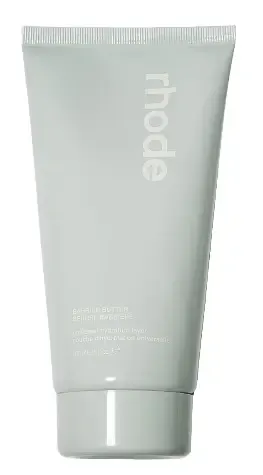
MamaSkin rates the recorded formula for rhode Barrier Butter as Low risk (76/100). Review the ingredient context and any manual-review explanation before deciding.
The recorded formula includes 1 ingredient entry with a risk flag: Phenoxyethanol (Low risk). These are ingredient-level flags; they do not replace the stored product assessment or account for every formulation detail.
35 of 35 ingredient entries on this page have a recorded score, evidence summary and source text. That describes documentation coverage, not proof that the finished formula has been clinically tested during pregnancy.
How we assess productsThe recorded formula, with evidence behind each rating. Unmatched ingredients are marked Not assessed in grey.
Phenoxyethanol is a preservative permitted in EU cosmetics up to 1.0%. The SCCS concluded it is safe for cosmetic use at that level, including when considering higher cosmetic exposure scenarios in infants and young children. Main practical concern is irritation/stinging on very sensitive or compromised skin rather than a pregnancy- or breastfeeding-specific risk.
Sources: SCCS/1575/16: Phenoxyethanol opinion https://health.ec.europa.eu/publications/phenoxyethanol_en
Water (Aqua) is the standard purified water used as a cosmetic solvent. It has no pregnancy-specific risk in normal topical use.
Sources: https://pubchem.ncbi.nlm.nih.gov/compound/Water, https://single-market-economy.ec.europa.eu/sectors/cosmetics/cosmetic-ingredient-database/cosing-glossary-ingredients_en
A purified hydrocarbon emollient or volatile carrier used for slip and light texture. Related cosmetic hydrocarbon and isoparaffin assessments support use in current practices. Normal dermal exposure is not associated with a pregnancy-specific signal; volatile products should be used with ordinary ventilation.
Sources: CIR: Isoparaffins safety assessment, IJT 31(Suppl. 3), 2012; CIR: hydrocarbon polymers and cosmetic hydrocarbon assessments; CIR December 2025 Quick Reference Table https://cir-safety.org/sites/default/files/QRT-Update-Dec2025.pdf
Solvent and humectant commonly used in leave-on products. Not associated with pregnancy-specific concerns at cosmetic exposure levels.
Sources: Cosmetic Ingredient Review (US); Scientific Committee on Consumer Safety (EU)
A purified hydrocarbon emollient or volatile carrier used for slip and light texture. Related cosmetic hydrocarbon and isoparaffin assessments support use in current practices. Normal dermal exposure is not associated with a pregnancy-specific signal; volatile products should be used with ordinary ventilation.
Sources: CIR: Isoparaffins safety assessment, IJT 31(Suppl. 3), 2012; CIR: hydrocarbon polymers and cosmetic hydrocarbon assessments; CIR December 2025 Quick Reference Table https://cir-safety.org/sites/default/files/QRT-Update-Dec2025.pdf
Common emollient derived from fatty acids and glycerin. Used to soften skin and improve texture without pregnancy-specific concerns.
Sources: Cosmetic Ingredient Review (US); Scientific Committee on Consumer Safety (EU)
Glycerin is a widely used humectant that supports hydration and the skin barrier, with a long safety record and no known pregnancy or breastfeeding concerns in topical cosmetic use.
Sources: CIR; EU/UK Cosmetics Regulation
trioctyldodecyl citrate is a cosmetic emollient, ester or lipid-derived formulation aid. Relevant family evidence supports normal cosmetic use with irritation, sensitisation and purity qualifications retained where applicable. No pregnancy-specific concern was identified for ordinary topical exposure.
Sources: CIR assessments of cosmetic esters, fatty acids and fatty acid salts https://www.cir-safety.org/supplementaldoc/safety-assessment-fatty-acids-fatty-acid-salts-used-cosmetics; European Commission CosIng
An ester of polyglycerin-3 and ricinoleic acid used as an emollient and emulsifier. Cosmetic safety reviewers assessed polyglyceryl fatty acid esters, including this ingredient, as safe in current cosmetic use when formulated to be non-irritating. No pregnancy-specific concern is identified for normal topical exposure.
Sources: CIR: Safety Assessment of Polyglyceryl Fatty Acid Esters https://www.cir-safety.org/sites/default/files/PGlyFE092016FR.pdf
A polyglycerin fatty-acid ester blend used as an emulsifier and pigment dispersant. Cosmetic safety reviewers concluded that polyglyceryl fatty acid esters are safe in current practices when formulated to be non-irritating.
Sources: CIR: Safety Assessment of Polyglyceryl Fatty Acid Esters as Used in Cosmetics, IJT 42(Suppl. 2), 2023; CIR December 2025 Quick Reference Table https://cir-safety.org/sites/default/files/QRT-Update-Dec2025.pdf
isosorbide dicaprylate is a cosmetic formulation, mineral, sugar-derived or organic-acid ingredient. Available identity, use and related safety evidence did not identify a pregnancy-specific concern for normal topical cosmetic exposure. Cosmetic-grade purity and ordinary irritation precautions remain applicable.
Sources: CIR ingredient and related-family safety assessments; CIR Quick Reference Table https://www.cir-safety.org/supplementaldoc/quick-reference-table-december-2025; European Commission CosIng
A manufactured wax used for structure and emolliency without relying on natural bee-derived material. Cosmetic safety reviewers reaffirmed synthetic beeswax as safe in current cosmetic use, with no pregnancy- or breastfeeding-specific concern identified for normal topical exposure.
Sources: CIR: Safety Assessment of Fossil and Synthetic Waxes https://www.cir-safety.org/sites/default/files/Fossils%20%26%20Synthetic%20Waxes_0.pdf
Mineral-derived organoclay thickener and suspension agent used in creams, makeup and sunscreens. It is expected to have low systemic exposure from topical use, with no pregnancy- or breastfeeding-specific concern identified in reviewed cosmetic references.
Sources: CIR cosmetic ingredient safety references for hectorite/quaternium hectorite ingredients; EU CosIng / cosmetics regulatory inventory
Panthenol (pro-vitamin B5) is used for soothing and barrier support and is generally well tolerated, with no known pregnancy or breastfeeding concerns in topical cosmetic use.
Sources: CIR; EU/UK Cosmetics Regulation
Vitamin E antioxidant used to protect oils and support the skin barrier. Not associated with pregnancy-specific concerns at cosmetic exposure.
Sources: Cosmetic Ingredient Review (US); Scientific Committee on Consumer Safety (EU)
Tocopheryl acetate (vitamin E derivative) is used as an antioxidant and skin-conditioning ingredient; it is considered low concern in topical use with no known pregnancy or breastfeeding risks at cosmetic concentrations.
Sources: CIR; EU/UK Cosmetics Regulation
palmitoyl tripeptide-8 is an amino-acid, peptide, protein or related conditioning ingredient. Relevant cosmetic-family assessments support topical use, and expected systemic exposure is low. No pregnancy-specific concern was identified for normal intact-skin use; residual allergenic proteins and manufacturing quality remain relevant.
Sources: CIR Safety Assessment of Animal- and Plant-Derived Amino Acids and Hydrolyzed Proteins https://cir-safety.org/panelbook/safety-assessment-animal-and-plant-derived-amino-acids-and-hydrolyzed-proteins-used-cosmet; European Commission CosIng ingredient inventory.
palmitoyl tetrapeptide-10 is an amino acid, peptide, protein-related or glycosaminoglycan cosmetic conditioning ingredient. Expected systemic exposure from normal topical use is low, and relevant cosmetic-family assessments did not identify a pregnancy-specific concern. Manufacturing quality and residual allergenic proteins remain relevant where applicable.
Sources: CIR assessments of alpha-amino acids, plant-derived amino acids, proteins and peptides https://www.cir-safety.org/supplementaldoc/safety-assessment-%CE%B1-amino-acids-used-cosmetics; European Commission CosIng
A ginger root extract used mainly for skin conditioning and fragrance support. Cosmetic safety reviewers concluded that the assessed Zingiber officinale root-derived ingredients are safe in current practices when formulated to be non-sensitising. This topical cosmetic conclusion should not be read as advice about ingesting concentrated ginger supplements.
Sources: CIR: Safety Assessment of Zingiber officinale (Ginger)-Derived Ingredients as Used in Cosmetics https://www.cir-safety.org/supplementaldoc/safety-assessment-zingiber-officinale-ginger-%E2%80%93-derived-ingredients-used-cosmetics-0
A plant-derived fatty oil or butter used mainly as an emollient, conditioning ingredient or texture agent. Cosmetic safety reviewers concluded that the assessed plant-derived fatty acid oils are safe in current practices of use and concentration. This conclusion applies to cosmetic-grade fixed oils rather than similarly named volatile essential oils. Seed or food allergy may still matter for a susceptible person.
Sources: CIR: Safety Assessment of Plant-Derived Fatty Acid Oils as Used in Cosmetics https://cir-reports.cir-safety.org/view-attachment/?id=ad62ac6b-8e74-ec11-8943-0022482f06a6
A high-molecular-weight glutamic-acid polymer used as a humectant and film former. Absorption of the intact polymer through skin is expected to be limited, and no pregnancy-specific concern was identified for normal topical cosmetic use. This is distinct from medicinal injectable or drug-delivery forms.
Sources: Peer-reviewed literature on poly-gamma-glutamic acid biomaterials and topical hydration; European Commission CosIng ingredient inventory.
Sodium hyaluronate (hyaluronic acid salt) is used for hydration and cushioning, with very low systemic absorption from topical use and no known pregnancy or breastfeeding concerns at cosmetic concentrations.
Sources: CIR; EU/UK Cosmetics Regulation
Hydrolysed carbohydrate-rich skin components used for hydration and conditioning. Systemic exposure from topical cosmetic use is expected to be low, and no pregnancy-specific concern was identified. Source-dependent allergy remains possible.
Sources: European Commission CosIng ingredient inventory; peer-reviewed literature on topical glycosaminoglycans and cosmetic skin hydration.
A terpene alcohol used for skin conditioning and soothing. Cosmetic safety reviewers reaffirmed bisabolol as safe at current cosmetic concentrations, and reproductive and developmental testing did not identify adverse effects. Bisabolol can increase skin penetration, so formulators should consider the safety of other ingredients in the same product.
Sources: CIR: Final Report on the Safety Assessment of Bisabolol https://cir-reports.cir-safety.org/view-attachment/?id=6fcf160b-8e74-ec11-8943-0022482f06a6; CIR re-review material https://www.cir-safety.org/sites/default/files/bisabolol.pdf
A large sugar-derived polymer used for hydration, film formation and skin conditioning. Meaningful systemic absorption through intact skin is expected to be low. No pregnancy- or breastfeeding-specific hazard signal was identified for normal topical cosmetic use; botanical or fungal source impurities and allergy should be controlled by cosmetic-grade manufacture.
Sources: European Commission CosIng ingredient inventory; CIR assessments of monosaccharides, disaccharides and related cosmetic carbohydrates; peer-reviewed cosmetic literature on fructans and Tremella fuciformis polysaccharides.
Skin-identical barrier lipid used to support the stratum corneum and reduce dryness. Reviewed cosmetic safety sources support normal topical use, with no pregnancy- or breastfeeding-specific topical signal identified in the material reviewed.
Sources: CIR: Safety Assessment of Ceramides as Used in Cosmetics; EU CosIng / cosmetics regulatory inventory
High-water-binding humectant used to support hydration at the skin surface. Reviewed cosmetic safety sources support normal topical use, with no pregnancy- or breastfeeding-specific topical signal identified in the material reviewed.
Sources: CIR: Safety Assessment of Hyaluronates as Used in Cosmetics; EU CosIng / cosmetics regulatory inventory
Humectant and skin-conditioning ingredient in the hyaluronate family. Reviewed cosmetic safety sources support current cosmetic use, with no pregnancy- or breastfeeding-specific topical concern identified in the material reviewed.
Sources: CIR: Safety Assessment of Hyaluronates as Used in Cosmetics; EU CosIng / cosmetics regulatory inventory
A chelating ingredient commonly used to support cosmetic preservation. Cosmetic safety reviewers concluded that caprylhydroxamic acid is safe in current cosmetic use; sensitisation and enhanced penetration are formulation considerations, especially on damaged skin, but no pregnancy-specific contraindication is identified for normal topical use.
Sources: CIR: Safety Assessment of Caprylhydroxamic Acid https://www.cir-safety.org/supplementaldoc/safety-assessment-caprylhydroxamic-acid-used-cosmetics
A high-molecular-weight carbohydrate gum produced by microbial fermentation and used for hydration, texture or film formation. Cosmetic safety reviewers concluded that the assessed microbial polysaccharide gums are safe in current practices of use and concentration. Dermal absorption of the intact polymers is expected to be limited.
Sources: CIR: Safety Assessment of Microbial Polysaccharide Gums as Used in Cosmetics https://cir-reports.cir-safety.org/view-attachment/?id=c052d083-8e74-ec11-8943-0022482f06a6
Chelating ingredient used to improve formula stability by binding trace metals. Reviewed cosmetic ingredient references do not identify a pregnancy- or breastfeeding-specific concern for normal topical use.
Sources: CIR cosmetic ingredient safety references for chelating agents; EU CosIng / cosmetics regulatory inventory
Preservative booster and skin-conditioning agent. Considered safe for cosmetic use with low systemic exposure when used as intended.
Sources: Scientific Committee on Consumer Safety (EU); Cosmetic Ingredient Review (US)
pH adjuster used in small amounts to maintain product stability. Not associated with pregnancy-specific concerns.
Sources: Scientific Committee on Consumer Safety (EU); European cosmetics regulatory framework
Sodium chloride is used to adjust viscosity and texture in formulations; topical cosmetic use is considered low concern with no known pregnancy or breastfeeding risks.
Sources: CIR; EU/UK Cosmetics Regulation
Benzyl alcohol is used as a preservative and fragrance component in cosmetics; it is not a pregnancy-specific concern at typical topical exposure, but it can be irritating or sensitising for some individuals, particularly in leave-on products.
Sources: CIR; EU/UK Cosmetics Regulation; toxicology reviews
Water, C13-15 Alkane, Butylene Glycol, C15-19 Alkane, Caprylic/Capric Triglyceride, Glycerin, Trioctyldodecyl Citrate, Polyglyceryl-3 Polyricinoleate, Polyglyceryl-4 Diisostearate/Polyhydroxystearate/Sebacate, Isosorbide Dicaprylate, Synthetic Beeswax, Disteardimonium Hectorite, Panthenol, Tocopherol, Tocopheryl Acetate, Palmitoyl Tripeptide-8, Palmitoyl Tetrapeptide-10, Zingiber Officinale Root Extract, Astrocaryum Murumuru Seed Butter, Polyglutamic Acid, Sodium Hyaluronate, Hydrolyzed Glycosaminoglycans, Bisabolol, Tremella Fuciformis Polysaccharide, Ceramide NP, Hyaluronic Acid, Hydrolyzed Hyaluronic Acid, Caprylhydroxamic Acid, Dextran, Trisodium Ethylenediamine Disuccinate, Phenoxyethanol, Ethylhexylglycerin, Citric Acid, Sodium Chloride, Benzyl Alcohol
Ingredient ratings refreshed 1 October 2026. Formulas vary by market and can change. Always compare with your packaging.
The recorded formula includes 1 ingredient entry with a risk flag: Phenoxyethanol (Low risk). These are ingredient-level flags; they do not replace the stored product assessment or account for every formulation detail. The product score is a stored assessment, not a clinical safety guarantee.
No. This recorded formula contains Panthenol or Madecassoside, but a barrier-care claim does not establish the assessment of all its other ingredients. Read the individual ingredient evidence and any manual-review explanation, and compare the recorded list with your packaging.
35 of 35 ingredient entries on this page have a recorded score, evidence summary and source text. That describes documentation coverage, not proof that the finished formula has been clinically tested during pregnancy.
Only if the ingredient list on your packaging matches the recorded formula shown here. Formulas can differ by market and change over time. Compare the full list, not just the product name; report a mismatch if it differs.
No. This page presents a pregnancy-focused product assessment. Do not infer a breastfeeding conclusion from its score or label; breastfeeding requires a separate assessment of the formula and how it is used.