rhode
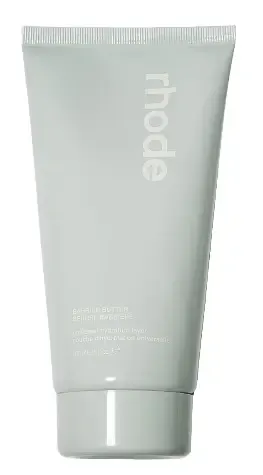
rhode Barrier Butter
Low risk76/100

Lip Glosses
Some ingredients carry a low-risk flag. Read the formulation context before deciding.
28 of 28 ingredients rated
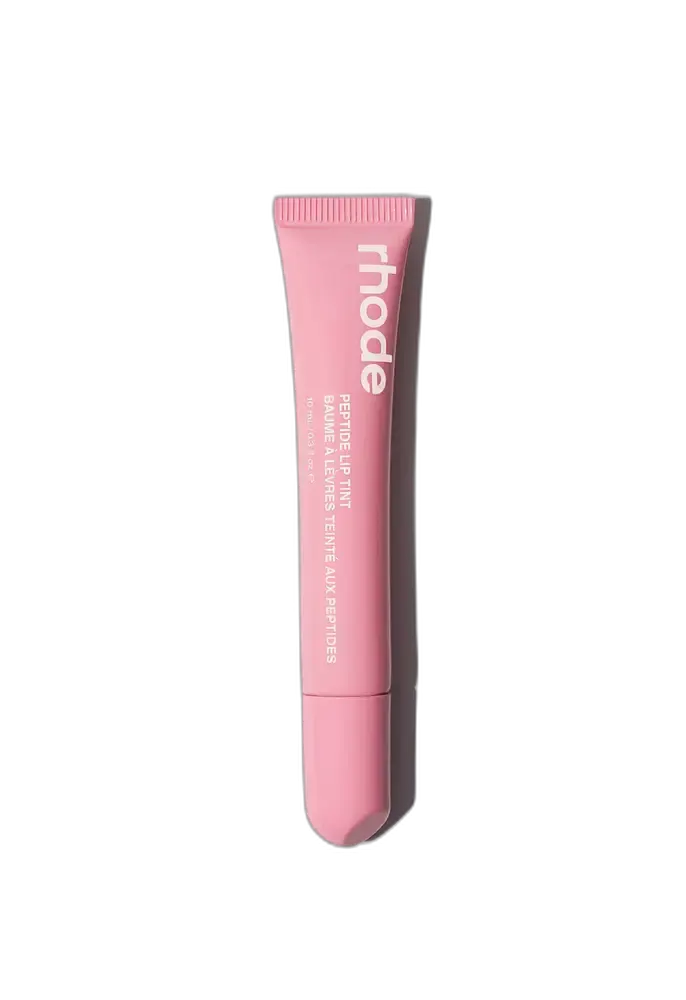
MamaSkin rates the recorded formula for rhode Peptide Lip Tint as Low risk (79/100). Review the ingredient context and any manual-review explanation before deciding.
The recorded formula includes 1 ingredient entry with a risk flag: Lactic Acid (Low risk). These are ingredient-level flags; they do not replace the stored product assessment or account for every formulation detail.
28 of 28 ingredient entries on this page have a recorded score, evidence summary and source text. That describes documentation coverage, not proof that the finished formula has been clinically tested during pregnancy.
How we assess productsThe recorded formula, with evidence behind each rating. Unmatched ingredients are marked Not assessed in grey.
Endogenous alpha-hydroxy acid and humectant; at modest cosmetic concentrations (≈5% and below, and generally <10%) topical lactic acid is considered compatible with pregnancy. Main risks are local irritation and increased photosensitivity rather than systemic toxicity or fetal effects.
Sources: MotherToBaby: Topical acne treatments in pregnancy and breastfeeding https://www.ncbi.nlm.nih.gov/books/NBK582985/
Inert synthetic emollient used as a glossing and occlusive agent. Reviewed cosmetic safety sources support normal topical use, with no pregnancy- or breastfeeding-specific topical signal identified in the material reviewed.
Sources: CIR: Safety Assessment of Polyene Group as Used in Cosmetics; EU CosIng / cosmetics regulatory inventory
Emollient ester commonly used in lip, makeup and skin-care formulas for cushion and gloss. Reviewed cosmetic ingredient references do not identify a pregnancy- or breastfeeding-specific concern for normal topical cosmetic use.
Sources: CIR cosmetic ingredient safety references for alkyl esters/malates; EU CosIng / cosmetics regulatory inventory
Butyrospermum parkii (shea) butter is an emollient/occlusive that supports the skin barrier; topical use is considered low concern with no known pregnancy or breastfeeding risks.
Sources: CIR; EU/UK Cosmetics Regulation
A large, mostly insoluble polymer used as a binder, film former and texture ingredient. Cosmetic safety reviewers reaffirmed polybutene as safe in current cosmetic use, and a multigeneration reproductive study did not identify adverse effects. Normal topical exposure is not expected to create a pregnancy- or breastfeeding-specific concern.
Sources: CIR: Final Report on Polyisobutene and Hydrogenated Polyisobutene https://www.cir-safety.org/sites/default/files/polyene.pdf; CIR ingredient record: Polybutene https://cir-safety.org/ingredient/polybutene
Highly refined mineral wax used to thicken and stabilise formulas. Cosmetic-grade microcrystalline wax has minimal skin absorption and no known pregnancy-specific concerns in topical use as intended. Concerns raised online typically relate to unrefined mineral oil impurities or dietary exposure, not cosmetic-grade topical use.
Sources: Cosmetic Ingredient Review (CIR) ingredient dossier for Microcrystalline Wax + CIR wax safety assessment materials. ; Petry et al. (2017) dermal penetration review (includes mineral oils/waxes). ; BfR, Highly refined mineral oils in cosmetics (context on refined mineral oil fractions/waxes in cosmetics) (2018).
Inert wax/structuring ingredient used to add body, stability and texture to cosmetics. Normal topical use is expected to have low systemic exposure, with no pregnancy- or breastfeeding-specific concern identified in reviewed cosmetic references.
Sources: CIR cosmetic ingredient safety references for waxes/structuring agents; EU CosIng / cosmetics regulatory inventory
Fatty alcohol emollient used to improve spreadability and reduce drag. Reviewed cosmetic safety sources support normal topical use, with no pregnancy- or breastfeeding-specific topical signal identified in the material reviewed.
Sources: CIR ingredient status / report data sheet for Octyldodecanol; EU CosIng / cosmetics regulatory inventory
An ester of diglycerin and isostearic acid used as an emollient and emulsifier. Cosmetic safety reviewers assessed polyglyceryl fatty acid esters, including this ingredient, as safe in current cosmetic use when formulated to be non-irritating. No pregnancy-specific concern is identified for normal topical exposure.
Sources: CIR: Safety Assessment of Polyglyceryl Fatty Acid Esters https://www.cir-safety.org/sites/default/files/PGlyFE092016FR.pdf
A large hydrogenated hydrocarbon polymer used as an emollient and texture agent. Cosmetic safety reviewers assessed hydrogenated poly(C6-14 olefin) with cosmetic polyenes and concluded that the group is safe in current practices of use and concentration. Dermal absorption is expected to be limited by molecular size.
Sources: CIR: Safety Assessment of Polyene Group as Used in Cosmetics https://journals.sagepub.com/doi/10.1177/1091581820952385
Vitamin E antioxidant used to protect oils and support the skin barrier. Not associated with pregnancy-specific concerns at cosmetic exposure.
Sources: Cosmetic Ingredient Review (US); Scientific Committee on Consumer Safety (EU)
Tocopheryl acetate (vitamin E derivative) is used as an antioxidant and skin-conditioning ingredient; it is considered low concern in topical use with no known pregnancy or breastfeeding risks at cosmetic concentrations.
Sources: CIR; EU/UK Cosmetics Regulation
A lipid-soluble ester of vitamin C used as an antioxidant and skin-conditioning ingredient. The Cosmetic Ingredient Review concluded that tetrahexyldecyl ascorbate is safe in current cosmetic use, with no pregnancy- or breastfeeding-specific concern identified for normal topical exposure.
Sources: CIR: Safety Assessment of Ethers and Esters of Ascorbic Acid https://www.cir-safety.org/supplementaldoc/safety-assessment-ethers-and-esters-ascorbic-acid-used-cosmetics-0
Synthetic peptide used as a skin-conditioning ingredient. Reviewed cosmetic safety sources indicate no known pregnancy- or breastfeeding-specific concern in normal topical cosmetic use. Available cosmetic safety assessments conclude this ingredient is safe in the present practices of use and concentration described for cosmetics.
Sources: CIR Expert Panel, Safety Assessment of Tripeptide-1, Hexapeptide-12, their metal salts and fatty acyl derivatives, and Palmitoyl Tetrapeptide-7 as used in cosmetics, final report, 2014
A plant-derived fatty oil or butter used mainly as an emollient, conditioning ingredient or texture agent. Cosmetic safety reviewers concluded that the assessed plant-derived fatty acid oils are safe in current practices of use and concentration. This conclusion applies to cosmetic-grade fixed oils rather than similarly named volatile essential oils. Seed or food allergy may still matter for a susceptible person.
Sources: CIR: Safety Assessment of Plant-Derived Fatty Acid Oils as Used in Cosmetics https://cir-reports.cir-safety.org/view-attachment/?id=ad62ac6b-8e74-ec11-8943-0022482f06a6
A plant-derived fatty oil or butter used mainly as an emollient, conditioning ingredient or texture agent. Cosmetic safety reviewers concluded that the assessed plant-derived fatty acid oils are safe in current practices of use and concentration. This conclusion applies to cosmetic-grade fixed oils rather than similarly named volatile essential oils. Seed or food allergy may still matter for a susceptible person.
Sources: CIR: Safety Assessment of Plant-Derived Fatty Acid Oils as Used in Cosmetics https://cir-reports.cir-safety.org/view-attachment/?id=ad62ac6b-8e74-ec11-8943-0022482f06a6
A triglyceride of behenic acid used as an emollient and structuring ingredient. Cosmetic safety reviewers assessed glyceryl triesters including tribehenin as safe in current cosmetic use, with no pregnancy- or breastfeeding-specific concern identified for normal topical exposure.
Sources: CIR: Final Report on Glyceryl Triesters https://cir-reports.cir-safety.org/view-attachment?id=315e3329-8e74-ec11-8943-0022482f06a6; CIR ingredient record: Tribehenin https://cir-safety.org/ingredient/tribehenin
stevioside is a cosmetic formulation, mineral, sugar-derived or organic-acid ingredient. Available identity, use and related safety evidence did not identify a pregnancy-specific concern for normal topical cosmetic exposure. Cosmetic-grade purity and ordinary irritation precautions remain applicable.
Sources: CIR ingredient and related-family assessments; European Commission CosIng; ECHA substance information where applicable
A high-molecular-weight lipid ester used for emollience, adhesion and formula texture. Cosmetic safety reviewers concluded that the assessed dialkyl dimer dilinoleates are safe in current practices of use and concentration. Absorption of the intact ester is expected to be low.
Sources: CIR: Amended Safety Assessment of Dialkyl Dimer Dilinoleates as Used in Cosmetics https://www.cir-safety.org/meeting/148th-cir-expert-panel-meeting
Lightweight emollient ester used to soften skin and improve glide. Reviewed cosmetic safety sources support normal topical use, with no pregnancy- or breastfeeding-specific topical signal identified in the material reviewed.
Sources: CIR: Amended Safety Assessment of Alkyl Esters as Used in Cosmetics; EU CosIng / cosmetics regulatory inventory
Emulsifier used to help oil and water phases remain mixed. Reviewed cosmetic safety sources support topical use in cosmetics; the main practical issue is irritation potential in some formulas rather than a pregnancy-specific concern.
Sources: CIR: Safety Assessment of Sorbitan Esters as Used in Cosmetics; EU CosIng / cosmetics regulatory inventory
Synthetic mica-like mineral used for bulking, optical effect, and texture. CIR concluded it is safe as used in cosmetics; normal topical use is not associated with a pregnancy- or breastfeeding-specific topical signal in the material reviewed.
Sources: CIR: Safety Assessment of Synthetic Fluorphlogopite as Used in Cosmetics; EU CosIng / cosmetics regulatory inventory
Mineral-derived organoclay thickener and suspension agent used in creams, makeup and sunscreens. It is expected to have low systemic exposure from topical use, with no pregnancy- or breastfeeding-specific concern identified in reviewed cosmetic references.
Sources: CIR cosmetic ingredient safety references for hectorite/quaternium hectorite ingredients; EU CosIng / cosmetics regulatory inventory
Colour Index name for titanium dioxide. Used as a pigment and (in some products) a mineral UV filter. For typical topical use in creams, lotions and makeup, systemic absorption is expected to be very low. Most concerns discussed in the literature relate to ingestion (E171) or inhalation from fine powders/sprays, and to nanoparticle characterisation. For routine topical cosmetic use, it is generally considered acceptable in pregnancy and breastfeeding; if you prefer a cautious approach, avoid inhaling loose powders or sprays.
Sources: EFSA opinion on titanium dioxide (E171) ingestion context; SCCS cosmetic opinions (incl. inhalation/nano considerations); general dermatology guidance on mineral sunscreens in pregnancy.
A Colour Index or lake name for a regulated cosmetic colour additive. Permitted product areas differ by colour, and certified colours must meet applicable identity and purity specifications. No pregnancy-specific concern was identified for compliant topical cosmetic use.
Sources: FDA: Regulatory Status of Color Additives https://hfpappexternal.fda.gov/scripts/fdcc/index.cfm?set=ColorAdditives; FDA: Color Additives Permitted for Use in Cosmetics https://www.fda.gov/cosmetics/cosmetic-ingredient-names/color-additives-permitted-use-cosmetics; 21 CFR Parts 73, 74 and 82.
A Colour Index designation associated with certified D&C Red No. 6 and closely related Red No. 7 colour forms used in cosmetics. FDA permits these colours for specified cosmetic uses when identity, purity, batch-certification and use restrictions are met; they are not approved for every route or product area. No pregnancy-specific concern is identified for normal use in a compliant finished cosmetic.
Sources: FDA: Regulatory Status of D&C Red No. 6 / C.I. 15850 https://www.hfpappexternal.fda.gov/scripts/fdcc/index.cfm?id=DCRed6&set=ColorAdditives; FDA: Color Additives Permitted for Use in Cosmetics https://www.fda.gov/cosmetics/cosmetic-ingredient-names/color-additives-permitted-use-cosmetics
Also known as FD&C Yellow No. 5 or tartrazine, this certified colour additive is used in cosmetics and other regulated products. FDA permits its use in cosmetics, including the eye area, when identity, purity, certification and use requirements are met. Rare allergy-like reactions can occur, but no pregnancy-specific concern is identified for normal use in a compliant finished cosmetic.
Sources: FDA: Regulatory Status of FD&C Yellow No. 5 / C.I. 19140 https://www.hfpappexternal.fda.gov/scripts/fdcc/index.cfm?id=FDCYellow5&set=ColorAdditives; FDA: Color Additives and Cosmetics Fact Sheet https://www.fda.gov/industry/color-additives/color-additives-and-cosmetics-fact-sheet
Also known as FD&C Blue No. 1 or Brilliant Blue FCF, this certified colour additive is used to colour cosmetic formulas. FDA permits it in cosmetics, including the eye area, when identity, purity, certification and use requirements are met. No pregnancy-specific concern is identified for normal use in a compliant finished cosmetic.
Sources: FDA: Regulatory Status and identity information for FD&C Blue No. 1 / C.I. 42090 https://www.hfpappexternal.fda.gov/scripts/fdcc/index.cfm?id=FDCBLUENO1&set=FoodSubstances; FDA: Color Additives Permitted for Use in Cosmetics https://www.fda.gov/cosmetics/cosmetic-ingredient-names/color-additives-permitted-use-cosmetics
Hydrogenated Polyisobutene, Diisostearyl Malate, Butyrospermum Parkii Butter, Polybutene, Microcrystalline Wax, Synthetic Wax, Octyldodecanol, Polyglyceryl-2 Triisostearate, Hydrogenated Poly(C6-14 Olefin), Tocopherol, Tocopheryl Acetate, Tetrahexyldecyl Ascorbate, Palmitoyl Tripeptide-1, Orbignya Oleifera Seed Oil, Theobroma Grandiflorum Seed Butter, Lactic Acid, Tribehenin, Stevioside, Phytosteryl/Isostearyl/Cetyl/Stearyl/Behenyl Dimer Dilinoleate, Ethylhexyl Palmitate, Sorbitan Isostearate, Synthetic Fluorphlogopite, Disteardimonium Hectorite, CI 77891, CI 45410, CI 15850, CI 19140, CI 42090
Ingredient ratings refreshed 1 October 2026. Formulas vary by market and can change. Always compare with your packaging.
The recorded formula includes 1 ingredient entry with a risk flag: Lactic Acid (Low risk). These are ingredient-level flags; they do not replace the stored product assessment or account for every formulation detail. The product score is a stored assessment, not a clinical safety guarantee.
28 of 28 ingredient entries on this page have a recorded score, evidence summary and source text. That describes documentation coverage, not proof that the finished formula has been clinically tested during pregnancy.
Only if the ingredient list on your packaging matches the recorded formula shown here. Formulas can differ by market and change over time. Compare the full list, not just the product name; report a mismatch if it differs.
No. This page presents a pregnancy-focused product assessment. Do not infer a breastfeeding conclusion from its score or label; breastfeeding requires a separate assessment of the formula and how it is used.