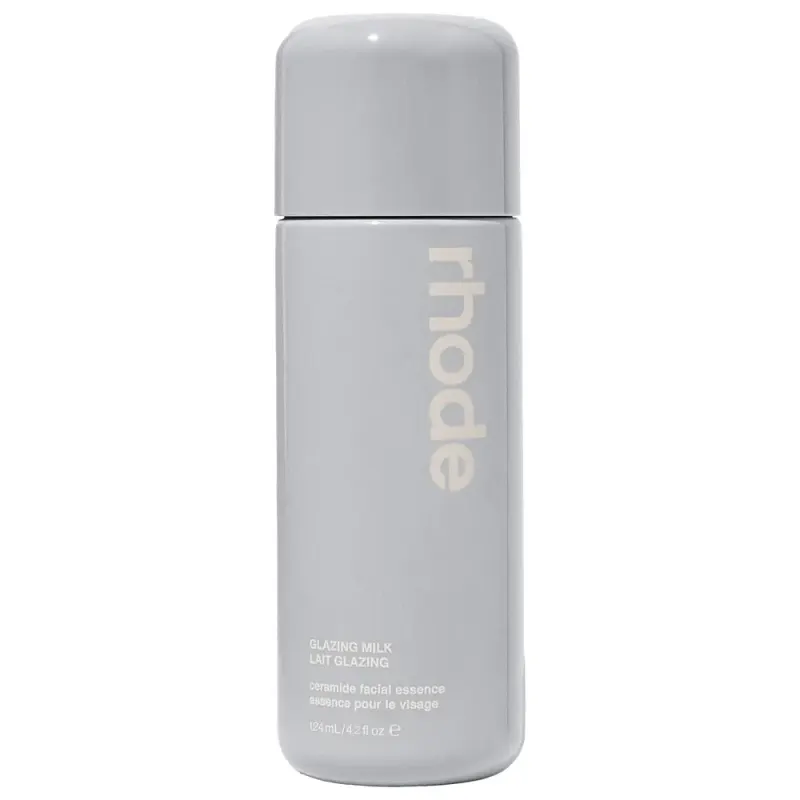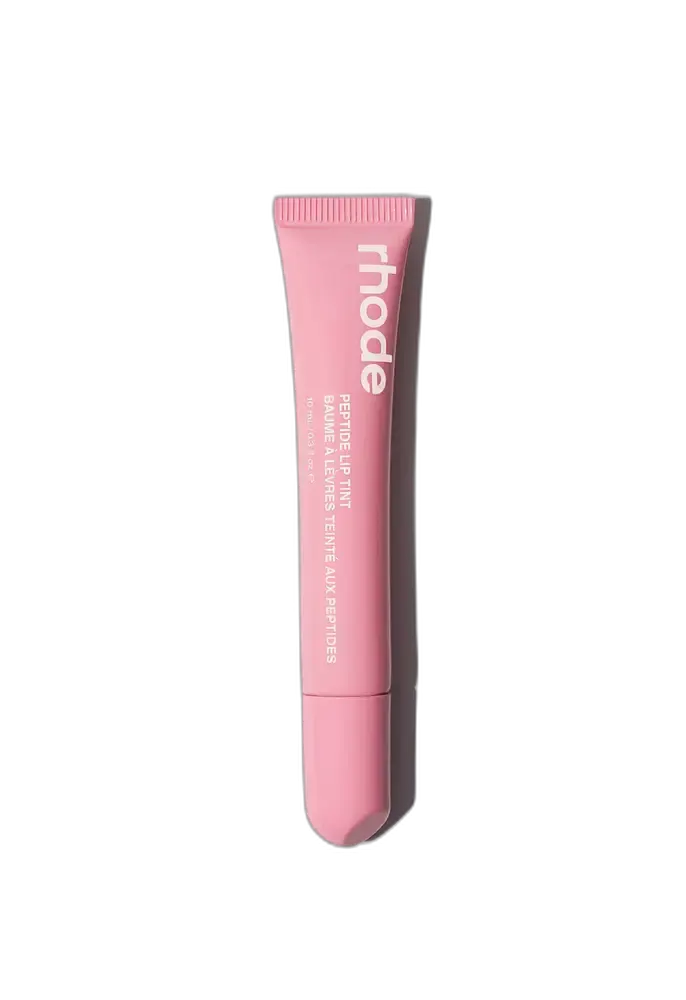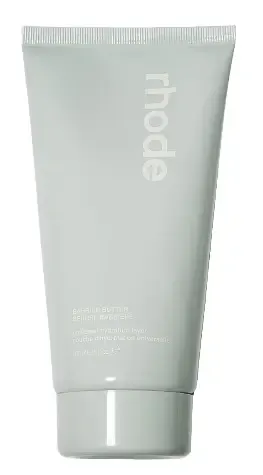
rhode
rhode Barrier Butter
Low risk76/100

Blushes
No higher-risk flags in the assessed ingredients. This is a screening result, not a guarantee of pregnancy safety.
29 of 29 ingredients rated
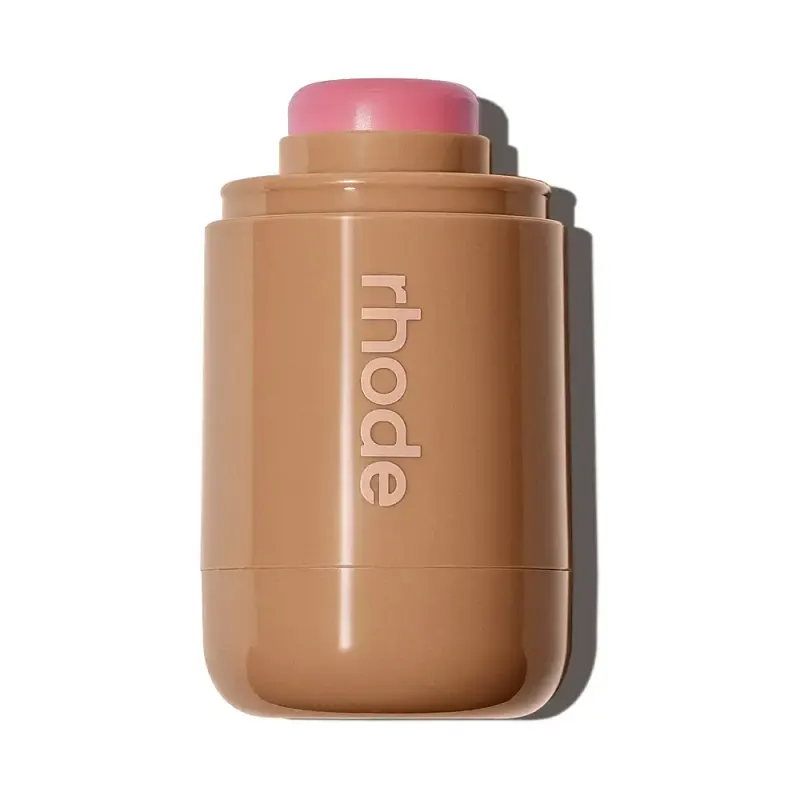
MamaSkin rates the recorded formula for rhode Pocket Blush as No known risks (99/100). This screening result is not a guarantee of safety for every pregnancy.
No higher-risk ingredient flags are shown in the assessed entries. Ingredients without a matched rating are marked Not assessed, not No known risks.
29 of 29 ingredient entries on this page have a recorded score, evidence summary and source text. That describes documentation coverage, not proof that the finished formula has been clinically tested during pregnancy.
How we assess productsThe recorded formula, with evidence behind each rating. Unmatched ingredients are marked Not assessed in grey.
Fatty alcohol emollient used to improve spreadability and reduce drag. Reviewed cosmetic safety sources support normal topical use, with no pregnancy- or breastfeeding-specific topical signal identified in the material reviewed.
Sources: CIR ingredient status / report data sheet for Octyldodecanol; EU CosIng / cosmetics regulatory inventory
Inert wax/structuring ingredient used to add body, stability and texture to cosmetics. Normal topical use is expected to have low systemic exposure, with no pregnancy- or breastfeeding-specific concern identified in reviewed cosmetic references.
Sources: CIR cosmetic ingredient safety references for waxes/structuring agents; EU CosIng / cosmetics regulatory inventory
Inert synthetic emollient used as a glossing and occlusive agent. Reviewed cosmetic safety sources support normal topical use, with no pregnancy- or breastfeeding-specific topical signal identified in the material reviewed.
Sources: CIR: Safety Assessment of Polyene Group as Used in Cosmetics; EU CosIng / cosmetics regulatory inventory
Lightweight emollient ester used to improve slip and skin feel. Reviewed cosmetic ingredient references do not identify a pregnancy- or breastfeeding-specific concern for normal topical cosmetic use.
Sources: CIR cosmetic ingredient safety references for alkyl esters/emollient esters; EU CosIng / cosmetics regulatory inventory
An ester of diglycerin and isostearic acid used as an emollient and emulsifier. Cosmetic safety reviewers assessed polyglyceryl fatty acid esters, including this ingredient, as safe in current cosmetic use when formulated to be non-irritating. No pregnancy-specific concern is identified for normal topical exposure.
Sources: CIR: Safety Assessment of Polyglyceryl Fatty Acid Esters https://www.cir-safety.org/sites/default/files/PGlyFE092016FR.pdf
A large hydrogenated hydrocarbon polymer used as an emollient and texture agent. Cosmetic safety reviewers assessed hydrogenated poly(C6-14 olefin) with cosmetic polyenes and concluded that the group is safe in current practices of use and concentration. Dermal absorption is expected to be limited by molecular size.
Sources: CIR: Safety Assessment of Polyene Group as Used in Cosmetics https://journals.sagepub.com/doi/10.1177/1091581820952385
Emollient ester used in lip, makeup and skin-care formulas for cushion, gloss and barrier feel. Reviewed cosmetic ingredient references do not identify a pregnancy- or breastfeeding-specific concern for normal topical use.
Sources: CIR cosmetic ingredient safety references for glyceryl esters/emollient esters; EU CosIng / cosmetics regulatory inventory
Naturally sourced clay used for absorbency and oil control. Reviewed cosmetic safety sources support normal topical cosmetic use; this assessment does not cover deliberate inhalation of loose powder.
Sources: CIR: Safety Assessment of Naturally-Sourced Clays as Used in Cosmetics; EU CosIng / cosmetics regulatory inventory
Mineral absorbent and texture aid used to mattify and improve slip. Reviewed cosmetic safety sources support normal topical cosmetic use; this assessment does not cover deliberate inhalation of loose powder.
Sources: CIR: Safety Assessment of Silica and Silicates as Used in Cosmetics; EU CosIng / cosmetics regulatory inventory
This is a synthetic inorganic mineral powder used to improve the texture and finish of cosmetics, not a mixture of six separately applied chemicals. No pregnancy-specific harm has been identified from ordinary cosmetic-grade particles dispersed or bound in non-airborne products on intact skin. The assessment uses documented preparations and related cosmetic-silicate evidence; this exact material was not a named member of the related report. Direct pregnancy data are limited. The rating does not cover inhaling loose powder, airbrush use, enhanced nanoparticle delivery, ingestion or raw concentrates.
Sources: https://www.dainihonkasei.com/en/pdf/General_catalog.pdf, https://sensient-beauty.com/product/sensifeel-star-soft/, https://www.cir-safety.org/sites/default/files/SynFlu062012Final.pdf
Glycerin is a widely used humectant that supports hydration and the skin barrier, with a long safety record and no known pregnancy or breastfeeding concerns in topical cosmetic use.
Sources: CIR; EU/UK Cosmetics Regulation
A triglyceride-rich plant oil or oil fraction used as an emollient and skin conditioner. Plant-derived fatty oils have low systemic toxicity and cosmetic review focuses mainly on irritation, sensitisation and source allergy. No pregnancy-specific hazard was identified for normal topical exposure.
Sources: CIR: Safety Assessment of Plant-Derived Fatty Acid Oils as Used in Cosmetics; relevant plant-family assessments; European Commission CosIng ingredient inventory.
Synthetic peptide used as a skin-conditioning ingredient. Reviewed cosmetic safety sources indicate no known pregnancy- or breastfeeding-specific concern in normal topical cosmetic use. Available cosmetic safety assessments conclude this ingredient is safe in the present practices of use and concentration described for cosmetics.
Sources: CIR Expert Panel, Safety Assessment of Tripeptide-1, Hexapeptide-12, their metal salts and fatty acyl derivatives, and Palmitoyl Tetrapeptide-7 as used in cosmetics, final report, 2014
Synthetic signal peptide used in topical cosmetic anti-aging and skin-conditioning formulas. Reviewed cosmetic peptide literature lists palmitoyl tripeptide-5 among topically used matricin-style peptides. No pregnancy- or breastfeeding-specific risk signal was identified for normal topical cosmetic use.
Sources: Schagen SK. Topical Peptide Treatments with Effective Anti-Aging Results. Cosmetics. 2017;4(2):16. doi:10.3390/cosmetics4020016; EU CosIng / INCI cosmetic ingredient references.
Humectant and preservative booster used to support product stability. Low systemic exposure expected from topical cosmetic use.
Sources: Scientific Committee on Consumer Safety (EU); Cosmetic Ingredient Review (US)
Common emollient derived from fatty acids and glycerin. Used to soften skin and improve texture without pregnancy-specific concerns.
Sources: Cosmetic Ingredient Review (US); Scientific Committee on Consumer Safety (EU)
Emollient, co-emulsifier and preservative-support ingredient used in topical cosmetics. Reviewed cosmetic ingredient references do not identify a pregnancy- or breastfeeding-specific concern for normal topical use.
Sources: CIR: Safety Assessment of Monoglyceryl Monoesters as Used in Cosmetics; EU CosIng / cosmetics regulatory inventory
A pentaerythritol tetraester used as an emollient, binder and texture ingredient. Cosmetic safety reviewers concluded that pentaerythrityl tetraisostearate and the reviewed related tetraesters are safe in current cosmetic use. No pregnancy- or breastfeeding-specific concern is identified for normal topical exposure.
Sources: CIR: Safety Assessment of Pentaerythrityl Tetraesters https://www.cir-safety.org/sites/default/files/120_final_penttet.pdf
Mineral opacifier, absorbent and pigment-coating ingredient used in makeup, sunscreens and skin care. Low systemic exposure is expected from normal topical cosmetic use, with no pregnancy- or breastfeeding-specific concern identified in reviewed cosmetic references.
Sources: CIR cosmetic ingredient safety references for alumina/aluminum hydroxide ingredients; EU CosIng / cosmetics regulatory inventory
Silane coating and dispersion aid used on pigments and mineral particles. Reviewed cosmetic safety sources support normal topical use, with no pregnancy- or breastfeeding-specific topical signal identified in the material reviewed.
Sources: CIR: Safety Assessment of Alkoxyl Alkyl Silanes as Used in Cosmetics; EU CosIng / cosmetics regulatory inventory
Water (Aqua) is the standard purified water used as a cosmetic solvent. It has no pregnancy-specific risk in normal topical use.
Sources: https://pubchem.ncbi.nlm.nih.gov/compound/Water, https://single-market-economy.ec.europa.eu/sectors/cosmetics/cosmetic-ingredient-database/cosing-glossary-ingredients_en
Solvent and viscosity-control ingredient used in cosmetic formulas, often with clay thickeners. Reviewed cosmetic ingredient references do not identify a pregnancy- or breastfeeding-specific concern for normal topical use.
Sources: CIR cosmetic ingredient safety references for carbonate solvents; EU CosIng / cosmetics regulatory inventory
A high-molecular-weight silicone surfactant used for emulsification, dispersion and texture. Related alkoxy polysiloxanes have limited dermal absorption and are supported for cosmetic use. No reproductive or developmental concern was identified for normal topical exposure.
Sources: CIR: Safety Assessment of Polyoxyalkylene Siloxane Copolymers, Alkyl-Polyoxyalkylene Siloxane Copolymers, and Related Ingredients https://www.cir-safety.org/supplementaldoc/safety-assessment-polyoxyalkylene-siloxane-copolymers-alkyl-polyoxyalkylene-siloxa-0
An organically modified clay used to suspend pigments and thicken oil-based formulas. Cosmetic safety reviewers concluded that ammonium hectorites, including stearalkonium hectorite, are safe in current practices of use. Fine dry particles should not be deliberately inhaled.
Sources: CIR: Final Report on the Safety Assessment of Stearalkonium Hectorite https://cir-reports.cir-safety.org/view-attachment/?id=f27ec8b6-8d74-ec11-8943-0022482f06a6
Preservative booster and skin-conditioning agent. Considered safe for cosmetic use with low systemic exposure when used as intended.
Sources: Scientific Committee on Consumer Safety (EU); Cosmetic Ingredient Review (US)
Colour Index name for titanium dioxide. Used as a pigment and (in some products) a mineral UV filter. For typical topical use in creams, lotions and makeup, systemic absorption is expected to be very low. Most concerns discussed in the literature relate to ingestion (E171) or inhalation from fine powders/sprays, and to nanoparticle characterisation. For routine topical cosmetic use, it is generally considered acceptable in pregnancy and breastfeeding; if you prefer a cautious approach, avoid inhaling loose powders or sprays.
Sources: EFSA opinion on titanium dioxide (E171) ingestion context; SCCS cosmetic opinions (incl. inhalation/nano considerations); general dermatology guidance on mineral sunscreens in pregnancy.
Pigment family used to provide red, yellow and black colour in makeup and tinted skincare. Insoluble mineral pigments with very low dermal absorption in typical topical use. Generally considered acceptable in pregnancy and breastfeeding. If you prefer a cautious approach, avoid inhaling loose powders or sprays.
Sources: General cosmetic ingredient safety references for insoluble mineral pigments; exposure route considerations for powders/sprays.
A Colour Index or lake name for a regulated cosmetic colour additive. Permitted product areas differ by colour, and certified colours must meet applicable identity and purity specifications. No pregnancy-specific concern was identified for compliant topical cosmetic use.
Sources: FDA: Regulatory Status of Color Additives https://hfpappexternal.fda.gov/scripts/fdcc/index.cfm?set=ColorAdditives; FDA: Color Additives Permitted for Use in Cosmetics https://www.fda.gov/cosmetics/cosmetic-ingredient-names/color-additives-permitted-use-cosmetics; 21 CFR Parts 73, 74 and 82.
Also known as FD&C Blue No. 1 or Brilliant Blue FCF, this certified colour additive is used to colour cosmetic formulas. FDA permits it in cosmetics, including the eye area, when identity, purity, certification and use requirements are met. No pregnancy-specific concern is identified for normal use in a compliant finished cosmetic.
Sources: FDA: Regulatory Status and identity information for FD&C Blue No. 1 / C.I. 42090 https://www.hfpappexternal.fda.gov/scripts/fdcc/index.cfm?id=FDCBLUENO1&set=FoodSubstances; FDA: Color Additives Permitted for Use in Cosmetics https://www.fda.gov/cosmetics/cosmetic-ingredient-names/color-additives-permitted-use-cosmetics
Octyldodecanol, Synthetic Wax, Hydrogenated Polyisobutene, Cetyl Ethylhexanoate, Polyglyceryl-2 Triisostearate, Hydrogenated Poly(C6-14 Olefin), Bis-Diglyceryl Polyacyladipate-2, Kaolin, Silica, Magnesium/Potassium/Silicon/Fluoride/Hydroxide/Oxide, Glycerin, Calophyllum Inophyllum Seed Oil, Palmitoyl Tripeptide-1, Palmitoyl Tripeptide-5, Caprylyl Glycol, Caprylic/Capric Triglyceride, Glyceryl Caprylate, Pentaerythrityl Tetraisostearate, Aluminum Hydroxide, Triethoxycaprylylsilane, Water, Propylene Carbonate, Lauryl Polyglyceryl-3 Polydimethylsiloxyethyl Dimethicone, Stearalkonium Hectorite, Ethylhexylglycerin, CI 77891, Iron Oxides, CI 45410, CI 42090
Ingredient ratings refreshed 15 October 2026. Formulas vary by market and can change. Always compare with your packaging.
No higher-risk ingredient flags are shown in the assessed entries. Ingredients without a matched rating are marked Not assessed, not No known risks. The product score is a stored assessment, not a clinical safety guarantee.
29 of 29 ingredient entries on this page have a recorded score, evidence summary and source text. That describes documentation coverage, not proof that the finished formula has been clinically tested during pregnancy.
Only if the ingredient list on your packaging matches the recorded formula shown here. Formulas can differ by market and change over time. Compare the full list, not just the product name; report a mismatch if it differs.
No. This page presents a pregnancy-focused product assessment. Do not infer a breastfeeding conclusion from its score or label; breastfeeding requires a separate assessment of the formula and how it is used.