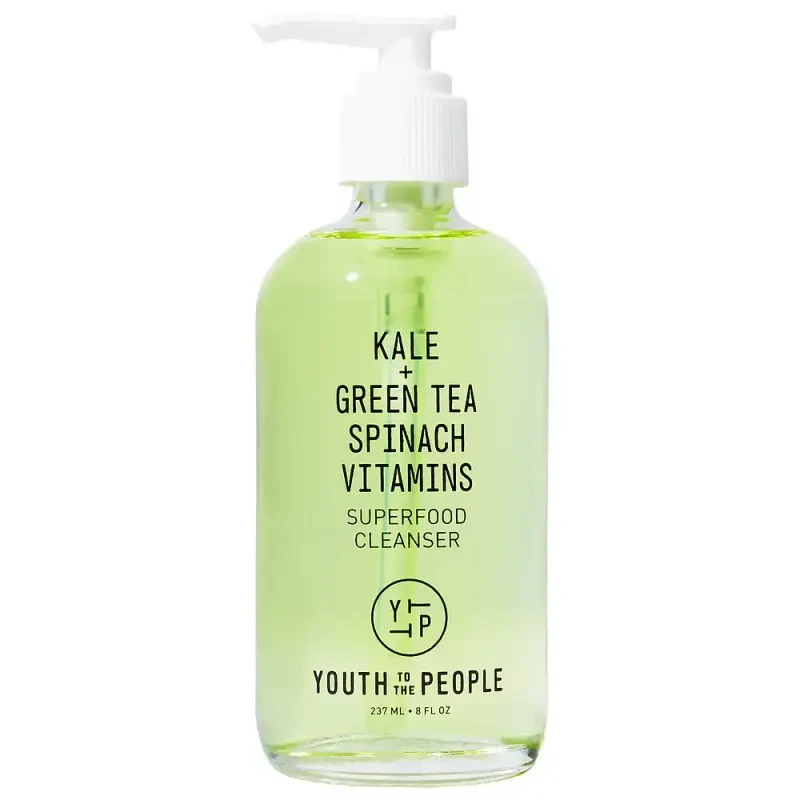
Youth To The People Superfood Antioxidant Cleanser by Youth To The People
Youth To The People

Youth To The People Superfood Antioxidant Cleanser

Face Cleanserscleansers

Safety score

Pregnancy-focused assessment

Low Risk74/100
Higher concernLower concern

One or more ingredients have a low-risk flag in MamaSkin's current assessment. Review the notes and your own circumstances.

Formula and assessment check

Ingredient safety review updated 9 December 2025. Product formulas can change, so compare the ingredients shown here with the packaging you have.

Report a formula mismatch

MamaSkin assessment · 9 December 2025

Is Youth To The People Superfood Antioxidant Cleanser suitable during pregnancy?

MamaSkin currently classifies Youth To The People Superfood Antioxidant Cleanser as Low risk, with a stored score of 74/100. This is a precautionary classification, not an unqualified pregnancy-safe recommendation. Read the ingredient context and any manual-review explanation below.

What does the ingredient evidence show?

The recorded formula includes 3 ingredient entries with risk flags: Gluconolactone (Low risk), Phenoxyethanol (Low risk), Parfum (Low risk). These are ingredient-level flags; they do not replace the stored product assessment or account for every formulation detail.

35 of 35 ingredient entries on this page have a recorded score, evidence summary and source text. That describes documentation coverage, not proof that the finished formula has been clinically tested during pregnancy.

Ingredient breakdown

See how the listed formula falls across MamaSkin's pregnancy-focused risk bands.

32

No known risks

3

Low risk

0

Medium risk

0

High risk

Ingredients

Ingredients with a higher risk flag appear first, followed by the rest of the formula.

Phenoxyethanol

Low Risk

Phenoxyethanol is a preservative permitted in EU cosmetics up to 1.0%. The SCCS concluded it is safe for cosmetic use at that level, including when considering higher cosmetic exposure scenarios in infants and young children. Main practical concern is irritation/stinging on very sensitive or compromised skin rather than a pregnancy- or breastfeeding-specific risk.

Sources: SCCS/1575/16: Phenoxyethanol opinion https://health.ec.europa.eu/publications/phenoxyethanol_en
Parfum

Low Risk

Umbrella term for an undisclosed fragrance blend. It’s not usually a pregnancy-specific concern at normal cosmetic use levels, but the exact components and concentrations aren’t fully disclosed on the label, so we score it more conservatively. If you prefer maximum transparency (or you’re sensitive to fragrance compounds), choose fragrance-free/unscented products.

Sources: SCCS: Fragrance allergens in cosmetic products https://health.ec.europa.eu/latest-updates/sccs-new-opinion-fragrance-allergens-cosmetic-products-2012-07-31_en

Gluconolactone

Low Risk

Polyhydroxy acid (PHA) used as a gentle exfoliant/humectant; generally less irritating than AHAs due to lower penetration. Considered safe as used in cosmetics, with no pregnancy-specific contraindications identified at topical cosmetic concentrations.

Sources: MotherToBaby: Topical acne treatments in pregnancy and breastfeeding https://www.ncbi.nlm.nih.gov/books/NBK582985/

Show all (35)

Water

No Known Risks

Water (Aqua) is the standard purified water used as a cosmetic solvent. It has no pregnancy-specific risk in normal topical use.

Sources: https://pubchem.ncbi.nlm.nih.gov/compound/Water, https://single-market-economy.ec.europa.eu/sectors/cosmetics/cosmetic-ingredient-database/cosing-glossary-ingredients_en

Cocamidopropyl Hydroxysultaine

No Known Risks

An amphoteric cleansing and foam-supporting surfactant. Cosmetic safety reviewers concluded that sultaines, including cocamidopropyl hydroxysultaine, are safe in current practices when formulas are non-irritating and impurities and nitrosamine formation are controlled. Rare contact allergy remains possible.

Sources: CIR: Safety Assessment of Sultaines as Used in Cosmetics https://www.cir-safety.org/sites/default/files/sultaines_0.pdf

Sodium Cocoyl Glutamate

No Known Risks

A mild amino-acid-derived cleansing surfactant. Cosmetic safety reviewers concluded that amino acid alkyl amides, including sodium cocoyl glutamate, are safe in current practices when formulated to be non-irritating. No pregnancy-specific concern was identified for normal use of a finished cosmetic.

Sources: CIR: Safety Assessment of Amino Acid Alkyl Amides as Used in Cosmetics https://www.cir-safety.org/sites/default/files/alkyl_amides_0.pdf

Sorbeth-230 Tetraoleate

No Known Risks

Sorbeth-230 Tetraoleate is a cosmetic emollient, ester or lipid-derived formulation aid. Relevant family evidence supports normal cosmetic use with irritation, sensitisation and purity qualifications retained where applicable. No pregnancy-specific concern was identified for ordinary topical exposure.

Sources: CIR assessments of cosmetic esters, fatty acids and fatty acid salts https://www.cir-safety.org/supplementaldoc/safety-assessment-fatty-acids-fatty-acid-salts-used-cosmetics; European Commission CosIng

Polysorbate 20

No Known Risks

Nonionic surfactant and solubiliser used to disperse oils and fragrance. Reviewed cosmetic safety sources support normal topical use, with no pregnancy- or breastfeeding-specific topical signal identified in the material reviewed.

Sources: CIR: Safety Assessment of Polysorbates as Used in Cosmetics; EU CosIng / cosmetics regulatory inventory

Sodium Chloride

No Known Risks

Sodium chloride is used to adjust viscosity and texture in formulations; topical cosmetic use is considered low concern with no known pregnancy or breastfeeding risks.

Sources: CIR; EU/UK Cosmetics Regulation

Aloe Barbadensis Leaf Juice Powder

No Known Risks

A concentrated, dried form of aloe leaf juice that is reconstituted in soothing and moisturising formulas. Cosmetic safety reviewers concluded that Aloe barbadensis leaf juice is safe in current cosmetic practices of use when anthraquinone levels do not exceed 50 ppm. Applying that conclusion to its dried cosmetic-grade powder requires the same impurity control. This assessment concerns topical cosmetic exposure rather than oral aloe latex, and no pregnancy-specific topical concern was identified.

Sources: CIR: Quick Reference Table conclusion for Aloe barbadensis leaf juice and related ingredients https://cir-safety.org/sites/default/files/sq-fix_2.pdf; CIR: Safety Assessment of Aloe-Derived Ingredients, International Journal of Toxicology 26(Suppl. 2):1-50, 2007

Brassica Oleracea Acephala Leaf Extract

No Known Risks

A botanical extract, plant water or plant juice used for conditioning, soothing or antioxidant support. Direct pregnancy studies of this exact cosmetic material were not identified, but no reproductive or developmental hazard was identified for normal topical exposure. Oral herbal or medicinal use is outside this classification.

Sources: European Commission CosIng ingredient inventory; CIR botanical safety framework and relevant plant-derived ingredient assessments; no ingredient-specific human pregnancy study of normal topical cosmetic use was identified.

Spinacia Oleracea Leaf Extract

No Known Risks

spinacia oleracea leaf extract is a botanical-derived cosmetic conditioning ingredient. The reviewed identity is not an essential oil or an oral herbal preparation. Available cosmetic evidence and expected topical exposure did not identify a pregnancy-specific contraindication, although botanical irritation or allergy remains possible.

Sources: CIR ingredient-specific and botanical-family safety assessments; CIR Quick Reference Table https://cir-safety.org/sites/default/files/QRT-Update-Dec2025.pdf; European Commission CosIng

Camellia Sinensis Leaf Extract

No Known Risks

Camellia sinensis (green tea) leaf extract is used as an antioxidant botanical; topical cosmetic use is considered low concern with no known pregnancy or breastfeeding risks, though rare sensitivities are possible.

Sources: CIR; EU/UK Cosmetics Regulation

Medicago Sativa Extract

No Known Risks

A botanical extract or plant water used for conditioning, soothing or antioxidant support. Direct pregnancy studies of this exact cosmetic material were not identified, but no reproductive or developmental hazard was identified for normal topical exposure. Oral herbal or medicinal use is outside this classification.

Sources: European Commission CosIng; CIR botanical safety framework and relevant plant-family assessments; no ingredient-specific human pregnancy study of normal topical cosmetic use was identified.

Chamomilla Recutita Flower Extract

No Known Risks

A German chamomile flower extract used for skin conditioning and soothing. Cosmetic safety reviewers concluded that Chamomilla recutita flower-derived ingredients are safe in current cosmetic use when formulated to be non-sensitizing. Chamomile can cause contact allergy in susceptible people, particularly those sensitive to plants in the Asteraceae family, but no pregnancy-specific concern is identified for normal topical cosmetic exposure.

Sources: CIR: Safety Assessment of Chamomilla Recutita-Derived Ingredients as Used in Cosmetics https://cir-safety.org/supplementaldoc/safety-assessment-chamomilla-recutita-derived-ingredients-used-cosmetics-0

Tetrahexyldecyl Ascorbate

No Known Risks

A lipid-soluble ester of vitamin C used as an antioxidant and skin-conditioning ingredient. The Cosmetic Ingredient Review concluded that tetrahexyldecyl ascorbate is safe in current cosmetic use, with no pregnancy- or breastfeeding-specific concern identified for normal topical exposure.

Sources: CIR: Safety Assessment of Ethers and Esters of Ascorbic Acid https://www.cir-safety.org/supplementaldoc/safety-assessment-ethers-and-esters-ascorbic-acid-used-cosmetics-0

Glycerin

No Known Risks

Glycerin is a widely used humectant that supports hydration and the skin barrier, with a long safety record and no known pregnancy or breastfeeding concerns in topical cosmetic use.

Sources: CIR; EU/UK Cosmetics Regulation

Panthenol

No Known Risks

Panthenol (pro-vitamin B5) is used for soothing and barrier support and is generally well tolerated, with no known pregnancy or breastfeeding concerns in topical cosmetic use.

Sources: CIR; EU/UK Cosmetics Regulation

Tocopheryl Acetate

No Known Risks

Tocopheryl acetate (vitamin E derivative) is used as an antioxidant and skin-conditioning ingredient; it is considered low concern in topical use with no known pregnancy or breastfeeding risks at cosmetic concentrations.

Sources: CIR; EU/UK Cosmetics Regulation

Decyl Glucoside

No Known Risks

Mild nonionic surfactant used in cleansers and emulsions. Reviewed cosmetic ingredient references support normal topical rinse-off and leave-on use, with no pregnancy- or breastfeeding-specific concern identified; sensitive skin may still react to surfactants.

Sources: CIR: Safety Assessment of Alkyl Glucosides as Used in Cosmetics; EU CosIng / cosmetics regulatory inventory

Sorbitan Laurate

No Known Risks

A sorbitol-derived fatty-acid ester used as an emulsifier and texture agent. Cosmetic safety reviewers concluded that sorbitan fatty-acid esters, including sorbitan laurate, are safe in current practices of use and concentration. No pregnancy-specific concern was identified for normal topical exposure.

Sources: CIR: Final Report on the Safety Assessment of Sorbitan Fatty Acid Esters; CIR ingredient record and Quick Reference Table https://cir-safety.org/sites/default/files/QRT-Update-Dec2025.pdf

Tetrasodium Glutamate Diacetate

No Known Risks

Chelating agent used to bind trace metals and improve formula stability. CIR concluded it is safe as used in cosmetics; normal topical use is not associated with a pregnancy- or breastfeeding-specific topical signal in the material reviewed.

Sources: CIR: Safety Assessment of Tetrasodium Glutamate Diacetate and Beta-Alanine Diacetic Acid as Used in Cosmetics; EU CosIng / cosmetics regulatory inventory

Ethylhexylglycerin

No Known Risks

Preservative booster and skin-conditioning agent. Considered safe for cosmetic use with low systemic exposure when used as intended.

Sources: Scientific Committee on Consumer Safety (EU); Cosmetic Ingredient Review (US)

Maltodextrin

No Known Risks

Polysaccharide carrier and bulking agent used for texture and delivery support. Reviewed cosmetic safety sources support normal topical use, with no pregnancy- or breastfeeding-specific topical signal identified in the material reviewed.

Sources: CIR: Safety Assessment of Polysaccharide Gums as Used in Cosmetics; EU CosIng / cosmetics regulatory inventory

Citric Acid

No Known Risks

pH adjuster used in small amounts to maintain product stability. Not associated with pregnancy-specific concerns.

Sources: Scientific Committee on Consumer Safety (EU); European cosmetics regulatory framework

Potassium Sorbate

No Known Risks

Preservative widely used in foods and cosmetics. Considered safe at regulated concentrations with low systemic exposure from topical use.

Sources: Scientific Committee on Consumer Safety (EU); European cosmetics regulatory framework

Sodium Benzoate

No Known Risks

Preservative widely used in foods and cosmetics. Considered safe at regulated concentrations with low systemic exposure from topical use.

Sources: Scientific Committee on Consumer Safety (EU); European cosmetics regulatory framework

Gardenia Jasminoides Fruit Extract

No Known Risks

For ordinary, correctly formulated topical cosmetic use, no pregnancy-specific harm has been identified for gardenia jasminoides fruit extract. Gardenia fruit extract is a distinct botanical preparation; oral and medicinal extracts are not covered. Direct pregnancy studies of this exact material are limited; this assessment does not cover ingestion, medicinal-strength use, damaged skin, or aerosol exposure.

Sources: https://www.cir-safety.org/sites/default/files/Botanical%20Decision%20Tree%20CIR%20June%202012%202.pdf

Sodium Hydroxide

No Known Risks

pH adjuster used in very small quantities to balance formulations. Not associated with pregnancy-specific concerns.

Sources: Scientific Committee on Consumer Safety (EU); European cosmetics regulatory framework

Sodium Glycolate

No Known Risks

A cosmetic functional ingredient used for conditioning, texture or formula support. Available cosmetic-use information did not identify a reproductive or developmental hazard from normal topical exposure.

Sources: European Commission CosIng ingredient inventory; relevant CIR cosmetic safety assessments and peer-reviewed cosmetic-use literature.

Sodium Formate

No Known Risks

Sodium formate is the sodium salt of formic acid. CIR found it safe in current cosmetic use when formulated to be non-irritating; no pregnancy-specific hazard was identified for ordinary topical exposure. Direct human pregnancy studies of this exact ingredient were not identified; the rating applies to normal topical cosmetic use.

Sources: https://cir-safety.org/sites/default/files/QRT-Update-Dec2025.pdf

Hexyl Cinnamal

No Known Risks

A synthetic floral fragrance ingredient. Its main consumer-relevant concern is skin sensitisation in susceptible users; no pregnancy-specific hazard is identified for normal topical cosmetic exposure.

Sources: European Commission: Fragrance allergens labelling https://single-market-economy.ec.europa.eu/sectors/cosmetics/cosmetic-products-specific-topics/fragrance-allergens-labelling_en; SCCS fragrance-allergen opinions

Linalool

No Known Risks

Linalool is a common fragrance component used at low levels in cosmetics; it is not a pregnancy-specific concern in topical use, but it is a recognised fragrance allergen and may trigger irritation or sensitisation in some people, especially if the product oxidises over time.

Sources: EU/UK cosmetics (fragrance allergen labelling); IFRA; toxicology reviews

Limonene

No Known Risks

Limonene is a common fragrance component used at low levels in cosmetics; it is not a pregnancy-specific concern in topical use, but it is a recognised fragrance allergen and may trigger irritation or sensitisation in some people, especially if the product oxidises over time.

Sources: EU/UK cosmetics (fragrance allergen labelling); IFRA; toxicology reviews

CI 75810

No Known Risks

CI 75810 identifies chlorophyll and chlorophyllin green colour identities (Natural Green 3). The exact chlorophyll or chlorophyllin material must meet the identity, purity and jurisdiction-specific rules for the finished cosmetic. No pregnancy-specific reproductive or developmental concern was identified for normal use in a compliant finished cosmetic. This classification does not remove ordinary allergy, irritation, purity, certification, route or inhalation controls.

Sources: EU Cosmetics Regulation Annex IV https://eur-lex.europa.eu/legal-content/EN/TXT/?uri=CELEX:02009R1223-20260501; European Commission cosmetic ingredient inventory https://eur-lex.europa.eu/eli/dec/2006/257/oj/eng; FDA GSRS identity record https://precision.fda.gov/uniisearch/srs/unii/1D276TYV9O

Formulations can change without notice. For the most accurate result, compare this list with your packaging and scan the exact ingredient label in MamaSkin when you repurchase.

Questions about this assessment

Has every ingredient in Youth To The People Superfood Antioxidant Cleanser been assessed?

35 of 35 ingredient entries on this page have a recorded score, evidence summary and source text. That describes documentation coverage, not proof that the finished formula has been clinically tested during pregnancy.

Does this assessment apply to the Youth To The People Superfood Antioxidant Cleanser I have?

Only if the ingredient list on your packaging matches the recorded formula shown here. Formulas can differ by market and change over time. Compare the full list, not just the product name; report a mismatch if it differs.

Does this pregnancy assessment also establish breastfeeding suitability?

No. This page presents a pregnancy-focused product assessment. Do not infer a breastfeeding conclusion from its score or label; breastfeeding requires a separate assessment of the formula and how it is used.

How to use this assessment

The risk band is the primary conclusion. The score adds detail within that band and should not be used to compare products as if a one-point difference were clinically meaningful.

MamaSkin provides pregnancy-focused information, not medical advice. Your midwife, GP, pharmacist or dermatologist should take priority when your circumstances differ from typical cosmetic use.

Read the full methodology