Anua
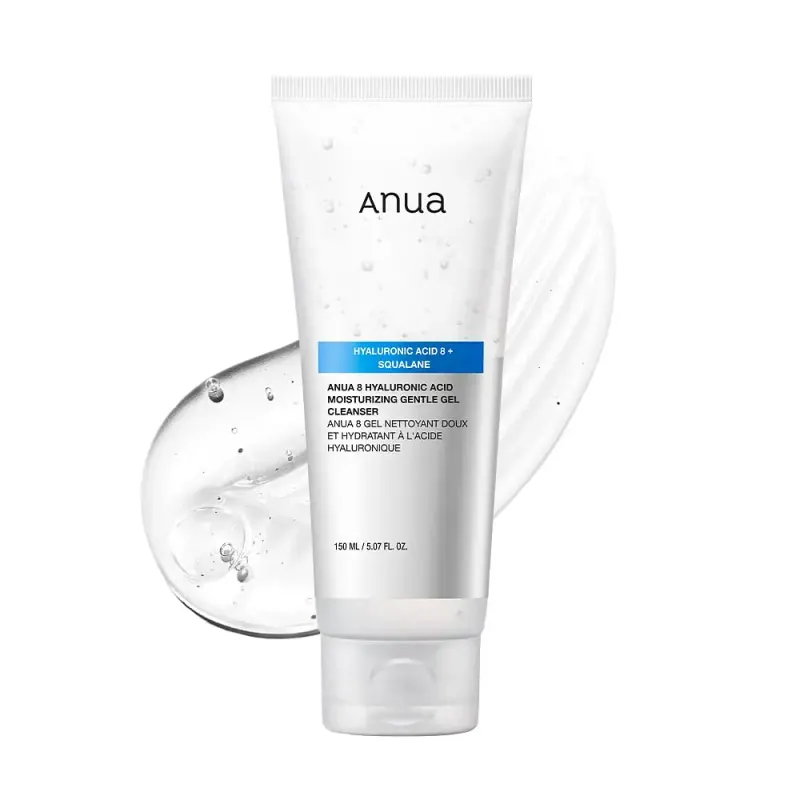
Anua 8 Hyaluronic Acid Moisturizing Gentle Gel Cleanser
Face Cleanserscleansers
Safety score
Pregnancy-focused assessment
No Known Risks99/100
Higher concernLower concern
No higher-risk ingredients were identified in MamaSkin's current assessment. Check the latest package before deciding.
Formula and assessment check
Ingredient safety review updated 24 November 2025. Product formulas can change, so compare the ingredients shown here with the packaging you have.
Report a formula mismatchIngredient breakdown
See how the listed formula falls across MamaSkin's pregnancy-focused risk bands.
30
No known risks
0
Low risk
0
Medium risk
0
High risk
Ingredients
Ingredients with a higher risk flag appear first, followed by the rest of the formula.
Coco-Betaine
No Known RisksA cleansing and foam-supporting surfactant made from coconut-derived fatty chains. Cosmetic safety reviewers concluded that alkyl betaines, including coco-betaine, are safe in current practices when formulated to be non-irritating. Surfactant-containing products may still sting eyes or irritated skin.
Sources: CIR: Quick Reference Table conclusion for Coco-Betaine and alkyl betaines https://www.cir-safety.org/sites/default/files/sq-fix_2.pdf
Sodium Cocoyl Alaninate
No Known RisksA surfactant, emulsifier or conditioning ingredient used at controlled cosmetic concentrations. Local irritation in strong formulas is the practical concern; no pregnancy-specific systemic or developmental hazard was identified for normal topical or rinse-off exposure.
Sources: European Commission CosIng ingredient inventory; relevant CIR assessments of surfactants, ethoxylated ingredients and quaternary conditioning agents.
Show all (30)
Potassium Cocoyl Glycinate
No Known RisksAn amino-acid-derived surfactant or conditioning ingredient. Cosmetic safety reviewers concluded that amino acid alkyl amides are safe in current cosmetic practices when formulated to be non-irritating. Manufacturing and formulation should control nitrosamine formation where relevant.
Sources: CIR: Safety Assessment of Amino Acid Alkyl Amides as Used in Cosmetics https://www.cir-safety.org/supplementaldoc/safety-assessment-amino-acid-alkyl-amides-used-cosmetics-0
Acrylates Copolymer
No Known RisksFilm-forming polymer used for texture and wear. Large-molecule ingredient with low systemic absorption.
Sources: Cosmetic Ingredient Review (US); Scientific Committee on Consumer Safety (EU)
Glycerin
No Known RisksGlycerin is a widely used humectant that supports hydration and the skin barrier, with a long safety record and no known pregnancy or breastfeeding concerns in topical cosmetic use.
Sources: CIR; EU/UK Cosmetics Regulation
1,2-Hexanediol
No Known Risks1,2-Hexanediol is commonly used as a solvent and preservative booster; topical exposure is low and it has no known pregnancy or breastfeeding concerns at cosmetic concentrations, though very sensitive skin may occasionally react.
Sources: CIR; EU/UK Cosmetics Regulation
Propanediol
No Known RisksSolvent and humectant used to improve texture and ingredient solubility. Low systemic exposure expected from topical cosmetic use.
Sources: Cosmetic Ingredient Review (US); Scientific Committee on Consumer Safety (EU)
Polyglyceryl-4 Caprate
No Known RisksAn ester of polyglycerin and capric acid used as an emulsifier and skin-conditioning ingredient. Cosmetic safety reviewers concluded that polyglyceryl fatty acid esters, including Polyglyceryl-4 Caprate, are safe in current cosmetic use when formulated to be non-irritating.
Sources: CIR: Safety Assessment of Polyglyceryl Fatty Acid Esters https://www.cir-safety.org/sites/default/files/PGlyFE092016FR.pdf
Caprylyl Glycol
No Known RisksHumectant and preservative booster used to support product stability. Low systemic exposure expected from topical cosmetic use.
Sources: Scientific Committee on Consumer Safety (EU); Cosmetic Ingredient Review (US)
Hydroxyacetophenone
No Known RisksHydroxyacetophenone is used as an antioxidant and preservative-support ingredient; it is generally considered low concern in topical cosmetic use with no known pregnancy or breastfeeding risks at typical concentrations.
Sources: CIR; EU/UK Cosmetics Regulation
Tromethamine
No Known RiskspH adjuster and buffer used to stabilise formulations. Reviewed cosmetic safety sources support normal topical use, with no pregnancy- or breastfeeding-specific topical signal identified in the material reviewed.
Sources: CIR: Safety Assessment of Tromethamine as Used in Cosmetics; EU CosIng / cosmetics regulatory inventory
Glyceryl Glucoside
No Known RisksA sugar-derived humectant or starch hydrolysate used to retain moisture and support formula texture. Cosmetic safety reviewers concluded that the assessed saccharide humectants and hydrogenated starch hydrolysate are safe in current practices. Dermal absorption of larger carbohydrate materials is expected to be limited.
Sources: CIR: Saccharide Humectants safety assessment; Hydrogenated Starch Hydrolysate final report, September 2015; CIR December 2025 Quick Reference Table https://cir-safety.org/sites/default/files/QRT-Update-Dec2025.pdf
Disodium EDTA
No Known RisksDisodium EDTA is a chelating agent used to improve formula stability and performance; it is considered low concern in topical cosmetic use, with no known pregnancy or breastfeeding risks at typical concentrations.
Sources: CIR; EU/UK Cosmetics Regulation
Hydrolyzed Hyaluronic Acid
No Known RisksHumectant and skin-conditioning ingredient in the hyaluronate family. Reviewed cosmetic safety sources support current cosmetic use, with no pregnancy- or breastfeeding-specific topical concern identified in the material reviewed.
Sources: CIR: Safety Assessment of Hyaluronates as Used in Cosmetics; EU CosIng / cosmetics regulatory inventory
Squalane
No Known RisksLightweight emollient used to support the skin barrier. Not associated with pregnancy-specific concerns at cosmetic exposure levels.
Sources: Cosmetic Ingredient Review (US); Scientific Committee on Consumer Safety (EU)
Ectoin
No Known RisksA small natural osmolyte used to support hydration and the skin barrier. A systematic review of topical ectoin formulations in adults and children reported very good tolerability. Pregnancy-specific topical studies were not identified, but no reproductive or pregnancy-specific signal was found for normal cosmetic exposure.
Sources: PubMed: Topical Ectoine Application in Children and Adults, systematic review https://pubmed.ncbi.nlm.nih.gov/35038127/
Citric Acid
No Known RiskspH adjuster used in small amounts to maintain product stability. Not associated with pregnancy-specific concerns.
Sources: Scientific Committee on Consumer Safety (EU); European cosmetics regulatory framework
Hydrolyzed Vegetable Protein
No Known RisksA plant-derived protein or peptide mixture used mainly for hair and skin conditioning. Cosmetic safety reviewers concluded that the assessed plant-derived proteins and peptides are safe in current practices. Protein allergy remains possible in susceptible people.
Sources: CIR: Safety Assessment of Plant-Derived Proteins and Peptides as Used in Cosmetics https://www.cir-safety.org/supplementaldoc/safety-assessment-plant-derived-proteins-and-peptides-used-cosmetics-0
Maltodextrin
No Known RisksPolysaccharide carrier and bulking agent used for texture and delivery support. Reviewed cosmetic safety sources support normal topical use, with no pregnancy- or breastfeeding-specific topical signal identified in the material reviewed.
Sources: CIR: Safety Assessment of Polysaccharide Gums as Used in Cosmetics; EU CosIng / cosmetics regulatory inventory
Hydrogenated Lecithin
No Known RisksHydrogenated emulsifier used to support skin barrier feel. Not associated with pregnancy-specific concerns.
Sources: Cosmetic Ingredient Review (US)
Ceramide NP
No Known RisksSkin-identical barrier lipid used to support the stratum corneum and reduce dryness. Reviewed cosmetic safety sources support normal topical use, with no pregnancy- or breastfeeding-specific topical signal identified in the material reviewed.
Sources: CIR: Safety Assessment of Ceramides as Used in Cosmetics; EU CosIng / cosmetics regulatory inventory
Butylene Glycol
No Known RisksSolvent and humectant commonly used in leave-on products. Not associated with pregnancy-specific concerns at cosmetic exposure levels.
Sources: Cosmetic Ingredient Review (US); Scientific Committee on Consumer Safety (EU)
Hyaluronic Acid
No Known RisksHigh-water-binding humectant used to support hydration at the skin surface. Reviewed cosmetic safety sources support normal topical use, with no pregnancy- or breastfeeding-specific topical signal identified in the material reviewed.
Sources: CIR: Safety Assessment of Hyaluronates as Used in Cosmetics; EU CosIng / cosmetics regulatory inventory
Hydrolyzed Sodium Hyaluronate
No Known RisksHumectant and skin-conditioning ingredient in the hyaluronate family. Reviewed cosmetic safety sources support current cosmetic use, with no pregnancy- or breastfeeding-specific topical concern identified in the material reviewed.
Sources: CIR: Safety Assessment of Hyaluronates as Used in Cosmetics; EU CosIng / cosmetics regulatory inventory
Sodium Hyaluronate
No Known RisksSodium hyaluronate (hyaluronic acid salt) is used for hydration and cushioning, with very low systemic absorption from topical use and no known pregnancy or breastfeeding concerns at cosmetic concentrations.
Sources: CIR; EU/UK Cosmetics Regulation
Potassium Hyaluronate
No Known RisksPotassium hyaluronate is a salt of hyaluronic acid used as a surface humectant and skin conditioner. The Cosmetic Ingredient Review concluded that reviewed hyaluronates are safe in current cosmetic use, with no pregnancy- or breastfeeding-specific concern identified for normal topical exposure.
Sources: CIR: Safety Assessment of Hyaluronates as Used in Cosmetics https://www.cir-safety.org/supplementaldoc/safety-assessment-hyaluronates-used-cosmetics
Hydroxypropyltrimonium Hyaluronate
No Known RisksCationic hyaluronate derivative used as a humectant and conditioning ingredient. Reviewed topical hyaluronate safety sources support cosmetic use, with no pregnancy- or breastfeeding-specific concern identified.
Sources: CIR: Safety Assessment of Hyaluronates as Used in Cosmetics; EU CosIng / cosmetics regulatory inventory
Sodium Hyaluronate Crosspolymer
No Known RisksCrosslinked hyaluronate humectant used to support hydration at the skin surface. Reviewed cosmetic safety sources support normal topical use, with no pregnancy- or breastfeeding-specific topical signal identified.
Sources: CIR: Safety Assessment of Hyaluronates as Used in Cosmetics; EU CosIng / cosmetics regulatory inventory
Sodium Acetylated Hyaluronate
No Known RisksModified hyaluronate humectant and skin-conditioning ingredient. Reviewed cosmetic safety sources support topical hyaluronate ingredients, with no pregnancy- or breastfeeding-specific concern identified for normal cosmetic use.
Sources: CIR: Safety Assessment of Hyaluronates as Used in Cosmetics; EU CosIng / cosmetics regulatory inventory
Formulations can change without notice. For the most accurate result, compare this list with your packaging and scan the exact ingredient label in MamaSkin when you repurchase.
How to use this assessment
The risk band is the primary conclusion. The score adds detail within that band and should not be used to compare products as if a one-point difference were clinically meaningful.
MamaSkin provides pregnancy-focused information, not medical advice. Your midwife, GP, pharmacist or dermatologist should take priority when your circumstances differ from typical cosmetic use.