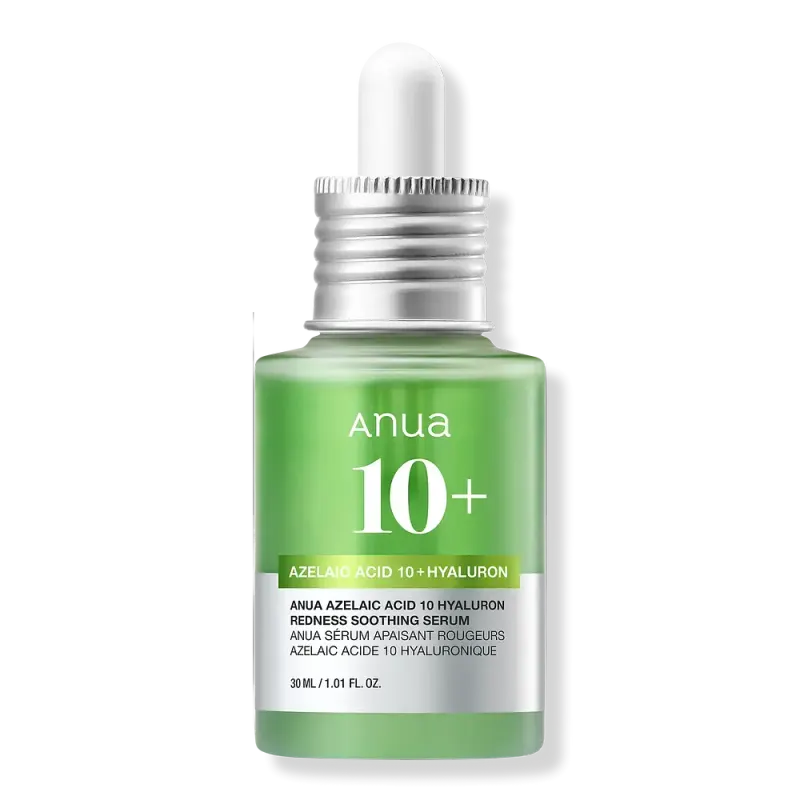
Anua Azelaic Acid 10 Hyaluron Redness Soothing Serum by Anua
Anua

Anua Azelaic Acid 10 Hyaluron Redness Soothing Serum

Serums

Safety score

Pregnancy-focused assessment

Low Risk78/100
Higher concernLower concern

One or more ingredients have a low-risk flag in MamaSkin's current assessment. Review the notes and your own circumstances.

Ingredient safety review updated 22 January 2026.

Check the current formula in MamaSkin

Copy the product name, download MamaSkin and search it for free. You can also scan the ingredient label on the product you own.

Download MamaSkin on the App StoreGet MamaSkin on Google Play

Ingredient breakdown

See how the listed formula falls across MamaSkin's pregnancy-focused risk bands.

32

No known risks

3

Low risk

0

Medium risk

0

High risk

Ingredients

Ingredients with a higher risk flag appear first, followed by the rest of the formula.

Azelaic Acid

Low Risk

Dicarboxylic acid used for acne and melasma; topical 10–20% formulations show minimal systemic absorption and no teratogenic signal in available animal and human data. Widely recommended by dermatology societies as a pregnancy-safe alternative to retinoids for acne and hyperpigmentation.

Sources: PubMed, U.S. National Library of Medicine (NLM); American Academy of Dermatology (AAD)

Betaine Salicylate

Low Risk

Ester form of salicylic acid; hydrolyses to SA, low-strength topical use shows negligible systemic absorption - chemical peels ≥30 % should be avoided.

Sources: PubMed, U.S. National Library of Medicine (NLM), NHS, MotherToBaby (OTIS), UKTIS (BUMPS)

Dipotassium Glycyrrhizate

Low Risk

A purified glycyrrhizic-acid salt used as a soothing and skin-conditioning ingredient. Cosmetic safety reviewers concluded that dipotassium glycyrrhizate is safe in current cosmetic use and noted poor dermal absorption. MamaSkin nevertheless applies a cautious low-risk classification for consistency with the existing licorice family because high oral glycyrrhizin exposure has pregnancy-related concerns; this is not a topical contraindication.

Sources: CIR: Safety Assessment of Glycyrrhizic Acid and Derivatives https://cir-reports.cir-safety.org/view-attachment/?id=49a63435-8e74-ec11-8943-0022482f06a6

Show all (35)

Water

No Known Risks

Propylene Glycol

No Known Risks

Propylene glycol is a common solvent and humectant with a long history of use; it is not considered a pregnancy or breastfeeding concern in topical cosmetics, though some individuals may experience irritation in leave-on products.

Sources: CIR; EU/UK Cosmetics Regulation

Sodium Hydroxide

No Known Risks

pH adjuster used in very small quantities to balance formulations. Not associated with pregnancy-specific concerns.

Sources: Scientific Committee on Consumer Safety (EU); European cosmetics regulatory framework

Dipropylene Glycol

No Known Risks

Dipropylene glycol is used as a solvent and carrier in cosmetics; topical exposure is low and it has no known pregnancy or breastfeeding concerns at cosmetic concentrations.

Sources: CIR; EU/UK Cosmetics Regulation

1,2-Hexanediol

No Known Risks

1,2-Hexanediol is commonly used as a solvent and preservative booster; topical exposure is low and it has no known pregnancy or breastfeeding concerns at cosmetic concentrations, though very sensitive skin may occasionally react.

Sources: CIR; EU/UK Cosmetics Regulation

Panthenol

No Known Risks

Panthenol (pro-vitamin B5) is used for soothing and barrier support and is generally well tolerated, with no known pregnancy or breastfeeding concerns in topical cosmetic use.

Sources: CIR; EU/UK Cosmetics Regulation

Hydroxyethylcellulose

No Known Risks

Cellulose-derived thickener used to build viscosity and improve texture. Reviewed cosmetic safety sources support normal topical use, with no pregnancy- or breastfeeding-specific topical signal identified in the material reviewed.

Sources: CIR Quick Reference Table / ingredient status (Hydroxyethylcellulose, Final Report 03/2009); EU CosIng / cosmetics regulatory inventory

Glycerin

No Known Risks

Glycerin is a widely used humectant that supports hydration and the skin barrier, with a long safety record and no known pregnancy or breastfeeding concerns in topical cosmetic use.

Sources: CIR; EU/UK Cosmetics Regulation

Biosaccharide Gum-1

No Known Risks

Microbial polysaccharide used for film forming, soothing, and hydration support. Reviewed cosmetic safety sources support normal topical use, with no pregnancy- or breastfeeding-specific topical signal identified in the material reviewed.

Sources: CIR: Safety Assessment of Microbial Polysaccharide Gums as Used in Cosmetics; EU CosIng / cosmetics regulatory inventory

Ethylhexylglycerin

No Known Risks

Preservative booster and skin-conditioning agent. Considered safe for cosmetic use with low systemic exposure when used as intended.

Sources: Scientific Committee on Consumer Safety (EU); Cosmetic Ingredient Review (US)

Allantoin

No Known Risks

Allantoin is a soothing skin protectant commonly used to help reduce irritation and support comfort, with no known pregnancy or breastfeeding concerns in topical cosmetic use.

Sources: CIR; EU/UK Cosmetics Regulation

Melia Azadirachta Leaf Extract

No Known Risks

Camellia Sinensis Leaf Water

No Known Risks

Sodium Hyaluronate

No Known Risks

Sodium hyaluronate (hyaluronic acid salt) is used for hydration and cushioning, with very low systemic absorption from topical use and no known pregnancy or breastfeeding concerns at cosmetic concentrations.

Sources: CIR; EU/UK Cosmetics Regulation

Melia Azadirachta Flower Extract

No Known Risks

Niacinamide

No Known Risks

Niacinamide (vitamin B3) is widely used for barrier support and tone/texture benefits, and is generally considered safe in pregnancy and breastfeeding when used topically at cosmetic concentrations.

Sources: CIR; EU/UK Cosmetics Regulation

Aloe Barbadensis Leaf Juice

No Known Risks

Aloe barbadensis leaf juice is commonly used for soothing and hydration; topical use is considered low concern with no known pregnancy or breastfeeding risks, although rare sensitivities can occur.

Sources: CIR; EU/UK Cosmetics Regulation

Beta-Glucan

No Known Risks

Film-forming polysaccharide used for soothing and hydration support. Reviewed cosmetic safety sources support normal topical use, with no pregnancy- or breastfeeding-specific topical signal identified in the material reviewed.

Sources: CIR: Safety Assessment of Microbial Polysaccharide Gums as Used in Cosmetics; EU CosIng / cosmetics regulatory inventory

Centella Asiatica Extract

No Known Risks

Botanical skin-conditioning ingredient used in soothing and barrier-support formulas. Reviewed cosmetic safety sources support current cosmetic use when formulated to be non-sensitising, with no pregnancy- or breastfeeding-specific topical concern identified in the material reviewed.

Sources: CIR: Safety Assessment of Centella asiatica-derived Ingredients as Used in Cosmetics; EU CosIng / cosmetics regulatory inventory

Centella Asiatica Leaf Extract

No Known Risks

A leaf extract used in soothing and skin-conditioning formulas. Cosmetic safety reviewers concluded that Centella asiatica leaf extract is safe at current cosmetic exposure when products are formulated to be non-sensitising. The assessment considered systemic and reproductive findings reported at substantially higher oral exposures; these did not establish a pregnancy-specific concern for ordinary topical cosmetic use. Centella constituents can still cause contact sensitivity in some people.

Sources: CIR: Safety Assessment of Centella asiatica-Derived Ingredients as Used in Cosmetics https://cir-safety.org/supplementaldoc/safety-assessment-centella-asiatica-derived-ingredients-used-cosmetics-1

Centella Asiatica Root Extract

No Known Risks

Madecassoside

No Known Risks

A triterpene glycoside associated with Centella asiatica and used in soothing and skin-conditioning formulas. Pregnancy-specific evidence for isolated topical madecassoside is limited. Cosmetic safety reviewers considered Centella-derived ingredients acceptable at current cosmetic exposure but noted that madecassoside and related triterpenes may contribute to sensitisation, so products should be formulated to avoid sensitising concentrations. No pregnancy-specific topical contraindication was identified in the reviewed material.

Sources: CIR: Safety Assessment of Centella asiatica-Derived Ingredients as Used in Cosmetics https://cir-safety.org/supplementaldoc/safety-assessment-centella-asiatica-derived-ingredients-used-cosmetics-1

Asiaticoside

No Known Risks

A triterpene glycoside associated with Centella asiatica and used in soothing and skin-conditioning formulas. Pregnancy-specific evidence for isolated topical asiaticoside is limited. Cosmetic safety reviewers considered Centella-derived ingredients acceptable at current cosmetic exposure but noted that asiaticoside and related triterpenes may contribute to sensitisation. No pregnancy-specific topical contraindication was identified in the reviewed material.

Sources: CIR: Safety Assessment of Centella asiatica-Derived Ingredients as Used in Cosmetics https://cir-safety.org/supplementaldoc/safety-assessment-centella-asiatica-derived-ingredients-used-cosmetics-1

Asiatic Acid

No Known Risks

A triterpene associated with Centella asiatica and used in skin-conditioning formulas. Pregnancy-specific evidence for isolated topical asiatic acid is limited. Cosmetic safety reviewers considered Centella-derived ingredients acceptable at current cosmetic exposure but identified asiatic acid and related constituents as potential contributors to sensitisation. No pregnancy-specific topical contraindication was identified in the reviewed material.

Sources: CIR: Safety Assessment of Centella asiatica-Derived Ingredients as Used in Cosmetics https://cir-safety.org/supplementaldoc/safety-assessment-centella-asiatica-derived-ingredients-used-cosmetics-1

Madecassic Acid

No Known Risks

A triterpene associated with Centella asiatica and used in soothing and skin-conditioning formulas. Pregnancy-specific evidence for isolated topical madecassic acid is limited. Evidence for the related Centella ingredient family supports current cosmetic exposure when products are formulated to avoid sensitisation; no pregnancy-specific topical contraindication was identified in the reviewed material.

Sources: CIR: Safety Assessment of Centella asiatica-Derived Ingredients as Used in Cosmetics https://cir-safety.org/supplementaldoc/safety-assessment-centella-asiatica-derived-ingredients-used-cosmetics-1

Squalane

No Known Risks

Lightweight emollient used to support the skin barrier. Not associated with pregnancy-specific concerns at cosmetic exposure levels.

Sources: Cosmetic Ingredient Review (US); Scientific Committee on Consumer Safety (EU)

Zinc PCA

No Known Risks

A zinc salt of pyrrolidone carboxylic acid used for skin conditioning, oil-control and antimicrobial support. Cosmetic safety reviewers concluded that the assessed zinc salts are safe in current cosmetic practices of use and concentration when formulated to be non-irritating. Zinc is an essential nutrient, but this entry assesses the low topical exposure from a finished cosmetic rather than supplements or medicinal doses. No pregnancy-specific topical concern was identified.

Sources: CIR: Safety Assessment of Zinc Salts as Used in Cosmetics https://www.cir-safety.org/supplementaldoc/safety-assessment-zinc-salts-used-cosmetics-1; CIR 146th Expert Panel Meeting final report record https://www.cir-safety.org/meeting/146th-cir-expert-panel-meeting

Butylene Glycol

No Known Risks

Solvent and humectant commonly used in leave-on products. Not associated with pregnancy-specific concerns at cosmetic exposure levels.

Sources: Cosmetic Ingredient Review (US); Scientific Committee on Consumer Safety (EU)

Pentylene Glycol

No Known Risks

Humectant and preservative booster. Considered safe for cosmetic use with low systemic exposure.

Sources: Cosmetic Ingredient Review (US); Scientific Committee on Consumer Safety (EU)

Caprylyl/Capryl Glucoside

No Known Risks

This glucose-derived nonionic surfactant or emulsifier is used in cleansers and emulsions. The Cosmetic Ingredient Review concluded that alkyl glucosides are safe in current cosmetic use when formulated to be non-irritating; sensitive skin can still react to surfactants.

Sources: CIR: Safety Assessment of Decyl Glucoside and Other Alkyl Glucosides as Used in Cosmetics https://cir-reports.cir-safety.org/view-attachment/?id=9810a771-8e74-ec11-8943-0022482f06a6

Hydrogenated Lecithin

No Known Risks

Hydrogenated emulsifier used to support skin barrier feel. Not associated with pregnancy-specific concerns.

Sources: Cosmetic Ingredient Review (US)

Ceramide NP

No Known Risks

Skin-identical barrier lipid used to support the stratum corneum and reduce dryness. Reviewed cosmetic safety sources support normal topical use, with no pregnancy- or breastfeeding-specific topical signal identified in the material reviewed.

Sources: CIR: Safety Assessment of Ceramides as Used in Cosmetics; EU CosIng / cosmetics regulatory inventory

Formulations can change without notice. For the most accurate result, compare this list with your packaging and scan the exact ingredient label in MamaSkin when you repurchase.

How to use this assessment

The risk band is the primary conclusion. The score adds detail within that band and should not be used to compare products as if a one-point difference were clinically meaningful.

MamaSkin provides pregnancy-focused information, not medical advice. Your midwife, GP, pharmacist or dermatologist should take priority when your circumstances differ from typical cosmetic use.

Read the full methodology