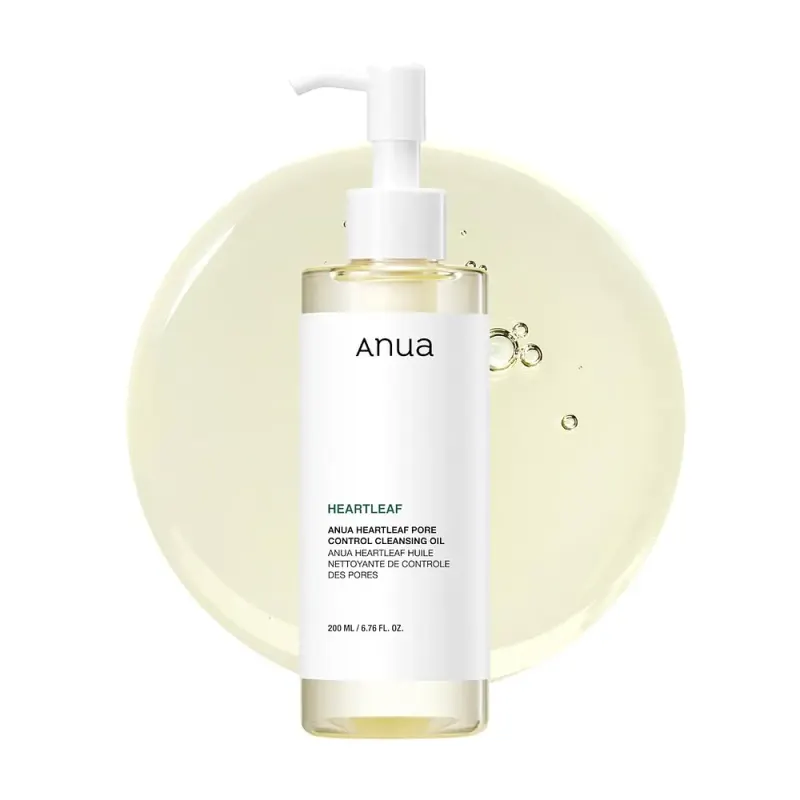
Anua Heartleaf Pore Control Cleansing Oil by Anua
Anua

Anua Heartleaf Pore Control Cleansing Oil

Makeup Removerscleansers

Safety score

Pregnancy-focused assessment

Low Risk76/100
Higher concernLower concern

One or more ingredients have a low-risk flag in MamaSkin's current assessment. Review the notes and your own circumstances.

Ingredient safety review updated 24 November 2025.

Check the current formula in MamaSkin

Copy the product name, download MamaSkin and search it for free. You can also scan the ingredient label on the product you own.

Download MamaSkin on the App StoreGet MamaSkin on Google Play

Ingredient breakdown

See how the listed formula falls across MamaSkin's pregnancy-focused risk bands.

21

No known risks

1

Low risk

0

Medium risk

0

High risk

Ingredients

Ingredients with a higher risk flag appear first, followed by the rest of the formula.

Parfum

Low Risk

Umbrella term for an undisclosed fragrance blend. It’s not usually a pregnancy-specific concern at normal cosmetic use levels, but the exact components and concentrations aren’t fully disclosed on the label, so we score it more conservatively. If you prefer maximum transparency (or you’re sensitive to fragrance compounds), choose fragrance-free/unscented products.

Sources: EU/UK cosmetics (fragrance allergen labelling); IFRA

Ethylhexyl Palmitate

No Known Risks

Lightweight emollient ester used to soften skin and improve glide. Reviewed cosmetic safety sources support normal topical use, with no pregnancy- or breastfeeding-specific topical signal identified in the material reviewed.

Sources: CIR: Amended Safety Assessment of Alkyl Esters as Used in Cosmetics; EU CosIng / cosmetics regulatory inventory

Sorbeth-30 Tetraoleate

No Known Risks
Show all (22)

Sorbitan Sesquioleate

No Known Risks

A sorbitan fatty-acid ester used as an emulsifier and surfactant. Cosmetic safety reviewers concluded that sorbitan esters are safe in current cosmetic practices of use. Sorbitan sesquioleate can occasionally cause contact allergy and has produced reactions in a small proportion of people investigated for dermatitis, so this classification does not mean that sensitive skin cannot react. No pregnancy-specific concern was identified for normal topical cosmetic exposure.

Sources: CIR: Final Report on the Safety Assessment of Sorbitan Fatty Acid Esters https://cir-reports.cir-safety.org/view-attachment?id=76b03823-8e74-ec11-8943-0022482f06a6

Caprylic/Capric Triglyceride

No Known Risks

Common emollient derived from fatty acids and glycerin. Used to soften skin and improve texture without pregnancy-specific concerns.

Sources: Cosmetic Ingredient Review (US); Scientific Committee on Consumer Safety (EU)

Butyl Avocadate

No Known Risks

Helianthus Annuus Seed Oil

No Known Risks

Helianthus annuus (sunflower) seed oil is a common emollient rich in fatty acids and is generally well tolerated, with no known pregnancy or breastfeeding concerns in topical cosmetic use.

Sources: CIR; EU/UK Cosmetics Regulation

Macadamia Ternifolia Seed Oil

No Known Risks

This plant-derived fatty oil or butter is used as an emollient and skin-conditioning ingredient. The Cosmetic Ingredient Review concluded that assessed plant-derived fatty acid oils are safe as used in cosmetics; individual plant allergy and ingredient purity remain practical considerations.

Sources: CIR: Safety Assessment of Plant-Derived Fatty Acid Oils https://cir-reports.cir-safety.org/view-attachment/?id=ad62ac6b-8e74-ec11-8943-0022482f06a6

Olea Europaea Fruit Oil

No Known Risks

Olive-derived emollient oil used for skin conditioning and barrier feel. Normal topical cosmetic use has no known pregnancy- or breastfeeding-specific concern identified in reviewed cosmetic references.

Sources: CIR: Safety Assessment of Plant-Derived Fatty Acid Oils as Used in Cosmetics; EU CosIng / cosmetics regulatory inventory

Simmondsia Chinensis Seed Oil

No Known Risks

Plant-derived emollient oil used to soften skin and improve formula feel. Reviewed cosmetic safety sources support current cosmetic use, with no pregnancy- or breastfeeding-specific topical concern identified in the material reviewed.

Sources: CIR: Final Report on the Safety Assessment of Simmondsia Chinensis (Jojoba) Seed Oil and related jojoba-derived ingredients; EU CosIng / cosmetics regulatory inventory

Vitis Vinifera Seed Oil

No Known Risks

Grape seed-derived emollient oil used for skin conditioning. Normal topical cosmetic use has no known pregnancy- or breastfeeding-specific concern identified in reviewed cosmetic references.

Sources: CIR: Safety Assessment of Plant-Derived Fatty Acid Oils as Used in Cosmetics; EU CosIng / cosmetics regulatory inventory

Caprylyl Glycol

No Known Risks

Humectant and preservative booster used to support product stability. Low systemic exposure expected from topical cosmetic use.

Sources: Scientific Committee on Consumer Safety (EU); Cosmetic Ingredient Review (US)

Ethylhexylglycerin

No Known Risks

Preservative booster and skin-conditioning agent. Considered safe for cosmetic use with low systemic exposure when used as intended.

Sources: Scientific Committee on Consumer Safety (EU); Cosmetic Ingredient Review (US)

Curcuma Longa Root Extract

No Known Risks

Melia Azadirachta Flower Extract

No Known Risks

Tocopherol

No Known Risks

Vitamin E antioxidant used to protect oils and support the skin barrier. Not associated with pregnancy-specific concerns at cosmetic exposure.

Sources: Cosmetic Ingredient Review (US); Scientific Committee on Consumer Safety (EU)

Melia Azadirachta Leaf Extract

No Known Risks

Houttuynia Cordata Extract

No Known Risks

Corallina Officinalis Extract

No Known Risks

A red-algae-derived extract used for skin conditioning, hydration or formula texture. Cosmetic safety reviewers concluded that the assessed red algae ingredients, including this extract, are safe in current practices of use and concentration. Cosmetic manufacturers should control naturally occurring contaminants such as heavy metals and arsenic.

Sources: CIR: Safety Assessment of Red Algae-Derived Ingredients as Used in Cosmetics https://cir-reports.cir-safety.org/view-attachment/?id=cef5b6e9-8c74-ec11-8943-0022482f06a6

Melia Azadirachta Bark Extract

No Known Risks

Moringa Oleifera Seed Oil

No Known Risks

This plant-derived fatty oil or butter is used as an emollient and skin-conditioning ingredient. The Cosmetic Ingredient Review concluded that assessed plant-derived fatty acid oils are safe as used in cosmetics; individual plant allergy and ingredient purity remain practical considerations.

Sources: CIR: Safety Assessment of Plant-Derived Fatty Acid Oils https://cir-reports.cir-safety.org/view-attachment/?id=ad62ac6b-8e74-ec11-8943-0022482f06a6

Ocimum Sanctum Leaf Extract

No Known Risks

Formulations can change without notice. For the most accurate result, compare this list with your packaging and scan the exact ingredient label in MamaSkin when you repurchase.

How to use this assessment

The risk band is the primary conclusion. The score adds detail within that band and should not be used to compare products as if a one-point difference were clinically meaningful.

MamaSkin provides pregnancy-focused information, not medical advice. Your midwife, GP, pharmacist or dermatologist should take priority when your circumstances differ from typical cosmetic use.

Read the full methodology